Wheel Alignment and Wheel Balancing Near Me
You usually notice tire trouble before you know what to call it. The steering wheel sits slightly off-center on a straight road. The car starts pulling left or right. A fresh set of tires begins wearing down faster than it should. When people search for wheel alignment and wheel balancing near me, they are usually not looking for theory. They want the car to drive properly again, and they want it handled without wasting a whole day.
That is exactly where a good local workshop matters. Alignment and balancing are often mentioned together, but they solve different problems. If either one is off, you feel it in the way the vehicle drives, how the tires wear, and how much confidence you have behind the wheel.
What wheel alignment and wheel balancing actually do
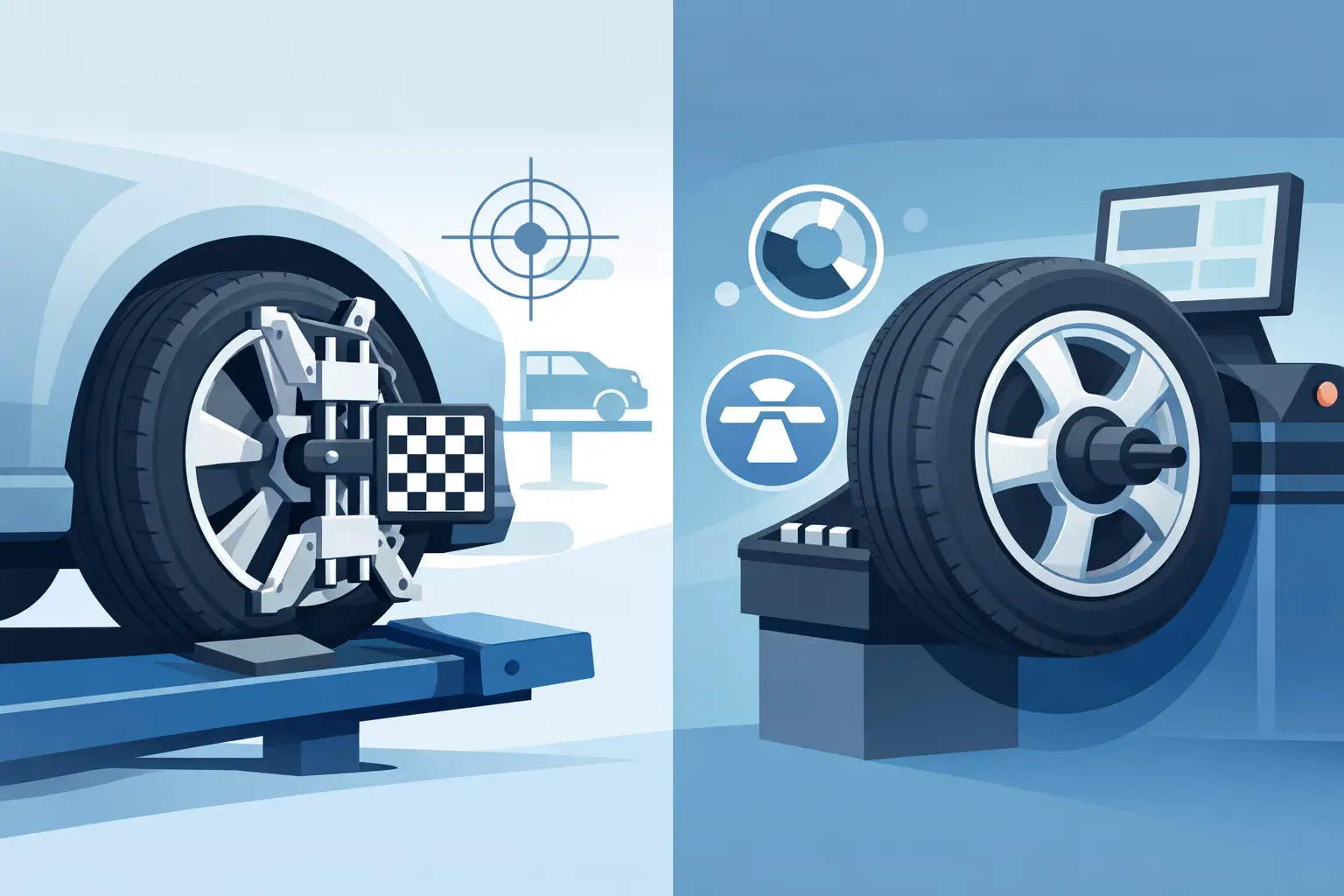
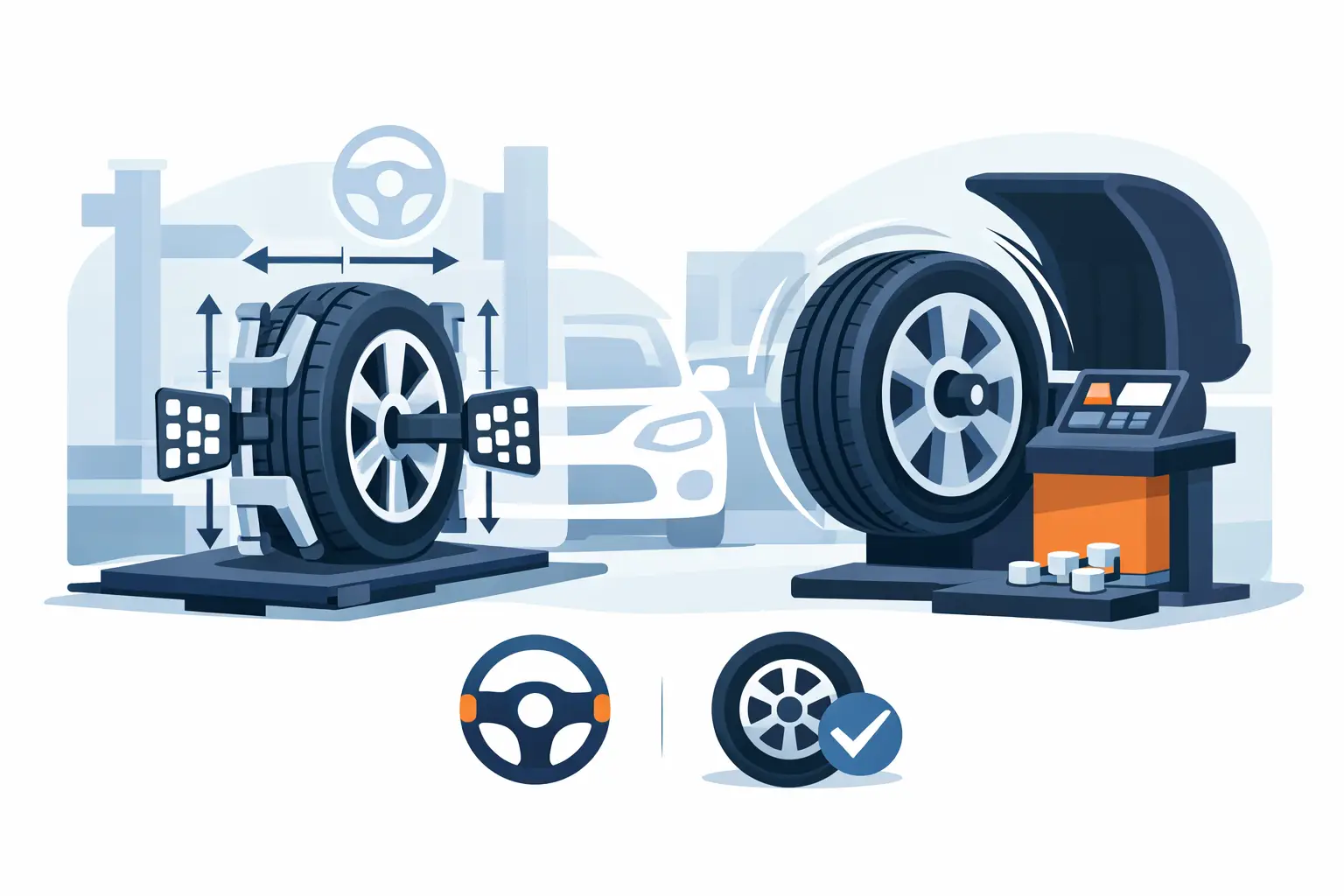
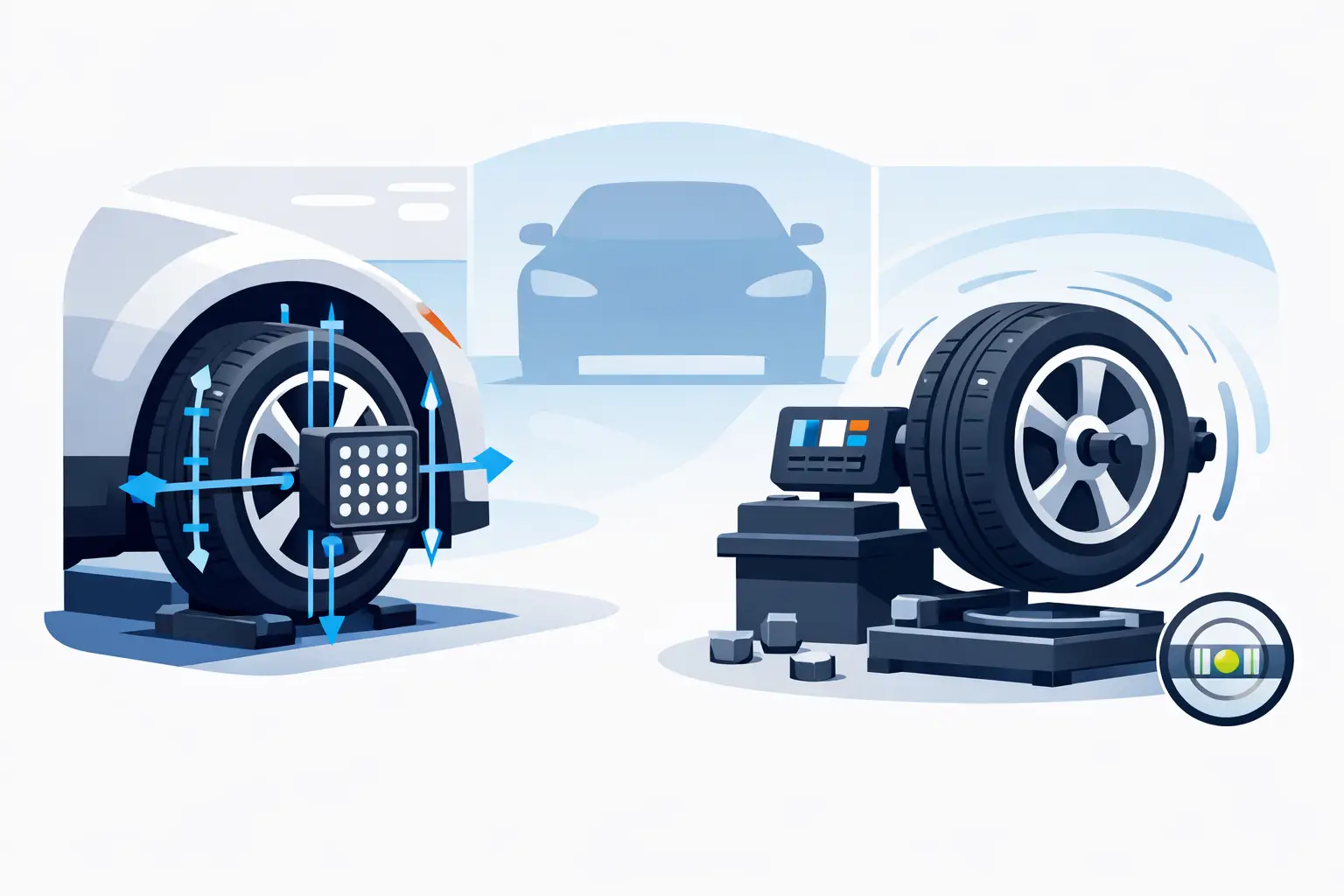
Wheel alignment is about the angles of your wheels and suspension. Even when the tires are in good shape, poor alignment can make the vehicle pull, feel unstable, or wear one edge of the tire faster than the other. Hitting potholes, clipping curbs, worn suspension parts, and everyday road use can all throw alignment out.
Wheel balancing is different. It deals with weight distribution around the tire and wheel assembly. If one section is heavier than the rest, the tire will not spin evenly at speed. That usually shows up as vibration through the steering wheel, seat, or floor, especially on the highway.
The reason these services are often paired is simple. Drivers often feel the symptoms at the same time, and uneven tire wear from alignment issues can make balancing more important as well. But they are not interchangeable. A balance will not fix a pulling problem caused by alignment, and an alignment will not cure a vibration caused by an unbalanced wheel.
Signs you need wheel alignment and wheel balancing near me
Most drivers wait until the problem gets annoying. That is understandable, but it can get expensive. Tires are not cheap, and suspension issues tend to get worse, not better.
If your vehicle pulls to one side, needs constant steering correction, or has a crooked steering wheel while driving straight, alignment should be checked. If the car shakes at certain speeds, especially after tire replacement or rotation, balancing is worth looking at first.
Tire wear patterns also tell a story. Feathering, cupping, and edge wear usually mean something is wrong with alignment, balancing, suspension, or all three together. A workshop that handles tires, wheel service, and mechanical inspections under one roof can save time because the problem is not always just one thing.
Common symptoms drivers notice first
The most common complaints are vibration at highway speed, steering pull, uneven tire wear, and a steering wheel that no longer feels centered. Some drivers also notice worse fuel economy or a vehicle that feels unsettled in corners.
There is a trade-off here. Mild symptoms can feel easy to ignore, especially if the car still seems drivable. But small issues often shorten tire life long before they become obvious safety concerns. Catching them early usually costs less than replacing tires early.
Why local matters more than people think
Searching for the cheapest option can be tempting, but alignment and balancing are not just quick add-ons. The quality of the inspection matters. So does the equipment. So does whether the shop checks for worn steering and suspension parts before making adjustments.
A local one-stop workshop is often the better option because you are not bouncing between a tire store, a mechanic, and another shop for follow-up work. If the tires are worn out, they can replace them. If there is a suspension issue affecting alignment, they can inspect it. If you need the job done on a weekend because the work ute cannot be off the road during the week, availability matters too.
For drivers around Kingswood and Penrith, that convenience is not just a nice extra. It can mean less downtime, fewer bookings, and less guesswork about where to go next.
What happens during a proper alignment and balance service
A good shop should start by asking what you are feeling. Pulling, vibration, recent pothole hit, new tires, or uneven wear all help point the inspection in the right direction.
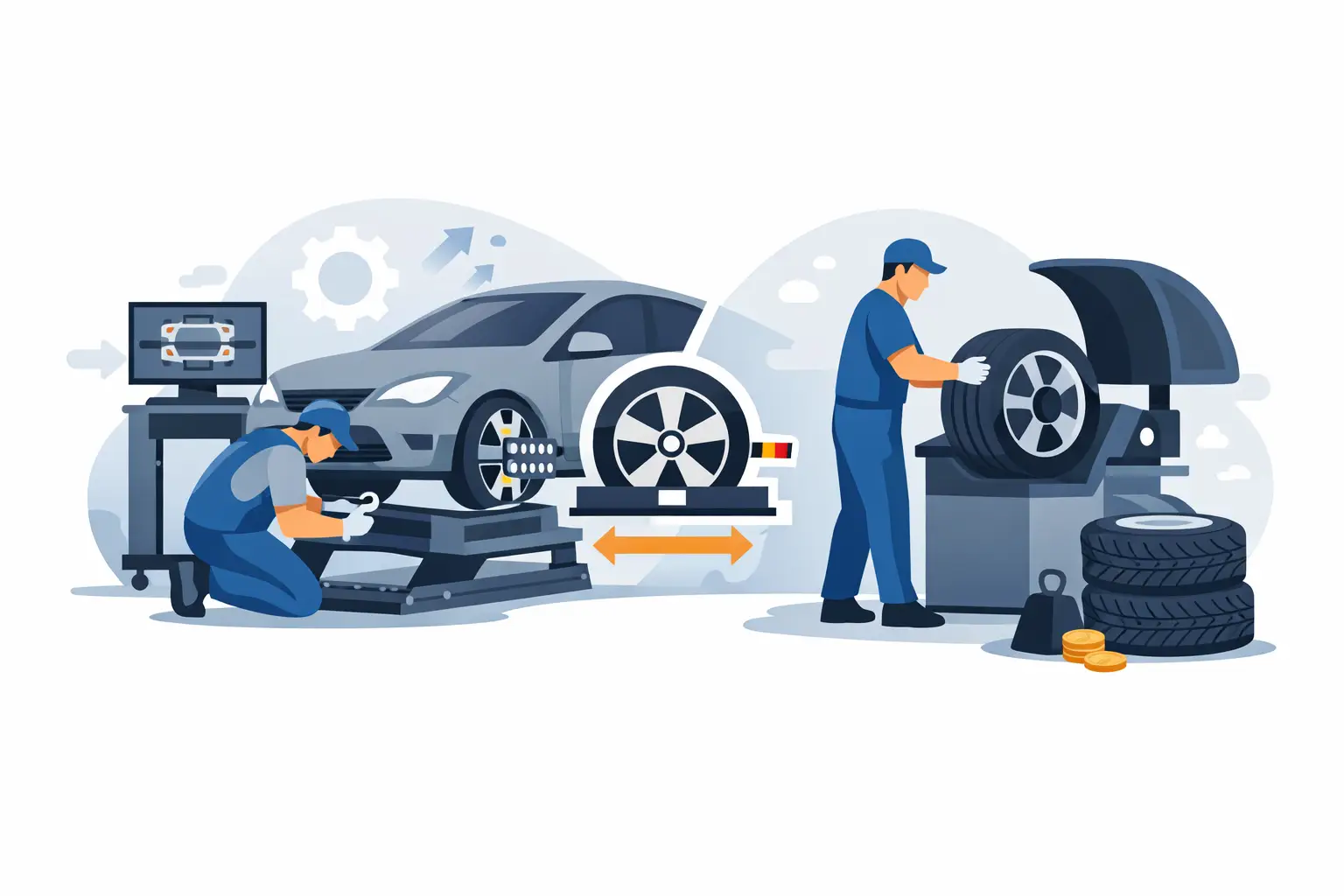
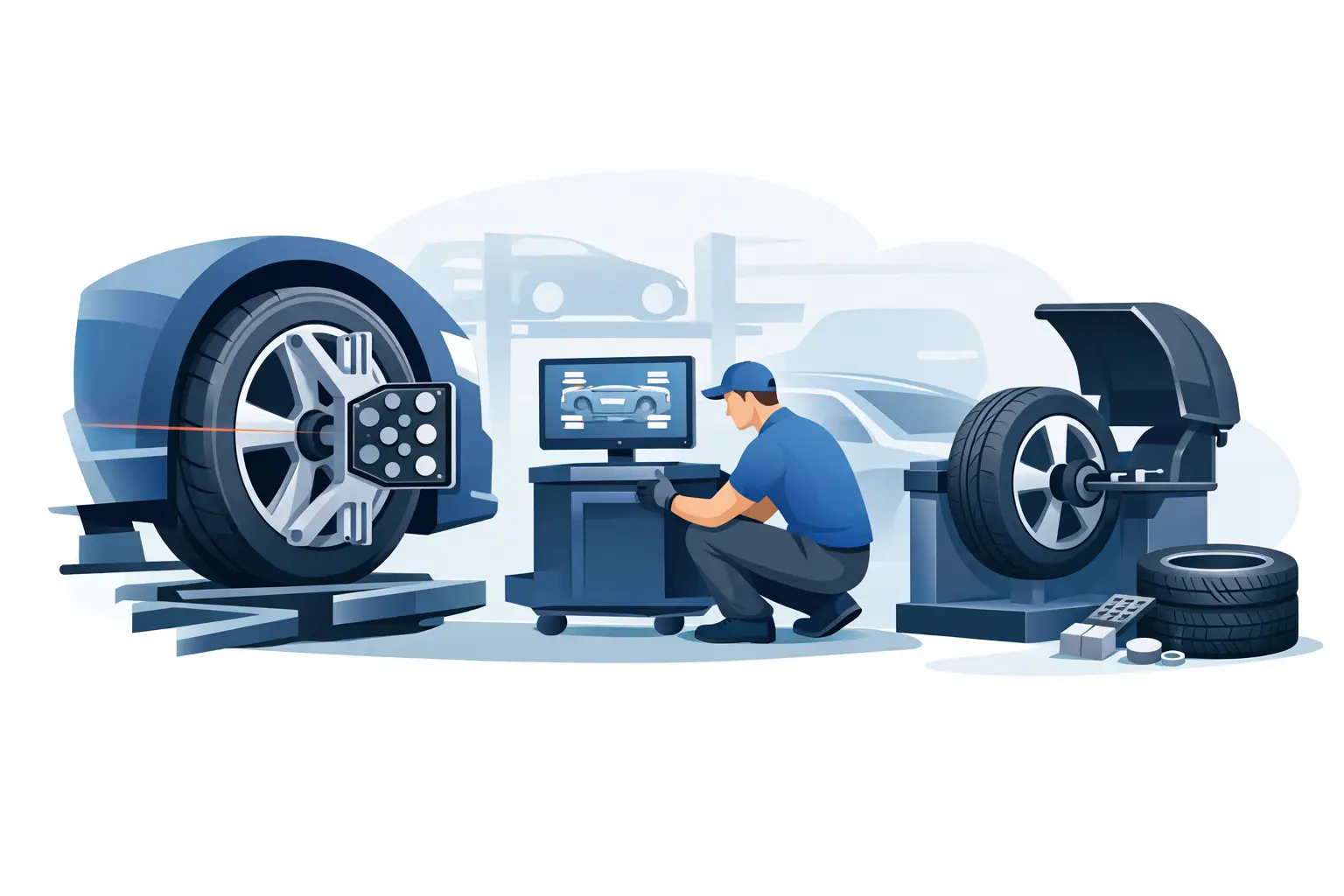
For wheel balancing, the technician removes the wheel and tire assembly, spins it on a balancing machine, and adds small weights where needed so it rotates evenly. If there is vibration but the tire itself is damaged or out of round, balancing alone may not solve it. That is why experience matters.
For wheel alignment, the vehicle is set up on alignment equipment that measures the wheel angles against manufacturer specifications. Adjustments are then made to bring those angles back into range where possible. If a part is worn or bent, the numbers may not hold correctly until that issue is fixed.
Why an alignment is not always a quick yes or no
Sometimes the alignment can be corrected easily. Sometimes the test reveals worn tie rods, ball joints, bushings, or suspension damage. That is not a sales pitch. It is the mechanical reality. You cannot align around badly worn parts and expect the car to stay straight.
This is why drivers are usually better off choosing a workshop that handles both tire work and general repairs. It saves time and gives you a clearer answer the first time.
When to book the service
If you have just fitted new tires, it makes sense to think about alignment and balancing straight away. New tires on a bad alignment wear down fast. The same goes after a major pothole hit, curb impact, suspension repair, or steering work.
It is also smart to book if the car has been feeling different for a while but you have put it off. Many drivers adapt without realizing it. They hold the steering wheel slightly turned, avoid certain speeds, or blame the road surface. Then they are surprised by how much better the vehicle feels after the problem is corrected.
For work vehicles, family cars, trailers, and 4WDs, timing matters for a practical reason too. Downtime costs money and causes hassle. A shop that is open 7 days and can manage tires, balancing, alignment, and related mechanical repairs in one place makes the whole process easier.
How much should you expect to pay?
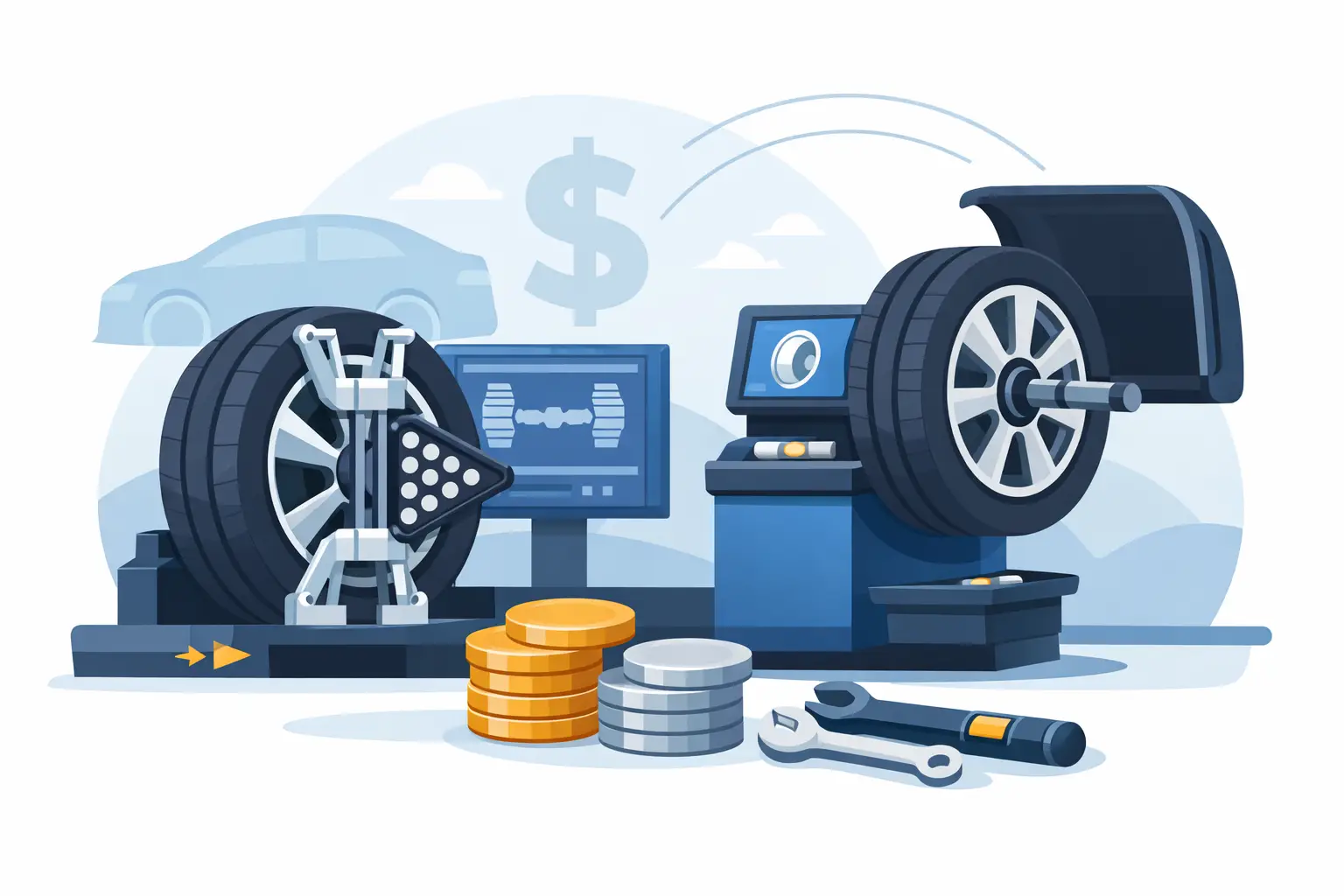
Prices vary depending on vehicle type, whether it is a two-wheel or four-wheel alignment, and whether the issue is simple balancing or something more involved. Larger vehicles, custom wheels, low-profile tires, and suspension modifications can change the time needed.
The cheapest price is not always the best value. If the shop balances the wheels but misses a damaged tire, or aligns the car without checking worn components, you may pay again somewhere else. Fair pricing matters, but so does getting the right diagnosis.
That is why many drivers prefer a practical local shop over a chain-style process. You want a straight answer. If the fix is simple, great. If there is a bigger issue, you want to know before you burn through another set of tires.
Choosing the right shop for wheel alignment and wheel balancing near me
Look for a workshop that can do more than just one part of the job. Tire supply, wheel service, suspension inspection, and general mechanical repairs all matter because these problems often overlap.
It also helps to choose a place that works on different vehicle types. The needs of a commuter sedan are different from a tradie van, a light truck, a trailer, or a 4WD running larger tires. Experience across those vehicles usually means faster diagnosis and less trial and error.
Ryan Automotive and Tyres fits that practical model well because it combines workshop repairs, tire sales, wheel services, and day-to-day convenience in one place. For drivers who want less running around and more certainty, that setup makes sense.
If your steering feels off, your tires are wearing unevenly, or the car is vibrating at speed, do not wait for the problem to get expensive. A proper check now can save tires, improve safety, and make the drive home feel normal again.