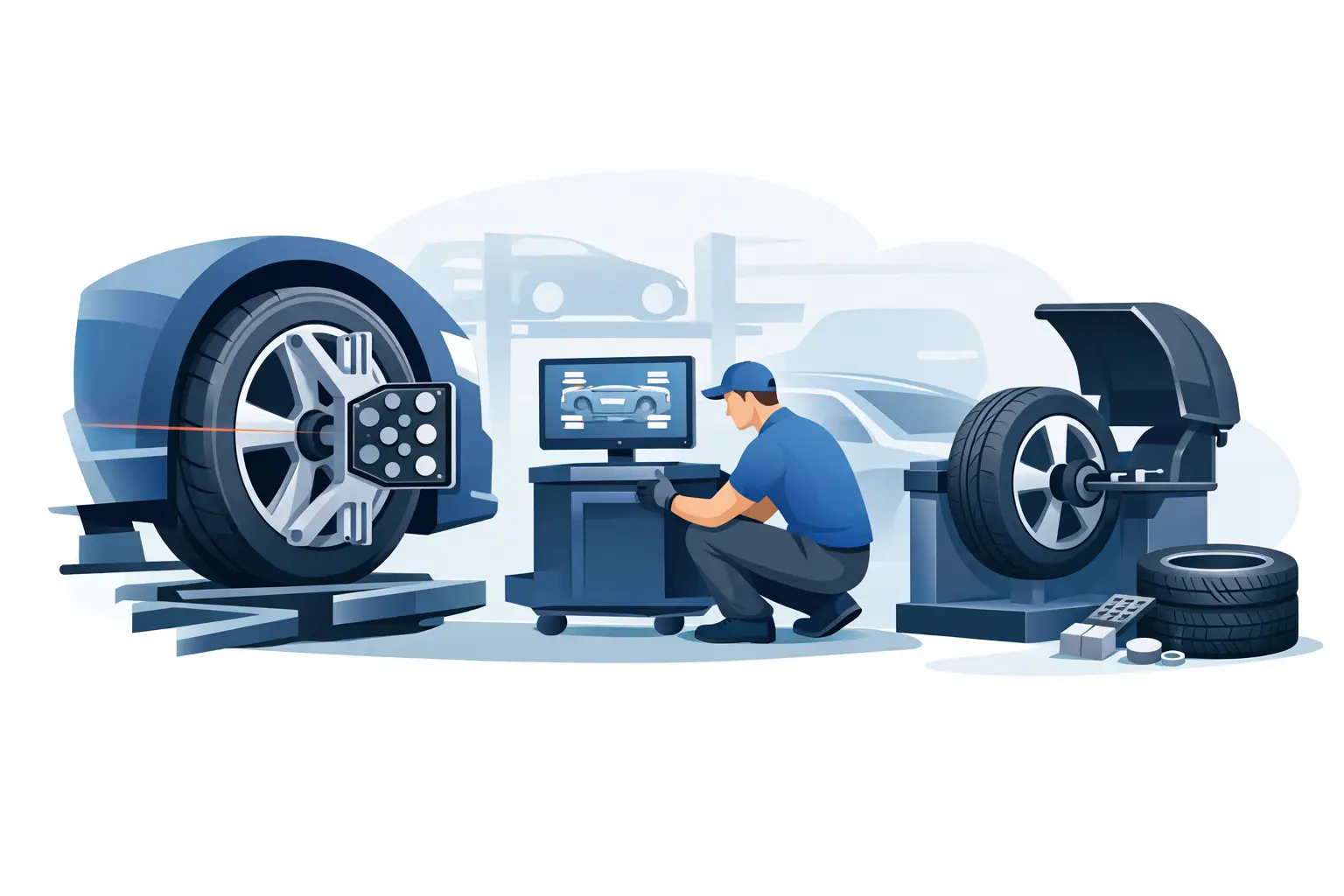
Best Alignment and Tire Balancing Near You
Your steering wheel should not shake at 60 mph. Your car should not pull left on a straight road. And a new set of tires should not wear out early because something simple was missed. That is why finding the best alignment and tire balancing matters more than most drivers think. It is not just about comfort – it is about tire life, fuel use, handling, and avoiding bigger repair bills later.
A lot of drivers lump alignment and balancing together, but they solve different problems. Tire balancing corrects weight differences in the wheel and tire assembly. Alignment adjusts the angles of the wheels so they meet the road the way the manufacturer intended. You can need one without the other, but in the real world they often go hand in hand.
What the best alignment and tire balancing actually includes
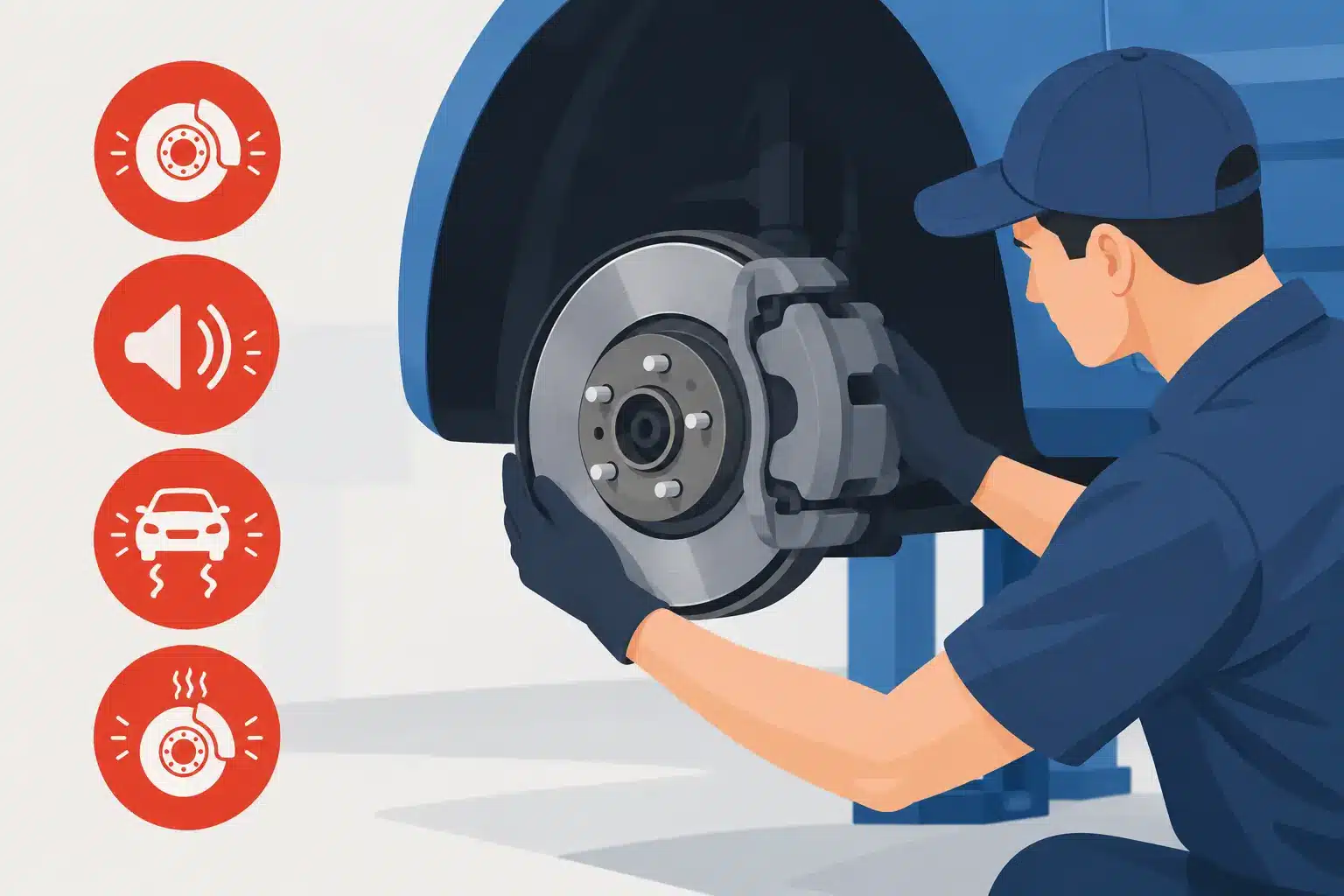
A proper tire balance starts with more than spinning a wheel and sticking on a weight. The technician should inspect the tire for uneven wear, damage, and signs of a bent wheel before balancing begins. If a tire has a broken belt or a wheel is damaged, balancing alone will not fix the vibration.
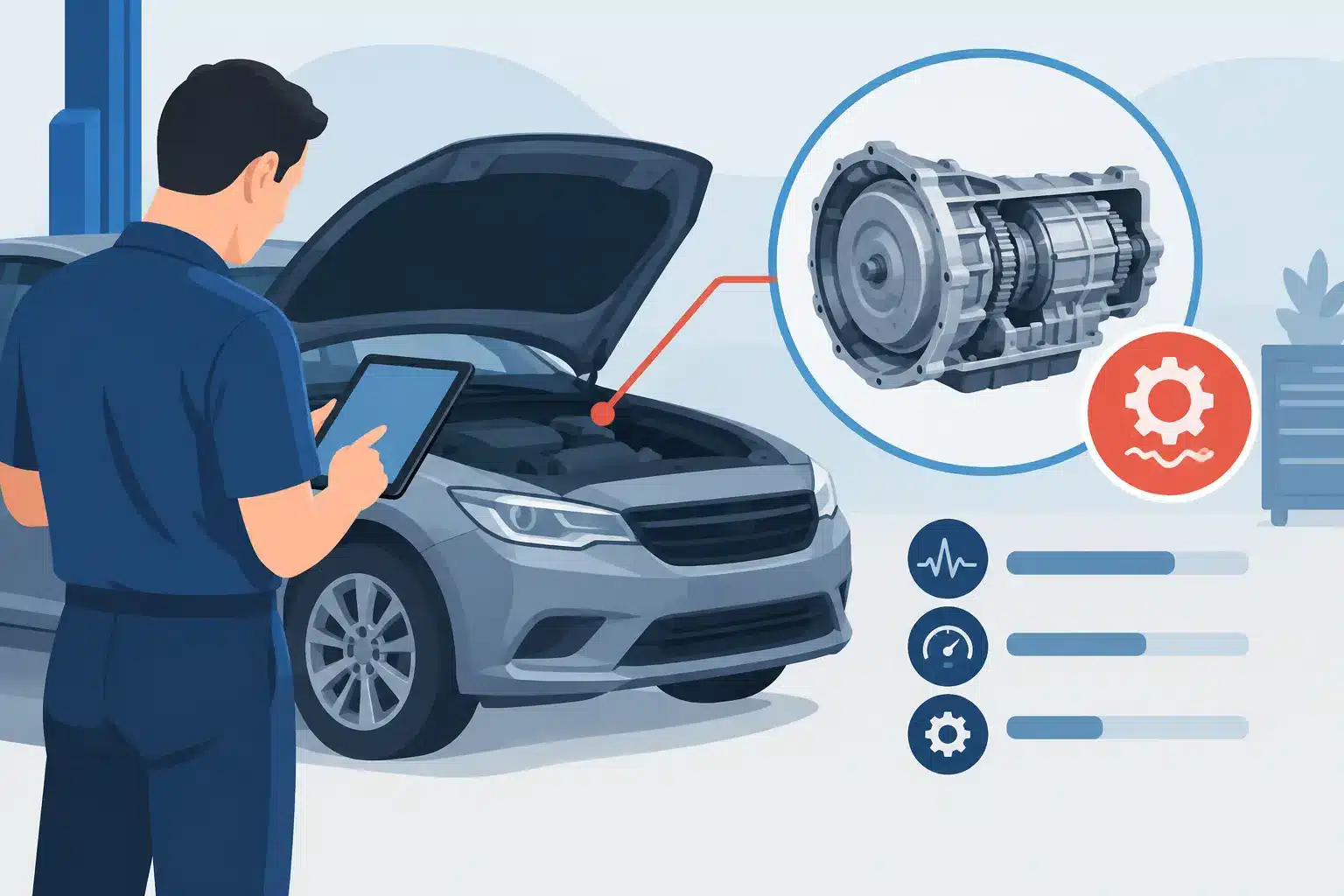
Alignment should also start with an inspection. Worn suspension parts, loose steering components, and damaged bushings can throw alignment out quickly, even after adjustment. If a shop skips that part, the numbers may look good on the machine, but the vehicle may still drive poorly.
The best service usually includes checking tire condition, suspension wear, steering response, and road test symptoms. That is the difference between a quick ticket item and a workshop that is trying to solve the actual problem.
Signs your vehicle needs alignment or balancing
Most customers come in because the vehicle feels off, not because they know exactly what service they need. That is normal.
If the steering wheel vibrates at certain speeds, especially on the highway, tire balancing is a likely culprit. If the vehicle pulls to one side, the steering wheel sits crooked, or the tires show wear on one edge, alignment is more likely involved. If the car feels unsettled after hitting a pothole or curb, either service may be needed.
There are gray areas. A bad tire can mimic an alignment problem. Suspension wear can feel like an out-of-balance wheel. That is why experience matters. The right shop will not guess. They will inspect first, explain what they found, and recommend only what the vehicle actually needs.
Why cheap alignment specials can cost more later
A low advertised price gets attention, but it does not always mean value. Some budget alignments are little more than a quick adjustment of the front toe and nothing else. On some vehicles that may be all that is adjustable, but on many others there is more to check. If rear alignment is off, the front can be set perfectly and the car can still track poorly.
The same goes for tire balancing. A fast balance with no inspection may hide a bigger issue. If the wheel is bent, if mud is packed inside the rim, or if the tire is uneven from suspension wear, a simple rebalance may only mask the symptom for a short time.
The better question is not what is the cheapest alignment or balance. It is what service gives you a real fix, protects the tires you already paid for, and keeps the vehicle safe on the road.
What to look for in the best alignment and tire balancing shop
Good equipment matters, but it is not the whole story. Modern alignment machines can measure very accurately, but the technician still has to know how to read the results in context. A printout full of green numbers does not mean much if worn parts were ignored.
You want a shop that can handle the full picture. That means tires, wheels, suspension, steering, and general mechanical repairs all in one place. If an alignment check reveals worn tie rods, bad shocks, or suspension damage, it saves time when the same workshop can repair it and finish the job properly.
Convenience matters too. For busy families, commuters, and tradies, downtime is a real cost. A workshop that can inspect, recommend, repair, fit tires, balance wheels, and align the vehicle in one visit is worth more than bouncing between different providers.
Best alignment and tire balancing for different vehicle types
Not every vehicle needs the same approach. A small commuter car with factory wheels is usually straightforward. A 4WD with oversized tires is not. A work ute carrying tools every day may show different wear patterns than a family SUV doing school runs and weekend freeway miles.
On trucks, trailers, and light commercial vehicles, alignment issues can become expensive fast because tire replacement costs are higher and downtime hurts the business. On lifted vehicles or aftermarket wheel setups, balancing can be more sensitive, and not every shop is equipped or experienced enough to get it right.
This is where a one-stop workshop has an advantage. If the shop regularly works on everyday cars, work vehicles, trailers, and off-road setups, they are more likely to spot the patterns that matter and recommend the right fix instead of a generic one.
When alignment and balancing should be done together
There is no rule that says every tire balance must come with an alignment, but there are plenty of times it makes sense to do both. If you are fitting new tires, it is smart to balance them properly and check alignment at the same time. Otherwise, a fresh set of tires can start wearing unevenly from day one.
It also makes sense after suspension repairs, steering work, hitting a major pothole, or noticing a new vibration plus uneven wear. If you are already in the shop and the wheels are off, it is often more efficient to deal with both issues in one visit.
That said, it depends on the symptoms. A simple speed-related vibration with even tire wear may only need balancing. A crooked steering wheel with no vibration may point to alignment only. A good shop will tell you when both are worth doing and when they are not.
Questions worth asking before you book
You do not need to be a car expert to ask useful questions. Ask whether the shop checks suspension and steering parts before alignment. Ask whether balancing includes inspection for tire damage or wheel damage. Ask if they work on your type of vehicle, especially if you drive a 4WD, truck, trailer, or modified setup.
You can also ask what happens if they find something else. That matters because alignment often uncovers worn parts that need attention first. A straightforward answer is a good sign. So is a shop that explains the issue in plain language instead of trying to upsell you on things you did not ask for.
If you are in the Kingswood or Penrith area, this is exactly the kind of practical, all-in-one support local drivers tend to value most – quick diagnosis, fair pricing, and the ability to sort tires and mechanical work without wasting a full day.
The real payoff from getting it done right
The biggest benefit is not just a smoother drive, though you will notice that first. It is getting full life out of your tires, better road holding in wet or rough conditions, less strain on steering and suspension parts, and more confidence behind the wheel.
For daily drivers, that means fewer surprises on the commute. For family vehicles, it means safer, steadier handling. For tradies and operators running work vehicles, it means less downtime and better value from every tire fitted.
The best alignment and tire balancing service is not about flashy promises. It is about accurate diagnosis, proper equipment, experienced hands, and a workshop that can deal with the whole vehicle, not just one symptom. When that is done right, your car feels better immediately and costs less to keep on the road over time.
If your steering feels off, your tires are wearing unevenly, or your ride has picked up a vibration, do not wait for it to become a bigger repair. A proper check now is usually cheaper than replacing tires early later.