Is Wheel Alignment and Wheel Balancing Necessary?
You usually notice tire problems after you’ve already paid for them. The steering starts pulling on your commute, the wheel shakes at highway speed, or your new tires wear down far sooner than expected. That is why people ask, is wheel alignment and wheel balancing necessary? In most cases, yes – but not for exactly the same reason, and not always at the same time.
A lot of drivers lump these two services together because they are often recommended during tire work. They are related, but they solve different problems. If you want your vehicle to drive straight, ride smoothly, and get full life out of your tires, it helps to know what each service actually does and when it is worth paying for it.
Is wheel alignment and wheel balancing necessary for every car?
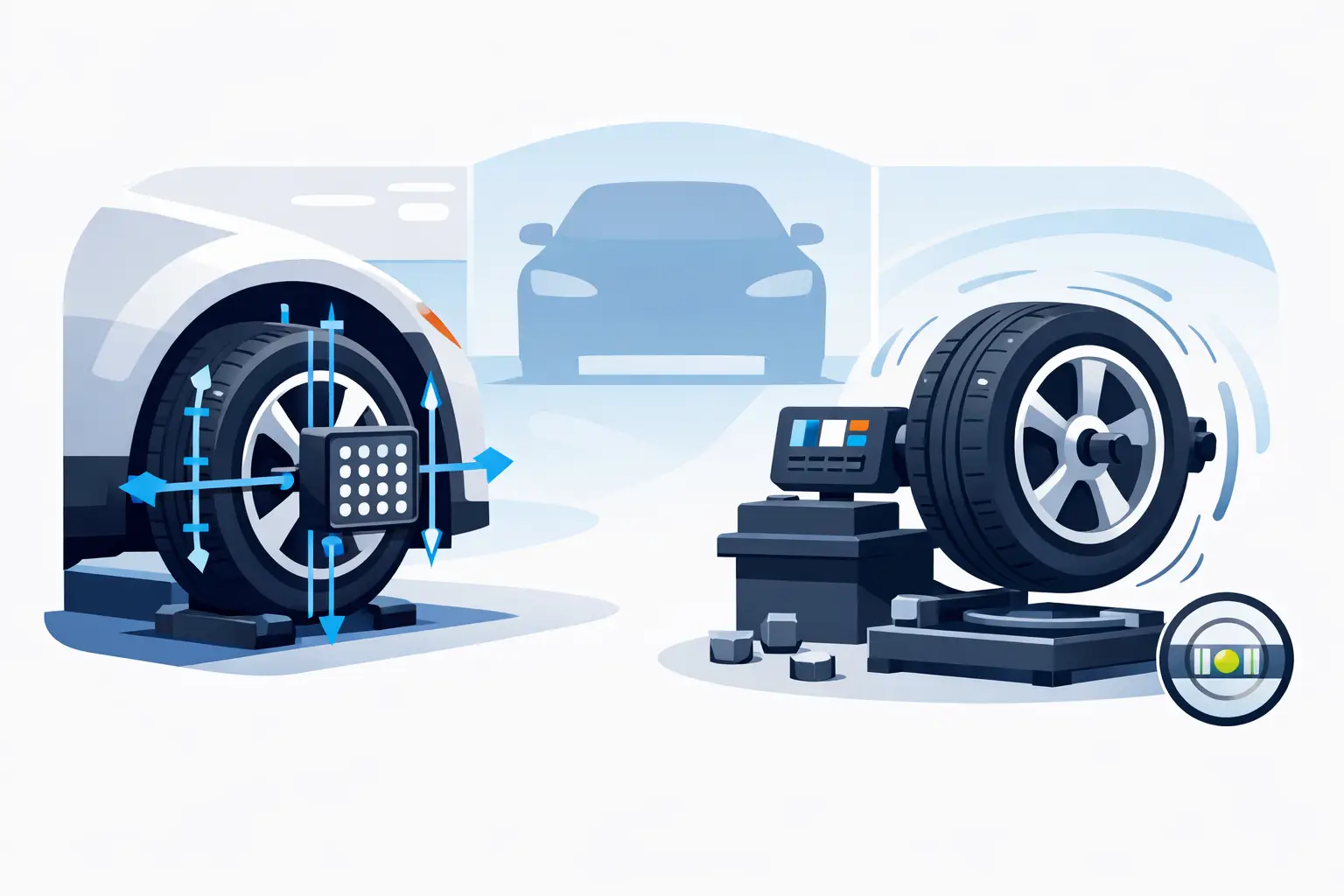
For most vehicles on the road, both services are necessary at different points in the life of the tires and suspension. The key is that alignment and balancing are not interchangeable. One corrects the angle of the wheels so they meet the road properly. The other corrects uneven weight distribution in the tire and wheel assembly so it spins smoothly.
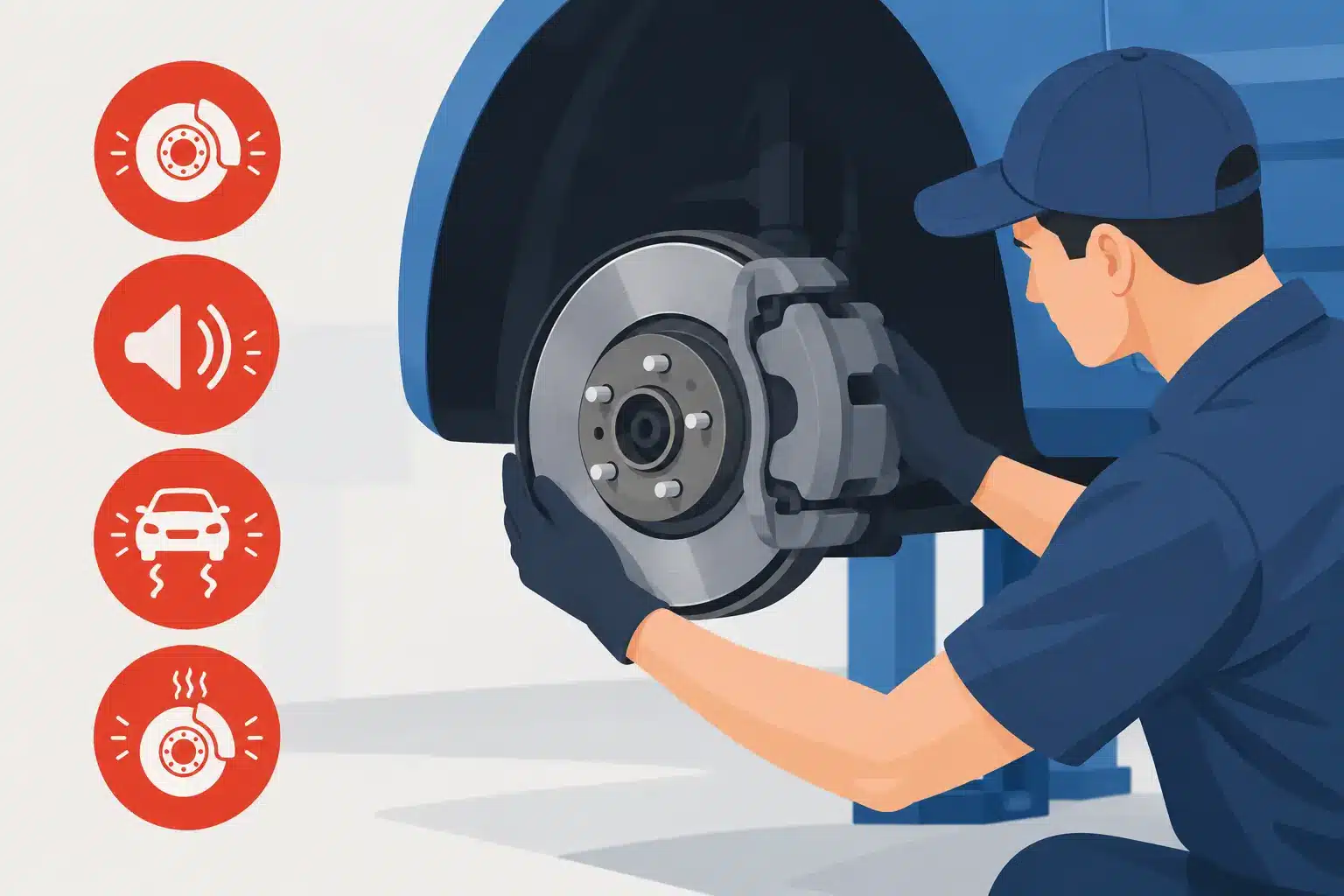
If you skip balancing when it is needed, you can end up with vibration, uneven tire wear, and extra stress on suspension parts. If you skip an alignment when it is needed, the vehicle may pull to one side, your steering wheel may sit off-center, and tires can scrub away on the inner or outer edge.
That does not mean every car needs both services every time it enters the shop. A routine tire rotation might not need an alignment if wear is even and the car tracks straight. On the other hand, fitting new tires without balancing them is asking for trouble. The smart answer is not a blanket yes to every visit. It is a practical yes when the condition of the vehicle calls for it.
What wheel balancing actually fixes
Wheel balancing is about spin. Even a brand-new tire and wheel setup can have small heavy spots. As that assembly rotates, those weight differences can create vibration, especially as speed increases.
A technician balances the assembly by adding small weights so the wheel turns evenly. When done properly, the ride feels smoother and the tires wear more consistently. This matters for daily drivers, work utes, family SUVs, trailers, and 4WDs alike. If it rolls at speed, balance matters.
Signs you may need wheel balancing include vibration through the steering wheel, seat, or floor, especially between moderate and highway speeds. You might also notice irregular wear that does not clearly point to an alignment issue, or you may have just had new tires installed. In that last case, balancing is not really optional. It is part of fitting tires correctly.
Balance can also change over time. Tires wear. Weights can come off. Mud stuck inside a wheel can throw things out. A hard hit from a pothole can also affect how smoothly the assembly spins.
What wheel alignment actually fixes
Alignment is about direction and tire contact. It adjusts the wheel angles so the tires sit correctly against the road and the vehicle tracks as it should. The main settings include camber, caster, and toe. Most drivers do not need to memorize those terms. What matters is what bad settings do.
Poor alignment can cause your car to drift left or right, make the steering wheel sit crooked when driving straight, and create fast, uneven tire wear. One of the most common patterns is feathering or wear on one edge of the tire. Once that wear starts, the tire often will not recover, even if you align the car later.
Alignment problems often show up after hitting potholes, clipping curbs, replacing suspension or steering components, or carrying wear in parts like tie rods or control arm bushings. Sometimes the change is gradual and drivers adapt without realizing it. They just keep correcting the steering a little more every week until the tires tell the real story.
Why the two services get sold together
There is a practical reason shops often recommend both at the same time. When you install new tires, you want them to wear evenly and ride smoothly from day one. Balancing handles the smoothness. Alignment protects the tire contact patch and helps prevent premature wear.
That combination is especially important if you are spending good money on a fresh set of tires or a wheel-and-tire package. Saving a bit upfront by skipping one service can cost much more if the tires wear unevenly or the vehicle develops a vibration you then have to chase later.
For drivers who rely on their vehicle every day, that matters. Family cars, trade vehicles, delivery vans, and weekend 4WDs all benefit from getting the basics right. Less wear means fewer surprises and less downtime.
When wheel alignment and balancing are necessary
The simplest answer is this: balancing is necessary whenever new tires are fitted, and alignment is necessary whenever steering, suspension, road impact, or tire wear signs suggest the wheel angles are no longer right.
There are also common situations where both should be considered together. After replacing tires is a big one. After suspension repairs is another. If you have hit a serious pothole or curb and now the car feels different, both are worth checking. If the vehicle has been driving with vibration and uneven wear, you may need both because one issue can mask the other.
For larger vehicles or heavier-use applications, being proactive makes even more sense. Trucks, trailers, work vehicles, and 4WDs often carry more load and take more punishment from rough roads. Small problems tend to show up faster in tire wear and handling.
When they may not be needed right now
This is where the honest answer matters. Not every service recommendation should be automatic.
If your tires were recently balanced, the ride is smooth, and there is no vibration, you may not need balancing again yet. If your vehicle drives straight, the steering wheel is centered, and tire wear is even, an alignment may not be necessary right now either.
But the catch is that many alignment issues start small. Drivers often ignore them because the car still feels mostly fine. By the time the problem is obvious, the tire damage is already done. That is why regular inspections are useful. You do not need to guess. A shop can look at wear patterns, check the steering and suspension, and tell you whether the service is actually needed.
The cost of putting it off
The biggest cost is usually tires. Uneven wear can shorten tire life by thousands of miles. That means replacing tires earlier than planned, which is far more expensive than basic balancing or alignment service.
There is also the driving side of it. A vibration that seems minor can make long trips tiring and can put extra strain on shocks, bushings, and steering components. Poor alignment can affect braking stability and handling, especially in wet conditions or during emergency maneuvers.
For drivers already juggling work, school runs, and weekend travel, avoidable tire wear is just wasted money. Fixing the problem early is usually the cheaper path.
What a good workshop should check first
A decent shop should not just sell alignment and balancing because the words sound familiar. They should look at the tire wear pattern, road-test the vehicle if needed, and inspect for worn suspension or steering parts that could stop the alignment from holding.
That matters because an alignment alone will not fix loose components, and balancing alone will not solve a bent wheel or damaged tire. Good diagnosis saves time and prevents repeat visits.
At a one-stop workshop, this is where things get easier. If the issue turns out to be more than tire service – maybe a worn suspension part, damaged wheel, or another handling problem – it can be dealt with in the same place instead of sending you across town.
So, is wheel alignment and wheel balancing necessary?
Yes, in the sense that both are essential maintenance services when the vehicle shows the need for them. No, in the sense that they are not always required together on every visit. Balancing is a must with new tires and any vibration issue. Alignment is a must when wear patterns, steering pull, suspension work, or impact damage point to geometry problems.
The practical approach is simple. Do not wait for a small pull or shake to become a full set of ruined tires. If your car does not feel right, or you are fitting new tires, have it checked properly and handle the issue early. That is the kind of maintenance that saves money, keeps the vehicle safer, and makes every mile feel the way it should.