Loose Steering Causes and What to Check First
A steering wheel should give you a clear, predictable connection to the road. If you have to turn it farther than usual before the vehicle reacts, constantly correct your line, or feel the vehicle wander on a straight road, do not put it down to an old car. Loose steering causes can include something as simple as uneven tire pressure, but they can also point to worn steering or suspension components that need attention before they affect safety.
For commuters, family vehicles, work utes, trucks, and 4WDs, a loose or vague steering feel can make daily driving tiring and unpredictable. The right repair depends on what is worn, how the vehicle is used, and whether the problem is isolated to the steering system or comes from tires, alignment, or suspension.
What Loose Steering Feels Like
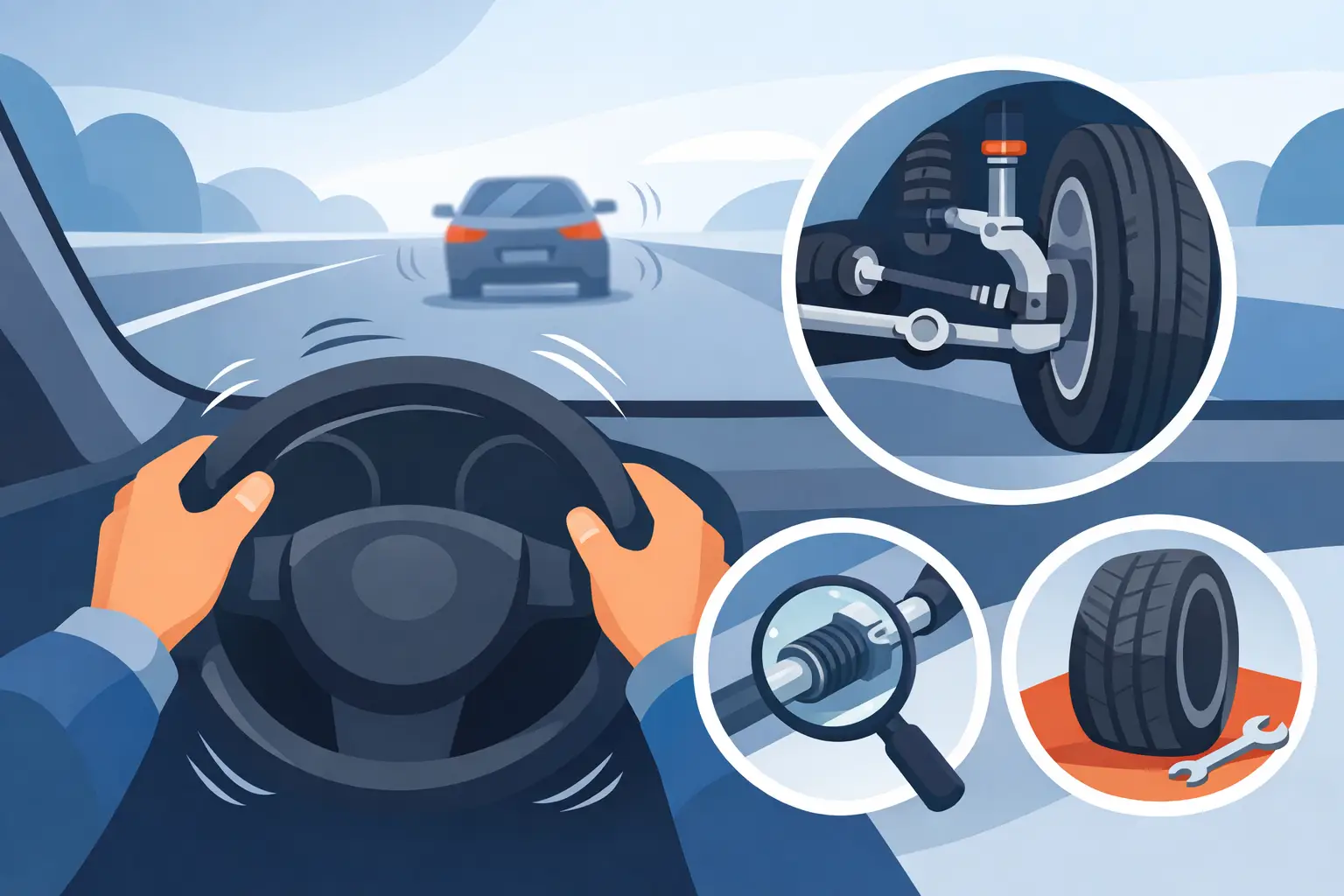
Drivers use the phrase “loose steering” to describe a few different symptoms. The most common is excessive free play: you move the steering wheel, but the front wheels do not respond immediately. The vehicle may wander across the lane, need frequent small corrections, or feel unstable when passing larger vehicles.
You may also notice a clunk through the steering wheel over bumps, a pull to one side, a steering wheel that will not return cleanly after a turn, or uneven tire wear. These clues matter because they help separate a tire or alignment issue from a worn mechanical part.
A vehicle can still turn and brake normally while a steering fault develops. That does not mean it is safe to ignore. Wear often progresses gradually, so drivers adapt without realizing how much steering control has been lost.
Loose Steering Causes That Need Attention
Worn tie rod ends
Tie rods connect the steering rack or steering box to the wheels. Their ball-and-socket joints allow the suspension to move while the wheels are steered. When a tie rod end wears, clearance develops in that connection. The result can be steering play, wandering, vibration, and uneven wear on the front tires.
This is one of the more serious loose steering causes because a badly worn tie rod can eventually fail. A technician can check for play with the vehicle safely raised and confirm whether the inner tie rod, outer tie rod, or both require replacement. An alignment is usually needed after the repair.
Worn ball joints or control arm bushings
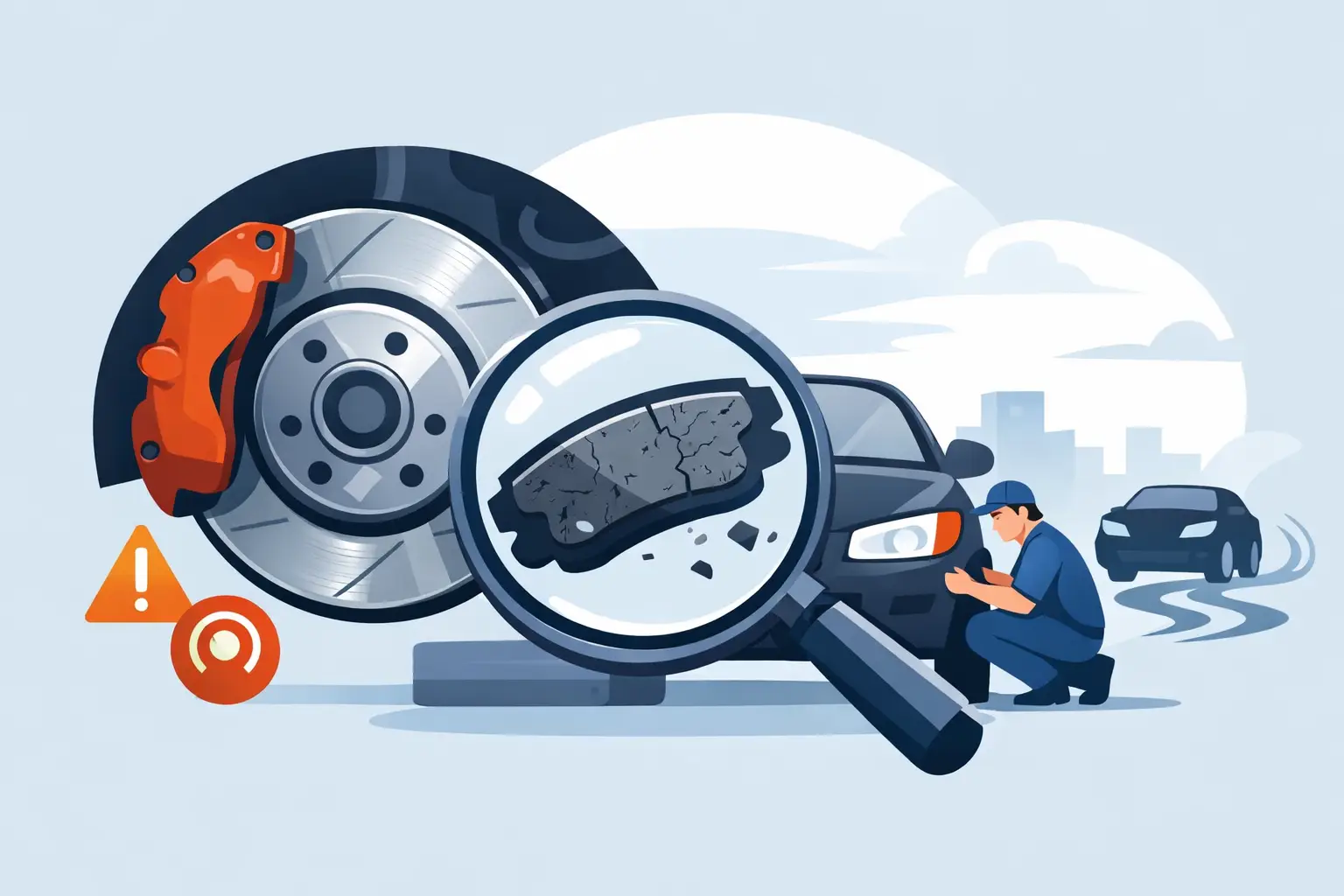
Ball joints and control arm bushings hold the front wheel assembly in the correct position while allowing it to move through suspension travel. When they wear out, the wheel can shift slightly as you brake, accelerate, corner, or hit a bump. That movement may feel like loose steering even if the steering rack itself is in good condition.
A dull knock over rough roads, a change in direction when braking, or tire wear along one edge can all support this diagnosis. Work vehicles and 4WDs may wear these parts faster when they regularly carry loads, travel on rough ground, or run larger tires.
Steering rack, gearbox, or steering column wear
Most modern passenger vehicles use rack-and-pinion steering. Older vehicles, heavy-duty vehicles, and some trucks may use a steering gearbox. Internal wear in either system can create free play at the steering wheel, while a worn universal joint or coupling in the steering column can make the wheel feel disconnected or notchy.
A loose rack mounting bushing can also allow the rack to move slightly under load. This can create an alarming delay between steering wheel movement and vehicle response. These faults need a proper inspection rather than guesswork, as external steering linkage wear can feel very similar from the driver’s seat.
Low power steering fluid or power steering faults
Hydraulic power steering systems rely on clean fluid and the correct pressure to assist steering. Low fluid, leaks, a weak pump, or a damaged hose more commonly cause heavy steering, groaning, or inconsistent assistance than pure free play. Still, a steering system that feels loose at some times and heavy at others deserves attention.
Electric power steering systems do not use fluid, but a fault in the motor, torque sensor, wiring, or control module can change steering assistance. Warning lights, intermittent stiffness, and a sudden change in steering feel should be checked promptly. Do not assume adding fluid will solve every power steering concern.
Poor wheel alignment
Wheel alignment does not normally create true free play in the steering wheel, but incorrect alignment can make a vehicle wander, pull, or feel nervous on the highway. Toe settings are particularly relevant. Too much toe-out can make the vehicle feel twitchy, while worn parts can prevent an alignment from holding in the first place.
Alignment should be the final adjustment, not the first guess. If the steering or suspension has play, setting the alignment before repairing the worn components is wasted effort. The technician should inspect the front end first, replace failed parts where needed, then align the wheels to specification.
Tire pressure, tire condition, and mismatched tires
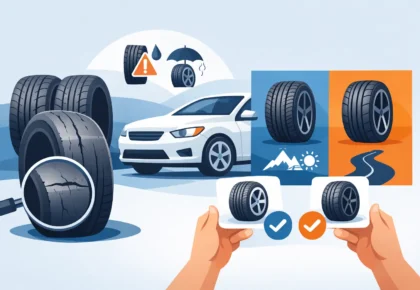
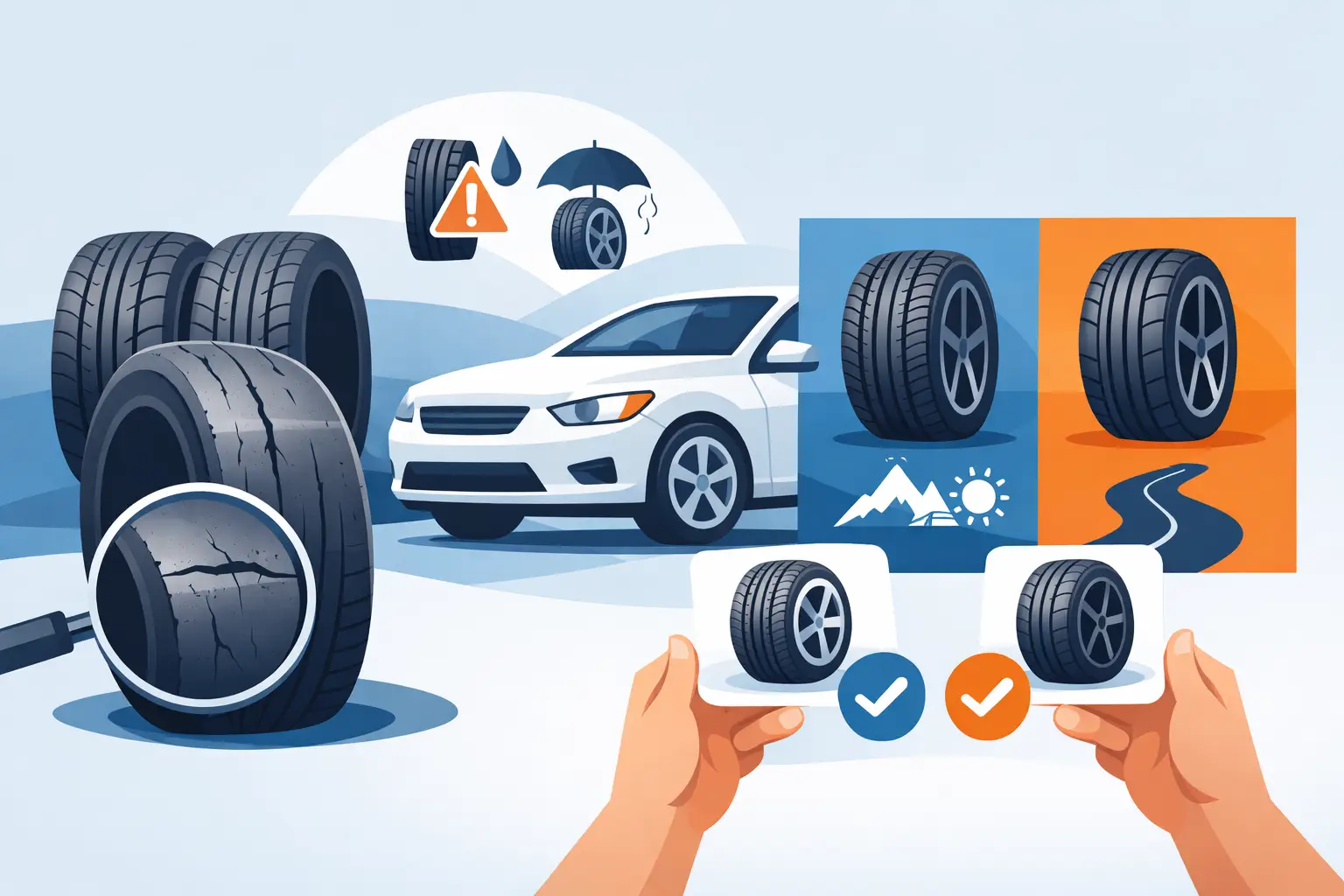
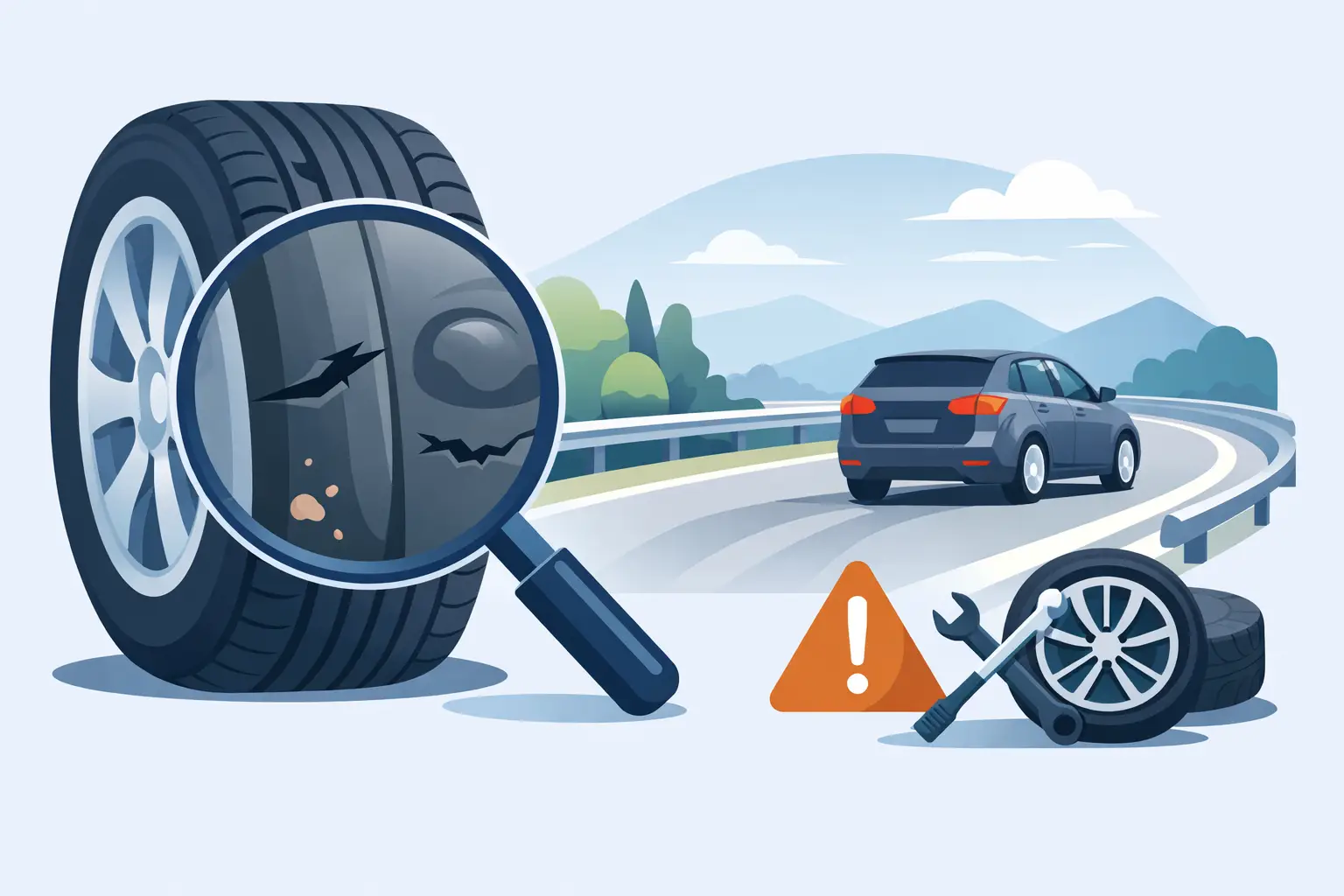
Before assuming the worst, check tire pressures when the tires are cold and compare them with the vehicle placard. A low front tire can make the vehicle drift or feel vague, while significantly different pressures across the axle can affect stability. Damaged tires, uneven tread wear, separated belts, and mismatched tire sizes can produce similar symptoms.
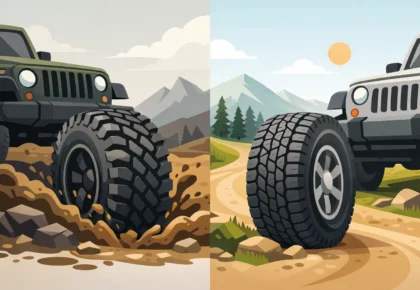
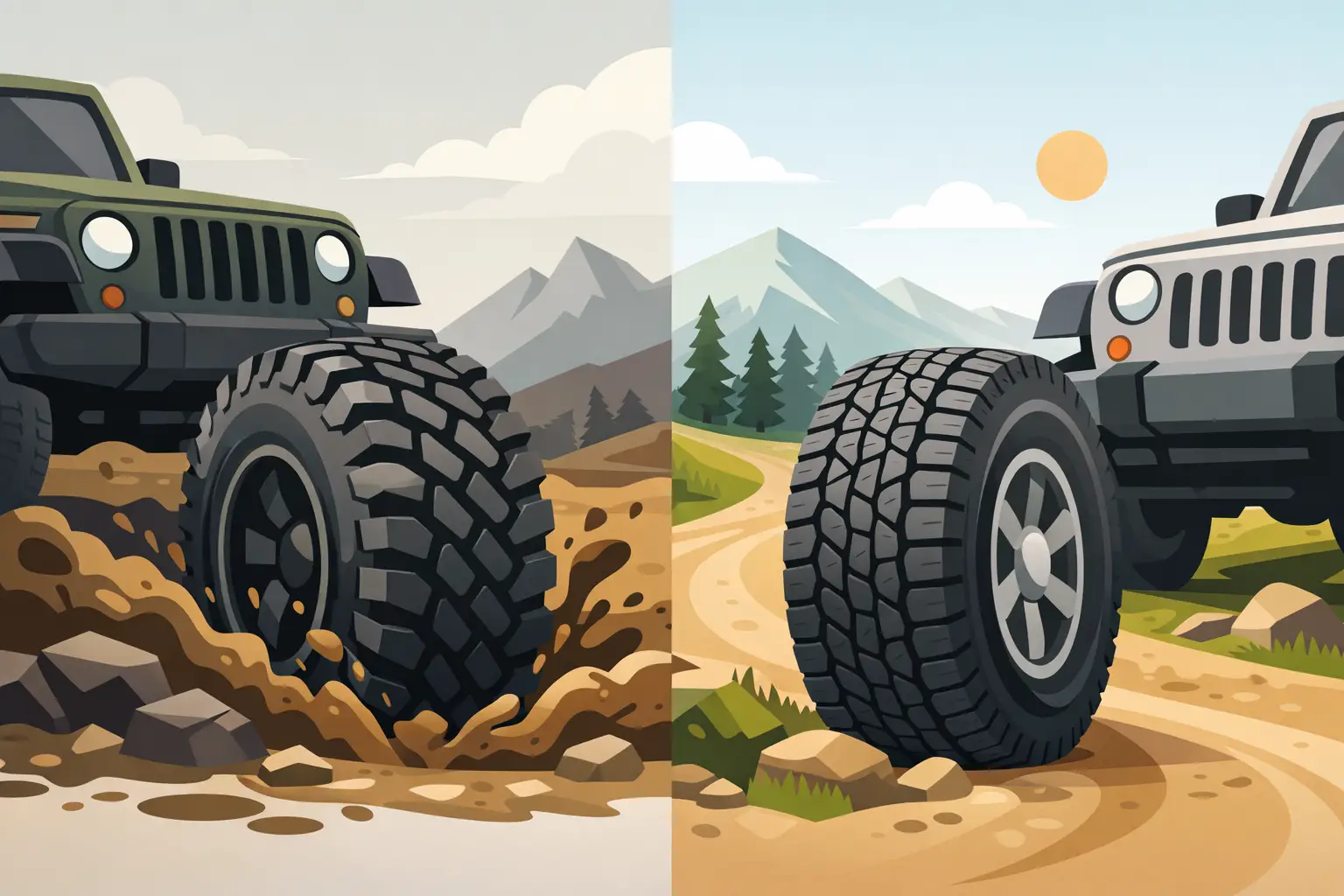
This is especially relevant after fitting new wheels or changing to all-terrain or mud-terrain tires. Larger, heavier tires can make steering feel different, and incorrect wheel offset can place extra load on steering and suspension parts. The tire setup needs to suit the vehicle and the way it is used, not simply fit under the guards.
Why Loose Steering Can Get Worse Quickly
Steering and suspension parts work as a system. A worn bushing may allow extra movement that accelerates wear in a ball joint. A loose tie rod can change tire toe, which quickly damages tire tread. Once tires wear unevenly, the vehicle may track poorly even after the original mechanical issue is repaired.
There is also a practical cost. Continuing to drive with a steering problem can turn a straightforward joint or bushing replacement into a larger job involving tires, alignment, and additional suspension components. For a tradie or delivery driver, that can mean avoidable downtime when the vehicle is needed for work.
What You Can Check Before Booking In
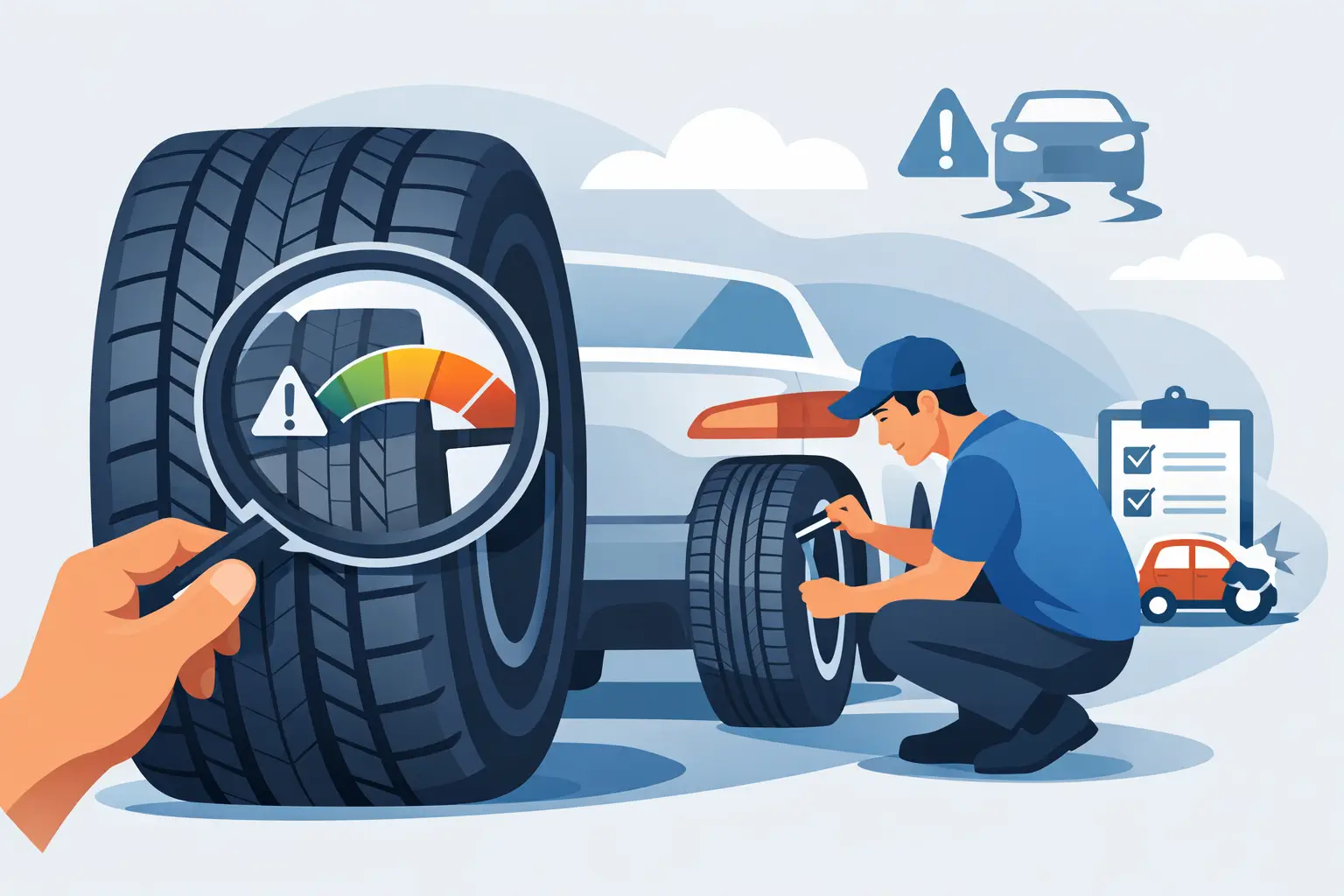
You do not need to dismantle anything to gather useful information. Check all four tire pressures and look for obvious damage, bulges, or uneven tread. With the vehicle parked, gently move the steering wheel left and right and notice how much it turns before the tires begin to react. Do not place hands near moving steering or suspension components while someone else turns the wheel.
Pay attention to when the symptom is worst. Is it mainly at highway speed, while braking, over bumps, after hitting a pothole, or when the vehicle is fully loaded? Make a note of warning lights, noises, fluid spots under the vehicle, and recent work such as tire replacement, suspension modifications, or curb impacts. That information helps a workshop diagnose the problem faster.
Avoid relying on a driveway test as a final answer. Many worn components only show play when the vehicle is lifted correctly and the suspension is loaded or moved in a particular direction. A professional inspection can identify the actual source rather than replacing parts based on a hunch.
When to Stop Driving and Arrange an Inspection
Book an inspection soon if the vehicle wanders, the steering wheel has noticeable play, you hear clunks while turning, or the front tires are wearing unevenly. If the steering suddenly becomes much looser, the vehicle changes direction under braking, a steering warning light appears, or you feel a sharp knock followed by poor control, it is safer not to continue driving.
For drivers around Kingswood and Penrith, Ryan Automotive and Tyres can inspect steering, suspension, tires, and wheel alignment in one visit. That matters because these systems overlap, and fixing only the most obvious symptom can leave the real problem behind.
A vehicle should feel settled, direct, and easy to keep in its lane. If yours needs constant correction or no longer responds cleanly to steering input, arrange a proper check before the next long drive, heavy load, or wet-weather commute.