Engine Diagnostics Warning Light Guide for Drivers
A warning light appearing on the dash during the school run, commute, or a loaded workday is never convenient. This engine diagnostics warning light guide helps you make the practical call: stop now, drive carefully to a workshop, or book a diagnostic check before a small fault becomes an expensive repair.
Dashboard lights are designed to get your attention, but they do not all mean the same thing. Light color, whether it stays on or flashes, changes in how the vehicle drives, and the warning message shown on the screen all matter. A scan tool can identify a stored fault code, but proper diagnostics also means finding the cause of that code before replacing parts.
What Warning Light Colors Usually Mean
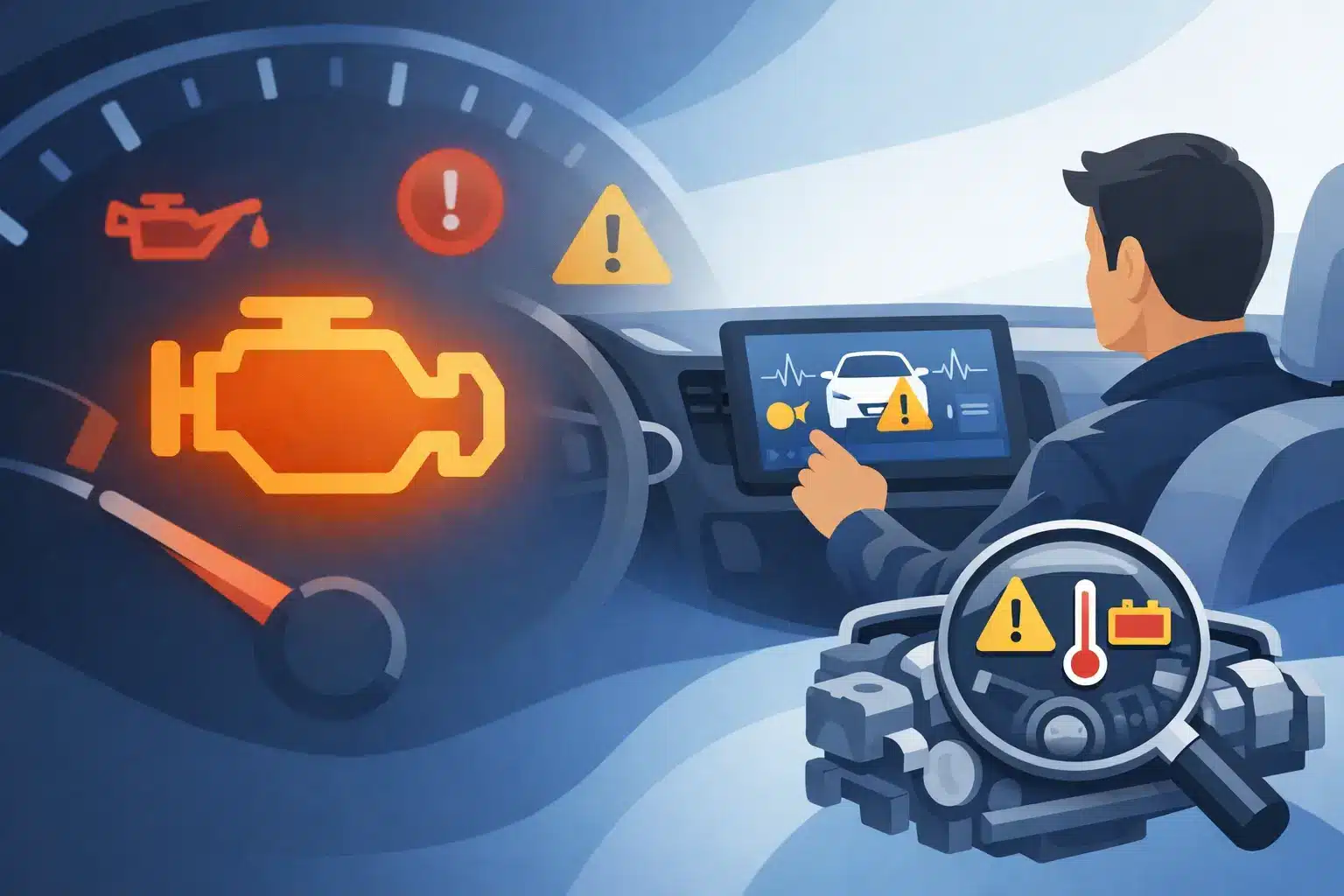
Most vehicles use a simple color system. Red warning lights usually mean stop as soon as it is safe. They can relate to oil pressure, overheating, braking, battery charging, or a serious safety system fault. Continuing to drive can cause major engine damage or leave you without reliable braking or steering assistance.
Amber or yellow lights generally mean the vehicle needs attention soon. The check engine light, ABS light, tire pressure warning, and service reminders often fall into this group. The car may still drive normally, but putting off the repair can affect fuel economy, emissions, reliability, or safety.
Green, blue, and white lights are commonly information lights. They may confirm that headlights, high beams, cruise control, or a drive mode is active. Check the owner’s manual if you are unsure, particularly if a new symbol appears after a service or tire change.
Color is a useful starting point, not a complete diagnosis. A red temperature warning deserves immediate action, but an amber check engine light paired with rough running or a strong fuel smell also needs prompt attention.
Engine Diagnostics Warning Light Guide: The Main Alerts
Check engine light
The check engine light can come on for many reasons, from a loose fuel cap to an ignition misfire, oxygen sensor issue, intake leak, fuel system fault, or catalytic converter problem. If the light is steady and the vehicle feels normal, check that the fuel cap is fitted correctly after refueling and arrange a diagnostic inspection soon.
A flashing check engine light is different. It commonly indicates an active misfire that can overheat and damage the catalytic converter. Reduce load, avoid towing or hard acceleration, and stop driving if the engine is shaking, lacking power, or producing unusual smells. Have the vehicle checked as soon as possible.
Do not rely on the light disappearing as proof that the problem is fixed. Many faults are intermittent, and the vehicle may store useful diagnostic information even after the dashboard light turns off.
Oil pressure warning
An oil can symbol or low oil pressure message is one of the warnings to treat seriously. Pull over safely and switch off the engine. Check the oil level once the vehicle is parked on level ground and has had time to settle, following the manufacturer’s instructions.
Low oil level is one possibility, but the warning can also be caused by a failed sensor, blocked pickup, oil pump issue, or internal engine problem. Adding oil without confirming the correct grade and level may not solve the fault. If the light stays on after checking the basics, do not continue driving.
Engine temperature warning
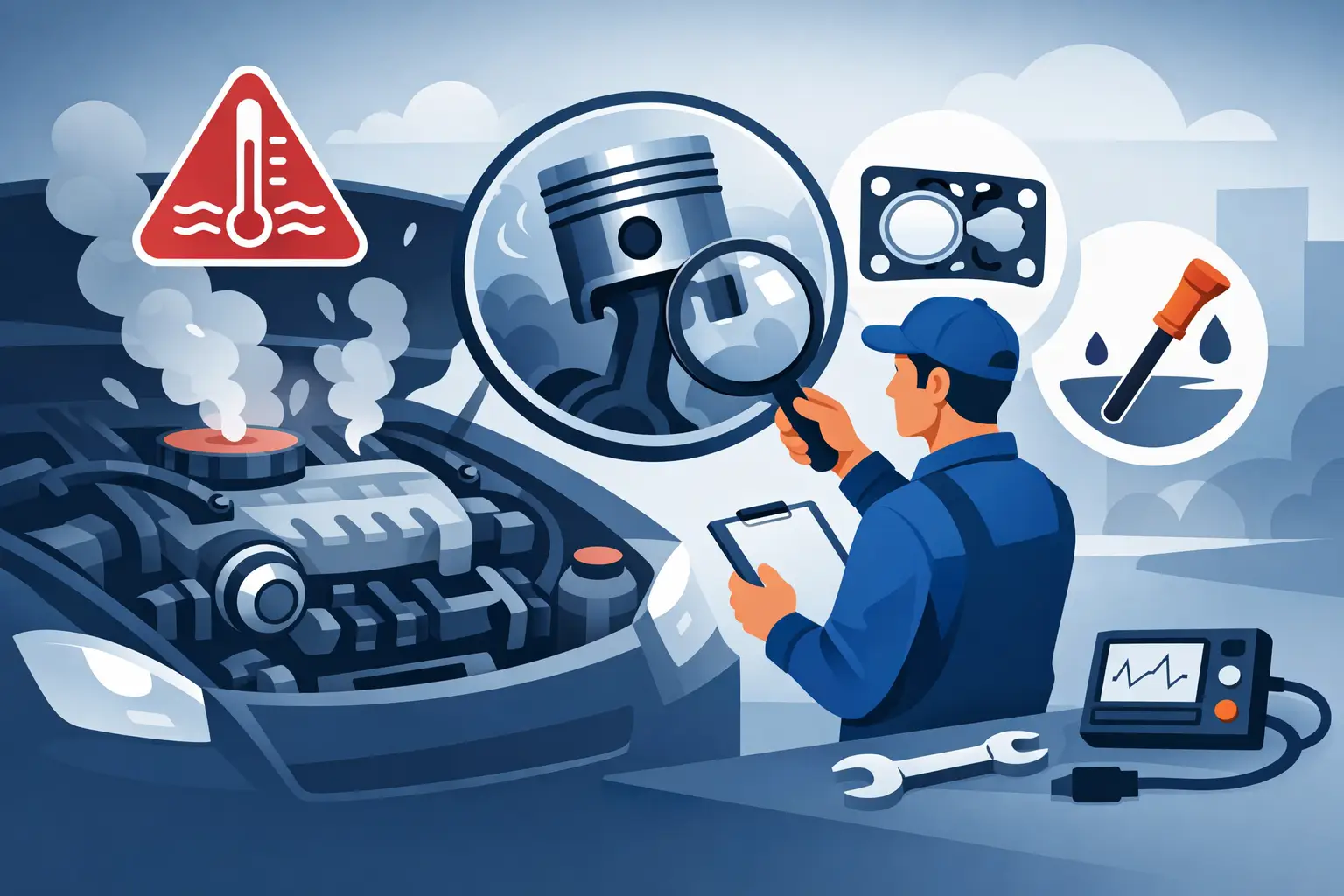
A temperature light or overheating message means the cooling system is not controlling engine heat properly. Stop safely, turn the engine off, and allow it to cool fully. Never open a hot radiator or coolant reservoir cap. Pressurized coolant can cause serious burns.
Overheating may be caused by low coolant, a leaking hose, radiator problem, thermostat failure, water pump issue, cooling fan fault, or a more serious engine problem. Repeatedly topping up coolant without finding a leak is not a repair. If the temperature gauge rises again after cooling down, arrange recovery rather than risking cylinder head damage.
Battery or charging warning
The battery light does not always mean the battery itself has failed. It usually means the charging system is not working as it should. The alternator, drive belt, wiring, battery terminals, or battery condition may be responsible.
Once this light comes on, the vehicle may be running only on stored battery power. Turn off non-essential electrical accessories, such as seat heaters or extra charging devices, and head directly to a workshop if the vehicle is operating normally. If lights dim, warning messages multiply, or the steering becomes heavy, pull over safely because the engine may soon stop.
Brake and ABS warnings
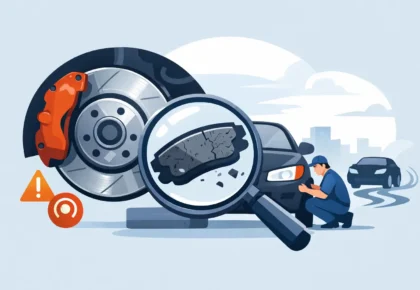
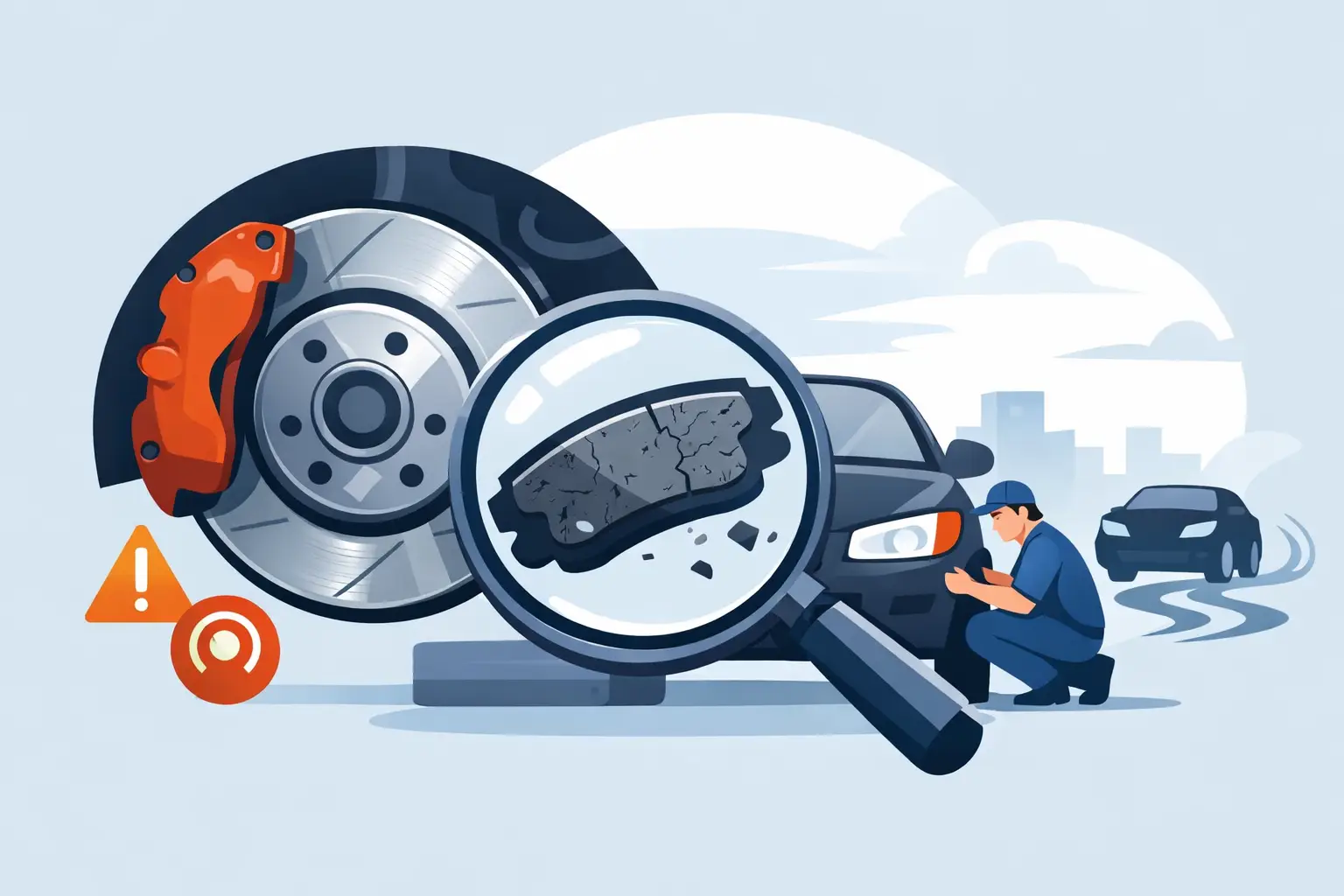
A red brake warning can indicate the parking brake is applied, low brake fluid, or a fault in the hydraulic braking system. Confirm the parking brake is fully released. If it remains on, feels different under braking, or is accompanied by a soft brake pedal, do not drive the vehicle.
An ABS light usually means normal braking may remain available, but the anti-lock function may not work in an emergency. The risk is higher in wet conditions, on loose surfaces, or when towing. A brake warning and ABS light together should be treated as urgent.
Tire pressure warning
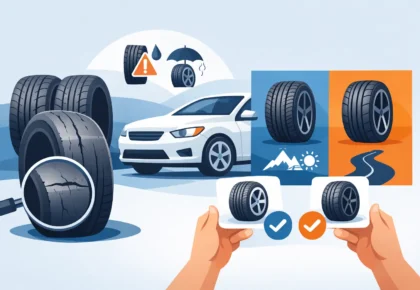
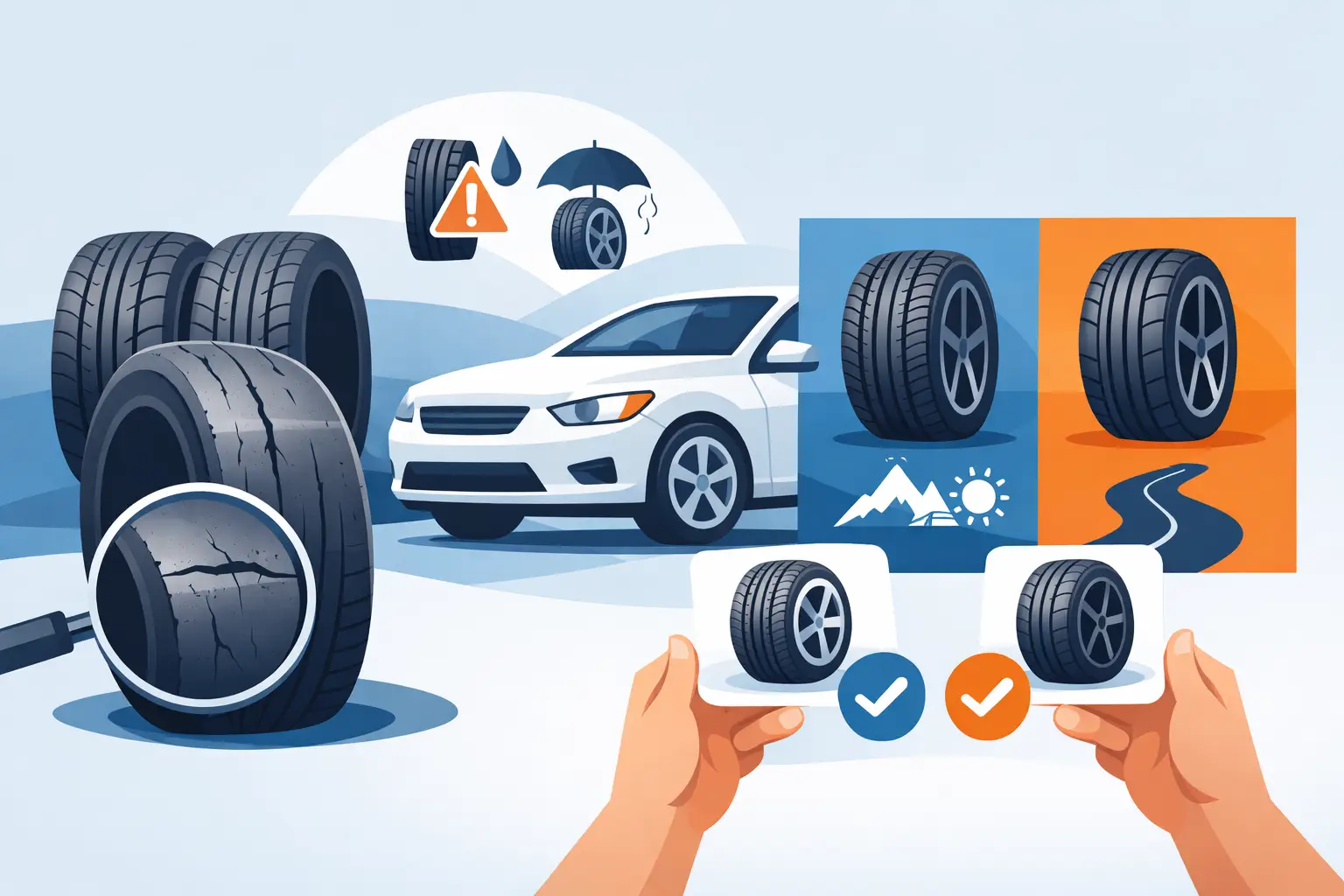
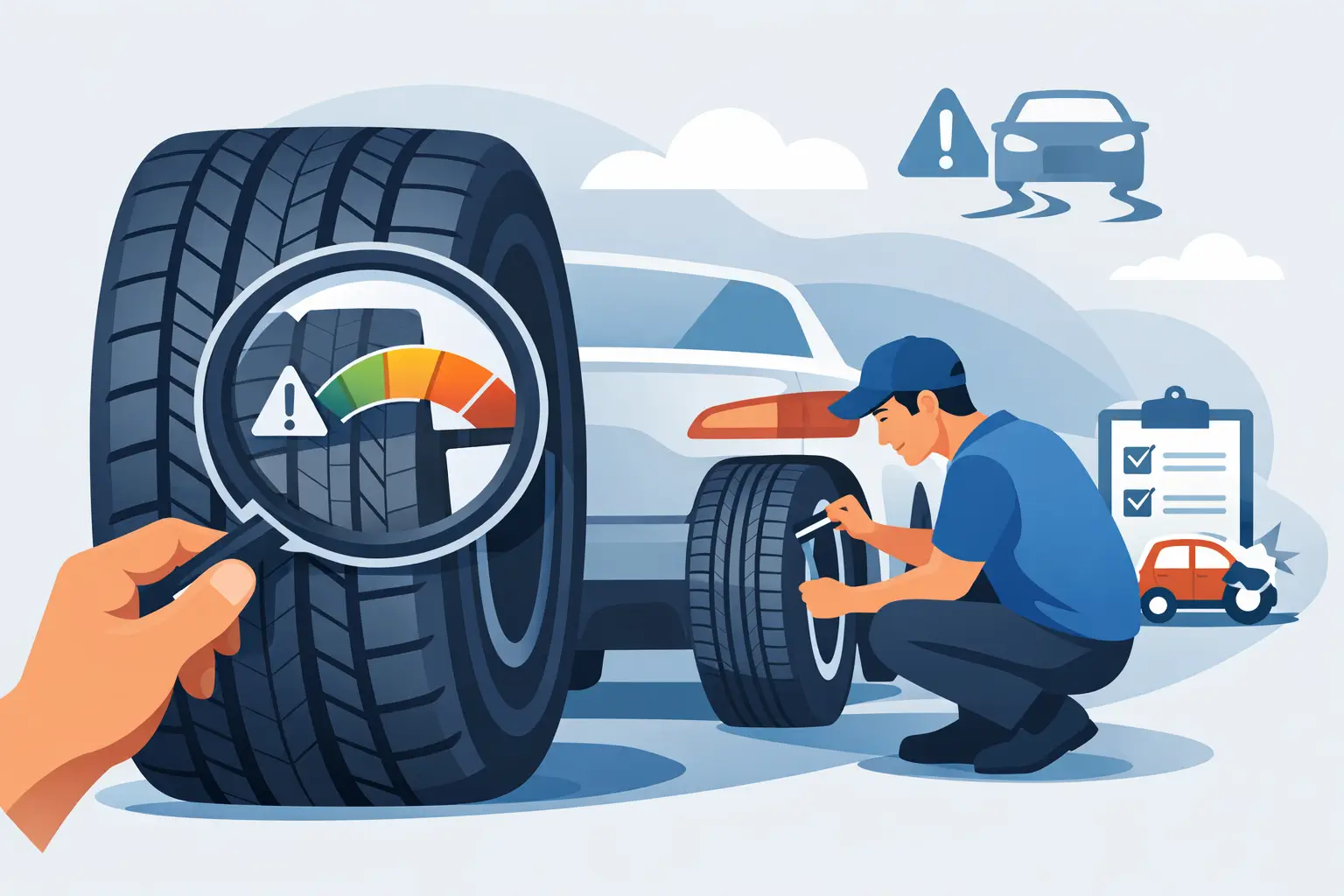
A tire pressure monitoring light may appear after a temperature change, a puncture, tire rotation, or fitting new tires and wheels. Check all tire pressures when the tires are cold and set them to the vehicle placard specification, not the maximum pressure printed on the tire sidewall.
If one tire is visibly low, keeps losing pressure, or the vehicle pulls to one side, inspect it promptly. Driving on an underinflated tire can damage the tire internally even if it can be reinflated. A tire inspection is the safe call before returning to highway speeds, carrying family passengers, or loading up a work vehicle.
What to Do Before You Keep Driving
Start by paying attention to what changed. Is the engine running rough? Is there smoke, a burning smell, a puddle under the vehicle, reduced power, vibration, or a new noise? These details help narrow down the fault and can determine whether driving is safe.
If the warning is red, flashing, or paired with a major change in vehicle behavior, stop in a safe place. Do not keep restarting the vehicle in the hope that the light clears. Repeated starts can worsen some faults, especially overheating and low oil pressure problems.
For a steady amber light with no obvious drivability issue, avoid heavy loads, towing, long trips, and hard acceleration until it is inspected. Write down the warning message, note when it appeared, and take a photo of the dashboard if possible. That information can save time during diagnosis.
Why a Code Scan Is Only the First Step
Modern vehicles store diagnostic trouble codes when a sensor reading falls outside an expected range. These codes point a technician toward a system, but they do not always identify the failed part. For example, a code related to an oxygen sensor can be caused by the sensor itself, damaged wiring, an exhaust leak, or an engine running too rich or too lean.
Replacing parts based on a code alone is how drivers end up spending money without fixing the issue. A proper diagnostic process may include scanning live data, checking battery voltage, inspecting wiring and connectors, testing for vacuum or exhaust leaks, and confirming the repair with a road test.
This matters for everyday cars as much as it does for trucks, trailers, and 4WDs. Vehicles used for towing, stop-start work, off-road driving, or regular short trips can develop faults that only show under load or at certain temperatures. The right test is often more valuable than the first fault code.
When to Book a Diagnostic Inspection
Book an inspection promptly if a check engine light returns, fuel use increases noticeably, the engine hesitates, or the vehicle fails to start consistently. The same applies if you need a roadworthiness or registration inspection and a warning light is present. Some dashboard warnings can affect whether a vehicle passes inspection requirements.
At Ryan Automotive and Tyres, diagnostics can be combined with mechanical repairs, battery testing, tire checks, and servicing when needed. That one-stop approach is useful when the warning light may be connected to a basic maintenance issue, such as a weak battery, worn spark plugs, damaged tire, or overdue service item.
A dashboard warning is your vehicle asking for attention before it chooses the timing for you. Acting early usually gives you more repair options, less downtime, and a better chance of getting back on the road safely.