Ceramic Versus Metallic Brake Pads Compared
Brake pads are not a one-size-fits-all part. The right choice depends on how you drive, what you drive, and what you expect from your brakes every day. When comparing ceramic versus metallic brake pads, most drivers are weighing quiet operation and clean wheels against stronger performance under heavy loads.
For a family SUV used for school runs and highway commuting, the best pad may be very different from the best pad for a work truck, trailer tow vehicle, or 4WD. Price matters, but brake feel, rotor wear, noise, and heat control matter just as much. Here is what separates ceramic and metallic pads and how to choose a setup that suits your vehicle.
What Ceramic Brake Pads Are Made For
Ceramic brake pads use dense ceramic fibers, bonding materials, and small amounts of metal. They are designed primarily for smooth, quiet, consistent braking in normal daily driving conditions.
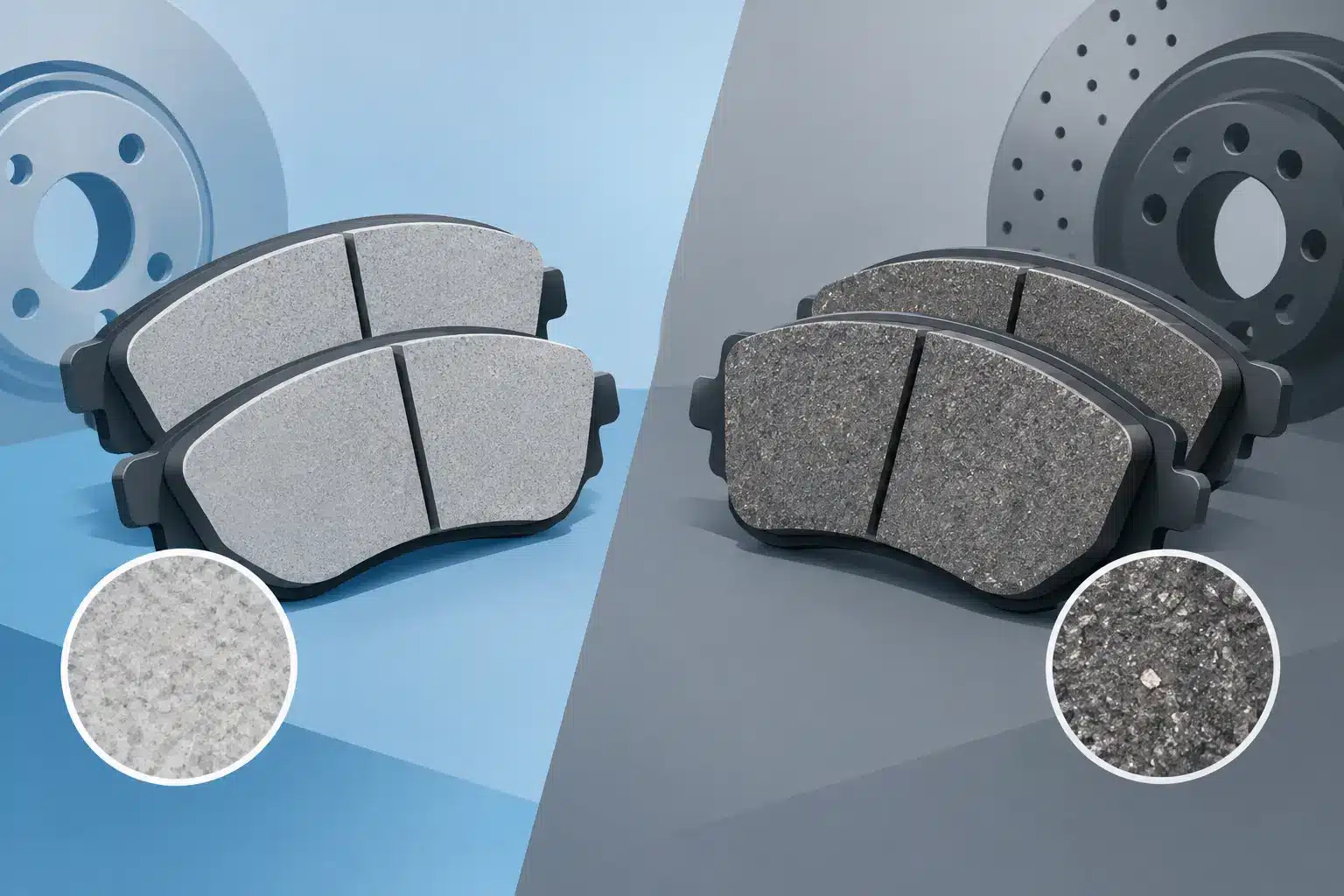
A major reason commuters choose ceramic pads is noise reduction. Quality ceramic pads usually produce less squealing than metallic options, particularly once they are correctly installed and bedded in. They also create lighter-colored brake dust that is less noticeable on alloy wheels. For drivers who clean their wheels regularly, that can be a worthwhile benefit.
Ceramic pads tend to deliver a progressive pedal feel. Rather than biting sharply at the first touch of the brake pedal, they generally provide controlled stopping power that feels predictable in city traffic and on the highway. This suits many sedans, hatchbacks, crossovers, and family SUVs.
They can also be easier on brake rotors in typical road use. That does not mean ceramic pads never wear rotors, because every brake pad and rotor combination creates friction and heat. However, a good ceramic pad matched to a quality rotor can offer long service life for everyday drivers.
Where Ceramic Pads Make Sense
Ceramic pads are often a practical choice when your vehicle is mainly used for commuting, errands, freeway driving, and carrying normal passenger loads. They are especially appealing if brake noise and dark wheel dust are ongoing frustrations.
They can cost more upfront than basic semi-metallic pads, but the extra cost may be justified by quieter operation, cleaner wheels, and dependable everyday performance. The key point is that ceramic does not automatically mean better for every vehicle or every job.
What Metallic Brake Pads Are Made For
Metallic brake pads, often called semi-metallic pads, contain a higher percentage of metal fibers or particles. Common materials can include steel, iron, copper, or other alloys combined with friction materials and binding agents. This construction helps the pad manage high heat and deliver firm braking under demanding conditions.
For work vehicles, heavier SUVs, performance cars, and vehicles that tow, this heat tolerance can be a real advantage. Braking generates a lot of heat, especially when descending hills with a trailer, carrying tools and equipment, or stopping frequently in traffic. A metallic pad is generally better equipped to maintain strong braking performance when temperatures rise.
Many drivers notice that metallic pads have a more immediate initial bite. That can inspire confidence in vehicles that regularly carry weight or work harder than a normal commuter car. They also tend to perform well across a wide range of temperatures, including colder starts.
The trade-off is that metallic pads can be noisier. They may also produce more dark brake dust, and some combinations can wear brake rotors more quickly than ceramic pads. These are not deal-breakers for a truck or tow vehicle, but they are worth considering if quiet operation and clean wheels are high on your list.
Ceramic Versus Metallic Brake Pads for Daily Driving
For most daily-driven passenger vehicles, ceramic pads are often the comfortable choice. They are quiet, smooth, and low-dust, which makes them well suited to stop-and-go driving and regular highway use. If your car spends most of its time carrying people, groceries, and the occasional weekend load, ceramic pads will usually provide more than enough braking performance.
That said, the vehicle manufacturer’s brake system design still matters. Some vehicles were engineered around semi-metallic pads, and fitting ceramic pads simply because they sound more premium may change pedal feel or performance. A quality pad that matches the vehicle’s specifications is more important than choosing a material based on marketing alone.
For drivers who prefer a firmer response from the brake pedal or regularly drive in steep, demanding conditions, semi-metallic pads may still be the better fit. There is no benefit in choosing a quieter pad if it does not suit the vehicle’s workload.
Towing, Work Vehicles, and Heavy Loads
If you tow a trailer, carry trade equipment, run a loaded ute, or use a light truck for work, metallic brake pads are often the stronger option. Extra weight increases stopping distances and puts more heat into the brakes. On long downhill runs, heat buildup can lead to brake fade, where the brakes lose effectiveness as components become excessively hot.
Semi-metallic pads are not immune to fade, and they cannot compensate for overloaded vehicles, worn rotors, old brake fluid, or poor driving technique. But they can offer better resistance to high-temperature braking than many standard ceramic compounds.
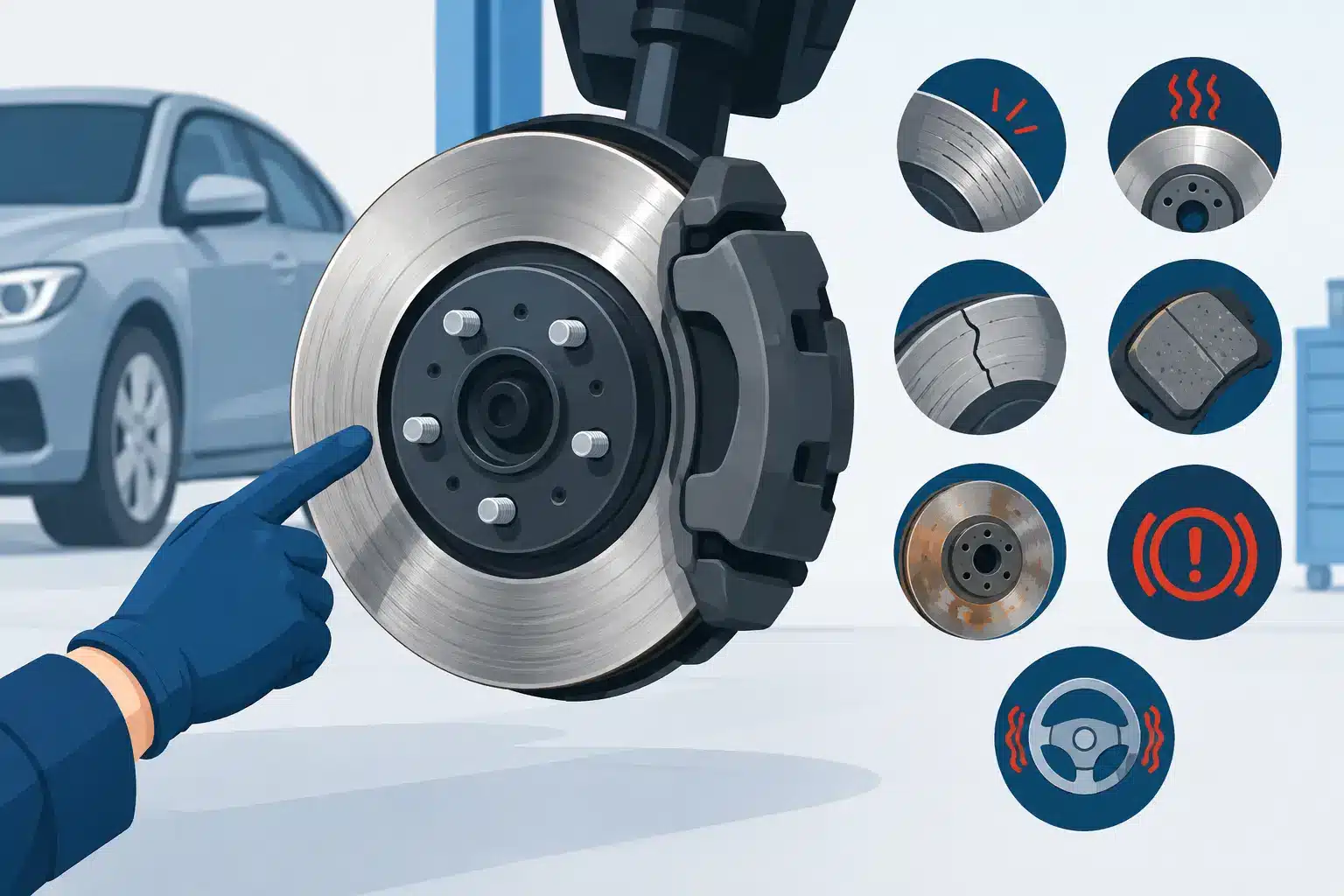
A good workshop will look beyond the pads themselves. Rotors need to be measured for thickness and checked for heat spots, grooves, cracks, or runout. Brake fluid condition, caliper movement, hoses, and brake hardware also affect how safely the vehicle stops. Fitting new pads to damaged rotors can lead to noise, vibration, uneven wear, and disappointing braking performance.
Noise, Dust, Rotor Wear, and Cost
The practical differences between ceramic and metallic pads become clearer when you look at the ownership experience.
Ceramic pads are usually quieter and create less visible dust. They are often preferred by drivers with alloy wheels and late-model daily drivers where comfort is a priority. Their higher purchase price can be worthwhile, especially when the vehicle does not face constant heavy braking.
Metallic pads typically offer stronger heat handling and sharper response, but they can make more noise and leave darker dust on wheels. Depending on the pad compound and rotor material, they may also be more abrasive to rotors. For a vehicle that tows or works hard, these compromises are often acceptable because braking confidence under load matters more than having spotless wheels.
Cheap brake pads are rarely the bargain they first appear to be. Low-quality friction materials can wear quickly, squeal, create excess dust, or provide inconsistent braking. The same applies to low-grade rotors. Brakes are a safety system, so it pays to use parts that suit the vehicle and the way it is actually used.
Brake Pad Material Is Only Part of the Job
New pads need a stable, clean surface to work against. In some cases, rotors can be machined if they remain above the manufacturer’s minimum thickness and are otherwise in good condition. In other cases, replacing the rotors is the safer and more economical option.
Proper installation also matters. Caliper slides must move freely, pad contact points need correct lubrication, and worn clips or shims should be replaced. If a caliper is sticking, it can overheat one pad, pull the vehicle to one side, and ruin new components quickly.
After brake work, pads and rotors should be bedded in according to the parts manufacturer’s process. This controlled series of stops transfers an even layer of pad material onto the rotor surface. Skipping this step can contribute to brake judder, glazing, noise, and uneven braking.
How to Choose the Right Brake Pads
Start with your vehicle’s real workload, not just its make and model. Ceramic pads are often the best match for normal passenger vehicles, quiet commuting, and drivers who want less wheel dust. Metallic pads are usually better for heavier vehicles, towing, hills, commercial use, and drivers who need more heat resistance.
If you are unsure, explain how you use the vehicle before approving brake repairs. Mention whether you tow, carry heavy loads, drive in mountain areas, use oversized tires, or notice squealing, vibration, pulling, or a soft pedal. Those details help a technician recommend pads, rotors, and brake components that fit the job rather than simply fitting the cheapest available option.
At Ryan Automotive and Tyres, a brake inspection can identify whether the issue is worn pads alone or a larger concern involving rotors, calipers, fluid, or hardware. When your brakes start making noise, vibrating, or feeling different, book the inspection early. A small brake issue is usually easier and more affordable to fix before it turns into damaged rotors or reduced stopping performance.