How to Prepare a Blue Slip Inspection in NSW
A blue slip can feel stressful when you need to get an unregistered vehicle back on the road, especially if it has been sitting for months or has just come from interstate. The good news is that knowing how to prepare a blue slip comes down to two things: bringing the right paperwork and making sure the vehicle is safe, identifiable, and roadworthy before the inspection.
In New South Wales, a blue slip is an Authorised Unregistered Vehicle Inspection Scheme check. It is more detailed than a standard annual safety inspection because the inspector needs to confirm the vehicle’s identity as well as its condition. If faults are found, they need to be repaired before the vehicle can pass. Preparing early can save you a return visit, avoid registration delays, and get you back behind the wheel sooner.
When Do You Need a Blue Slip?
A blue slip is generally required when a vehicle needs to be registered in NSW but is not currently registered. Common situations include registering a vehicle that has been unregistered for more than three months, bringing a vehicle into NSW from another state or territory, registering an imported vehicle, or registering a vehicle that has been written off and approved for return to the road.
The exact requirements can depend on the vehicle’s history and registration status. A trailer, motorcycle, work ute, family SUV, or 4WD may all need different supporting documents. If you are unsure, check your registration paperwork before booking so you know what applies to your situation.
Start With the Vehicle’s Identity
The first part of a blue slip inspection is not just about brakes and tires. The inspector must be able to identify the vehicle and match its details to the paperwork. That means the VIN or chassis number, engine number where applicable, make, model, and other identifying information must be readable and consistent.
Before your appointment, locate the VIN plate or stamped VIN. On many vehicles it is visible through the lower windshield on the driver’s side, although it may also be found on the door frame, firewall, chassis, or other manufacturer-specified location. Clean the area gently if it is covered in dirt, grease, or dust. Do not sand, alter, repaint, or try to restamp any identifying numbers yourself. If a VIN is damaged, unreadable, or appears altered, get professional advice before proceeding.
Bring every document you have relating to the vehicle. This may include proof of ownership, previous registration papers, interstate registration documents, import approval documents, engineering certificates for approved modifications, and any paperwork relating to a repaired write-off. More paperwork is better than arriving with a missing piece that holds the inspection up.
Check the Basics Before You Book
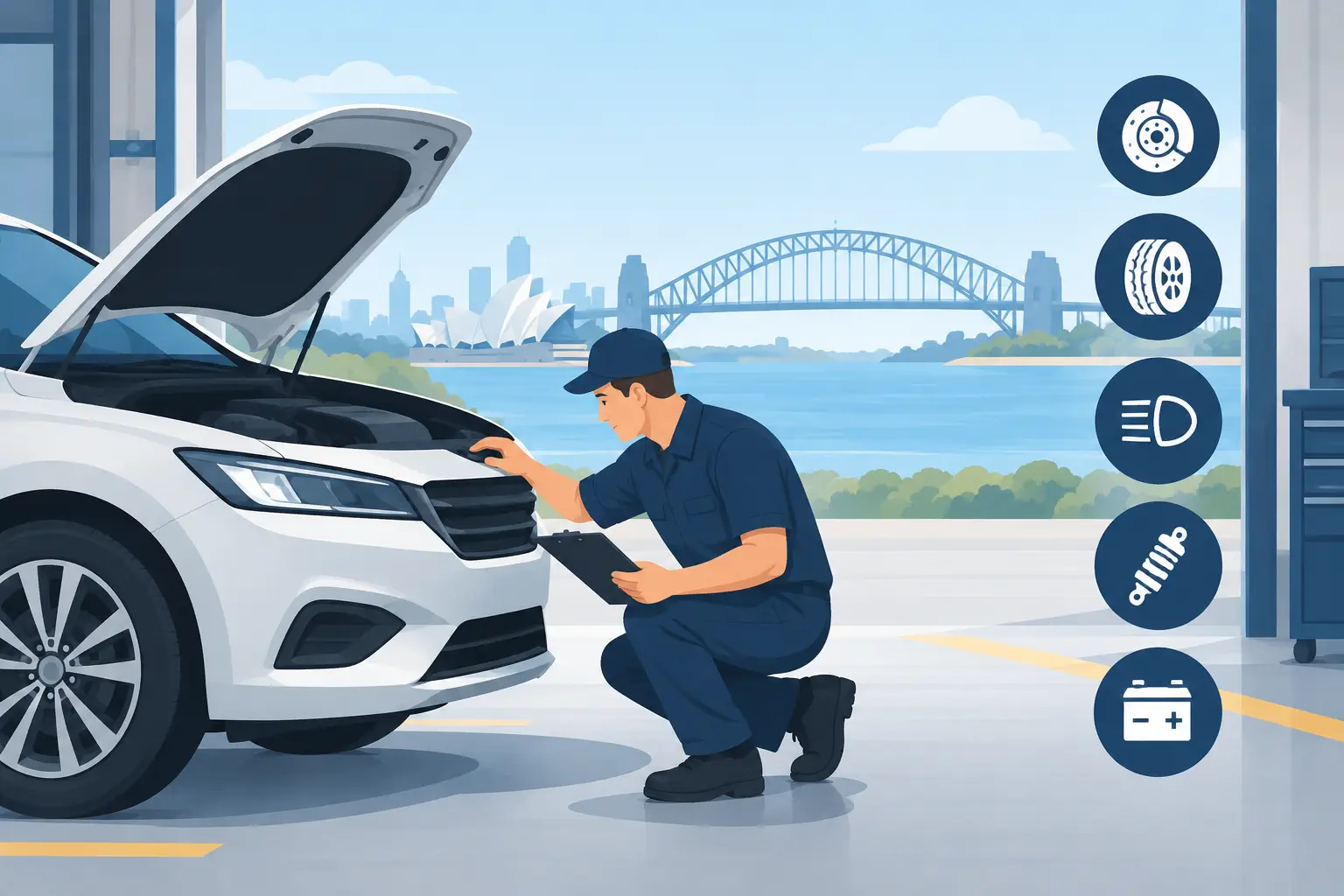
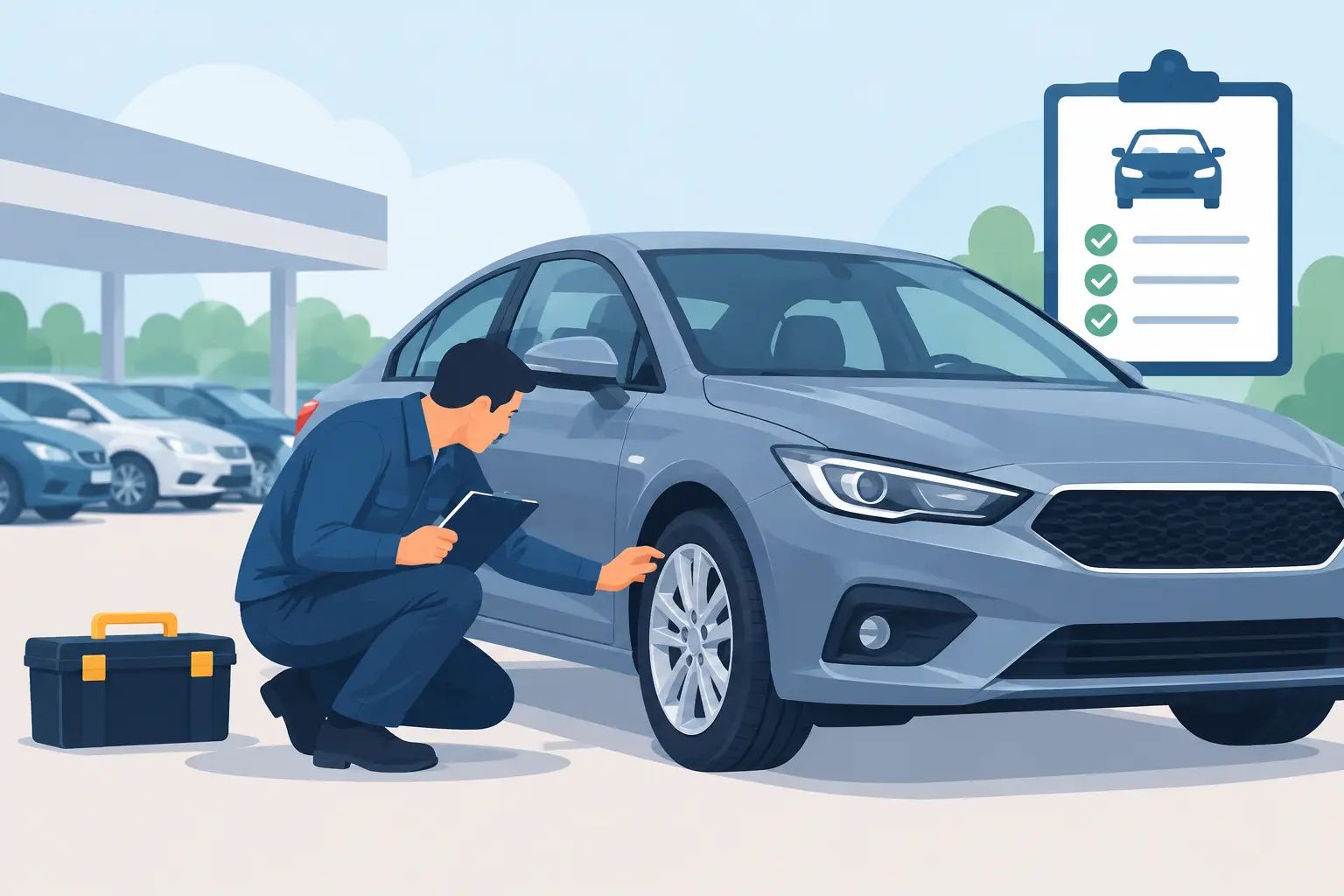
A vehicle does not need to look brand new to pass, but it does need to be safe for the road. Walk around the vehicle in daylight and look for obvious problems first. Turn on all exterior lights, press the brake pedal while someone checks the brake lights, operate the indicators and hazard lights, and test the horn, wipers, washers, and demister.
Pay attention to warning lights on the dashboard. A check-engine, ABS, airbag, brake, or traction-control warning light can point to a fault that needs diagnosis. Ignoring a warning light because the vehicle still drives normally is a false economy. It may lead to a failed inspection and can indicate a real safety issue.
Check for fluid leaks under the vehicle after it has been parked. A few old marks on a driveway do not always mean there is an active leak, but fresh oil, fuel, coolant, brake fluid, or transmission fluid should be investigated. Fuel and brake fluid leaks deserve immediate attention.
For vehicles that have been off the road for a while, do not assume a quick battery charge is enough. Old fuel, seized brake components, perished hoses, cracked belts, flat-spotted tires, and rodents chewing wiring can all cause trouble after long-term storage. A pre-inspection service is often worthwhile for a vehicle that has not been driven regularly.
Tires, Wheels, and Suspension Matter
Tires are one of the most common areas where a vehicle can be held up. Check all tires, including the spare if it is required for your vehicle type. They should have legal tread depth, no exposed cords, no major cuts or bulges, and no severe cracking from age. Make sure the tire sizes and load ratings are suitable for the vehicle.
Wheel nuts need to be present and secure, and wheels must not be cracked or damaged. If you have fitted aftermarket wheels, larger tires, a lift kit, mud tires, or other 4WD modifications, make sure the setup is legal and properly engineered where required. A modification may look tough and work well off-road, but it can still create registration issues if it affects track width, ride height, tire clearance, steering, or braking performance.
Listen for clunks when turning or driving over bumps. Excessive play in steering and suspension components, worn shocks, damaged ball joints, and loose bushes can affect safety and handling. Tradies and trailer owners should also inspect tow bars, hitch points, trailer plugs, and safety-chain attachments for visible damage or poor installation.
Do Not Leave Brake Problems Until the Last Minute
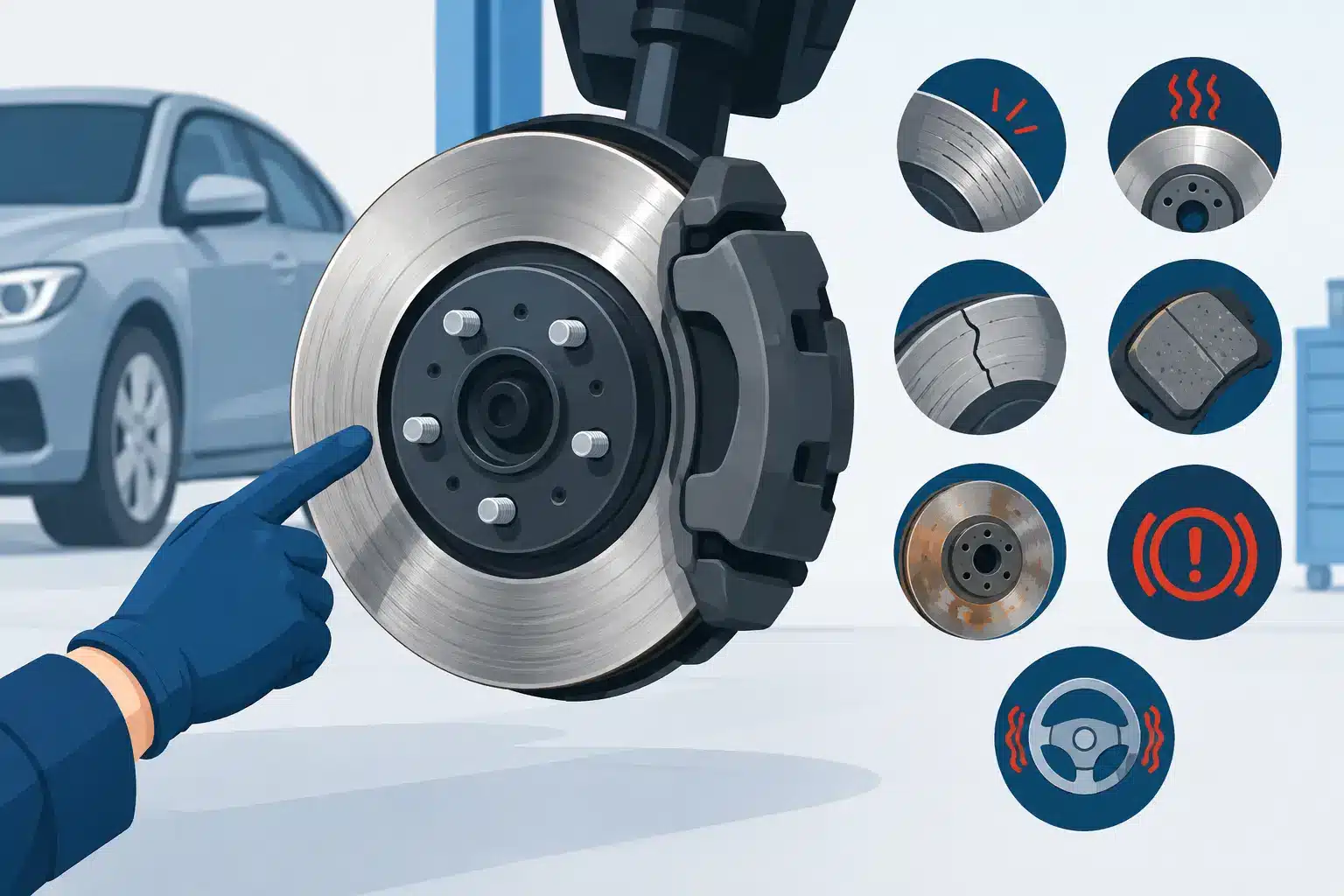
Your brakes must operate properly, with a firm pedal and no pulling, grinding, shuddering, or warning lights. If the vehicle pulls sharply under braking, the handbrake barely holds, or you hear metal-on-metal noise, arrange repairs before the inspection.
Brake issues are not always obvious from a driveway check. Worn pads, warped rotors, leaking calipers, and damaged brake hoses may need a workshop inspection to identify properly. This is especially true for vehicles that tow, carry tools or equipment, or have been parked for an extended period.
The same practical approach applies to steering. If the wheel is off-center, the vehicle wanders, or the tires show uneven wear, a wheel alignment and suspension check can prevent both a failed inspection and premature tire replacement.
Prepare the Interior and Exterior
You do not need to detail the vehicle, but it should be presentable enough for an inspector to access what they need to see. Remove rubbish from the cabin and cargo area, clear personal items away from seat belts, and make sure doors, windows, seats, mirrors, and latches work correctly.
Seat belts should retract, latch securely, and show no serious fraying or damage. Windscreens must provide a safe, clear view for the driver. Small chips may not always be an issue, but cracks in the driver’s line of sight, badly damaged glass, or worn wiper blades can be a problem.
Check that number plate mounting points are secure if plates are fitted, and make sure no sharp edges, loose bumpers, unsecured body panels, or damaged lights are waiting to cause a failure. For a ute or work vehicle, secure any tray accessories, ladder racks, toolboxes, and loads. Loose gear is not just inconvenient – it can be dangerous.
Book a Pre-Inspection Check If You Are Unsure
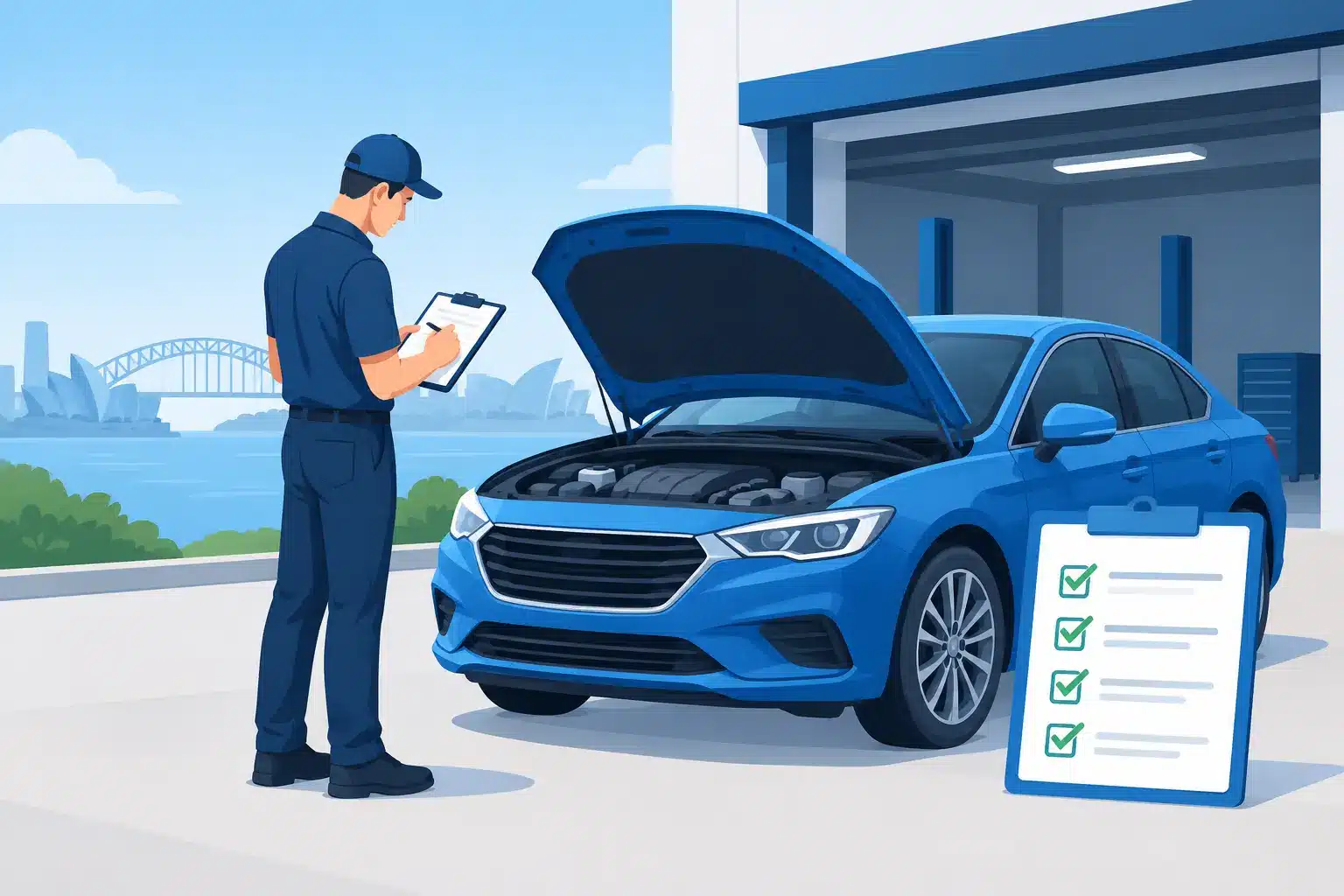
The most cost-effective way to prepare for a blue slip is often to have a qualified mechanic look over the vehicle before the formal inspection. This is particularly useful for older cars, vehicles bought privately, interstate purchases, modified 4WDs, and vehicles returning to the road after a long break.
A workshop can identify faults you may not see, such as brake wear, suspension movement, fluid leaks, tire problems, battery weakness, and diagnostic trouble codes. You can then choose to repair the issues before the blue slip appointment rather than finding out on the day that the vehicle needs more work.
At Ryan Automotive and Tyres, drivers around Kingswood and Penrith can arrange practical vehicle checks, repairs, tires, wheel alignment, diagnostics, and blue slip inspections in one place. That is useful when a failed light, worn tire, weak battery, or brake fault needs attention without running between multiple providers.
What to Bring to the Appointment
Arrive with the vehicle, your identification, and all available ownership and registration documents. If the vehicle has special circumstances, bring the relevant supporting paperwork too, including import documents, approved engineering paperwork, or repair records.
Do not wait until the appointment to search for missing documents. A safe vehicle can still face delays if its identity or ownership details cannot be verified. If you have questions about a specific document, ask before your booking rather than guessing.
A blue slip is not something to rush through with crossed fingers. Give the vehicle a proper once-over, fix genuine faults, gather your paperwork, and book with an authorized inspection station that can also help with repairs if needed. A little preparation is the fastest way to turn an unregistered vehicle into a dependable vehicle ready for the road again.