How a Worn Timing Chain Can Affect Your Car’s Engine Performance
A car engine depends on several components working together to deliver smooth and reliable performance. One important component is the timing chain. Although it is not something most drivers think about regularly, the timing chain plays a major role in keeping the engine running correctly.
A worn or stretched timing chain can affect engine performance in several ways. If the problem is ignored, it may lead to serious engine damage and expensive repairs. Understanding the warning signs can help you identify timing chain problems early and arrange professional servicing when needed.
What Is a Timing Chain and How Does It Work?
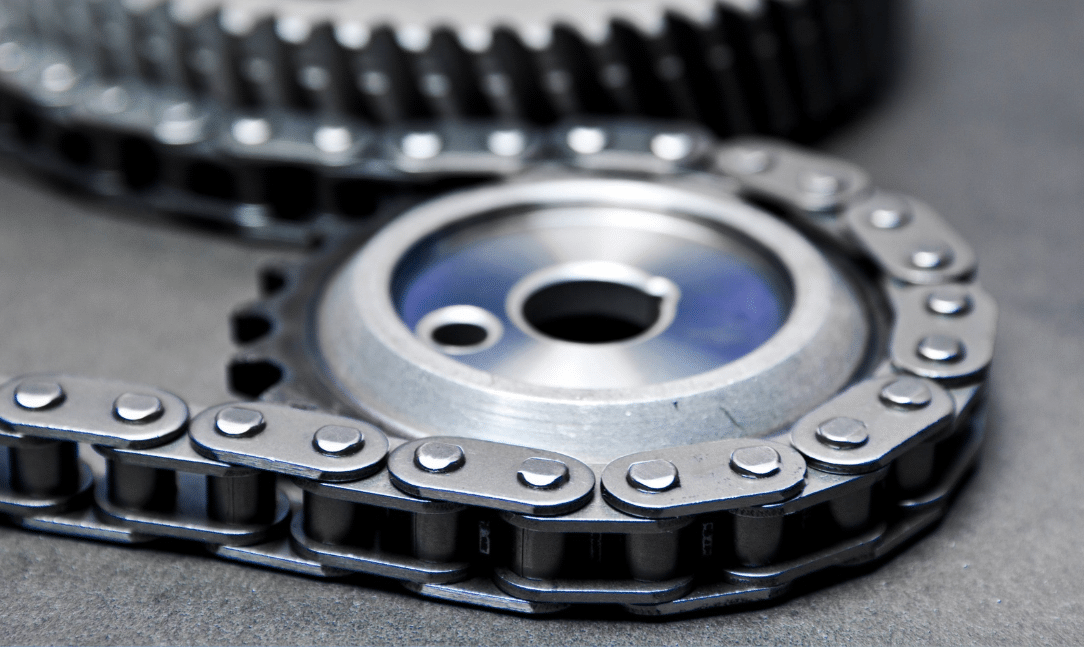
A timing chain is a metal chain inside the engine that connects the crankshaft and camshaft. Its main purpose is to keep the engine valves opening and closing at the correct time in relation to the movement of the pistons.
This timing is essential for proper combustion and smooth engine operation. When the timing chain works correctly, the engine can deliver consistent power, better fuel efficiency and reliable performance.
Over time, however, the chain can stretch, wear out or develop other problems. When this happens, the engine’s timing may become inaccurate.
How a Worn Timing Chain Affects Engine Performance
A damaged timing chain can create several performance issues. Some problems may develop gradually, while others can appear suddenly.
1. Reduced Engine Power
One of the common effects of a worn timing chain is reduced engine power. When the chain stretches, the timing between the crankshaft and camshaft may become incorrect.
As a result, the engine valves may not open and close at the right moments. This can affect combustion and reduce the power available when accelerating.
You may notice that your vehicle feels slower than usual, particularly when climbing hills or accelerating at higher speeds.
2. Rough Idling and Engine Vibration
A healthy engine should run smoothly when the vehicle is stationary. However, incorrect engine timing can affect combustion and cause uneven engine operation.
You might experience:
- Unusual engine vibrations.
- Rough idling when stopped.
- Fluctuating engine speed.
- An engine that feels less stable than usual.
These symptoms can also be caused by ignition, fuel or air intake problems, so a proper inspection is important.
3. Increased Fuel Consumption
A worn timing chain can affect how efficiently the engine burns fuel. When the valve timing becomes inaccurate, the combustion process may not work as effectively as it should.
This can cause the engine to use more fuel to produce the same level of performance.
If you notice that your vehicle requires more frequent refuelling without any major changes in your driving habits, it may be worth checking the engine for underlying problems.
4. Difficulty Starting the Engine
Incorrect valve timing can make it difficult for the engine to start. A stretched timing chain may prevent the engine components from maintaining their correct timing positions.
You may notice longer cranking times, repeated starting attempts or difficulty starting the vehicle, especially when the engine is cold.
If the timing chain has jumped a tooth or suffered significant damage, the engine may fail to start altogether.
5. Unusual Rattling Noise from the Engine
A rattling or metallic noise coming from the engine can be an early warning sign of timing chain trouble.
The noise may be more noticeable during a cold start or while the engine is idling. It can happen when the chain becomes loose or when the timing chain tensioner or guides are worn.
Ignoring these sounds can allow the problem to become worse. An experienced mechanic can inspect the timing chain system and identify the source of the noise.
6. Check Engine Light Appears
Modern vehicles use engine sensors to monitor the relationship between crankshaft and camshaft positions.
If the engine control unit detects incorrect timing, it may activate the check engine light. Diagnostic trouble codes related to camshaft or crankshaft timing can indicate a possible timing chain issue.
However, the warning light does not automatically mean the timing chain needs replacement. Professional diagnostics are required to identify the actual cause.
What Causes a Timing Chain to Wear Out?
Timing chains are designed to last a long time, but they are not completely maintenance-free. Several factors can contribute to premature wear.
Poor engine oil maintenance: Engine oil helps lubricate the timing chain and its related components. Delayed oil changes or using unsuitable oil can increase friction and accelerate wear.
High engine mileage: As a vehicle accumulates kilometres, the timing chain, guides and tensioners naturally experience wear.
Faulty chain tensioner: The tensioner maintains the correct chain tension. If it stops working properly, the chain may become loose and create rattling noises.
Worn timing chain guides: Guides help the chain move smoothly along its intended path. Damaged guides can affect chain movement and increase wear.
Incorrect maintenance: Using unsuitable replacement components or following incorrect installation procedures can lead to timing chain problems.
What Happens If You Ignore a Worn Timing Chain?
Continuing to drive with a damaged timing chain can put your engine at risk.
If the chain stretches further or jumps out of position, the engine’s valve timing can become seriously incorrect. In some engines, this can cause the pistons and valves to collide, resulting in bent valves, damaged pistons and major internal engine damage.
A completely broken timing chain can also cause the engine to stop suddenly.
The cost of repairing extensive engine damage can be significantly higher than addressing a timing chain problem early. That is why unusual engine noises, reduced performance and starting difficulties should not be ignored.
When Should You Consider Timing Chain Replacement?
There is no single replacement interval that applies to every vehicle. Some manufacturers design timing chains to last for the life of the engine under suitable maintenance conditions.
However, replacement may be necessary when:
- The timing chain is stretched beyond the manufacturer’s limits.
- The chain produces persistent rattling noises.
- Diagnostic tests indicate timing-related problems.
- The chain guides or tensioner are damaged.
- A mechanic identifies excessive wear during inspection.
A professional mechanic can check the condition of the timing chain system and recommend whether adjustment, component replacement or a complete timing chain replacement is required.
Why Professional Timing Chain Inspection Matters
Timing chain problems require careful diagnosis because several engine issues can produce similar symptoms. Replacing the chain without identifying the underlying cause may not solve the problem.
A professional inspection can help assess chain condition, tensioner operation, guide wear and engine timing. If replacement is necessary, correct installation and timing alignment are essential for reliable engine operation.
At Ryan Tyres, vehicle servicing and mechanical repairs are important parts of maintaining your car’s performance and reliability. If you notice unusual engine noises, rough idling, reduced power or starting difficulties, arranging a professional inspection can help identify the problem before it becomes more serious.
Conclusion
A worn timing chain can affect almost every aspect of engine performance, from acceleration and fuel efficiency to starting reliability. Although the early symptoms may seem minor, ignoring them can lead to expensive engine repairs.
Regular engine oil maintenance, paying attention to unusual noises and arranging timely mechanical inspections can help protect your vehicle. If you suspect a timing chain problem, have it checked by a qualified mechanic rather than waiting for the chain to fail.
Keep your engine running smoothly with professional vehicle servicing and mechanical repairs from Ryan Tyres.