Pre Purchase Vehicle Inspection Guide for Used Cars
A used car can look spotless in a seller’s driveway and still have worn brakes, hidden accident damage, or an engine fault waiting to appear after the sale. This pre purchase vehicle inspection guide helps you look past clean paint, glossy tires, and a quick promise that the car has “never missed a beat.” A careful check before money changes hands can save you from expensive repairs, unsafe driving, and unnecessary downtime.
The aim is not to find a perfect used car. Few used vehicles are perfect. The aim is to understand its real condition, identify what needs attention now, and decide whether the asking price still makes sense.
Start Before You See the Vehicle
A proper inspection starts with the listing, not the test drive. Compare the vehicle identification number, model year, trim level, mileage, and options against the seller’s description. If the details are vague or change when you ask questions, treat that as a reason to slow down.
Ask for service records, repair invoices, and any information about previous accident repairs. Regular oil changes, brake work, tire replacements, and scheduled servicing give a better picture of ownership than a verbal assurance. A vehicle with incomplete paperwork is not automatically a bad buy, but you should allow for more uncertainty in the price.
Check that the seller’s name matches the ownership paperwork and that there is no finance owing on the vehicle. Also confirm that the vehicle can be legally registered in your area. A current registration or roadworthiness inspection can be useful, but it is not the same as a thorough mechanical inspection. Those checks often focus on minimum legal requirements, while a pre-purchase inspection looks for developing faults that could cost you later.
Pre Purchase Vehicle Inspection Guide: What to Check
Try to inspect the car in daylight on a dry day. Rain and poor light can hide scratches, uneven paint, tire wear, fluid leaks, and body repairs. Bring a flashlight, take your time, and do not let a seller rush you through the process.
Look over the body, glass, and tires
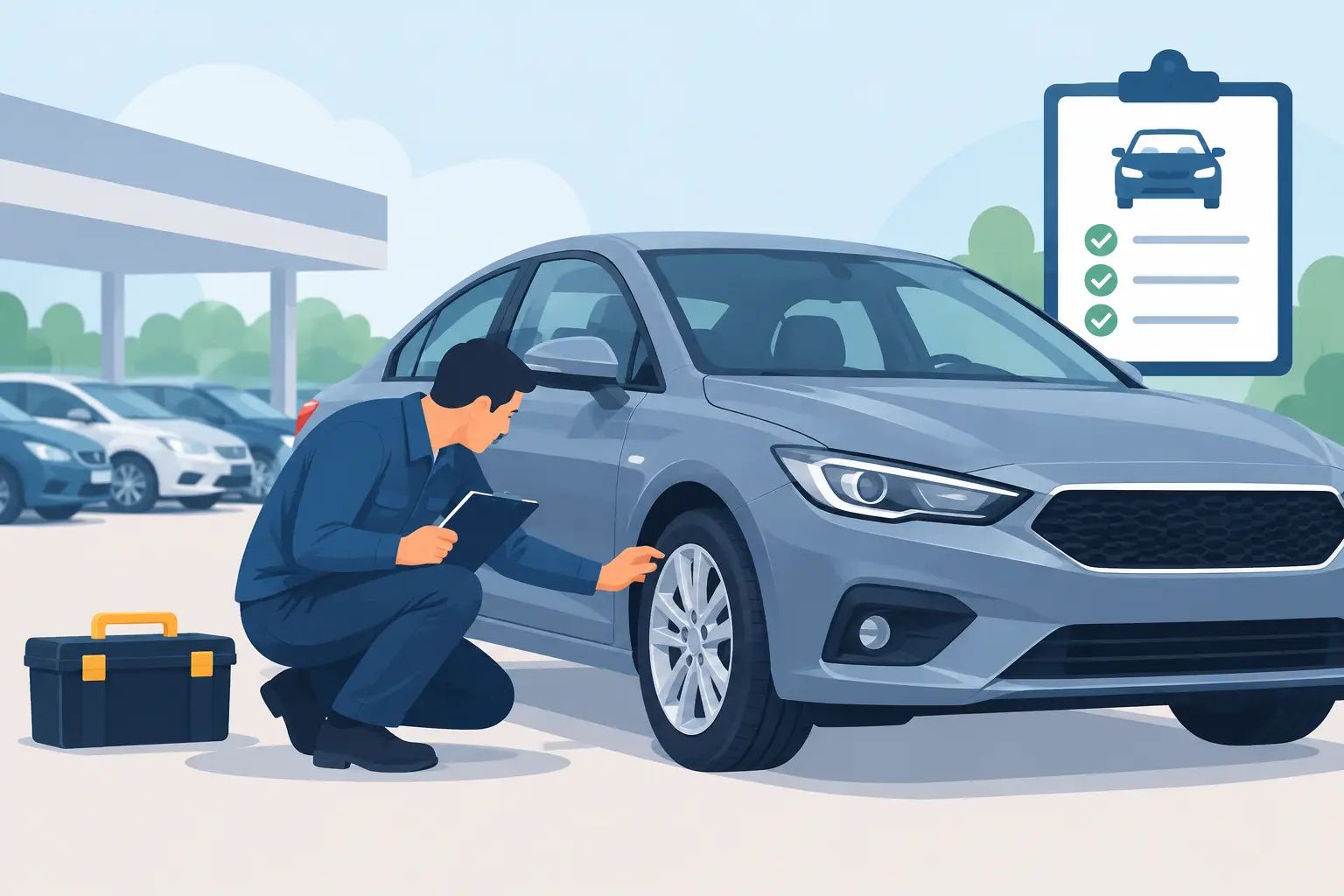
Walk around the vehicle slowly and view each panel from different angles. Look for mismatched paint shades, uneven panel gaps, overspray on rubber trim, or paint texture that differs from one panel to another. These can point to previous collision repairs. Repair work is not always a deal-breaker, but poor repairs can affect safety, alignment, water sealing, and resale value.
Check the windshield, windows, mirrors, headlights, and taillights for cracks, moisture, or damage. Test every door, the hood, trunk, fuel door, locks, and remote key. A stiff door or misaligned hood may be a minor adjustment, or it may reveal previous impact damage.
Tires tell a useful story about the vehicle. Check that all four are the correct size and are from reputable brands with usable tread. Uneven wear on the inner or outer edges can indicate worn suspension components, steering issues, or poor wheel alignment. On a 4WD, light truck, trailer, or work vehicle, check that the tires are matched across each axle and suitable for the way the vehicle will be used.
Check under the hood when the engine is cold
Ask the seller not to start the vehicle before you arrive. A cold start can reveal hard starting, smoke, rattles, rough idle, and warning lights that a warmed-up engine may hide.
With the engine off, look for obvious fluid leaks, damaged hoses, corroded battery terminals, loose wiring, and signs of overheating around the radiator and coolant reservoir. Engine oil should not look milky or unusually gritty. Coolant should be at the correct level and free from oily contamination. Do not remove caps from a hot engine.
Start the vehicle and listen carefully. A brief noise on startup can happen on some models, but persistent ticking, knocking, squealing, or rattling deserves further diagnosis. Watch the dashboard as it starts. Warning lights should illuminate briefly, then switch off. If an engine, ABS, airbag, transmission, or battery light stays on, do not assume it is a cheap fix.
Inspect the cabin and electrical equipment
A working air conditioner, clear instrument display, and clean interior do not guarantee a sound vehicle, but neglected cabin equipment can reveal the level of care it has received. Test the air conditioning and heater, power windows, mirrors, central locking, wipers, horn, infotainment system, seat adjustments, reversing camera, and charging ports.
Pay attention to odors. A musty smell can suggest water leaks, while a sweet smell may point to coolant leakage. Lift floor mats where possible and check for damp carpet, rust, or water marks. Water damage can create difficult electrical problems long after the vehicle is purchased.
Take a Proper Test Drive
A drive around the block is rarely enough. Drive the vehicle on local streets and, where practical, at highway speeds. It should start easily, track straight, accelerate smoothly, and brake without pulling, shaking, or making grinding noises.
During the test drive, check these areas:
- Steering should feel controlled and should not have excessive free play, vibration, or clunking over bumps.
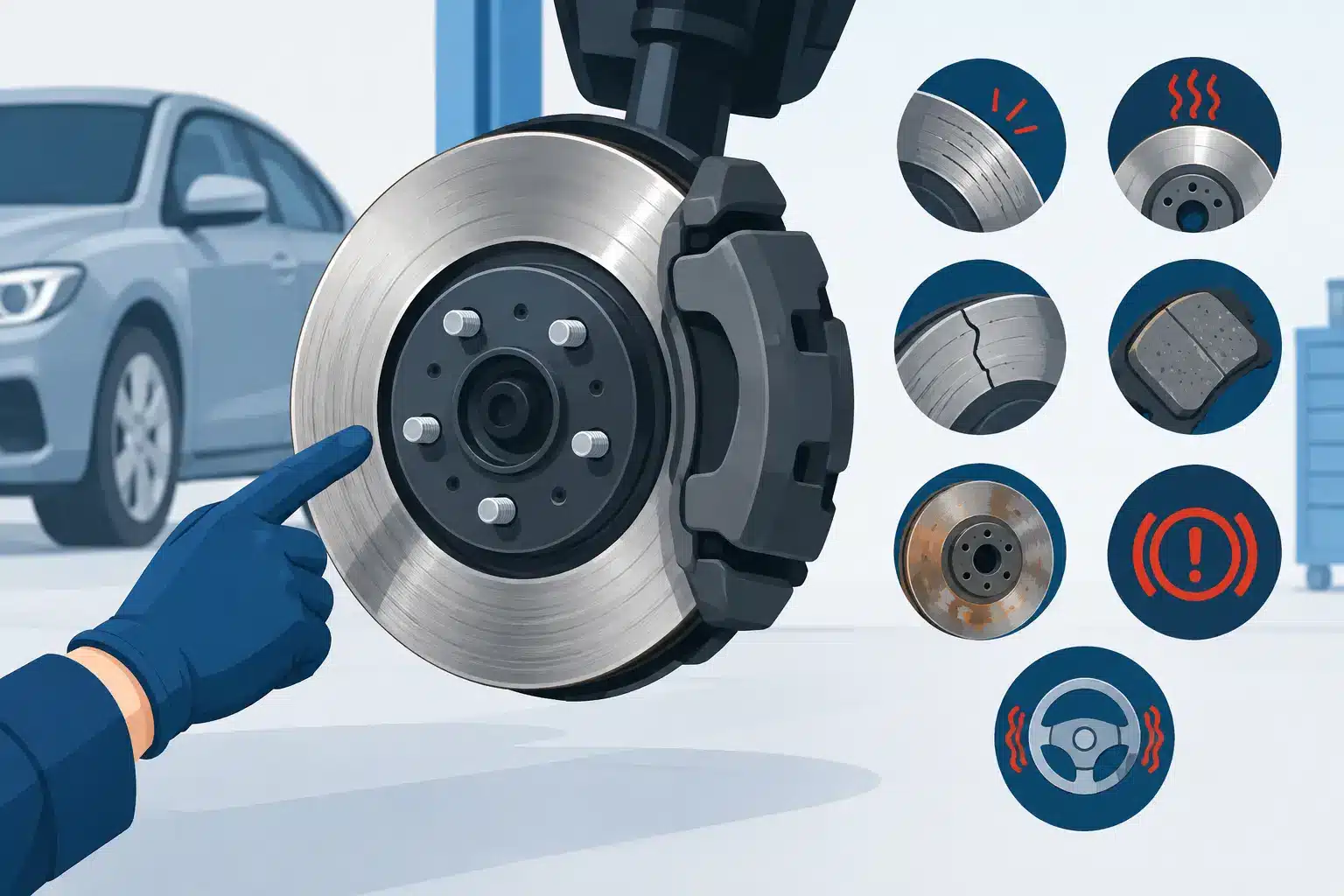
- Brakes should stop the vehicle firmly without a soft pedal, shudder through the steering wheel, or warning lights.
- The engine should accelerate cleanly without hesitation, misfires, smoke, or unusual temperature changes.
- Automatic transmissions should shift smoothly, while manual transmissions should engage gears cleanly without clutch slip or crunching.
- Suspension should not bounce repeatedly after bumps, bottom out, or make loud knocks on rough roads.
Turn the steering wheel fully in both directions in a safe area and listen for clicking, groaning, or binding. Test the parking brake on a suitable incline if conditions allow. If you are looking at a diesel, work ute, or towing vehicle, ask whether you can assess it under load. Problems that do not appear on a gentle drive may show up when the vehicle is carrying tools, passengers, or a trailer.
Watch for the Expensive Problems
Some faults matter more than cosmetic wear because they can quickly turn a cheap purchase into a costly repair job. Engine overheating, transmission slipping, major oil leaks, accident damage, structural rust, and persistent warning lights should always be assessed before you make an offer.
Rust needs special attention on older cars, vehicles used near the coast, 4WDs that have seen mud or water crossings, and trailers. Surface rust on a minor bracket may be manageable. Rust around suspension mounting points, chassis rails, floor pans, brake lines, or structural sections is a different matter. It can affect safety and may make the vehicle difficult or uneconomical to repair.
Do not forget the spare tire, jack, wheel brace, locking wheel-nut key, and service tools. Missing items are not necessarily a reason to walk away, but they add to the true cost of ownership.
Get an Independent Workshop Inspection
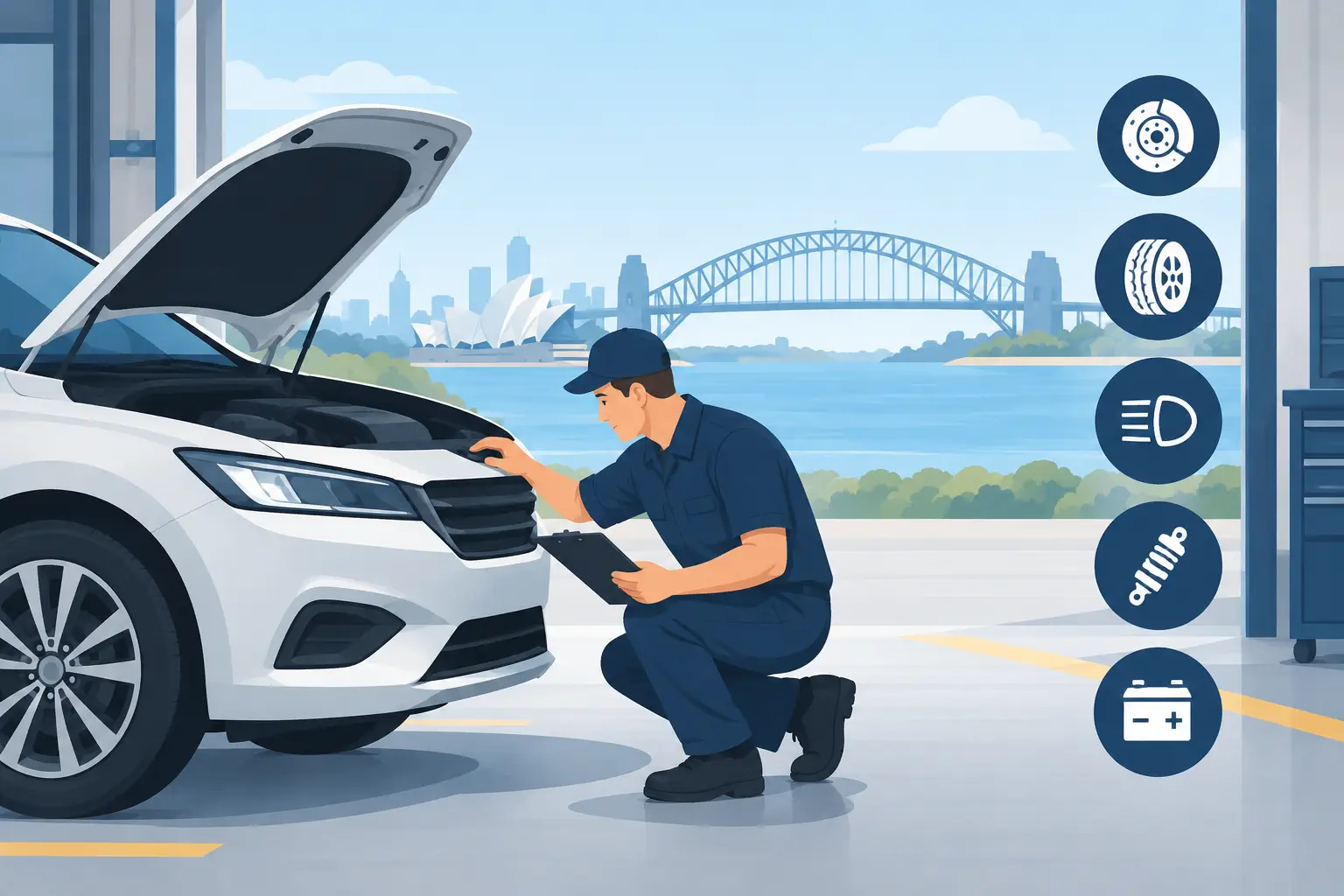
Your own checks are valuable, but they cannot replace a vehicle being lifted and inspected by an experienced technician. A professional inspection can assess brakes, suspension, steering, tires, leaks, underbody condition, battery health, fault codes, engine performance, and signs of previous repairs that are difficult to spot on the ground.
This matters most when you are buying a higher-mileage vehicle, a turbocharged model, a 4WD, a European vehicle, a work truck, or any car with warning lights or incomplete service history. It is also worthwhile when the purchase price is high enough that one major repair would hurt your budget.
A workshop can give you a practical explanation of what is urgent, what can wait, and what repairs may cost. That puts you in a stronger position to negotiate fairly. At Ryan Automotive and Tyres, a one-stop inspection can also identify whether the vehicle needs tires, alignment, battery work, or mechanical repairs before it becomes part of your daily routine.
Use the Findings to Make the Right Call
A used vehicle does not need to be flawless to be a sensible purchase. Worn tires, aging brakes, a weak battery, or overdue servicing may be reasonable if the price reflects the work required. The key is making the decision with clear information rather than discovering the issues after the sale.
If the seller refuses a test drive, will not allow an independent inspection, cannot explain warning lights, or pressures you to pay immediately, walk away. There will be another vehicle. The right one is the car you can buy knowing what it needs, what it will cost, and whether it is ready for the miles ahead.