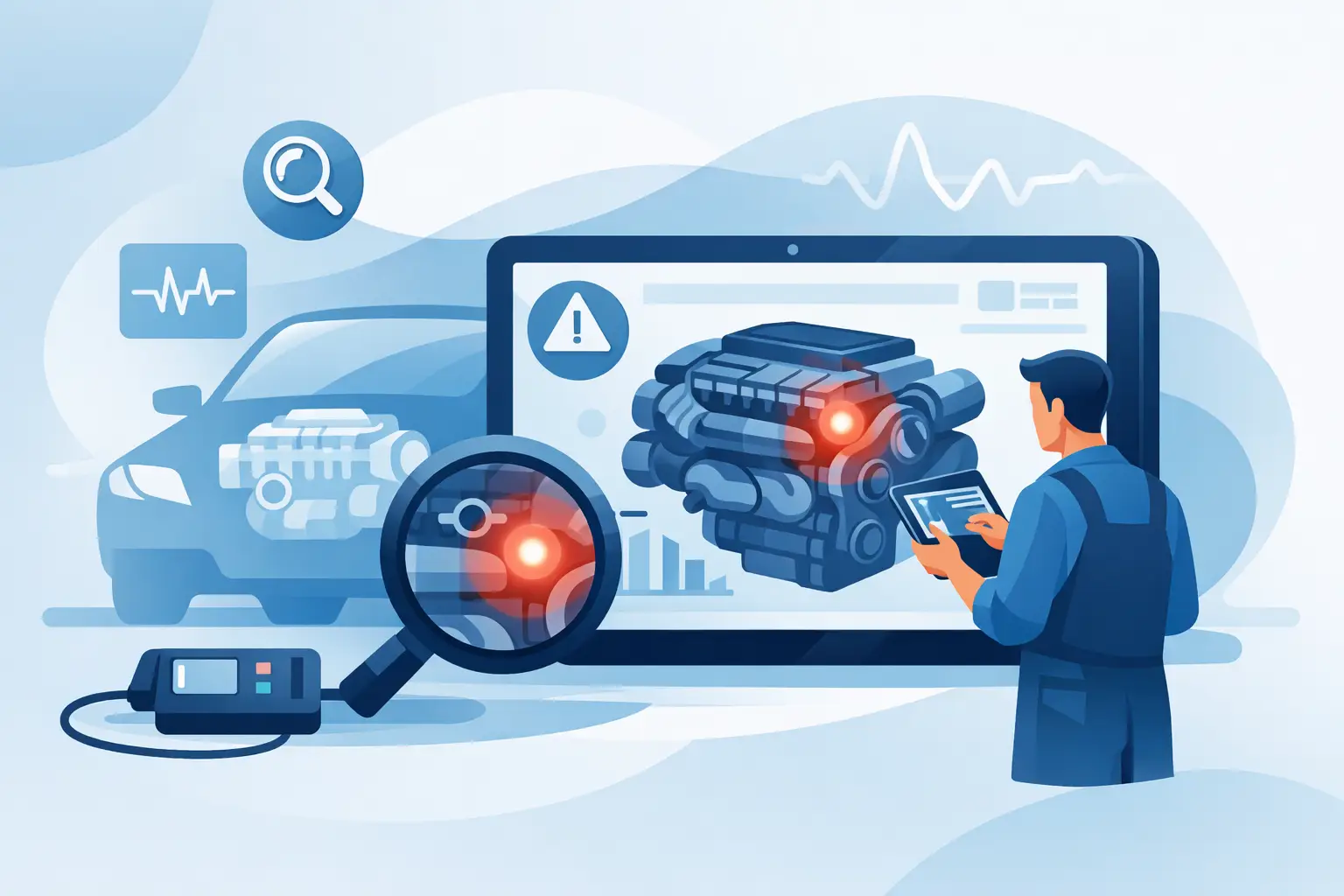
Engine Diagnostics That Find the Real Fault
A warning light is not a repair instruction. It is your vehicle telling you that one of its systems has detected a problem. Proper engine diagnostics find out why that warning appeared before parts are replaced, helping avoid wasted money, repeat repairs, and unnecessary time off the road.
For a family car, that may mean finding the reason it is using more fuel or struggling to start. For a work ute, van, truck, or 4WD, it can mean getting to the bottom of lost power before it becomes a breakdown. The right diagnostic process is about more than plugging in a scan tool. It is about testing the vehicle, reading the evidence, and repairing the actual fault.
What Engine Diagnostics Really Involve
Most modern vehicles have an onboard computer that monitors the engine, emissions equipment, fuel delivery, ignition system, sensors, and more. When it detects a reading outside its expected range, it stores a fault code and may switch on the check engine light.
A diagnostic scan reads those codes, but the code is only the starting point. For example, a code related to an oxygen sensor does not always mean the sensor itself has failed. It could be caused by damaged wiring, an intake air leak, an exhaust leak, poor fuel pressure, or another condition affecting the sensor reading.
That distinction matters. Replacing a part based on a code alone can sometimes fix the issue, but it can also leave the real cause untouched. A proper workshop diagnosis combines scan data with hands-on inspection and targeted testing.
Depending on the fault, this can include checking live sensor readings, battery voltage and charging output, ignition performance, fuel pressure, vacuum leaks, compression, cooling-system operation, and electrical connections. Road testing may also be needed, especially when a fault only happens under load, at highway speed, or once the engine is hot.
Signs Your Vehicle Needs Engine Diagnostics
The check engine light is the obvious sign, but it is not the only one. Many faults begin as small changes in how the vehicle drives. Addressing them early is usually easier and more affordable than waiting for a no-start condition or major engine damage.
Book an inspection if your vehicle has a warning light, rough idle, hesitation when accelerating, poor fuel economy, misfiring, hard starting, stalling, overheating, unusual exhaust smoke, or a noticeable loss of power. A burning smell, ticking noise, rattling, or sudden change in engine sound also deserves attention.
A flashing check engine light needs faster action than a steady light. It commonly indicates an active misfire that can damage the catalytic converter if the vehicle continues to be driven. If the engine is shaking badly, losing power, overheating, or showing an oil-pressure warning, stop driving when it is safe to do so and arrange professional advice.
Fault Codes Do Not Tell the Whole Story
It is tempting to buy a low-cost code reader, search the code online, and order a part. Basic readers can be useful for knowing that a warning light needs attention, but they have limits. They may not access all manufacturer-specific codes, live data, system tests, or transmission and body-control information.
More importantly, online explanations often describe several possible causes. A code may point to a circuit, sensor range, or system performance issue rather than identifying one failed component. The same code can have different causes across different makes, models, engines, and mileages.
Professional equipment gives a technician more information, but experience is what turns data into a sensible repair plan. The aim is not to make the light disappear for a day. It is to identify the cause, confirm the repair, clear the fault correctly, and make sure it does not return.
The Diagnostic Process From Check-In to Repair
A useful diagnosis starts with the driver’s description. Details such as when the fault occurs, whether it happens cold or hot, what fuel was used, recent repair work, and whether the vehicle has been sitting can all narrow down the possibilities. Even a brief note about a noise or warning message can save diagnostic time.
The vehicle is then inspected for basic but critical issues. A loose intake hose, damaged connector, corroded battery terminal, low oil level, split vacuum line, or worn ignition component can create symptoms that look far more serious on a scan tool. Visual checks should never be skipped simply because the vehicle has a computer.
After scanning for stored, pending, and history codes, the technician checks freeze-frame data. This records conditions present when a fault was logged, such as engine speed, temperature, load, and vehicle speed. Live data is then compared against expected readings while the engine is running.
Further tests depend on the results. A misfire may require checking spark plugs, ignition coils, injector operation, air leaks, fuel supply, and cylinder compression. A power-loss fault may lead to testing boost control, air intake restrictions, exhaust flow, fuel delivery, or sensor readings. Electrical faults may require circuit testing rather than simply fitting a new sensor.
Once a likely cause is proven, you should receive a clear explanation of the recommended repair. In some cases, there may be more than one issue, particularly on older or high-mileage vehicles. A practical workshop will explain what needs immediate attention for safety and reliability, what can be monitored, and what work can be planned later.
Common Problems Found During Engine Diagnostics
Ignition faults are common and can cause rough running, misfires, and poor acceleration. Worn spark plugs, failed coils, damaged leads on applicable vehicles, and poor electrical connections are all possible causes.
Air and fuel faults are another major category. Dirty airflow sensors, split intake pipes, leaking vacuum hoses, blocked filters, weak fuel pumps, and injector problems can all affect how the engine runs. Diesel engines may also experience issues with particulate filters, boost systems, or emission-control components, particularly where the vehicle mainly does short trips.
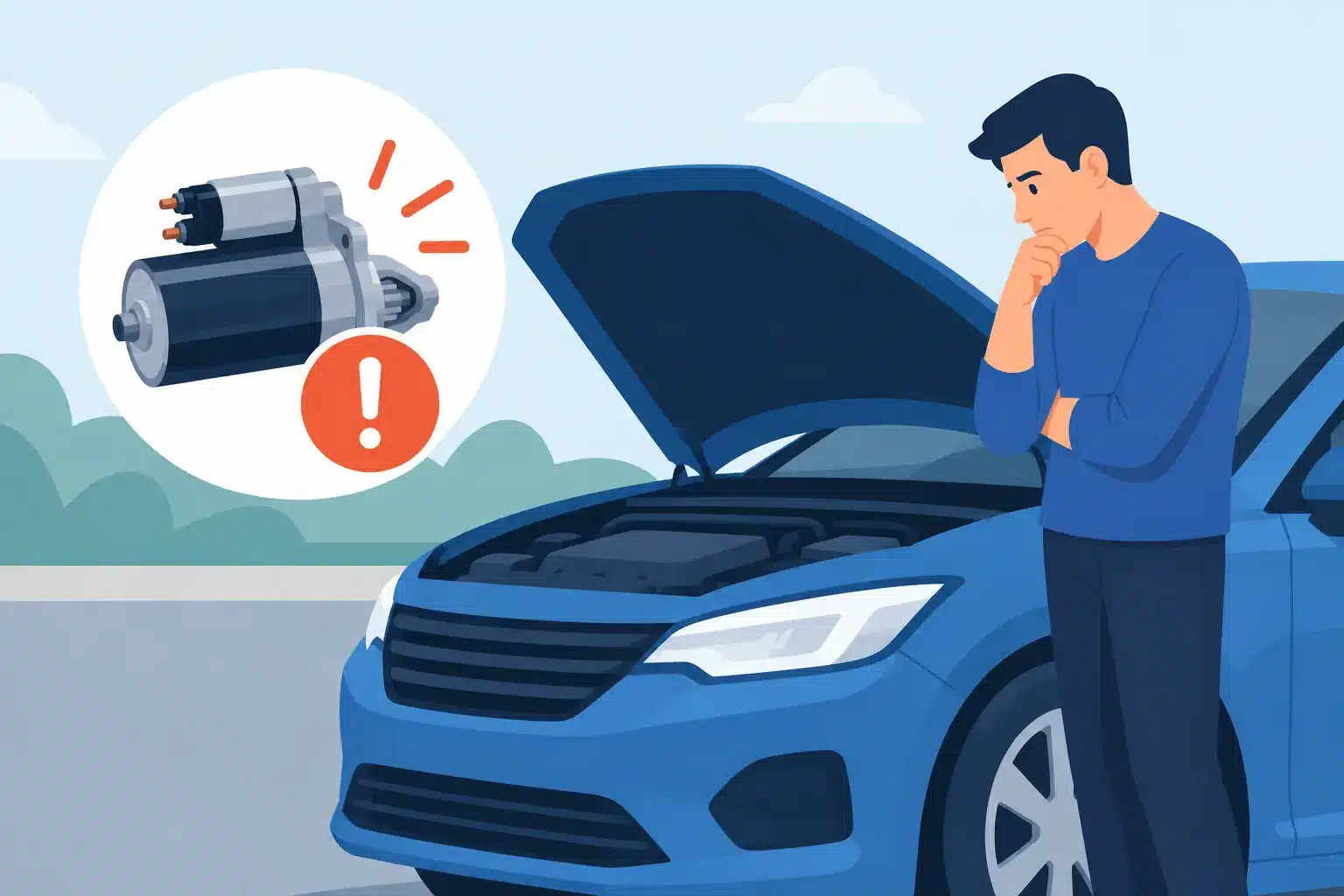
Battery and charging faults can create misleading warnings throughout the vehicle. Low voltage can trigger multiple dashboard lights, cause intermittent starting problems, and affect electronic systems. Testing the battery, alternator, and charging circuit is often part of sensible fault finding.
Cooling and lubrication problems deserve prompt attention. A thermostat issue, coolant leak, faulty cooling fan, low oil level, or pressure problem can lead to expensive engine damage if ignored. Diagnostics can identify related warnings, but a physical inspection is essential when overheating or oil warnings are involved.
Why Fast Diagnosis Can Save Money
Diagnostic time has a cost, but guessing usually costs more. Replacing several possible parts without testing can become expensive quickly, and it may not solve the original complaint. It can also hide a developing fault until it becomes more severe.
A confirmed diagnosis helps you make a better decision. If the repair is straightforward, you can get it handled before the vehicle lets you down. If the issue is more involved, you have useful information to weigh repair costs, vehicle condition, and how urgently you need the car back on the road.
This is particularly valuable for tradies, delivery drivers, and families managing a busy week. A vehicle that starts but runs poorly is still costing time through extra fuel use, reduced performance, and the risk of an avoidable roadside stop.
Bring the Right Details to Your Appointment
You do not need to know the fault code or automotive terminology. Simply explain what changed and when you noticed it. Mention whether the warning light is steady or flashing, whether the vehicle was recently serviced, and whether it has trouble starting, idling, accelerating, or towing.
If a warning appears only occasionally, a photo of the dashboard message can help. Avoid clearing codes immediately before the appointment if possible, as this can erase useful information that helps trace an intermittent fault.
At Ryan Automotive and Tyres, the goal is practical fault finding for all vehicle types, backed by workshop repairs and parts support in one place. Whether the issue is a warning light, a drivability concern, or a vehicle that simply does not feel right, early testing gives you a clearer path forward.
Do not wait for a small warning to become a missed workday or a stranded weekend. When your vehicle starts sending signals, a proper diagnosis gives you the facts needed to repair it with confidence.