Car Service That Keeps Your Vehicle Road-Ready
A car service is not just an oil change with a checklist. It is the planned maintenance that keeps your daily driver starting reliably, your family safe on the road, and your work vehicle available when the job cannot wait. For drivers who rely on their vehicle every day, catching a worn brake pad, weak battery, leaking hose, or damaged tire early is usually far cheaper than dealing with a breakdown later.
At Ryan Automotive and Tyres, the goal is practical: get the right work done at the right time, without sending you to separate places for mechanical repairs, tires, wheels, batteries, and vehicle inspections. Whether you drive a commuter car, family SUV, ute, 4WD, truck, or trailer, regular maintenance gives you a clear picture of what your vehicle needs now and what can be planned for later.
What a Proper Car Service Should Check
The exact work depends on your vehicle, its mileage, its age, and how it is used. A vehicle that does short school runs and stop-start city driving can need attention in different areas than a highway commuter, a heavily loaded work ute, or a 4WD that sees dirt roads and towing.
A standard service usually includes fresh engine oil and an oil filter where required, plus checks of key fluids, belts, hoses, lights, wipers, brakes, steering, suspension, tires, and battery condition. The technician should also look for leaks, unusual wear, loose components, and fault codes stored in the vehicle’s computer.
Those checks matter because vehicles rarely fail without warning. A small oil leak may become low oil pressure. Uneven tire wear can point to an alignment or suspension issue. A battery that tests weak may still start the car today, then fail on the morning you have work, school drop-off, or a long drive planned.
A thorough service also creates a maintenance record. That can help protect resale value and makes it easier to spot patterns, such as repeated brake wear, a recurring warning light, or tires wearing out sooner than expected.
How Often Should You Book a Car Service?
Your owner’s manual is the best starting point. Most manufacturers set service intervals by time, mileage, or whichever comes first. For many vehicles, that means every six or 12 months. However, the interval is not a reason to ignore a problem between appointments.
Book the car in sooner if you notice a warning light, hard starting, overheating, vibrations, pulling under braking, squealing brakes, a burning smell, fluid under the vehicle, or a sudden drop in fuel economy. These are not always major faults, but they deserve a proper inspection before they turn into one.
Drivers who tow, carry tools or heavy loads, drive frequently on rough roads, idle for long periods, or make repeated short trips may need more frequent checks. This is common for tradies, delivery vehicles, 4WDs, and trailers. The engine, transmission, brakes, suspension, and tires work harder under those conditions.
There is a balance to strike. Not every vehicle needs extra work at every visit, and a trustworthy workshop should explain what is due, what is recommended, and what can reasonably wait. Clear advice lets you budget for maintenance without putting off a repair that affects safety or reliability.
Tires, Brakes, and Alignment Are Part of the Service Story
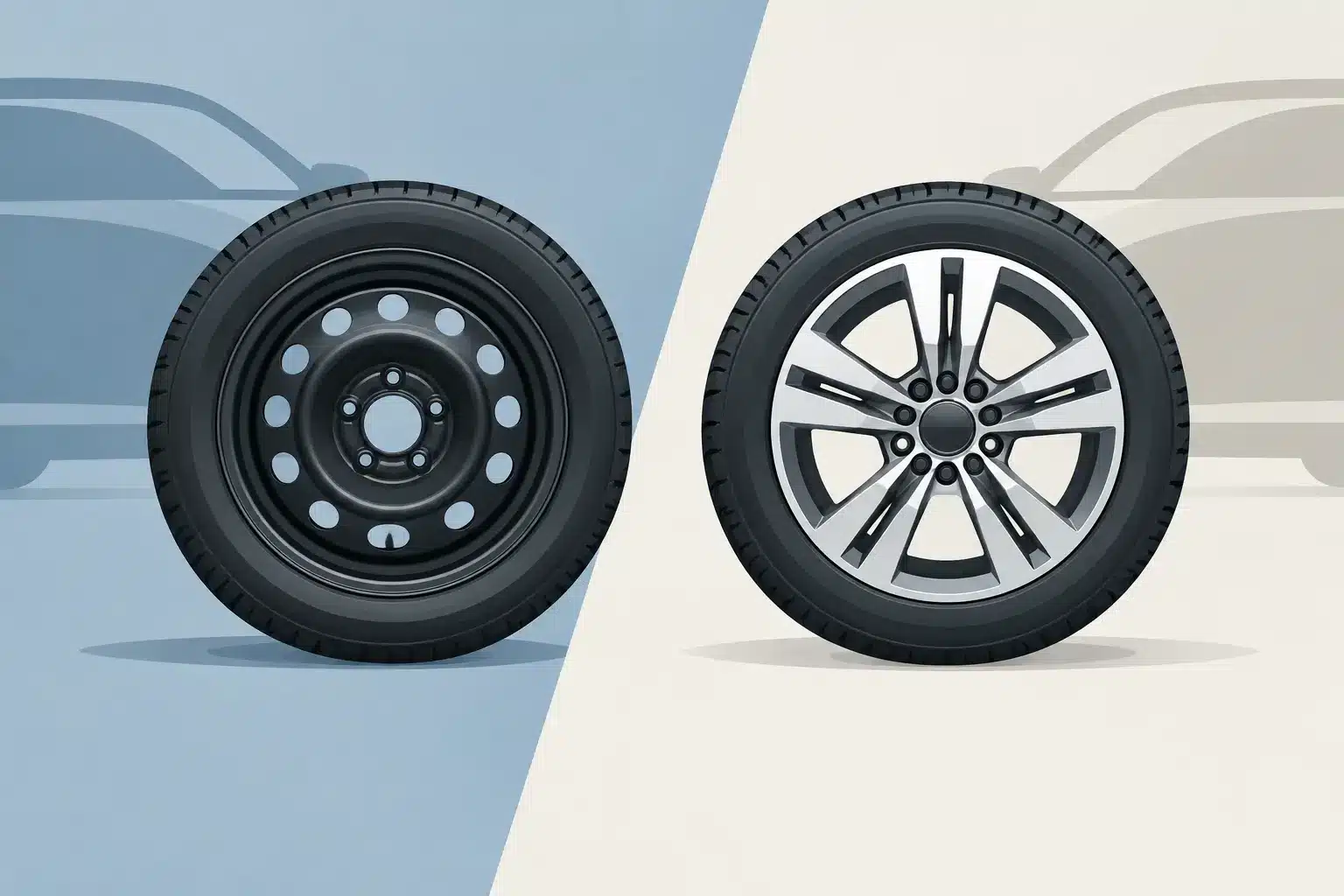
Mechanical maintenance and tire care should not be treated as separate issues. Tires are the only part of the vehicle in contact with the road, while brakes, steering, and suspension determine how well that contact is used.
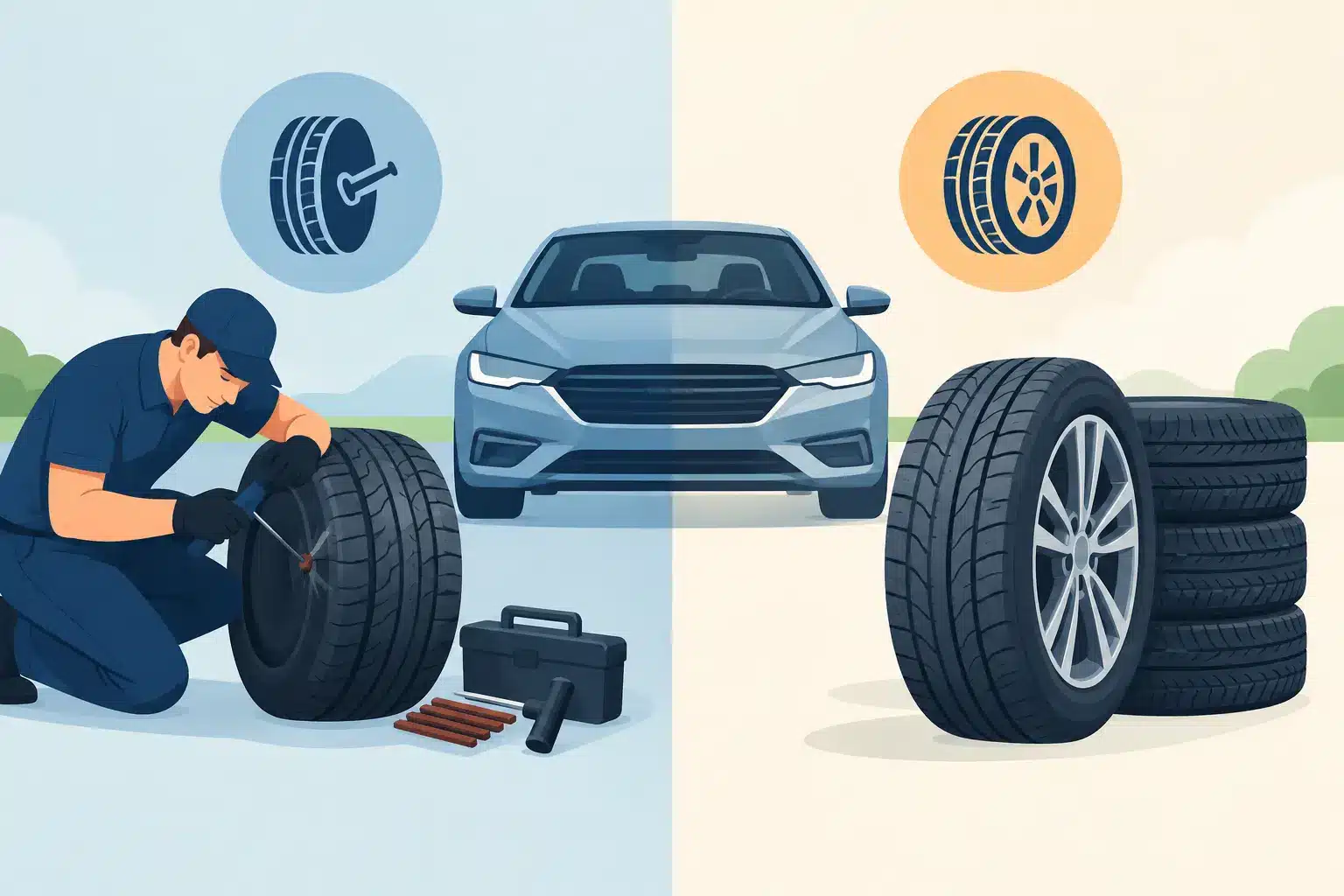
During a service, tire tread depth, pressure, sidewall condition, and wear pattern should be checked. Wear on one edge of a tire may indicate incorrect wheel alignment. Cupping or scalloped wear can suggest worn suspension components. A vibration through the steering wheel may be caused by wheel balance, tire damage, or a mechanical problem that needs diagnosing.
Replacing tires without addressing the cause of uneven wear can cost you twice. The new set may wear prematurely, and the vehicle may still pull, vibrate, or handle poorly. This is why access to tire fitting, wheel balancing, wheel alignment, suspension repairs, and mechanical servicing in one workshop is useful. The problem can be assessed as a whole rather than guessed at one piece at a time.
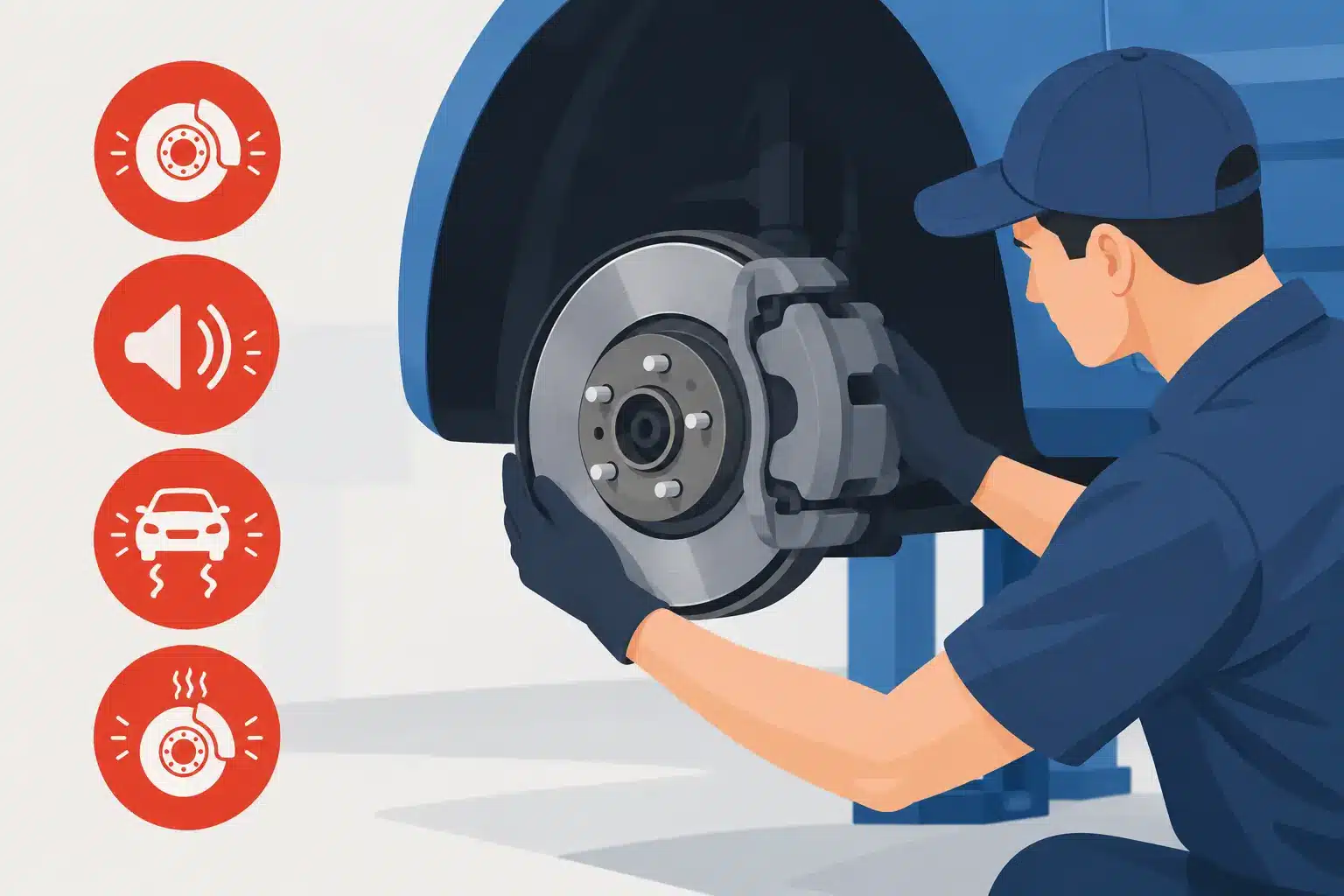
Brakes deserve the same approach. Brake pads are designed to wear out, but rotors, brake fluid, calipers, hoses, and parking brake components also need attention. If the brake pedal feels soft, the vehicle pulls when stopping, or you hear grinding, do not wait for the next scheduled service. Braking faults can worsen quickly and may damage more expensive parts.
Battery Checks Prevent the Most Inconvenient Breakdowns
Many battery failures appear to happen overnight. In reality, the battery may have been weakening for months due to age, heat, short trips, corrosion, charging issues, or extra electrical load.
A battery test during routine maintenance can identify whether the battery has enough capacity and whether the charging system is doing its job. If replacement is needed, it is better to fit the correct battery before being stranded in a parking lot, on a worksite, or in the driveway.
This is especially relevant for vehicles with accessories such as auxiliary lighting, fridges, winches, dash cameras, or trade equipment. Those additions can be useful, but they place more demand on the electrical system. Tell the workshop about them so the battery and charging setup can be checked properly.
Diagnostics Turn Warning Lights Into Useful Information
A warning light is a message, not a diagnosis. The check-engine light, ABS light, airbag light, battery light, and temperature warning can all have multiple causes. Reading the code is a valuable first step, but replacing a part based only on a code can be a costly guess.
Good diagnostics combine scan-tool information with testing and mechanical experience. For example, an engine fault code may relate to a sensor, wiring issue, air leak, fuel problem, ignition fault, or an issue elsewhere in the system. The right repair comes from confirming the cause, not simply clearing the light and hoping it stays off.
If a warning light comes on but the vehicle still drives normally, arrange an inspection promptly. If the temperature warning is on, the oil pressure light appears, the brake warning is active, or the vehicle is losing power badly, stop driving when it is safe to do so and seek advice. Continuing to drive can turn a manageable repair into engine, transmission, or brake damage.
Choose a Workshop That Makes Maintenance Easier
Convenience is not a luxury when your vehicle is part of your routine or your income. A workshop that can service your vehicle, repair faults, inspect brakes and suspension, fit tires, replace a battery, and complete wheel work saves time and reduces the chance of details being missed between providers.
Availability matters too. An open 7 days workshop can be a real advantage when your schedule is packed during the week or when an unexpected issue needs attention before a trip. Loan vehicles and local pickup or drop-off can also make a necessary service less disruptive.
Before approving work, ask what is included in the service, whether manufacturer requirements are being followed, and which items are urgent versus preventative. You should receive straightforward answers, not pressure. Affordable maintenance is not about skipping essential checks. It is about fixing the right issue, using suitable parts, and planning upcoming work before it becomes an emergency.
Small Habits Between Services Make a Difference
You do not need to be a mechanic to help your vehicle last longer. Check tire pressures regularly, especially before towing or carrying a load. Keep an eye on fluid levels if your vehicle has a known leak or uses oil. Listen for new noises, and pay attention to changes in steering, braking, starting, or fuel use.
It also helps to avoid ignoring dashboard warnings because the vehicle still feels normal. Modern vehicles can compensate for a developing fault for a while, but that does not mean the underlying issue has disappeared. A quick inspection now may save a missed workday, a tow bill, or a much larger repair later.
The best time to organize a service is before the vehicle gives you a reason to. Set a reminder based on your mileage and service date, then book a time that works around your week. That simple habit keeps your vehicle safer, more dependable, and ready for the miles ahead.