Best Family Car Tyres for Safer Daily Drives
A family car rarely gets an easy life. It handles school drop-offs, grocery runs, weekend sport, wet-weather commuting, and fully loaded road trips. The best family car tyres are not necessarily the most expensive set on the shelf. They are the tires that suit your vehicle, driving habits, local roads, and budget while keeping your family safe and comfortable.
For most drivers, the right choice comes down to four things: dependable wet grip, predictable braking, a comfortable ride, and solid tread life. Get those right, and every trip feels more secure – whether you are taking the kids across town or heading out of town with a packed cargo area.
What Makes the Best Family Car Tyres?
Family-car tires need to perform well in the conditions that matter most often, not just look good when they are new. A practical touring or all-season tire is usually the strongest starting point for sedans, hatchbacks, crossovers, minivans, and many SUVs. These tires are designed for daily use, with a focus on balanced handling, comfort, mileage, and efficiency.
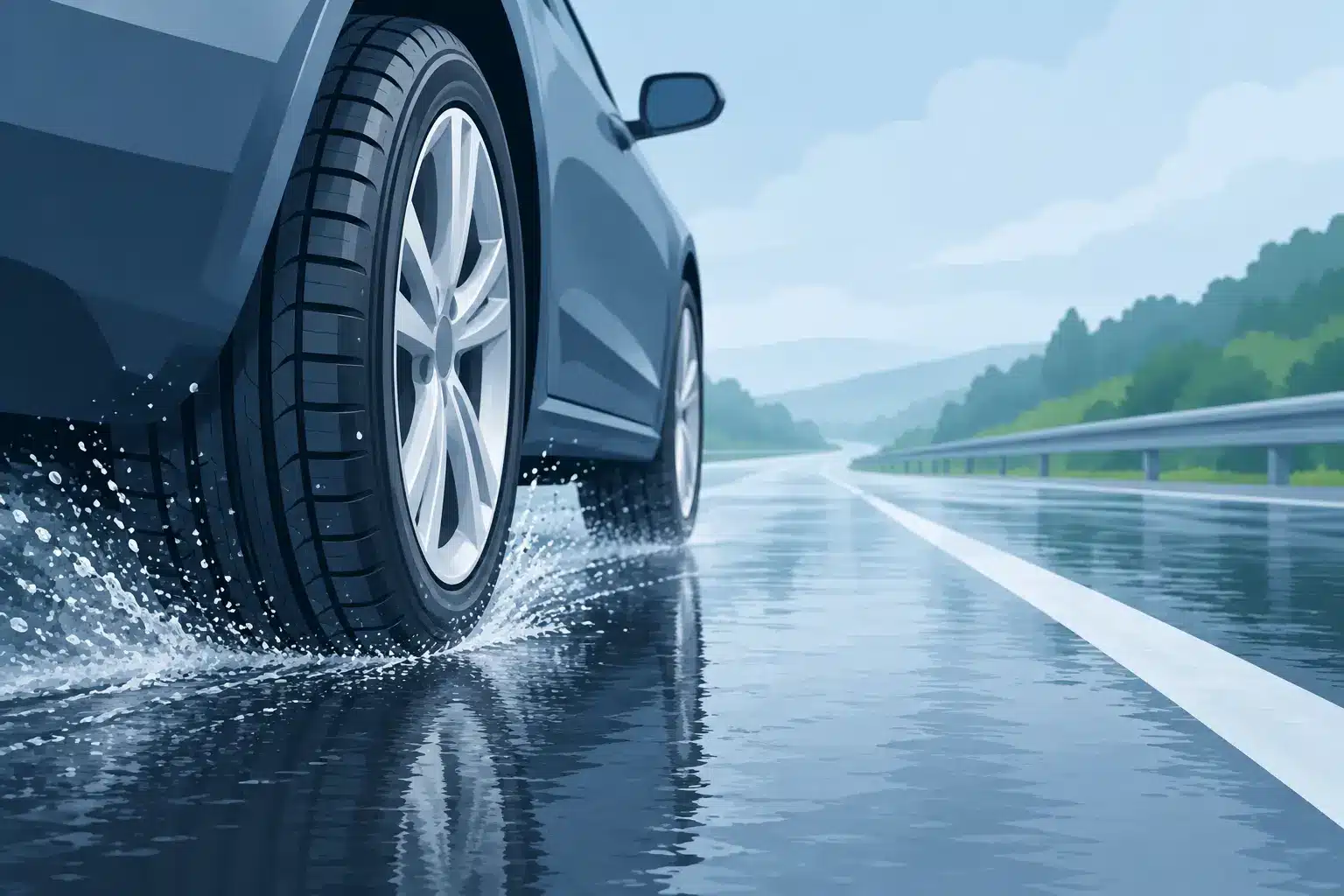
Wet-weather grip deserves priority. Water on the road can quickly reduce traction, especially when tire tread is worn or pressures are low. Look for a tire with wide grooves and a tread pattern built to clear water effectively. That helps reduce the risk of hydroplaning and supports more confident braking when afternoon rain catches you on the way home.
Braking performance matters just as much. A few feet can make a real difference when traffic suddenly stops or a child steps near a driveway. Premium tires often use more advanced rubber compounds and tread designs to maintain grip as conditions change, but there are also good-value mid-range options that deliver safe, reliable everyday performance.
Comfort is another major factor for families. Tires with a harsh ride or excessive road noise can make longer trips tiring for everyone in the vehicle. Touring tires generally have more flexible sidewalls and tread patterns designed to reduce noise, which is a worthwhile benefit if your car spends plenty of time on highways and suburban roads.
Match Your Tires to How Your Family Drives
There is no single tire that is best for every family vehicle. The best choice depends on where you drive, how heavily the vehicle is loaded, and what you expect from it.
Daily commuting and school runs
If most trips are short, urban, and suburban, prioritize wet braking, quiet running, and long tread life. A quality touring tire is usually a sensible fit. It will handle roundabouts, stop-start traffic, potholes, and regular highway use without making the ride unnecessarily firm.
Do not assume a sporty tire is automatically safer. Performance tires can offer sharper steering response and strong dry grip, but they may wear faster, create more road noise, and ride more firmly. For a typical family sedan or crossover, those trade-offs are often not worth it.
Highway travel and family road trips
For families that travel regularly, stability, low noise, and heat resistance become more important. A tire that holds its line well at highway speeds makes long drives less tiring, while a quiet tread pattern helps keep the cabin comfortable.
Check the tire’s load rating as well. A vehicle loaded with passengers, luggage, sports gear, or a roof box places more demand on every tire. The replacement tire must meet or exceed the vehicle manufacturer’s specified load and speed rating. Going cheaper with an unsuitable rating is never a good saving.
SUVs, crossovers, and light family 4WDs
Many SUVs are used almost entirely on paved roads, even if they have the appearance of an off-road vehicle. In that case, a highway-terrain or touring SUV tire is often the better option. It provides comfortable road manners, dependable wet grip, and efficient wear.
If your family vehicle sees regular gravel roads, campsites, or light trails, an all-terrain tire may be a better fit. Keep the compromise in mind: more aggressive tread can improve traction away from pavement, but it can also increase noise, weight, and fuel use on the road. Choose the terrain your vehicle actually sees, not the terrain you might drive once a year.
Tire Size, Ratings, and Fitment Are Not Guesswork
The numbers printed on your sidewall are there for a reason. They show the tire width, profile, construction, wheel diameter, load index, and speed rating. For example, changing from a standard passenger tire to a different profile or load rating can affect ride quality, speedometer accuracy, handling, and clearance.
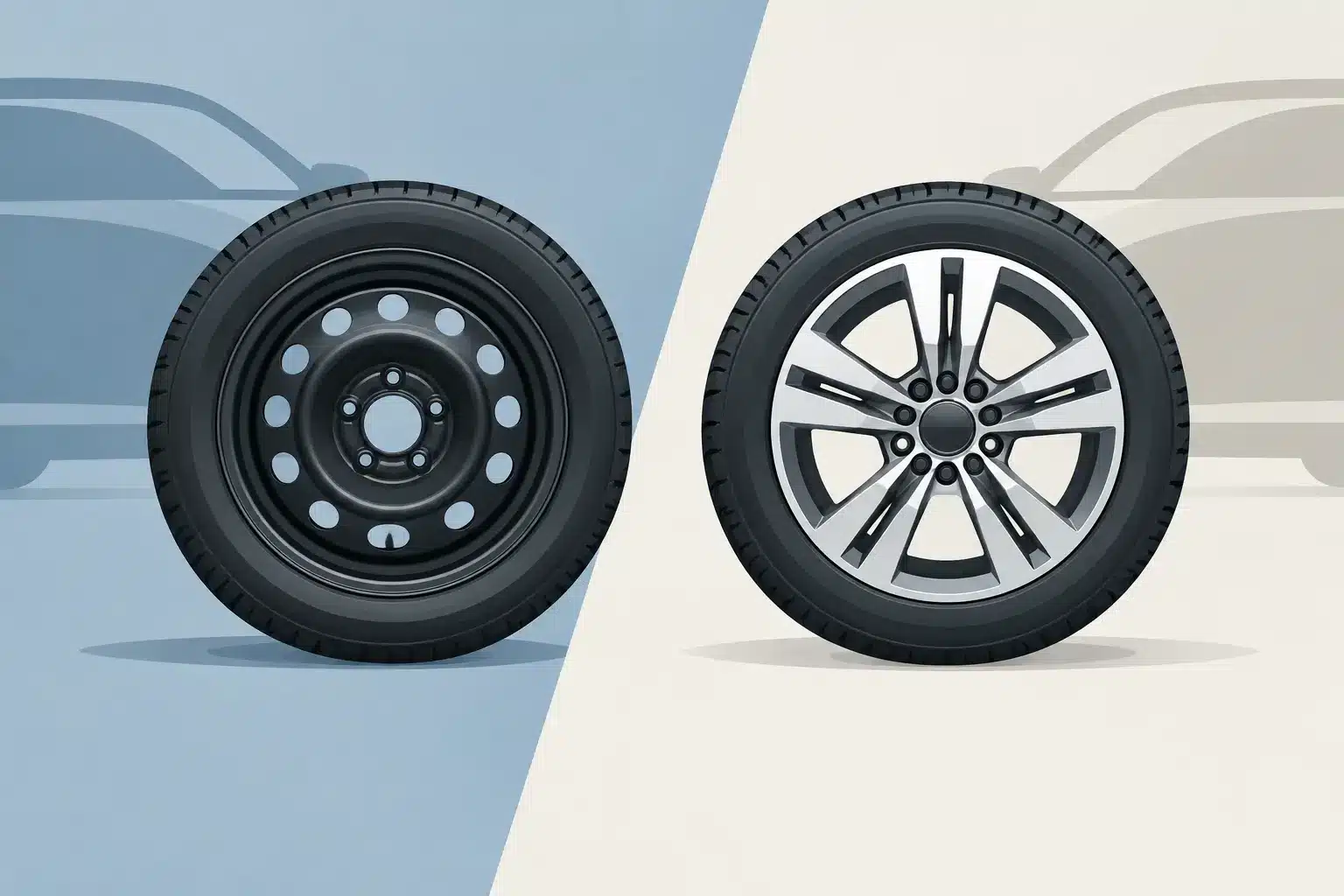
Sticking with the manufacturer-recommended size is usually the safest and simplest approach. If you are considering different wheels or a larger tire package, get professional advice before buying. A setup that looks right may still rub on turns, interfere with suspension movement, or place extra strain on steering and braking components.
This is especially relevant for larger family SUVs and vehicles that tow a small trailer. Towing adds heat and load, so the tire’s load capacity, condition, and inflation pressure need closer attention. A workshop can help confirm whether your current tires are suitable for the job before your next trip.
Don’t Buy Tires on Price Alone
Cheap tires can be tempting when a full set needs replacing, but the purchase price is only part of the cost. A lower-priced tire that wears quickly, rides poorly, or struggles in the wet may cost more over its working life than a better-quality option.
That does not mean every family needs the most expensive tire available. The right approach is to compare the overall value: expected tread life, wet-road performance, warranty support, ride comfort, and the cost of fitting and balancing. A reliable mid-range tire from a recognized manufacturer is often an excellent choice for everyday family driving.
It also pays to replace tires in pairs at a minimum, with the matching pair fitted to the same axle. On many vehicles, installing the newer pair on the rear can improve stability in wet conditions. However, the correct setup can depend on the vehicle and the condition of the remaining tires, so ask for advice rather than relying on a one-size-fits-all rule.
The Best Tire Can Still Fail Without Basic Maintenance
Even excellent tires will not deliver their designed grip or mileage if they are neglected. Check tire pressure at least once a month and before longer trips, using the pressure listed on the vehicle placard rather than the maximum figure on the tire sidewall. Correct pressure supports braking, handling, fuel economy, and even tread wear.
Have your wheels balanced when new tires are installed and whenever you notice vibration through the steering wheel or seat. Wheel alignment is equally important. If the car pulls to one side, the steering wheel sits crooked, or the tread is wearing more heavily on one edge, an alignment check can prevent you from ruining a good set of tires early.
Rotate tires at the intervals recommended for your vehicle, particularly if it is front-wheel drive. Front tires often wear faster because they handle most of the steering, braking, and power delivery. Regular rotation spreads that wear more evenly and can help you get better value from the full set.
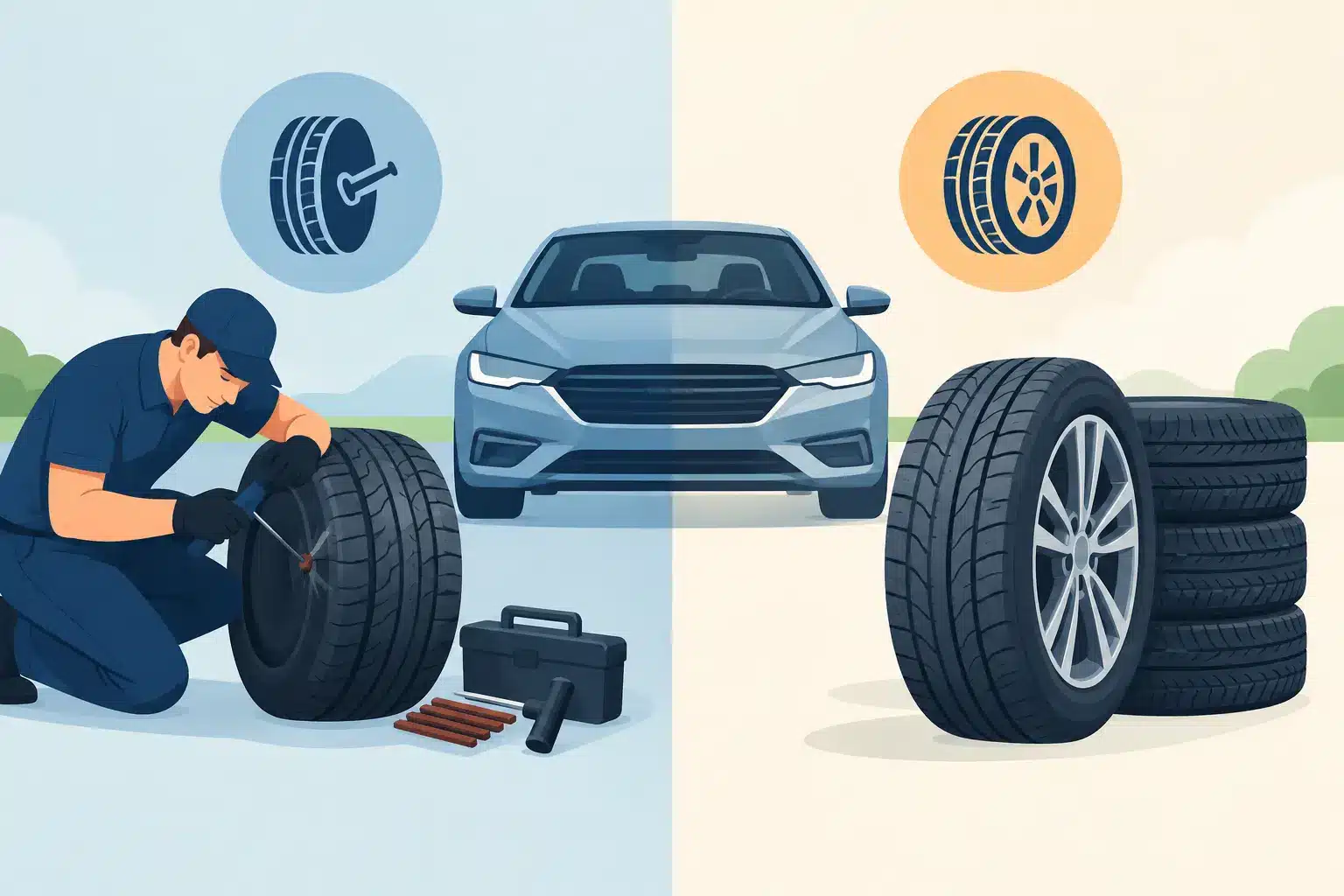
Watch for visible warning signs too: cracks in the sidewall, bulges, cuts, exposed cords, uneven wear, persistent pressure loss, or tread worn close to the wear bars. These are not issues to put off until the next service. A tire problem can become a safety problem quickly, particularly in rain or at highway speed.
Get the Right Advice Before You Commit
Choosing tires should be straightforward, but the options can be confusing when you are comparing brands, sizes, ratings, and prices. A good tire shop will ask how you use the vehicle, inspect your current tire wear, and explain the practical differences between suitable options without pushing you into a product you do not need.
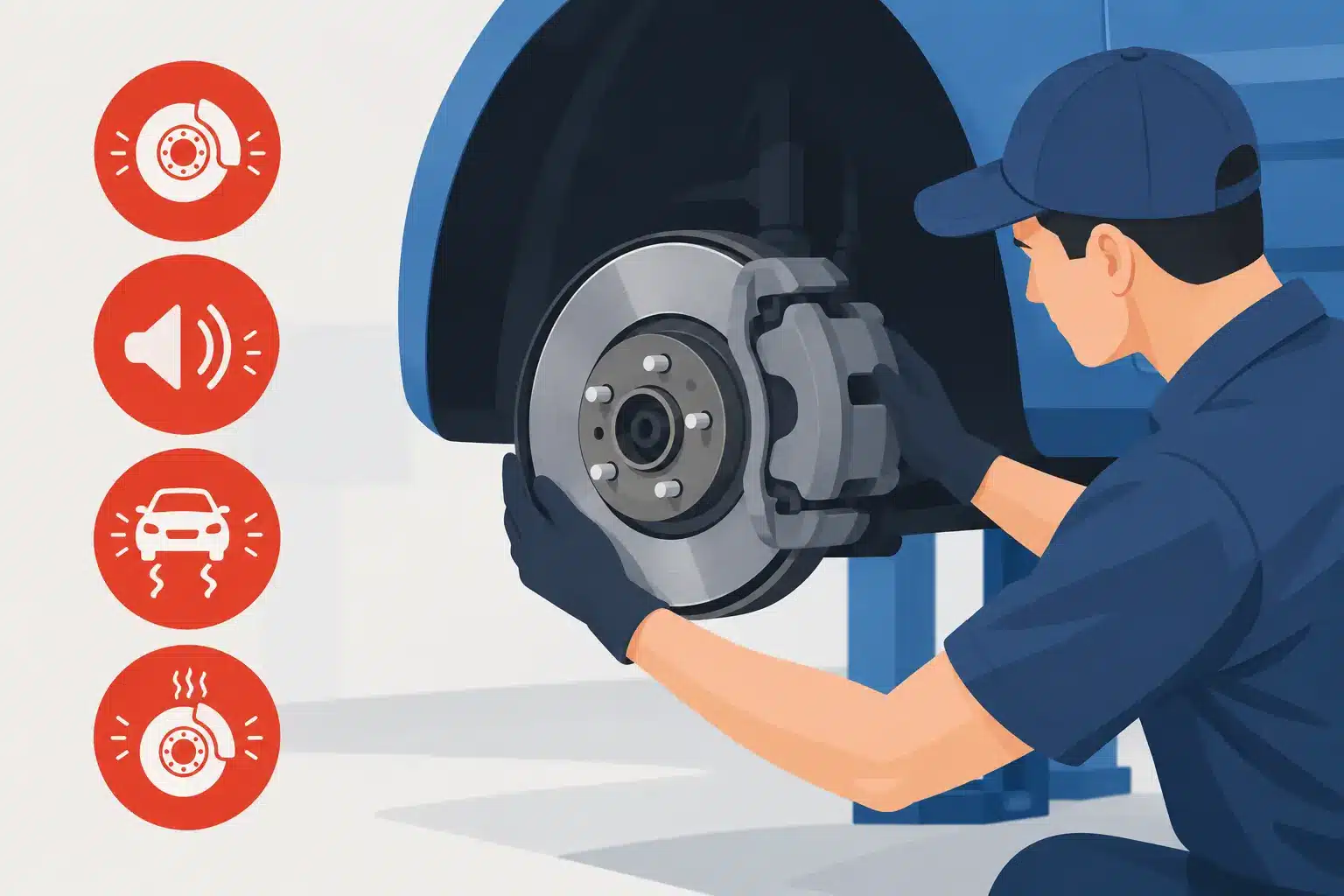
At Ryan Automotive and Tyres, families in Kingswood and Penrith can have tire fitting, wheel balancing, alignment checks, and mechanical concerns handled in one place. That matters because uneven tire wear is not always a tire issue – worn suspension parts, brake concerns, or alignment problems may be part of the cause.
The right set of family tires should make daily driving feel uneventful in the best possible way: stable in the rain, comfortable on longer runs, and ready when your family needs to go.