Penrith Mechanic Versus Dealership Compared
A warning light comes on, the brakes start squealing, or your service reminder is overdue. The Penrith mechanic versus dealership decision usually comes down to more than the quoted price. It affects how quickly your vehicle is back on the road, who handles the work, whether parts are available, and how much running around you need to do.
For many drivers, a dealership feels like the obvious choice while a car is newer or still under warranty. For others, a local full-service workshop is the practical answer from day one. Neither option is automatically better. The right choice depends on the work required, the vehicle you drive, and how much value you place on convenience, choice, and personal service.
Penrith mechanic versus dealership: the real differences
A dealership is tied to one vehicle manufacturer. Its technicians work primarily with that brand, use factory diagnostic systems, and follow the manufacturer’s service procedures. That can be useful for a complex warranty claim, a software update, a recall, or a fault that requires manufacturer approval.
An independent mechanic works across many makes and models. A good local workshop handles the maintenance and repairs most owners need throughout a vehicle’s life: oil changes, logbook servicing, brakes, batteries, cooling issues, suspension repairs, diagnostics, tires, wheel alignments, and more. Instead of being limited to one manufacturer’s parts channel, an independent shop can often offer suitable options at different price points.
The difference is not simply dealer equals specialist and mechanic equals basic service. Modern independent workshops use advanced scan tools and diagnostic equipment, and experienced technicians see a wide variety of real-world faults every week. The bigger question is whether your particular job needs a manufacturer-only process or a capable workshop with the right equipment and parts.
Cost is about more than the service price
Dealership labor rates and genuine manufacturer parts can increase the cost of routine work. There is a reason for that: dealers maintain brand-specific training, factory systems, and manufacturer processes. If those things are necessary for your repair, they may be worth paying for.
But for standard maintenance and common repairs, an independent mechanic can often provide better value. You may have a choice between genuine parts, reputable aftermarket parts, or upgraded components suited to how you use the vehicle. That matters for family cars, older vehicles, work utes, trailers, and 4WDs where a practical repair plan can make more sense than automatically fitting the most expensive option.
Ask for a clear estimate that separates labor, parts, and any additional work found during inspection. The lowest number is not always the best deal if it excludes necessary fluids, filters, diagnostic time, or follow-up adjustments. Equally, a large dealer quote should not be accepted without understanding what is urgent, what is preventive, and what can reasonably wait.
Tires, wheels, and alignment can change the equation
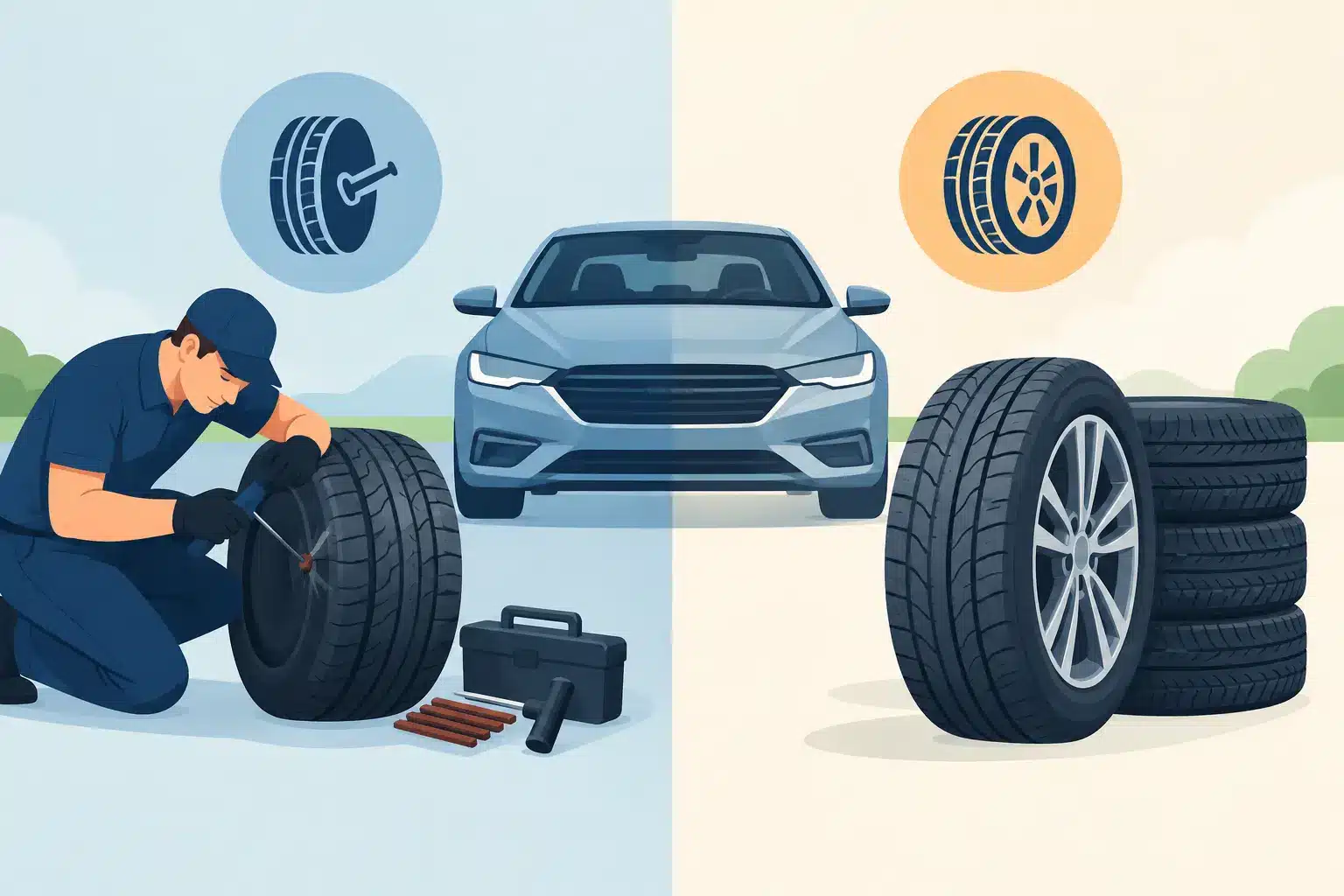
A dealership may be able to replace tires, but tires are not usually its core business. If you need new tires, wheel balancing, alignment, a puncture repair, or a wheel-and-tire package, a one-stop automotive and tire workshop can save time and prevent gaps between providers.
This is especially useful for drivers who rely on their vehicles for work. A tradie with a loaded ute, a family preparing for a road trip, or a 4WD owner changing tire sizes needs advice that considers load ratings, tread type, fitment, alignment, and everyday driving conditions. Fitting new tires without checking alignment can shorten their life. Replacing suspension components without aligning the wheels can lead to the same costly result.
Warranty servicing does not always require a dealership
Many owners keep returning to the dealership because they believe it is the only way to protect a new-car warranty. In many cases, routine servicing can be completed by a qualified independent repairer as long as the service follows the manufacturer’s requirements, uses suitable parts and fluids, and is properly documented.
The details matter. Keep invoices and service records, and make sure the workshop knows the vehicle’s make, model, year, mileage, and service schedule. If the vehicle has a specific recall, a manufacturer software campaign, or a warranty repair that requires approval, the dealership may still need to perform that work.
A practical approach is to use the workshop that suits the job. An independent mechanic can handle scheduled maintenance, tires, brakes, batteries, and many repairs, while the dealer handles manufacturer-only warranty matters when needed. You do not have to treat it as an all-or-nothing choice.
When a dealership is the better option
There are situations where a dealership has a clear advantage. Factory recalls, warranty claims, key programming, security-system work, and manufacturer software updates often require dealer access or authorization. A very new model with an unusual electrical fault may also benefit from technicians who work on that exact platform every day.
Dealers can also be a sensible choice when a repair is being covered in full by the manufacturer. Before authorizing any paid repair, ask whether the issue could be covered by warranty, a recall, or a service campaign. It can be worth making that call first.
Still, dealership appointments can involve longer lead times, less flexibility, and separate visits for mechanical work and tire-related needs. That may be manageable for a second family vehicle, but it is harder when your vehicle earns your income or you need it back quickly.
When a local mechanic makes more sense
For most day-to-day vehicle ownership, a dependable independent workshop offers a more direct path. You can speak with the people assessing the car, explain what you have noticed, and get advice based on the condition of the vehicle rather than a fixed manufacturer script.
A local workshop is often the stronger option for routine service, brake repairs, suspension work, engine diagnostics, clutch and gearbox issues, battery replacement, wheel alignment, and tires. It is also useful when several needs appear at once. A vehicle might come in for a service and leave with fresh tires, a new battery, repaired brakes, and an alignment rather than requiring multiple bookings across different businesses.
Convenience matters when the car cannot sit in a driveway for days. Look for a workshop that can offer flexible scheduling, clear communication, local pickup and drop-off where available, and loan-car options for longer repairs. Seven-day availability can make a real difference when a flat tire, failed battery, or warning light happens outside the usual weekday schedule.
At Ryan Automotive and Tyres, that one-stop approach is built around servicing, repairs, tires, wheels, batteries, diagnostics, and roadworthiness-related inspections in the same workshop. For drivers in Kingswood and Penrith, it means fewer separate appointments and a team that can look at the vehicle as a whole.
Questions to ask before you book
Whether you call a dealer or an independent mechanic, a few direct questions help you compare properly. Ask whether the quote includes parts, fluids, diagnostics, taxes, and disposal fees. Ask what parts will be fitted and whether there are genuine, aftermarket, or upgraded options. If the work is urgent, ask why. If it can wait, ask what signs to watch for and how long it is reasonable to defer it.
For a service, confirm that the manufacturer schedule will be followed and documented. For repairs, ask whether the shop has diagnosed the cause or is recommending parts based only on symptoms. A trustworthy workshop should explain the issue in plain language and call you before undertaking additional work beyond the agreed estimate.
You should also mention how the vehicle is used. Short city trips, towing, heavy loads, off-road driving, and long highway commutes all affect the right oil, tire choice, brake wear, battery life, and maintenance plan. The best recommendation for a lightly used commuter is not always right for a work truck or weekend 4WD.
Choose the shop that solves the whole problem
The dealership can be the right place for brand-specific warranty and software work. A well-equipped independent mechanic can be the better everyday choice for fair pricing, practical options, faster access, and broader vehicle care.
Do not book based on the logo alone. Book with the provider that can explain the job clearly, carry out the right work, and get you safely back to the road with the least disruption to your week.