When to Replace Brake Fluid and Why It Matters
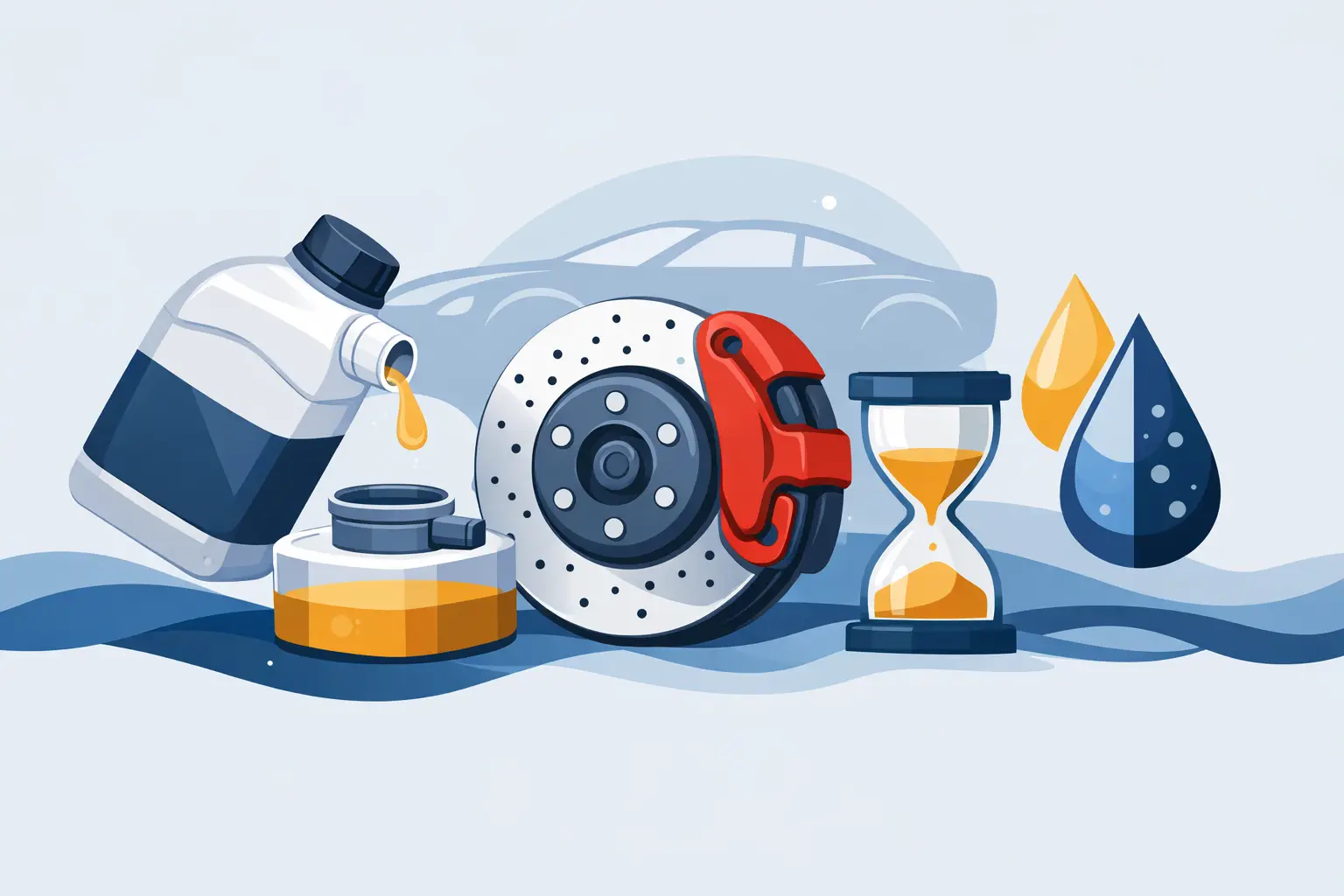
A brake pedal that feels soft, sinks farther than normal, or changes after a long downhill drive is not something to ignore. When you replace brake fluid at the right interval, you protect one of the most important safety systems on your vehicle: the hydraulic system that transfers pedal pressure into stopping power.
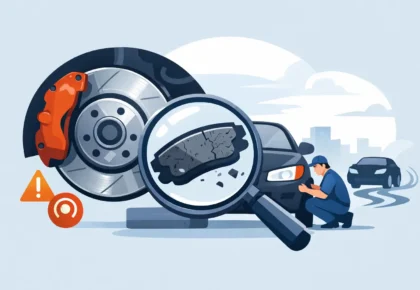
Brake pads and rotors get most of the attention because they are visible wear items. Brake fluid works behind the scenes, but old or contaminated fluid can affect pedal feel, braking performance, and the condition of expensive parts such as calipers, master cylinders, and ABS components. It is a small maintenance job with a big role in keeping your vehicle dependable.
What Brake Fluid Does
Your brake system uses hydraulic pressure. When you press the pedal, brake fluid carries that force through brake lines to the calipers or wheel cylinders. The pads then clamp the rotors, or the shoes press against the drums, to slow the vehicle.
For this process to work properly, the fluid needs to remain stable under heat and resist contamination. Brakes generate serious heat, particularly in stop-and-go traffic, when towing, on steep grades, or when a work vehicle is carrying equipment. Fresh fluid has a high boiling point, allowing it to keep transferring pressure reliably when the system is working hard.
Most passenger vehicles use DOT 3, DOT 4, or DOT 5.1 brake fluid. These fluids are generally glycol-based and absorb moisture over time. DOT 5 is silicone-based and is not interchangeable with common DOT 3, DOT 4, or DOT 5.1 fluids. Using the wrong fluid can damage seals or create braking problems, so the correct specification in your owner’s manual always comes first.
Why You Need to Replace Brake Fluid
Moisture is the main reason brake fluid needs regular attention. Even though the system is sealed, small amounts of moisture can enter through hoses, seals, and normal air exchange at the reservoir. It is not usually noticeable day to day, but it adds up over months and years.
As moisture content rises, the fluid’s boiling point drops. Under heavy braking, contaminated fluid may get hot enough to boil. That can create vapor in the hydraulic system, and vapor compresses far more easily than fluid. The result can be a soft pedal, reduced braking response, or brake fade when you need firm stopping power most.
Old fluid can also contribute to internal corrosion. Rust and debris inside brake lines, calipers, wheel cylinders, and the ABS hydraulic unit may lead to leaks, sticking components, or costly repairs. A brake fluid service is preventive maintenance, not just a response to a warning light.
There is a trade-off: replacing fluid too frequently is unnecessary cost, but leaving it for many years can put the system at risk. The right schedule depends on the vehicle manufacturer’s recommendation, the age of the vehicle, and how it is used.
When to Replace Brake Fluid
Many manufacturers recommend brake fluid replacement every two to three years, while some specify a mileage interval or inspection-based schedule. Start with your vehicle’s maintenance guide. If it gives a time-based interval, follow it even when the vehicle has low miles, because moisture absorption is affected by time as well as driving.
You may need service sooner if your vehicle works hard. Frequent towing, heavy loads, mountain driving, repeated stop-and-go trips, track use, or off-road travel can place more heat stress on the braking system. Tradies, trailer owners, and drivers with 4WDs should be especially careful about keeping up with brake inspections and fluid changes.
A proper workshop can test the fluid condition rather than judging it only by color. Dark fluid often suggests age or contamination, but fluid can look reasonably clear and still contain enough moisture to affect its performance. Moisture testing and a full brake inspection provide a more reliable answer.
Signs Your Brake Fluid May Need Attention
A change in pedal feel is one of the clearest signs. If the pedal feels spongy, travels farther than usual, or requires pumping before it firms up, have the vehicle inspected promptly. These symptoms can be caused by old fluid, air in the system, a leak, or a mechanical brake fault.
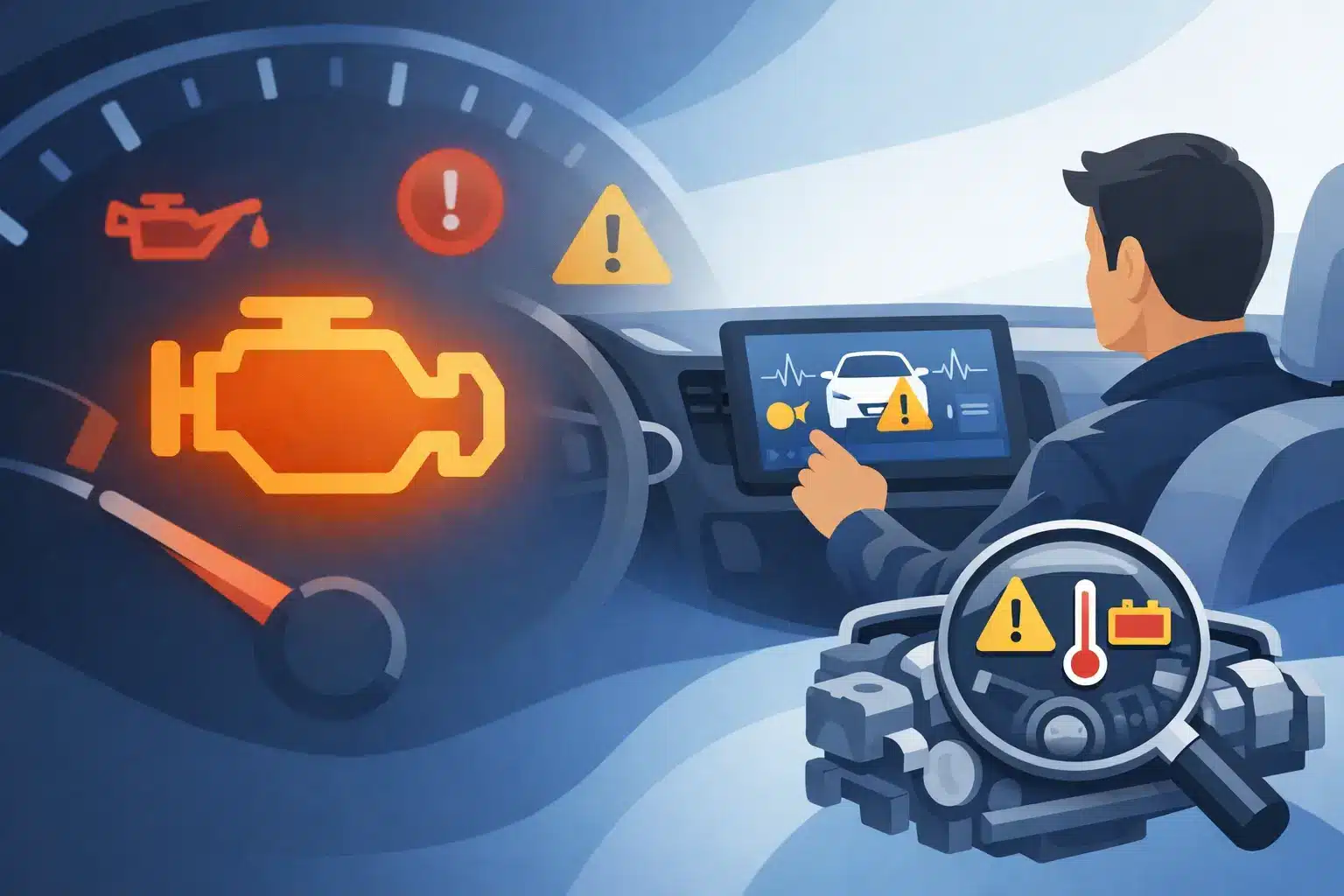
Other warning signs include a brake warning light, low fluid in the reservoir, a burning smell after braking, pulling to one side, or reduced braking response. Low brake fluid is not always a simple top-up issue. It can indicate worn brake pads, a leak, or a problem inside the hydraulic system.
Never rely on a fluid top-up to fix a brake problem. If the level has dropped significantly, the cause needs to be found. Adding fluid without checking the system can hide an issue that becomes more serious later.
A Brake Fluid Flush Is More Than Draining the Reservoir
A proper brake fluid replacement, often called a brake fluid flush, removes old fluid from the reservoir, master cylinder, brake lines, calipers, and wheel cylinders. Simply removing fluid from the reservoir and adding new fluid does not replace what is sitting throughout the system.
During the service, a technician uses the manufacturer-approved fluid and bleeds each brake circuit in the correct sequence. This pushes old fluid and any trapped air out of the system while keeping the reservoir filled. On vehicles with ABS, stability control, or other advanced brake systems, correct procedures matter even more. Some models require a scan tool procedure to cycle valves in the ABS unit and properly renew the fluid.
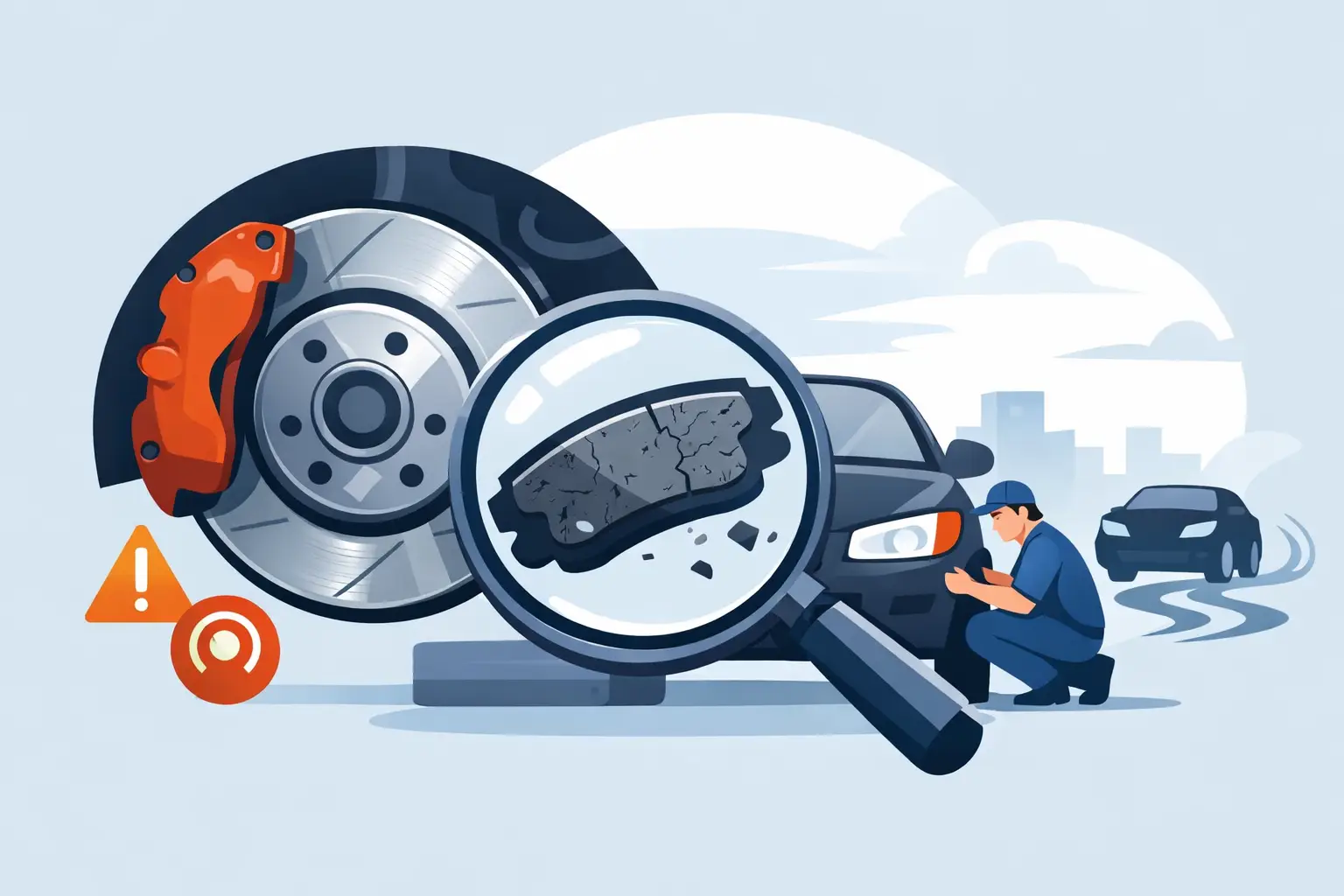
The technician should also inspect the visible condition of brake hoses, lines, calipers, rotors, pads, and the master cylinder area. A fluid flush is a good time to catch uneven pad wear, seized slide pins, leaking calipers, or cracked hoses before they turn into a bigger repair.
Can You Replace Brake Fluid Yourself?
It is possible for an experienced home mechanic to replace brake fluid, but it is not an ideal first DIY job. The work requires the right fluid, clean equipment, a safe lifting method, and a careful bleeding process. Brake fluid can damage painted surfaces, and any air introduced into the system can leave you with an unsafe pedal.
The biggest risk is using the wrong fluid or bleeding the system incorrectly. Some vehicles have specific procedures for electronic parking brakes, ABS systems, and brake-by-wire technology. If you are unsure about the fluid type, bleed order, or whether your vehicle needs diagnostic equipment, professional service is the safer option.
It is also worth remembering that brake fluid should not be poured down a drain or thrown in regular trash. Used fluid needs to be handled and disposed of correctly.
How Brake Fluid Service Fits Into Routine Maintenance
Brake fluid service works best as part of a broader brake check. Pads and rotors may wear based on mileage, while fluid ages based on time and moisture exposure. You can have plenty of pad material left and still be due for fresh fluid.
Ask for a brake inspection during regular oil service, before a long road trip, or when preparing a vehicle for towing season. This is particularly useful for family vehicles and work vehicles where downtime is expensive and reliability matters every day.
At Ryan Automotive and Tyres, a brake service can be handled alongside routine maintenance, tire work, suspension checks, and wheel alignment, saving you from booking multiple stops. If the vehicle needs pads, rotors, hoses, or a brake fluid flush, the goal is to identify what is actually needed and keep the work practical and affordable.
Don’t Wait for a Brake Warning Light
A brake warning light deserves immediate attention, but waiting for one is not a maintenance plan. Brake fluid can lose performance gradually, with no dashboard message and no obvious noise from the vehicle. Following the recommended service interval is the simplest way to avoid that uncertainty.
If your pedal has changed, you are due by time, or you cannot remember when the fluid was last replaced, arrange a brake inspection. Fresh brake fluid will not fix every braking issue, but it gives your hydraulic system the clean, heat-resistant foundation it needs to help you stop with confidence.