Best Tyres for Work Utes: Choose for the Job
A work ute that spends its week carrying tools, towing trailers, crossing job sites, and clocking freeway miles needs more than a good-looking set of tires. The best tyres for work utes are the ones that suit the load, roads, and conditions your vehicle actually faces – while helping you avoid costly downtime.
For many tradies and fleet operators, tire choice comes down to a practical balance: dependable grip, a tough construction, long wear, and a price that makes sense over the life of the tire. The right answer is not always the most aggressive all-terrain tire on the rack. It depends on how and where your ute earns its keep.
Start With Your Workload, Not the Tread Pattern
Before choosing a tire, look honestly at the vehicle’s average week. A ute used mainly on sealed roads with a ladder rack and a loaded tray has different needs from a 4WD that regularly visits muddy sites, gravel access roads, or rural properties. Towing a trailer also adds heat, weight, and braking demands that lighter passenger tires may not handle well.
Load rating should be one of the first checks. Every tire has a load index, which shows the maximum weight it can carry at the specified pressure. The tires must be rated to safely carry the vehicle, passengers, tools, tray setup, tow-ball load, and any equipment you carry. If your ute is regularly loaded, choosing tires purely by price can lead to faster wear, weaker handling, and a greater risk of damage.
Also check the speed rating, the correct tire size, and the vehicle manufacturer’s approved specifications. Moving to a different size can affect speedometer accuracy, braking, steering feel, clearance, and legal compliance. A professional fitting and wheel alignment can prevent an expensive mistake before it reaches the road.
Best Tyres for Work Utes by Driving Conditions
Highway-terrain tires for road-focused work
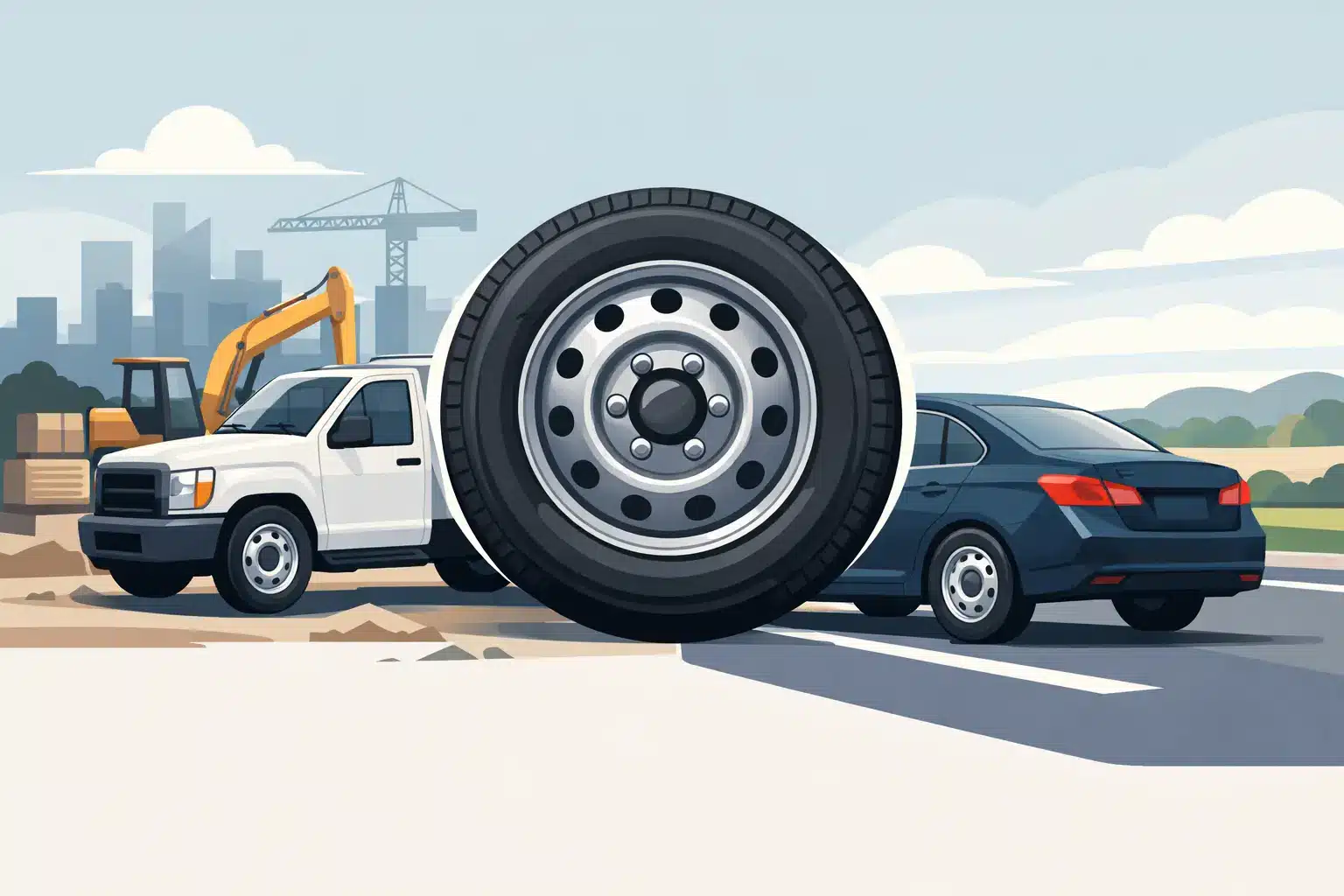
Highway-terrain tires suit work utes that spend most of their time on pavement. They are usually quieter, more fuel-efficient, and smoother riding than all-terrain or mud-terrain options. For service vehicles, delivery utes, and tradespeople traveling between jobs across town or on highways, that can make a real difference over a long week.
A quality highway-terrain tire with an appropriate load rating is often the best value for a road-based ute. Its tread is designed to wear evenly on pavement and clear water effectively in wet weather. The trade-off is limited bite on loose dirt, wet grass, deep gravel, and mud.
All-terrain tires for mixed work sites
All-terrain tires are a strong middle ground for utes that work on the road but regularly turn onto unsealed access tracks, construction sites, paddocks, or gravel roads. They have a more open tread than highway tires, giving better traction on loose surfaces without becoming as noisy or heavy as a dedicated mud tire.
This is often the most sensible choice for a 4WD work ute that sees mixed conditions. Look for an all-terrain tire with a reinforced carcass or sidewall if sharp rocks, debris, and rough site entrances are common. Expect some extra road noise and, depending on the model, a small fuel economy penalty compared with a highway-terrain tire.
Mud-terrain tires for serious off-road access
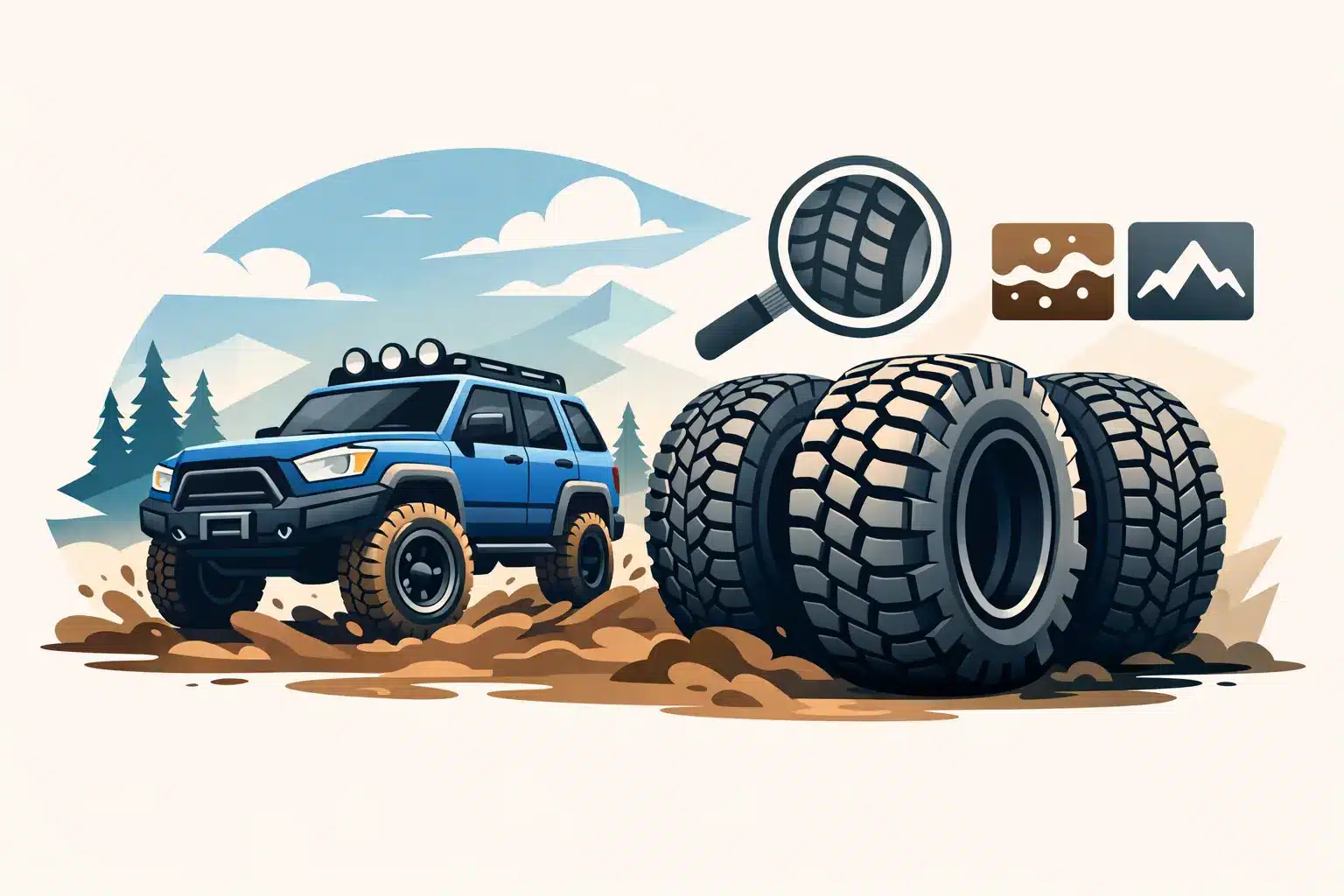
Mud-terrain tires are built for maximum traction in soft ground, deep ruts, mud, and rough off-road conditions. Their deep, widely spaced tread blocks are effective at clearing mud and finding grip where a highway tire would pack up.
They are not automatically the best choice for every work ute. On-road, mud tires can be louder, wear faster, use more fuel, and offer less composed wet-road behavior than a highway or all-terrain option. They make sense when difficult off-road access is part of the job, not simply because the tread looks tough.
Light-truck tires for frequent loads and towing
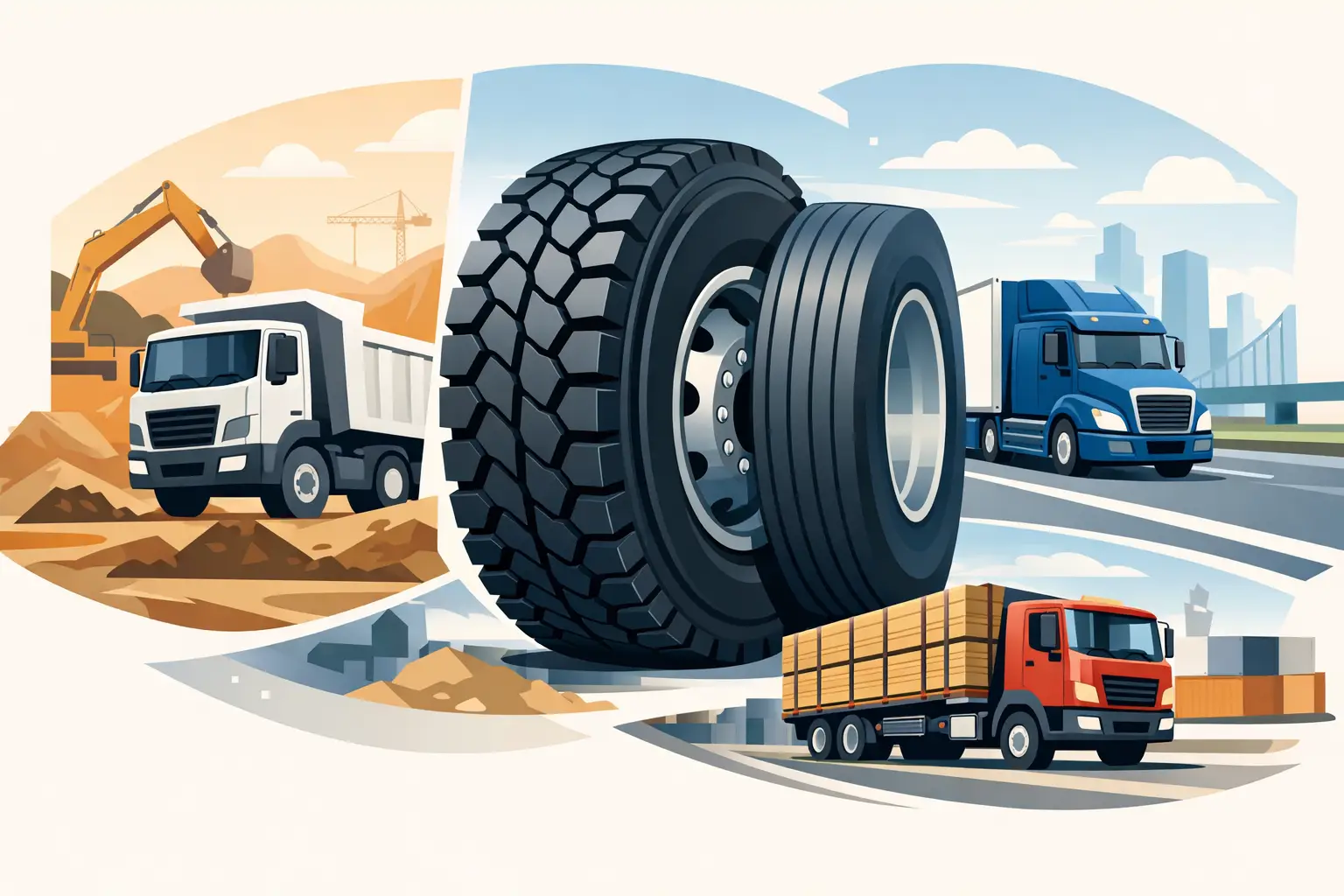
If your ute is consistently loaded or regularly pulls a work trailer, light-truck construction deserves close attention. Often marked with an LT designation, these tires are designed with stronger casings for carrying weight and resisting punctures. They can be a smart upgrade for vehicles doing hard commercial duty.
The stronger build usually comes with a firmer ride and sometimes more weight. But for a loaded ute, that trade-off can be worthwhile. A tire that remains stable under load, resists sidewall damage, and holds up through repeated work cycles can save money compared with replacing softer tires too soon.
Tread Life Matters, but So Does How It Wears
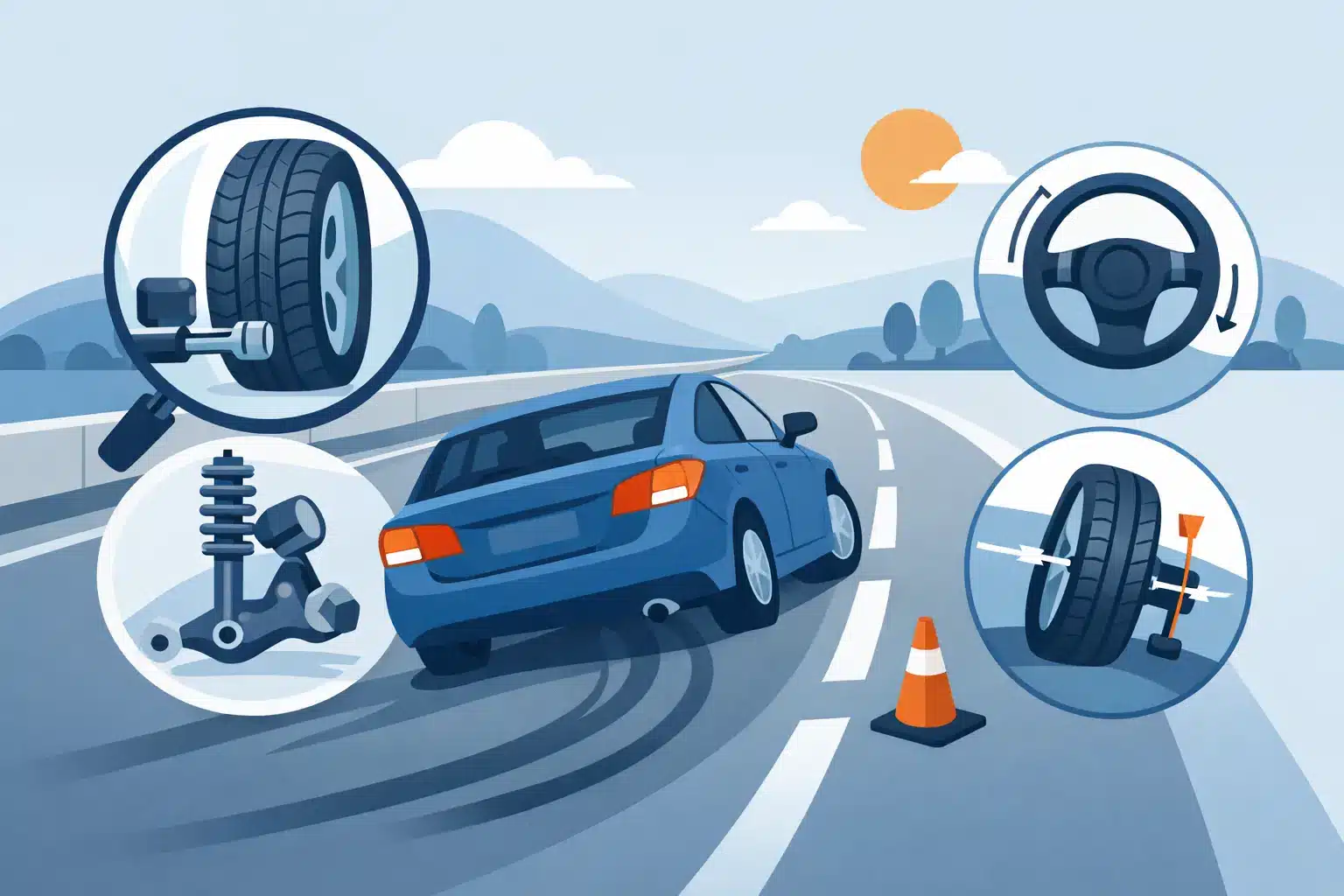
A long mileage warranty can look appealing, but tread life is only useful when the tire wears evenly. Underinflation wears the shoulders, overinflation wears the center, and poor wheel alignment can destroy a good tire quickly. A ute with worn suspension parts, incorrect toe settings, or an overloaded tray can scrub tread away long before its time.
Work vehicles should have tire pressure checked regularly, especially before towing or carrying a heavy load. Use the vehicle placard as the starting point, then follow the tire maker’s load and pressure guidance where applicable. Do not assume that the pressure used for an empty commute is suitable for a fully loaded workday.
Rotating tires at regular service intervals helps spread wear across all four corners. If your ute has a full-size matching spare, including it in the rotation may extend the useful life of the whole set. A wheel balance and alignment are also worth doing whenever new tires are fitted, after a hard pothole hit, or when you notice pulling, vibration, or uneven wear.
Do Not Ignore Wet Grip and Braking
A busy work schedule does not stop when the weather turns. Wet-road grip is a major safety factor, particularly for a loaded ute that needs more distance to stop. Look for tread designs with effective water channels and choose a tire from a reputable manufacturer with a proven wet-weather performance record.
Aggressive tread alone does not guarantee better wet-road braking. In fact, the best tire for muddy ground may be a compromise on the freeway in heavy rain. Consider where most of your emergency braking is likely to happen. For many work vehicles, it is on wet pavement between jobs, not in the middle of a trail.
Match the Tire to the Vehicle Setup
A standard single-cab work ute, a dual-cab 4WD with a canopy, and a heavily equipped service vehicle all place different demands on tires. Added accessories such as steel trays, drawers, water tanks, roof racks, compressors, and towing gear increase vehicle weight. That weight should be considered before ordering a new set.
It is also worth checking whether the front and rear tires are wearing at different rates. A vehicle with constant rear-tray weight may need closer attention to rear pressure and rotation intervals. If you tow often, inspect tires for heat damage, cracking, bulges, nails, and sidewall cuts before a long trip.
At Ryan Automotive and Tyres, a work ute can be assessed as a complete package – tire condition, load needs, wheel alignment, suspension wear, and the vehicle’s intended use. That approach helps avoid fitting a tire that is right on paper but wrong for the work you do.
When It Is Time to Replace Your Work Ute Tires
Replace tires when the tread is worn close to the legal limit, but do not wait for that point if wet grip has noticeably reduced or the wear is uneven. Cracks in the sidewall, exposed cords, bulges, repeated air loss, and serious cuts are all reasons to have the tire inspected immediately.
A puncture is not always repairable. Damage in the shoulder or sidewall, or a tire driven flat, may require replacement rather than a patch. For 4WD and all-wheel-drive vehicles, significant differences in tread depth between tires can also affect the drivetrain, so ask whether replacing a pair or full set is the smarter option.
The right tire should make the workday easier, not become another job on the list. Choose for the weight you carry, the roads you travel, and the conditions you cannot avoid, then keep the set properly inflated, aligned, and inspected. Your ute will be safer, steadier, and better prepared for the next callout.