What Fails a Pink Slip? Common NSW Rego Issues
A pink slip can feel like a quick box to tick before renewing your NSW registration – until the inspector finds a safety issue you did not know was there. If you are asking what fails a pink slip, the short answer is any fault that makes the vehicle unsafe, unroadworthy, or non-compliant with NSW inspection requirements.
Most failures are not mysterious. Worn tires, weak brakes, broken lights, damaged wipers, steering play, leaks, and warning lights are common reasons vehicles do not pass. The good news is that many are straightforward to repair when they are found early.
What a Pink Slip Inspection Checks
A pink slip is the commonly used name for an NSW eSafety inspection report. It is generally needed when renewing registration for a vehicle that is more than five years old. The inspection focuses on whether the vehicle is safe to drive on public roads. It is not the same as a full mechanical service, and it will not predict every future repair.
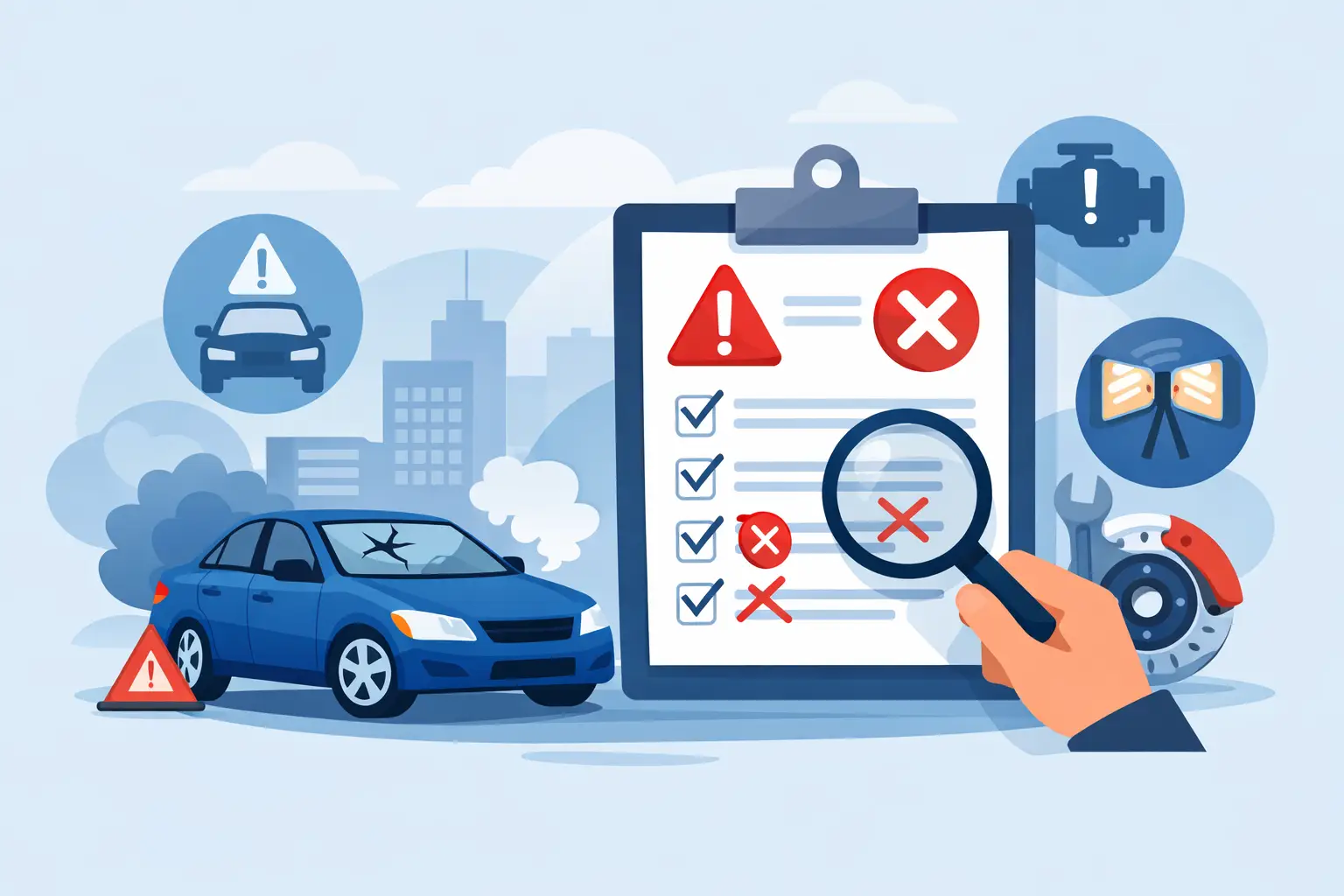
The inspection looks at the safety-related condition of key areas including brakes, tires and wheels, steering, suspension, lights, seat belts, windscreen condition, body damage, exhaust, and visible leaks. An inspector may also identify issues through the vehicle’s warning lamps and basic operational checks.
A vehicle can be reliable enough to get you to work each day and still fail because one safety item has been overlooked. That is why a pre-inspection check is worthwhile, especially if your registration date is close.
Tires and Wheels That Fail a Pink Slip
Tires are one of the most common pink slip failure points because their condition is easy to miss until they are seriously worn. In NSW, passenger vehicle tires need at least 1.5 mm of tread across the required area of the tire. If the tread bars are level with the surface, it is time to replace the tire.
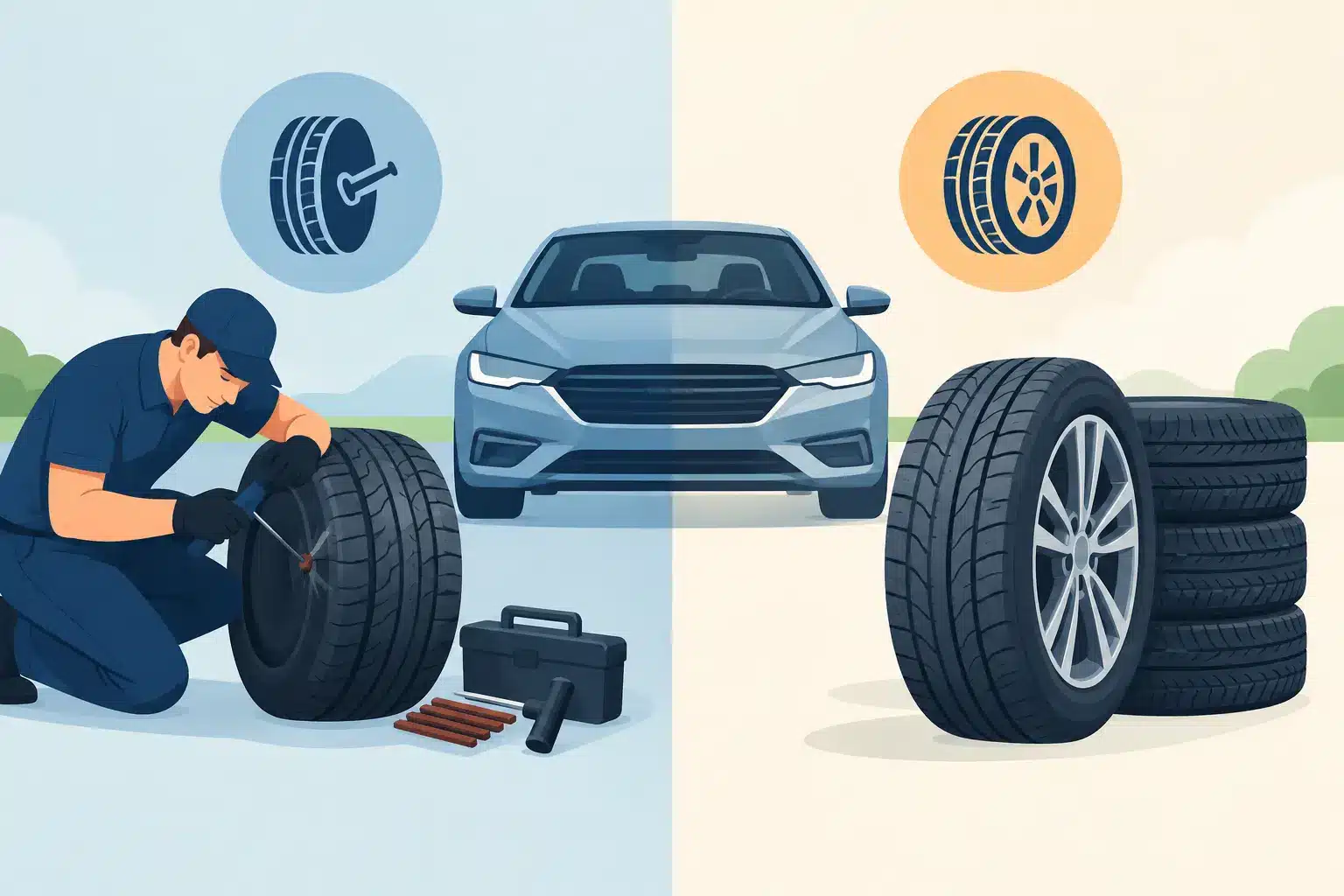
However, tread depth is not the only concern. A tire may fail if it has exposed cords, sidewall cracks, deep cuts, bulges, or uneven wear that points to a suspension or wheel alignment problem. A nail or screw in the tread does not always mean the tire automatically fails, but a leak or unsafe repair will need attention.
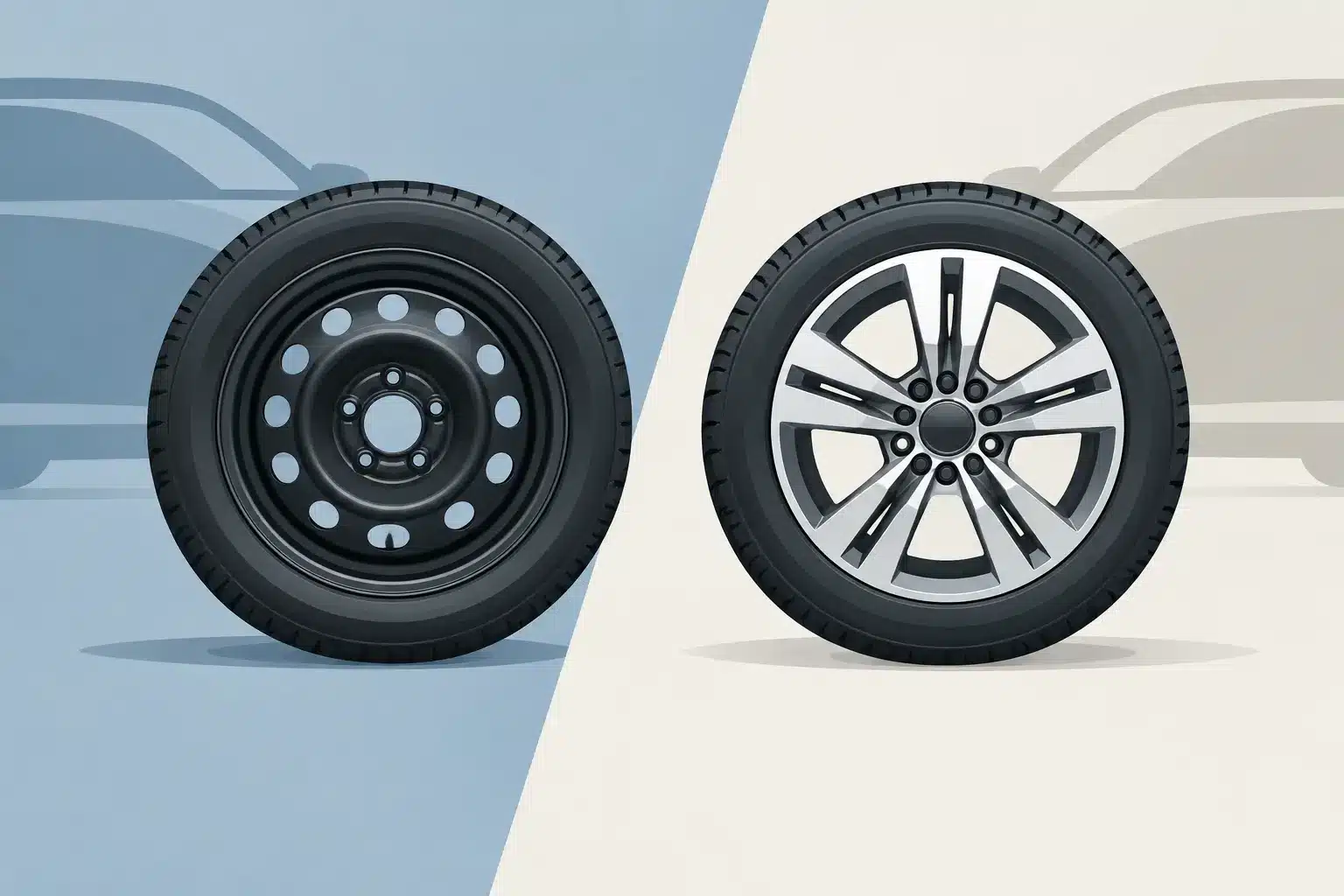
Wheels also need to be secure and in serviceable condition. Cracked rims, loose wheel nuts, wheel damage that affects safety, or tires rubbing on bodywork or suspension components can stop the vehicle from passing. For 4WDs, work utes, trailers, and modified vehicles, correct tire size and clearance matter just as much as tread.
Brake Problems Inspectors Cannot Ignore
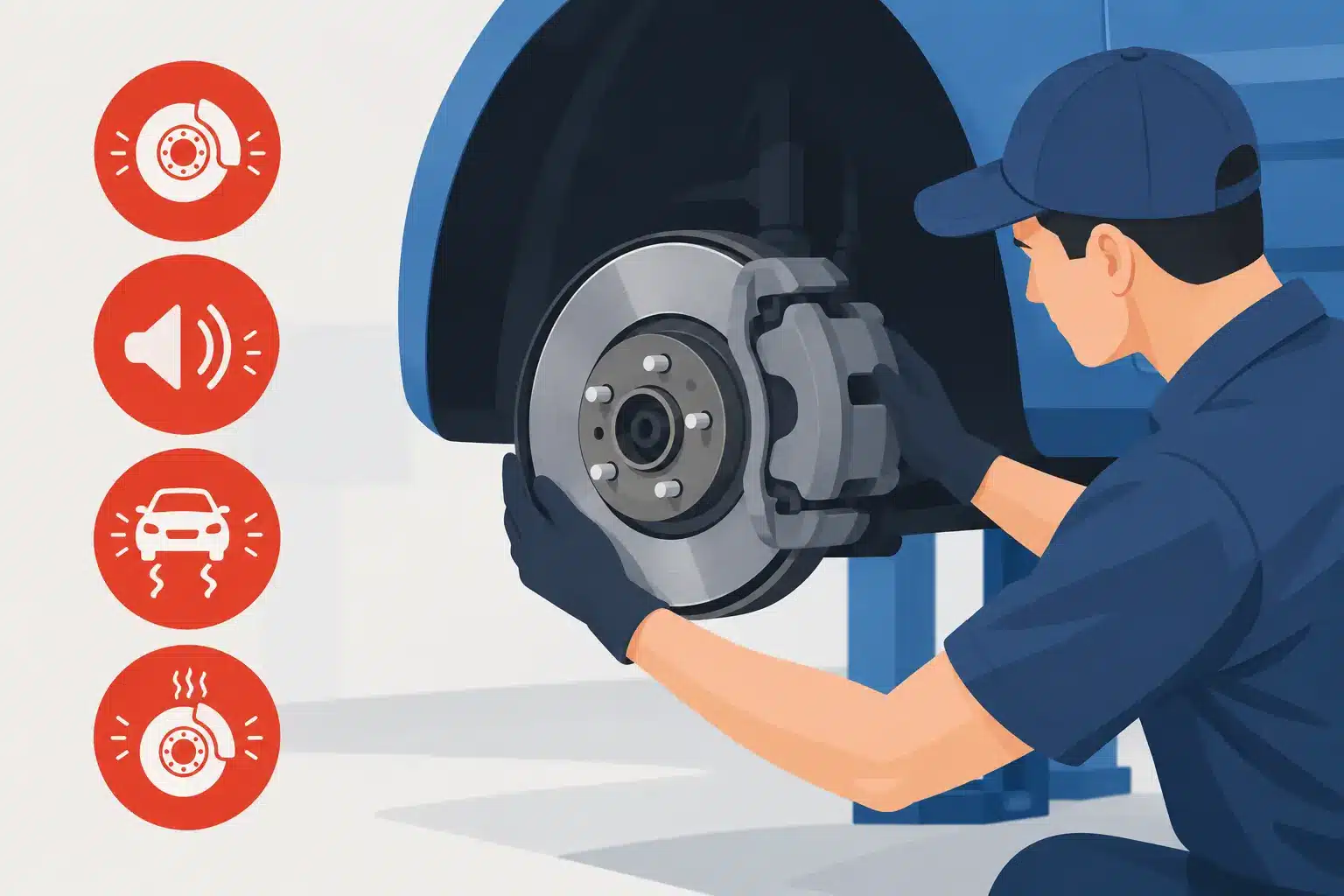
Brakes are not an area to gamble on. A pink slip can be failed for brake components that are worn, damaged, leaking, poorly adjusted, or not working as intended. This can include thin brake pads, severely worn discs, leaking wheel cylinders, damaged brake hoses, seized calipers, or an ineffective parking brake.
Drivers often notice warning signs before an inspection. Squealing or grinding noises, a brake pedal that feels soft, pulling to one side under braking, vibration through the steering wheel, or a handbrake that barely holds on a hill all need checking.
An illuminated brake warning light or ABS warning light can also lead to further assessment. These lights are there for a reason. Even if the vehicle still stops, an ABS or brake system fault should be diagnosed properly rather than cleared or ignored.
Lights, Wipers, and Visibility Issues
A simple blown globe can fail a pink slip. The vehicle’s headlights, high beams, tail lights, brake lights, turn signals, reverse lights, number plate light, and hazard lights need to operate correctly where fitted. Headlights also need to be aimed properly. Lights that point too high can glare other drivers, while lights aimed too low reduce your own visibility.
Cloudy, cracked, loose, or water-filled headlights may also need attention if light output or safe operation is affected. Do not forget to check lights with someone standing behind the vehicle, since brake light and turn signal faults are not always visible from the driver’s seat.
Wipers and washers matter too. If wiper blades streak badly, split, or fail to clear the driver’s view, replace them before the inspection. A cracked windscreen is not automatically a failure in every case, but damage in the driver’s critical viewing area, damage that compromises the glass, or a crack likely to spread can be a problem.
Steering, Suspension, and Underbody Faults
Your vehicle should steer predictably and remain stable over bumps, corners, and braking. Excessive free play in the steering wheel, worn tie rod ends, damaged ball joints, leaking or weak shock absorbers, broken springs, and worn suspension bushes can all contribute to a failed inspection.
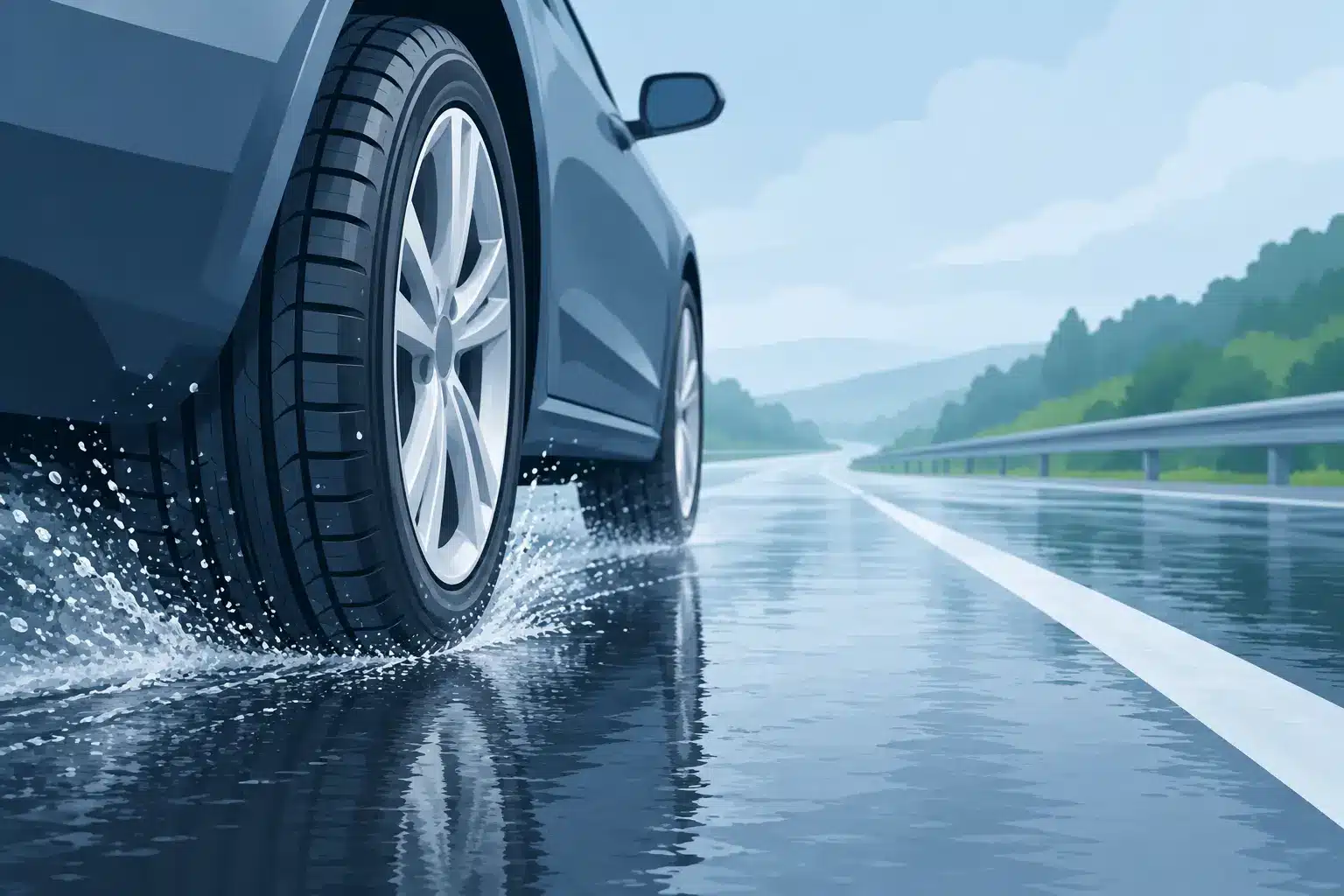
These faults do more than make the ride feel rough. They can cause uneven tire wear, poor handling, longer stopping distances, and reduced control in wet conditions. A clunk over bumps, wandering on the road, vibration at speed, or a vehicle sitting noticeably low on one corner are all reasons to book a check before your pink slip is due.
The underside of the vehicle is also inspected for structural concerns. Serious rust, cracked mounting points, loose components, damaged chassis areas, or corrosion that weakens a safety-related part can fail. Surface rust is different from structural corrosion, so the outcome depends on where it is and how severe it has become.
Leaks, Exhaust Smoke, and Engine Warning Lights
Not every damp area under an engine causes a pink slip failure. Older vehicles can develop minor seepage around gaskets and seals. But active or excessive leaks from the engine, transmission, brakes, fuel system, cooling system, or power steering system may fail if they create a safety risk, are likely to drip, or affect how the vehicle operates.
Fuel leaks are particularly urgent. If you smell fuel around the car, see a puddle under it, or notice a damaged fuel line, do not wait for the inspection date. Have it repaired before driving further where possible.
The exhaust must be secure, not excessively noisy, and free of leaks that could allow fumes into the cabin. Heavy visible smoke can also point to an emissions or engine condition issue. A check-engine light does not always tell you exactly what has failed, but it should be scanned and diagnosed before a pink slip. Warning lights for airbags, ABS, brakes, or engine systems should never be treated as decoration on the dashboard.
Seat Belts, Doors, and Other Safety Equipment
Seat belts must latch, retract, and lock correctly. Frayed webbing, damaged buckles, missing belts, or belts that do not retract properly are clear safety concerns. Airbag warning lights should also be investigated, as they can indicate that a restraint system fault has been stored.
Doors, bonnet latches, and tailgates need to close and latch securely. A door that can open unexpectedly is not a minor issue. Mirrors must provide an adequate rearward view, and the horn needs to work. These details may seem small compared with an engine repair, but they are part of the vehicle’s basic road safety equipment.
Modifications Can Change the Outcome
Modified vehicles can pass a pink slip, but the work needs to be safe, legal, and suitable for the vehicle. Lift kits, oversized tires, wheel spacers, altered suspension, loud exhausts, aftermarket lights, and major engine changes can raise compliance questions.
It depends on the modification and how it was installed. For example, a quality suspension lift with suitable tire clearance and compliant components is different from a setup that causes rubbing, poor steering geometry, or unstable handling. If you own a modified 4WD or work vehicle, it pays to have the setup checked well before registration renewal rather than finding out at the inspection counter.
What Happens If Your Vehicle Fails?
A failed pink slip does not mean the vehicle is beyond repair. It means the listed safety items need to be corrected before it can pass. Read the report carefully and prioritize the stated faults rather than guessing at the cause.
In many cases, the fastest path is to have the faults repaired and the vehicle reinspected within the allowed timeframe. A workshop that handles inspections, diagnostics, mechanical repairs, tires, wheel alignments, batteries, and brakes can save you from running between different providers. Ryan Automotive and Tyres can inspect the issue, explain what is needed in plain language, and help get your vehicle ready for the road.
Before you book, take ten minutes to walk around your vehicle. Check every light, look at the tire tread and sidewalls, test the horn and wipers, and pay attention to any dashboard warnings. Catching one worn tire, leaking hose, or blown brake light early can turn registration day into a routine visit instead of an unexpected repair job.