What a Car Mechanic Should Check Before Trouble Starts
That small noise when you brake, the slow crank on a cold morning, or a steering wheel that pulls slightly left can be easy to ignore. A good car mechanic looks beyond the immediate symptom to find what is causing it, helping you avoid a breakdown, failed inspection, or a repair bill that could have been much smaller.
For families, commuters, tradies, and 4WD owners, regular mechanical care is less about ticking a box and more about keeping life moving. The right workshop should be able to service the vehicle, diagnose faults, fit tires, replace a battery, and handle repairs without sending you from one provider to another.
What a car mechanic checks during a proper service
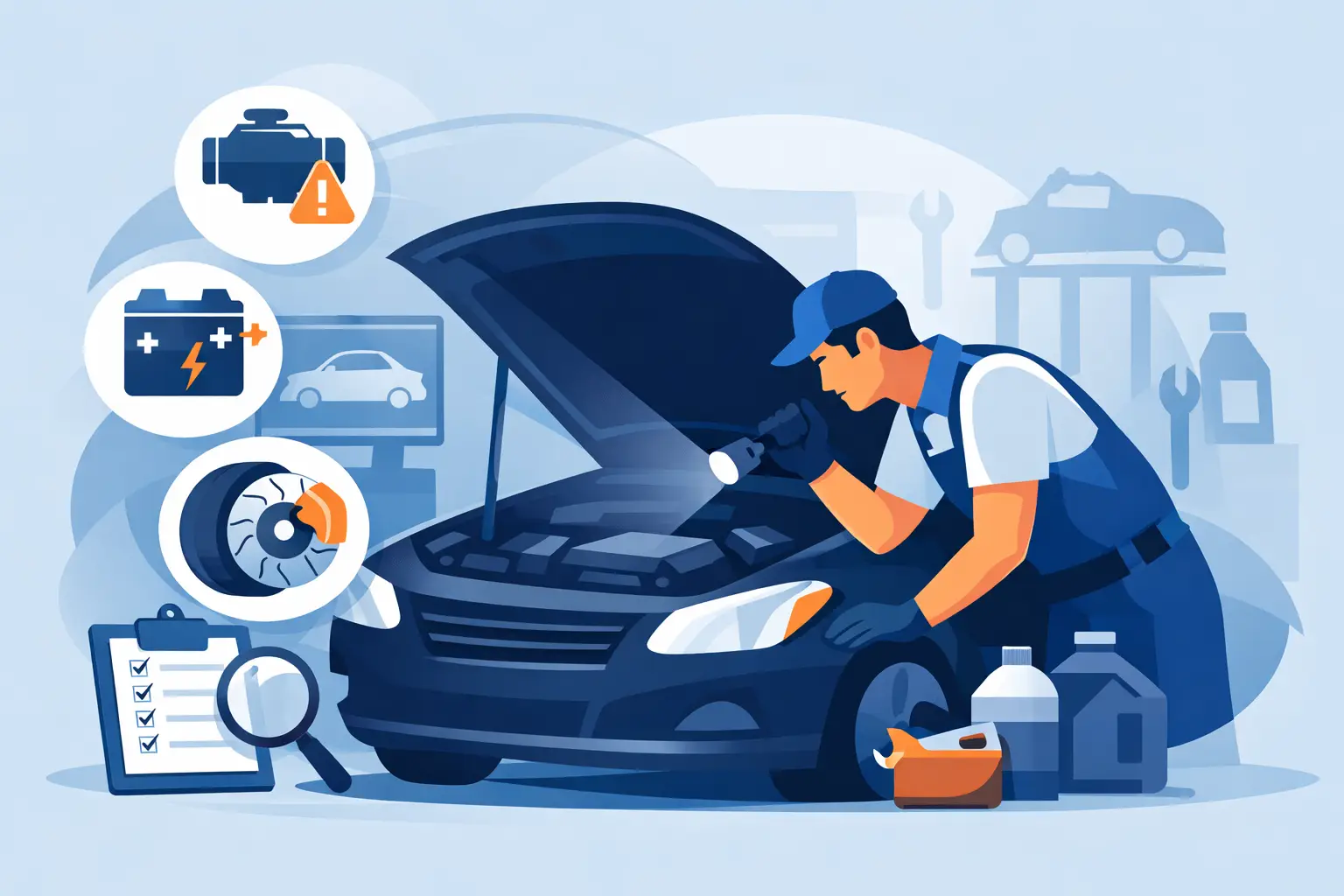
An oil and filter change matters, but it is only one part of worthwhile vehicle maintenance. During a proper service, a mechanic should inspect the systems that affect safety, reliability, and day-to-day running costs.
Engine oil, coolant, brake fluid, transmission fluid, and power steering fluid all need attention at the right intervals. Low or degraded fluids can cause unnecessary wear long before a warning light comes on. A mechanic will also check for fluid leaks, worn belts, damaged hoses, and signs that the engine is not operating as it should.
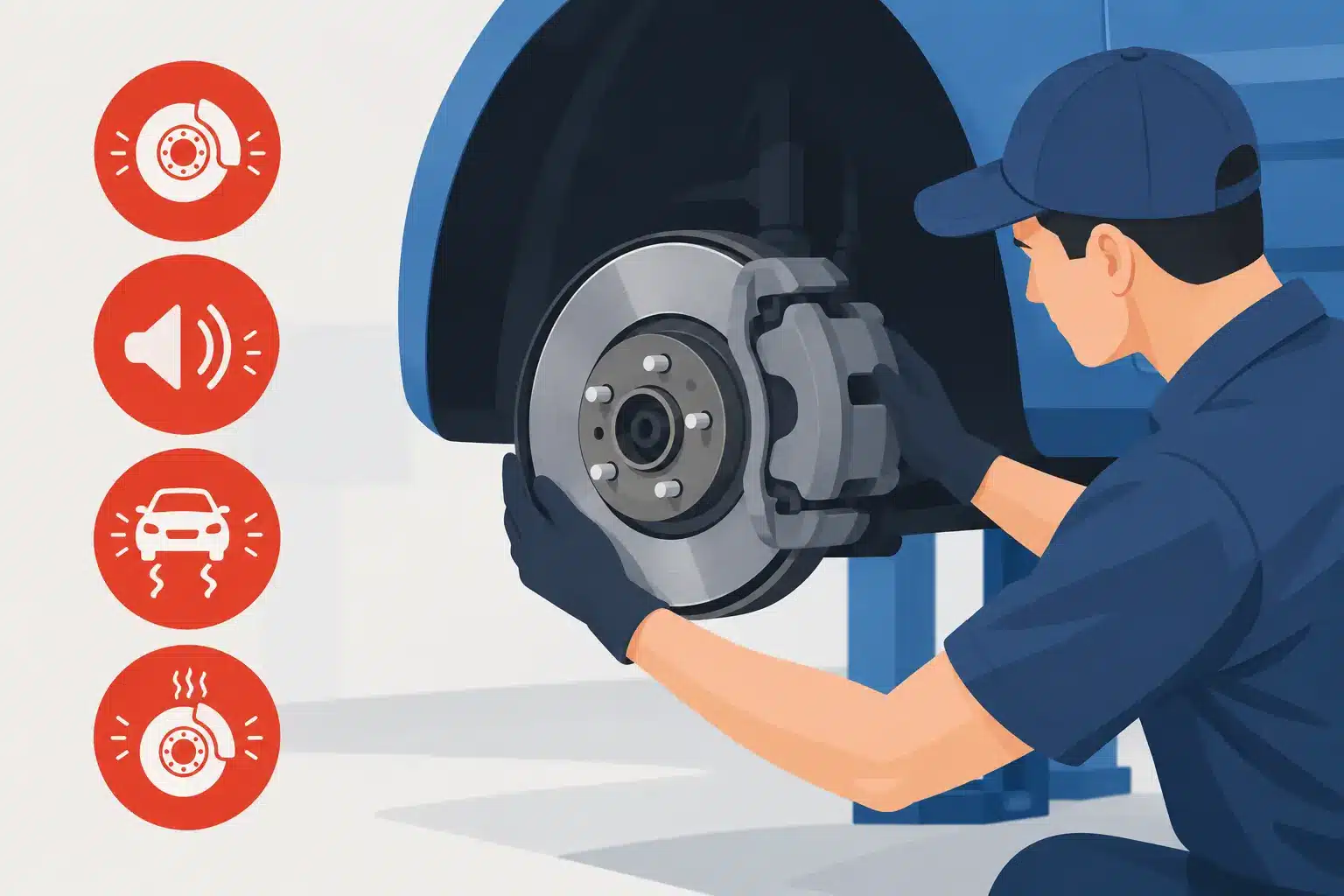
Brakes deserve close attention because wear is not always obvious from the driver’s seat. Brake pads, rotors, calipers, hoses, and fluid condition all affect stopping performance. A squeal may simply mean pads are nearing the end of their life, but grinding, vibration, a soft pedal, or a vehicle that pulls under braking should be inspected promptly.
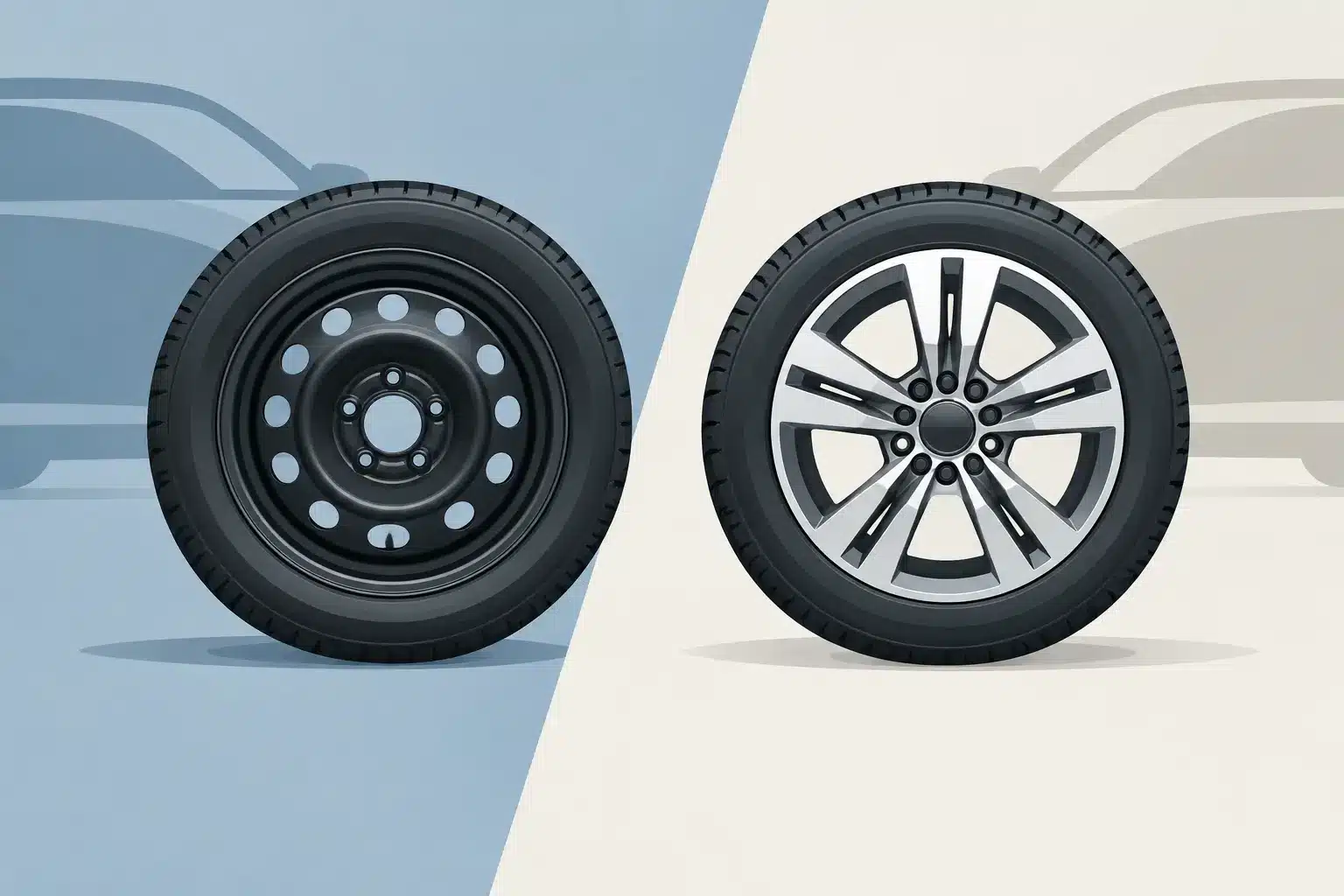
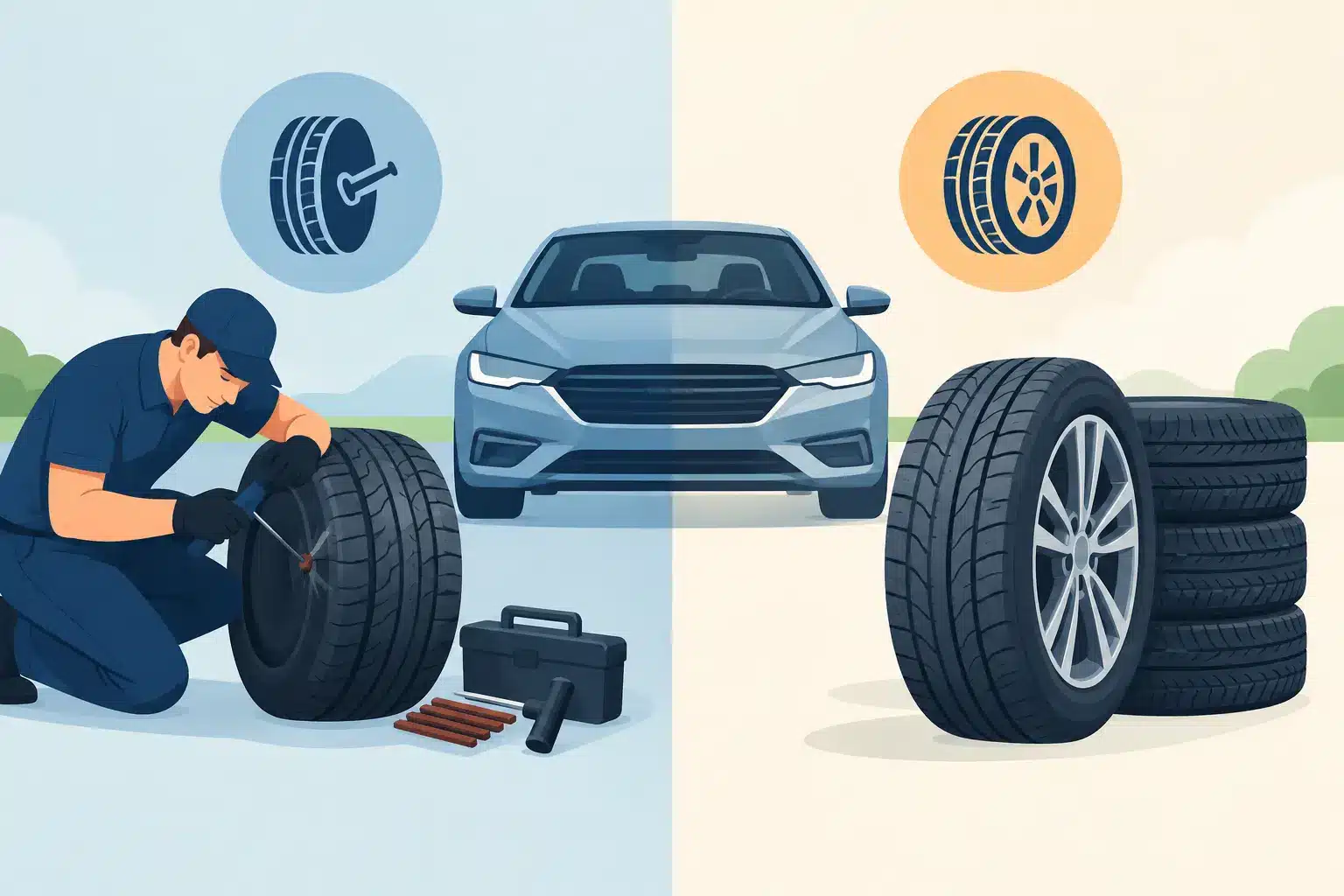
Tires are another major part of the safety picture. The tread depth matters, but so do uneven wear patterns, sidewall damage, tire pressure, wheel balance, and alignment. Tires wearing heavily on one edge may point to an alignment or suspension issue. Replacing the tires without addressing the cause can mean the new set wears out early.
Diagnostics are about finding the cause, not guessing
Modern vehicles have a network of sensors and control modules. When a check engine light comes on, the stored fault code is a starting point, not always the final answer. The code may identify a system that needs further testing rather than naming the exact failed part.
A capable mechanic combines scan-tool data with hands-on checks. They may test battery voltage, charging output, ignition components, fuel delivery, sensors, wiring, or vacuum leaks before recommending repairs. This approach takes more care than replacing parts based on a code alone, but it can prevent spending money on the wrong fix.
Some faults are more urgent than others. A flashing check engine light, overheating warning, oil pressure warning, brake warning light, or sudden loss of power should not be left until the next scheduled service. Pull over safely if necessary and arrange an inspection. Continuing to drive can turn a manageable issue into engine, transmission, or brake damage.
Do not wait for a complete breakdown
Vehicles usually give warning signs before they stop altogether. The key is knowing which changes deserve attention. If your car is taking longer to start, a battery test can reveal whether the battery is weak or whether the alternator is not charging correctly. Replacing a failing battery before it dies can save the inconvenience of being stranded at home, work, or on the roadside.
A clunk over bumps, loose steering, vibration at highway speeds, or a vehicle that wanders across the road can point to worn suspension or steering components. These problems affect comfort, but they also affect tire life, handling, and stopping stability. This is especially relevant for work vehicles, trailers, and 4WDs carrying heavier loads.
Transmission and clutch concerns should also be checked early. Delayed gear changes, slipping, shuddering, difficulty selecting gears, or a burning smell are not issues to simply drive through. Sometimes the answer is fluid maintenance or an adjustment. In other cases, early diagnosis can limit damage before a larger gearbox or clutch repair is needed.
One workshop makes routine care simpler
There is a practical advantage in using a workshop that handles mechanical repairs and tire work in one place. When tires are fitted, the technician can spot alignment concerns, brake wear, or suspension damage that may affect the new tires. When a vehicle is in for service, the same visit can include battery testing, wheel balancing, or a replacement tire if needed.
That convenience matters when downtime costs money. A tradie’s work vehicle, a family SUV, a light truck, or a trailer needs to be road-ready without unnecessary delays. A workshop with broad capability can coordinate the work rather than leaving the owner to book separate appointments for repairs, tires, wheels, and batteries.
Ryan Automotive and Tyres provides that one-stop approach for drivers around Kingswood and Penrith, with mechanical servicing, diagnostics, repairs, tires, wheels, batteries, and inspection-related work available seven days a week. For customers, the value is straightforward: fewer errands, clearer communication, and a vehicle that is checked as a complete system.
How to choose a car mechanic you can rely on
Price matters, but the cheapest quote is not always the lowest-cost outcome. Ask what is included in the service, whether the workshop will contact you before carrying out additional work, and whether the recommended repair addresses an immediate safety issue or can be planned for later. A trustworthy mechanic should explain the issue in plain language and give you room to make an informed decision.
Experience across different vehicle types is useful as well. A daily commuter may need routine maintenance and dependable brakes. A 4WD may need tires suited to road and off-road use, suspension checks, and wheel fitment advice. Light trucks and trailers have their own load, tire, and braking demands. The right recommendation depends on how the vehicle is actually used, not just what fits on paper.
Availability can be a deciding factor when a fault appears unexpectedly. A workshop open seven days can be especially useful when a battery fails on a weekend, a tire is damaged before a trip, or a warning light appears before the work week begins. Services such as local pickup and drop-off or loan cars can also make essential repairs easier to manage.
A simple maintenance routine that pays off
Between professional services, take a few minutes each month to check tire pressures, exterior lights, washer fluid, and any warning lights on the dash. Look under the vehicle after it has been parked for fresh oil, coolant, or other fluid leaks. Pay attention to changes in how the car starts, brakes, steers, shifts, or rides.
Keep service records and follow the manufacturer’s maintenance schedule, while adjusting for hard use when necessary. Stop-start driving, towing, dusty roads, short trips, heavy loads, and extreme heat can all place extra strain on fluids, batteries, brakes, and tires. A vehicle used under tougher conditions may need more frequent attention than one used mainly for relaxed highway driving.
The best time to call a mechanic is often when the problem is still small. A quick inspection for an unfamiliar sound or warning light can protect your safety, your schedule, and your budget before that minor concern becomes the reason your vehicle cannot get you where you need to go.