Engine Oil Leaks: What They Mean for Your Car
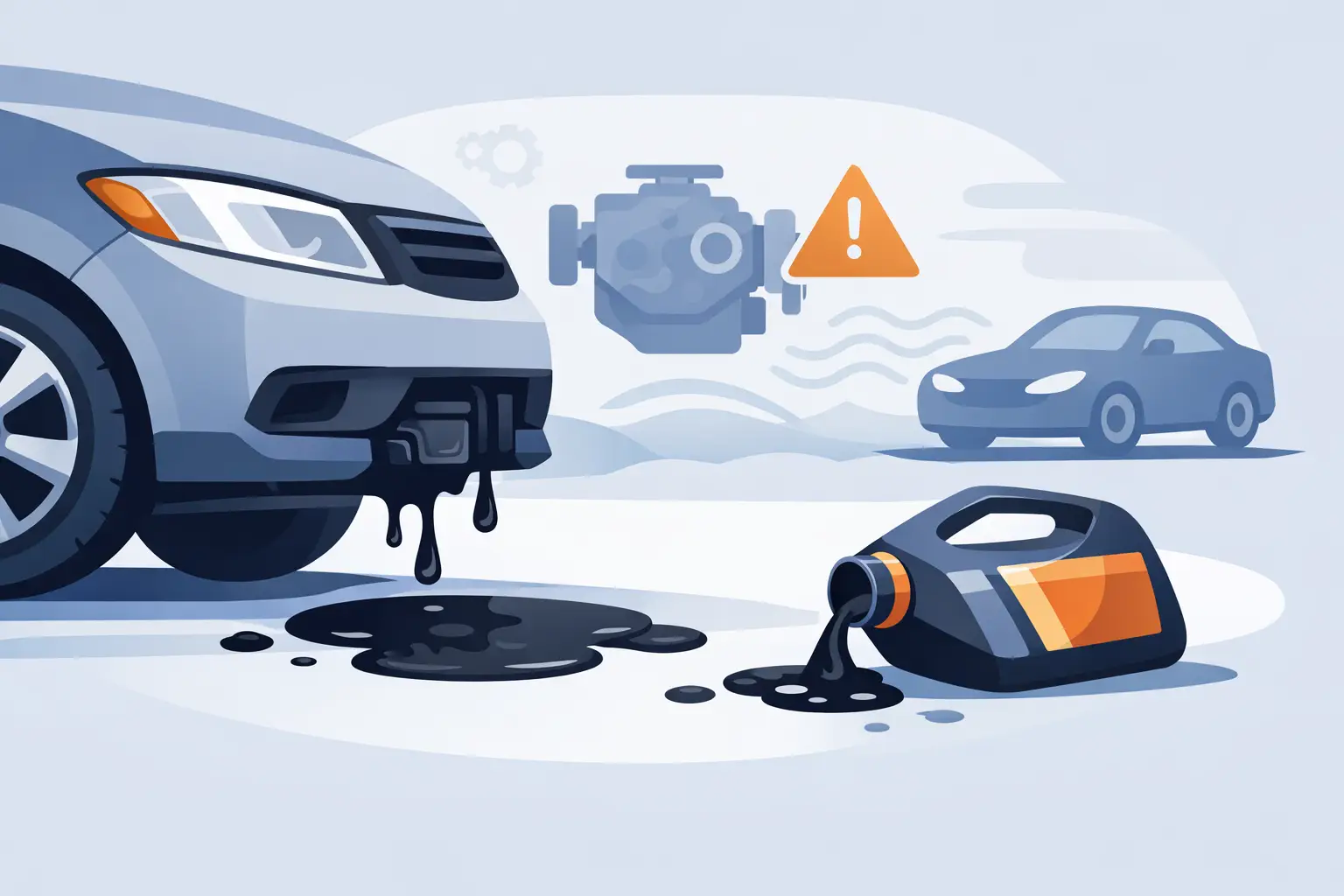
A few drops on the driveway may not seem urgent, but engine oil leaks can turn a reliable daily driver into an expensive repair when the oil level is allowed to fall. Oil keeps moving parts lubricated, carries heat away from critical components, and helps your engine operate as designed. When it escapes, the risk is not just a messy parking spot. It can mean accelerated wear, smoke from the engine bay, failed inspections, and in severe cases, major engine damage.
The good news is that many oil leaks can be repaired before they become a serious problem. The key is finding the source properly instead of guessing based on where the oil lands.
Why engine oil leaks need prompt attention
Your engine circulates oil under pressure through gaskets, seals, and metal surfaces that expand and contract with heat. Over time, rubber seals harden, gasket materials flatten, bolts loosen, and components can develop cracks. A small seep may stay small for a while, but heat, vibration, and continued driving often make it worse.
The amount of oil being lost matters. A light film around an older engine may simply need monitoring, while oil dripping onto the ground after every trip needs attention soon. If the oil warning light comes on, the engine sounds louder than usual, or you notice burning oil smoke, stop driving as soon as it is safe to do so. Continuing to drive with low oil pressure can damage bearings, camshafts, timing components, and other costly internal parts very quickly.
Oil can also leak onto hot exhaust parts. That is why a burning smell or smoke from under the hood should never be ignored, even if the vehicle still seems to run normally.
Common sources of engine oil leaks
The location of the drip is not always the location of the leak. Airflow while driving can spread oil across the underside of the engine and transmission, making a simple repair look more serious than it is. A workshop diagnosis usually involves cleaning the area, checking the oil level, inspecting from above and below, and running the engine to trace fresh oil.
Valve cover gasket
The valve cover sits on top of the engine and seals the area around the valvetrain. Its gasket is commonly made of rubber and is exposed to constant engine heat. When it becomes brittle or compressed, oil can seep down the side of the engine.
This type of leak may cause a burning smell when oil reaches the exhaust manifold. On some engines, oil can also enter spark plug wells, leading to misfires or rough running. Replacing a valve cover gasket is often straightforward, but the cover itself should be checked for warping or cracking before fitting a new seal.
Oil pan gasket or drain plug
The oil pan holds the engine’s oil at the bottom of the motor. Leaks can develop at the pan gasket, especially after years of heat cycles and road vibration. Damage from road debris or a hard impact can also crack or dent the pan.
A leaking drain plug is another possibility, particularly after an oil change. The plug may be loose, cross-threaded, fitted with a damaged washer, or tightened incorrectly. This is one reason to have servicing carried out carefully rather than treating a recurring drip as normal.
Front or rear crankshaft seal
Crankshaft seals sit at the front and rear of the engine where the crankshaft exits the block. These seals work hard and eventually wear. A front seal leak may appear around the timing cover or crank pulley. A rear main seal leak is found between the engine and transmission.
Rear main seal repairs can be more labor-intensive because access may require removal of the transmission. It is a good example of why diagnosis matters: oil from higher up the engine can run down and imitate a rear main seal leak. Replacing the most expensive seal first without confirming the source is poor value.
Timing cover, oil filter housing, and other seals
Timing cover gaskets, camshaft seals, oil cooler lines, oil filter housings, and oil pressure switches can all leak. Modern engines often use molded plastic housings and multiple seals in tight spaces, so even a small leak may require careful inspection.
Oil filter leaks deserve quick attention. A loose filter, a damaged filter seal, or an old gasket stuck to the mounting surface can allow oil to escape rapidly after an oil change. If a leak suddenly appears immediately after service, have it checked before driving any farther than necessary.
Signs you may have an oil leak
Checking under the vehicle is useful, but not every dark spot is engine oil. Transmission fluid, power steering fluid on older vehicles, coolant, and even water from air conditioning can leave marks. Engine oil is usually brown to black, has a slick feel, and may smell burnt after it has been on a hot engine.
Watch for these signs together rather than relying on one clue:
- Fresh brown or black drops under the engine area after the vehicle has been parked.
- A burning oil smell, light smoke from the engine bay, or smoke after stopping in traffic.
- A falling oil level on the dipstick between services.
- Oily buildup around the valve cover, oil pan, filter housing, or underside of the engine.
- An oil pressure warning light, ticking noises, rough running, or an engine that suddenly sounds louder.
Some vehicles use an electronic oil-level display instead of a traditional dipstick. Follow the owner’s manual for the correct checking procedure, as readings may need to be taken on level ground after the engine has been off for a specified time.
What to do when you find oil under your car
First, check the engine oil level with the vehicle parked on level ground and the engine off. If it is low, add the correct oil specification in small amounts until it reaches the safe range. Do not overfill it. Too much oil can create its own pressure and seal problems.
Next, take note of the size and frequency of the leak. Place clean cardboard under the vehicle overnight if needed. This can help show where the drip is landing and whether it is a slow seep or a significant leak. Avoid using stop-leak additives as a first fix. Some may temporarily swell seals, but they do not repair damaged gaskets, cracked components, or incorrect installation. They can also create problems in engines with small oil passages or variable valve timing systems.
If the oil warning light is illuminated, there is a large puddle, smoke is coming from the engine bay, or the engine is making mechanical noise, do not keep driving to see if it improves. Arrange a professional inspection. Towing is usually far cheaper than replacing an engine.
Repairing the cause, not just cleaning the mess
A proper oil leak repair starts with identifying where fresh oil begins. Once the source is confirmed, the repair may be as simple as a new drain plug washer or valve cover gasket. Other jobs, such as an oil pan reseal or rear main seal replacement, take more time because surrounding components must be removed and refitted correctly.
There are trade-offs. On a high-mileage vehicle with a minor seep and stable oil level, monitoring it at regular services may be reasonable. On a family vehicle, work truck, or car that is losing oil noticeably, repairing it promptly protects reliability and avoids downtime. Oil leaks can also contaminate belts, hoses, engine mounts, clutch components, and rubber suspension parts, adding cost if left unresolved.
At Ryan Automotive and Tyres, a workshop inspection can separate a harmless-looking seep from a leak that needs repair now. For drivers around Kingswood and Penrith, having the issue diagnosed alongside routine servicing can save an extra trip and help catch other maintenance needs before they interrupt your week.
Keep checking your oil level until the repair is completed, and do not let a small spot on the driveway become the first warning of a dry engine.