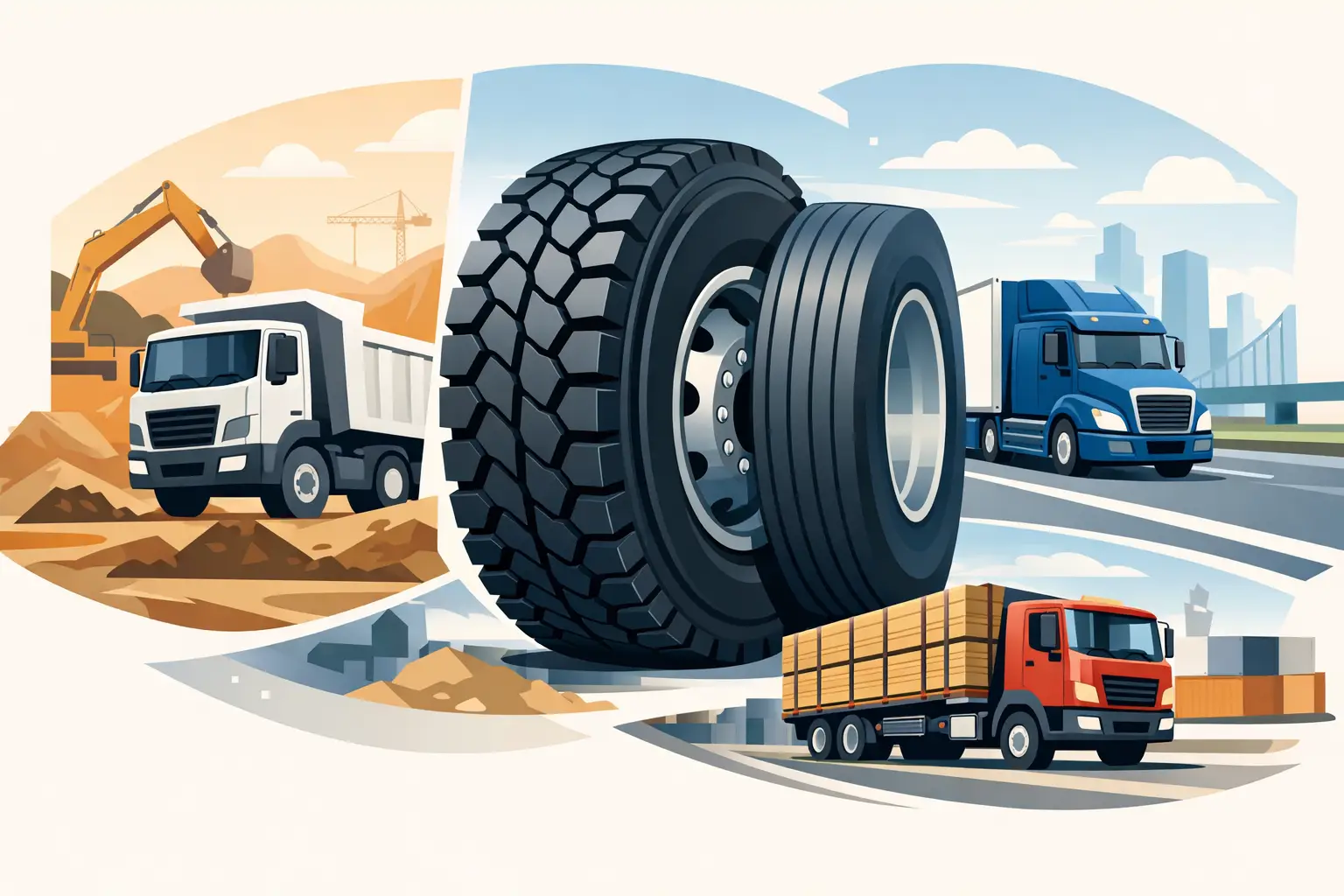
Truck Tyre Options for Work, Road, and Load
A truck that spends its week carrying tools, towing equipment, or clocking up highway miles cannot rely on the same tire choice as a lightly used weekend vehicle. When comparing truck tyre options, the right answer comes down to the work the vehicle does, the weight it carries, the roads it sees, and how much downtime you can afford.
The cheapest tire is not always the lowest-cost choice. A tire that wears too quickly, handles poorly under load, or is not suited to wet roads can cost more in replacements, fuel, lost time, and safety. A practical fitment starts with the manufacturer’s requirements, then matches the tread and construction to your daily workload.
Truck Tyre Options Start With the Job
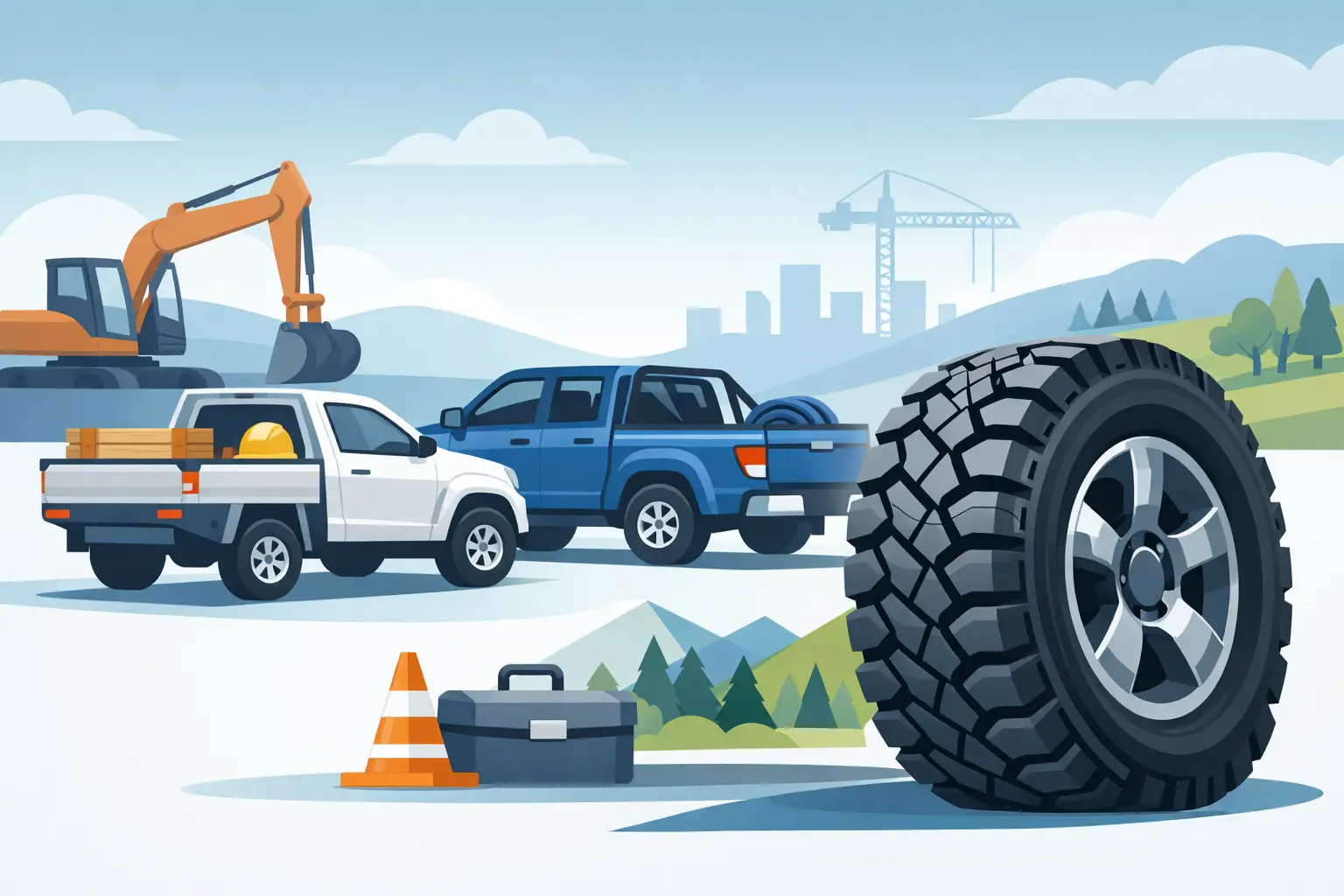
Before choosing a brand or tread pattern, be clear about how the truck is used. A light truck used by a plumber or builder around Penrith has different needs from a delivery vehicle that spends most of its time on the highway. A truck that regularly tows a trailer also places added demand on its tires, especially during braking, cornering, and long-distance travel.
For most work vehicles, the key questions are straightforward: What is the usual load? How often is the truck fully loaded? Does it tow? Is it mainly driven on city streets, highways, job sites, gravel, or mud? And does it need to remain comfortable enough for everyday driving?
Choosing around the toughest regular use case is usually smarter than choosing for the occasional easy trip. If your truck is loaded five days a week, prioritize load capacity and casing strength. If it is mostly unladen but regularly visits rough sites, a tougher all-terrain pattern may make more sense than a highway-focused tire.
Highway and Commercial Road Tires
Highway-terrain and commercial road tires suit trucks that spend most of their time on sealed roads. They are a common choice for delivery vehicles, trades vans, light trucks, and fleet vehicles because they are designed for stable road manners, predictable wet-weather performance, and even wear when correctly maintained.
Their tread blocks are generally less aggressive than off-road tires. That often means lower road noise, better ride comfort, and less rolling resistance, which can support fuel economy over high mileage. For a vehicle that is rarely driven on loose surfaces, this is often the most sensible option.
The trade-off is reduced grip in deep mud, loose rock, and heavily rutted job sites. A road tire can handle the occasional dirt driveway, but it is not built for repeated off-road punishment.
All-Terrain Tires for Mixed Use
All-terrain tires sit between a highway tire and a mud-terrain tire. They are suited to tradies, 4WD owners, and light truck operators who use sealed roads during the week but regularly need traction on gravel, grass, fire trails, construction sites, or uneven access roads.
Compared with a highway pattern, an all-terrain tire has more open tread and stronger shoulders. This helps it clear loose material and maintain traction away from the pavement. Many all-terrain designs also offer reinforced construction that is useful where puncture resistance matters.
There is always a compromise. More aggressive tread can create more road noise and may wear faster if the truck spends nearly all its time on hot pavement. It can still be the right choice, but only when off-road access is a real part of the job rather than an occasional inconvenience.
Mud-Terrain Tires for Tough Ground
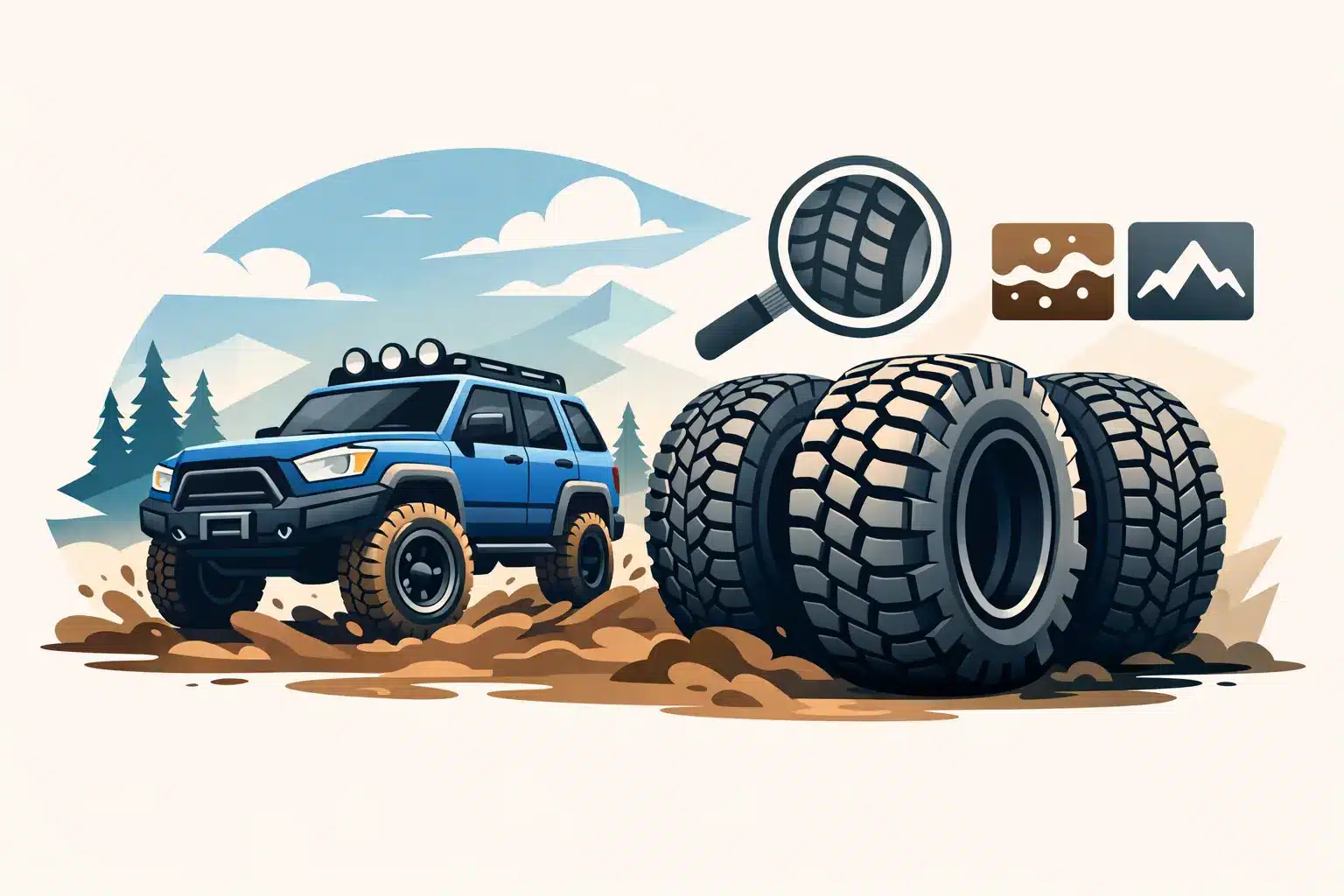
Mud-terrain tires are built for difficult terrain: deep mud, loose earth, rocks, ruts, and demanding off-road tracks. Their large, open tread blocks help shed mud instead of packing up, while their sidewalls are often made to handle tougher conditions.
For a truck that regularly accesses rural properties, works in wet ground conditions, or is set up for serious off-road use, a mud-terrain tire can provide the traction a road-focused tire cannot. However, it is not automatically the best tire for every 4WD or work truck.
On the highway, mud tires can be noisier and may not deliver the same braking feel, wet-road refinement, or tread life as a commercial road tire. If the truck spends 90 percent of its time on pavement, an all-terrain option may offer a better balance.
Load Rating Is Not Optional
Tread type matters, but load rating is where safety begins. Every tire has a load index that indicates the maximum weight it can carry at a specified inflation pressure. The tires fitted to your truck must meet or exceed the vehicle manufacturer’s required rating, taking into account the load carried on each axle.
This is especially important for utes, light trucks, trailers, and vehicles fitted with canopies, drawers, toolboxes, roof racks, towing gear, or other accessories. These additions can significantly change the vehicle’s real working weight. A tire that looks suitable by size alone may not be suitable by capacity.
Check the tire placard, owner’s manual, and axle limits before changing sizes or tire types. If the truck frequently runs loaded, choose a fitment that supports that use without operating near its limit every day. Correct inflation pressure is just as important. Underinflation creates heat, affects handling, and can lead to rapid wear or tire failure under load.
LT Construction Versus Passenger Construction
Many light trucks and work utes can be fitted with either passenger-style tires or LT, meaning light-truck, construction depending on size and vehicle requirements. LT tires are generally built with stronger casings and sidewalls to cope with heavier loads, tougher surfaces, and commercial use.
That added strength can be valuable for vehicles carrying equipment or towing regularly. It may also provide better resistance to damage on rough job sites. The downside can be a firmer ride and, in some cases, added weight compared with a passenger construction tire.
The correct choice depends on the vehicle’s approved specifications and actual workload. A workshop can check the existing tire size, load rating, wheel fitment, and intended use before recommending suitable options.
Size, Fitment, and Wheel Choices Matter
Truck tire sizing is more than choosing a bigger-looking tire. The diameter, width, sidewall height, load rating, speed rating, and wheel offset all affect how the vehicle drives and whether the tires clear suspension and body components.
Changing to a larger tire can alter speedometer accuracy, gearing, braking behavior, steering effort, and clearance. On a work vehicle, it can also affect insurance, roadworthiness, and the ability to carry a legal load. A wider tire may look good, but it is not always better for fuel use, wet-road behavior, or heavy-duty operation.
If wheels are being replaced at the same time, make sure the wheel load rating is suitable too. The tire and wheel need to work as a matched package, particularly on trucks that tow or carry equipment every day.
Get More Life From Your Truck Tires
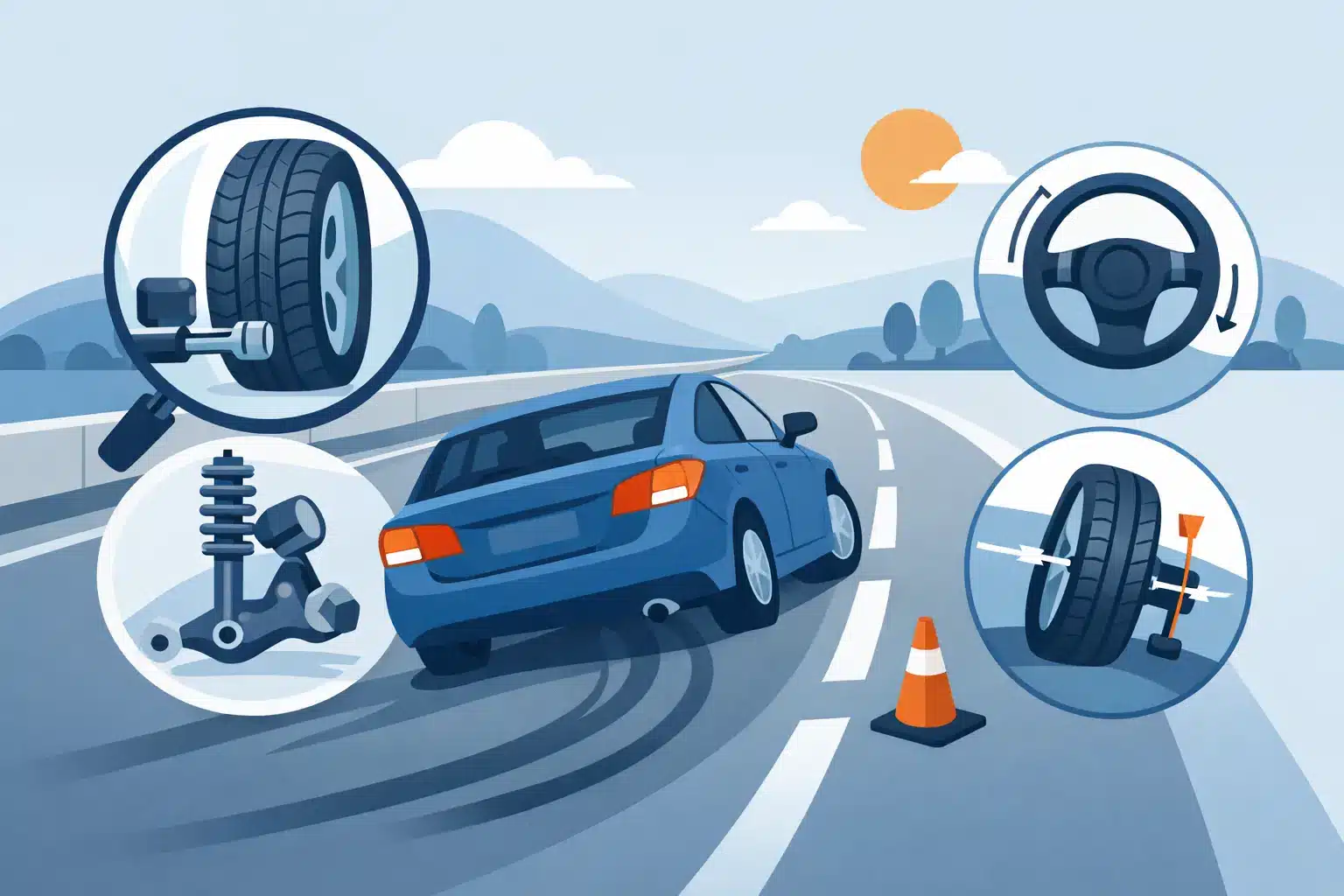
The best tire will not deliver its expected life if the truck is out of alignment or the pressures are wrong. Uneven shoulder wear often points to underinflation or alignment issues, while wear through the center can indicate overinflation. Cupping or irregular wear may also be linked to worn suspension components, balancing problems, or steering issues.
Regular inspections are worth the time, especially before a long trip or a heavy towing job. Look for cuts, sidewall damage, nails, exposed cords, uneven tread wear, and cracking. Tires should also be rotated where appropriate to help spread wear more evenly across the set.
Wheel alignment and wheel balancing are practical maintenance items, not extras. Correct alignment helps the truck track properly and reduces unnecessary tire wear. Balancing helps prevent vibration that can make driving uncomfortable and contribute to uneven wear over time.
Choosing the Right Set Without the Guesswork
There is no single best truck tire for every vehicle. A highway commercial tire may be ideal for a courier truck, while an all-terrain light-truck tire suits a trades vehicle that reaches rough sites. A mud-terrain tire may be the right call for regular off-road access, but excessive for a truck that only sees pavement.
At Ryan Automotive and Tyres, the practical approach is to match the tire to the truck, the load, and the conditions it works in. With tire fitting, wheel balancing, alignment, mechanical checks, and a wide range of options available in one place, you can make a choice that supports safer driving and keeps your vehicle earning its keep.
Before your next replacement, take a minute to consider where the truck really goes and what it really carries. The right set of tires should make every loaded run, school pickup, highway trip, and job-site turnoff feel more dependable.