Steel Wheels Versus Alloy Wheels: Which Fits?
A wheel choice can change more than the look of your vehicle. In the steel wheels versus alloy wheels debate, the right answer comes down to how you use your car, truck, trailer, or 4WD – and what you need it to handle when the road gets rough.
For a family commuter, an alloy wheel may be the practical choice because it is lighter and often easier to keep looking sharp. For a work ute, trailer, or off-road vehicle that sees potholes, job sites, and gravel tracks, steel can be the smarter long-term option. Neither is automatically better. The best wheel is one that suits your load, tire size, driving conditions, and budget.
Steel Wheels Versus Alloy Wheels: The Main Difference
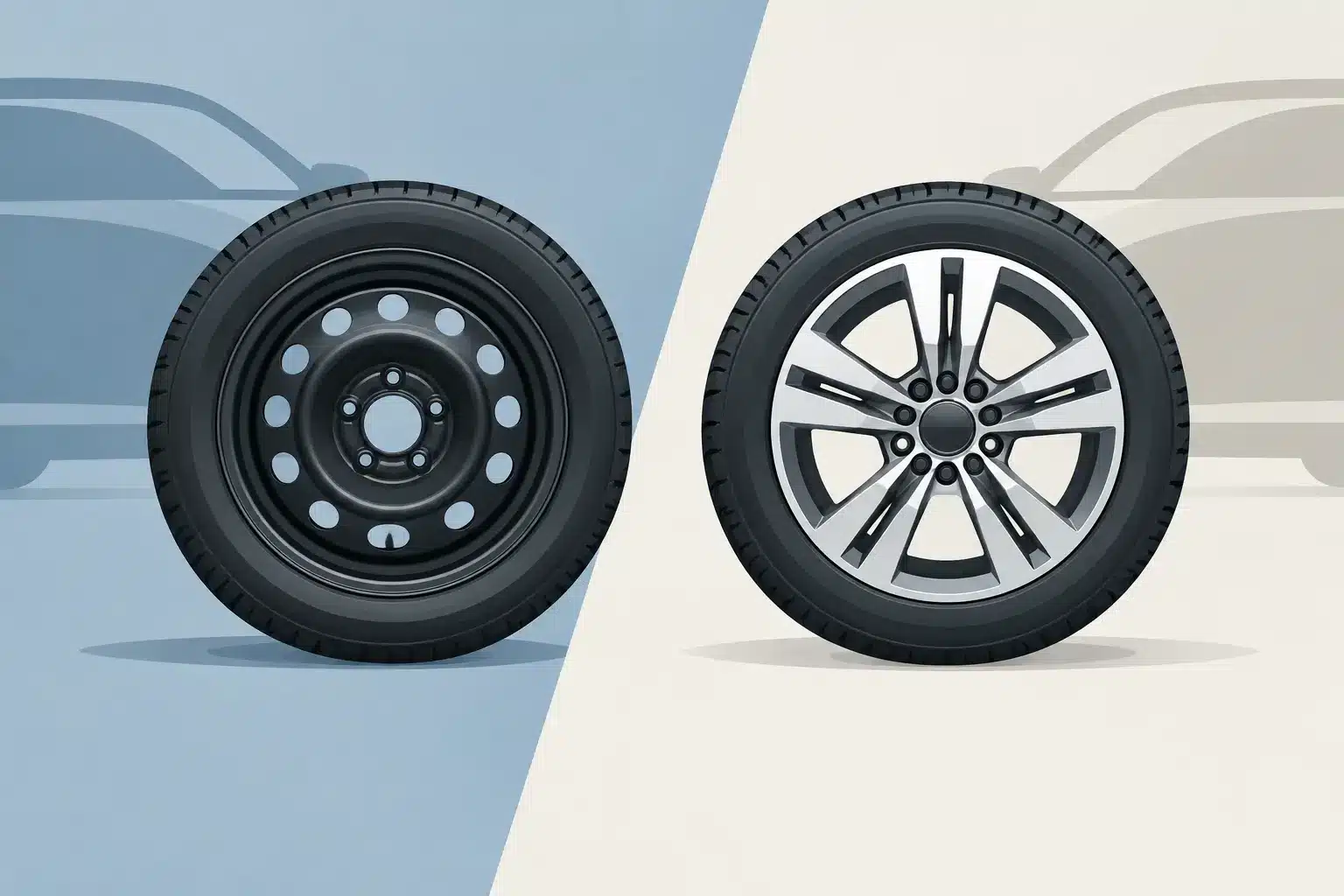
Steel wheels are made from pressed and welded steel. They are usually simple in design, commonly finished in black, silver, or white, and often paired with wheel covers on passenger cars. Their strength, straightforward construction, and lower purchase price make them a regular choice for work vehicles, trailers, spare-wheel setups, and off-road applications.
Alloy wheels are generally made from an aluminum-based alloy. They can be cast, flow formed, or forged, with each manufacturing method affecting weight, price, and strength. Most factory-style and aftermarket alloy wheels offer more spoke designs, finishes, and fitment options than steel wheels.
The key difference is not just appearance. Steel is normally heavier and more forgiving when it takes a hard knock. Alloy is usually lighter, which can help handling and ride quality, but a severe impact may crack it rather than bend it. That difference matters when deciding how and where the vehicle will be driven.
When Steel Wheels Make Sense
Steel wheels are built for drivers who put durability and value ahead of appearance. They are a sensible fit for tradies, fleet vehicles, trailers, light trucks, and 4WD owners who regularly travel on uneven surfaces.
A steel wheel can often bend after hitting a pothole, curb, or rock. A bent wheel is not something to ignore, since it can cause vibration, air loss, or uneven tire wear. However, steel is often easier and less expensive to straighten or replace than a damaged alloy wheel. For a vehicle that works hard every day, that can reduce downtime and repair costs.
Their lower cost also makes steel wheels useful for a second set of tires. Some drivers keep one set for highway tires and another for all-terrain, mud-terrain, or winter use. A dedicated steel-wheel package makes changing setups simpler and avoids repeated tire removal from expensive alloys.
Steel wheels do have drawbacks. Their extra weight adds unsprung mass – the weight carried below the suspension. On a passenger vehicle, that can make the steering feel less responsive and may slightly affect fuel economy. Steel designs are also limited, and chipped paint can allow surface rust to form if it is left untreated.
Why Many Daily Drivers Choose Alloy Wheels
Alloy wheels are popular because they combine lower weight with a cleaner, more customized appearance. Reducing wheel weight can improve steering response, braking feel, and suspension movement, especially on smaller cars and SUVs used mainly on paved roads.
Alloy wheels also help move heat away from the brakes. The open spoke patterns found on many alloy designs allow more airflow around brake components, which can be useful for vehicles that carry passengers, tow occasionally, or see frequent stop-and-go driving. It is not a reason to choose a wheel that does not fit correctly, but it is a practical advantage.
Style is another major factor. Alloy wheels come in a wide range of sizes, offsets, colors, and spoke patterns, making it easier to match the vehicle’s look without compromising everyday usability. A well-chosen alloy wheel can give a standard vehicle a more finished appearance while still being suitable for regular driving.
The trade-off is cost and impact damage. Quality alloy wheels can cost more upfront, and cosmetic damage such as curb rash is common. Minor scuffs may be repairable, but a cracked wheel needs careful professional assessment. Welding or repairing a cracked alloy is not always safe or worthwhile, particularly when the damage is near the spokes, hub area, or bead seat.
Strength Is About More Than the Material
It is easy to call steel stronger and alloys weaker, but wheel strength depends on the wheel’s design, load rating, manufacturing quality, and intended use. A quality load-rated alloy can be an excellent choice for a truck or SUV. A cheap wheel of any material can become a safety problem when it is overloaded or poorly made.
For heavy loads, towing, or commercial use, always check the wheel’s load rating alongside the tire’s load index. The wheel needs to support the vehicle’s weight and the load it carries, not just look right under the fender. Trailer wheels require the same attention. A trailer may not travel as far as a daily driver, but its wheels still deal with load, heat, and road impacts.
Fitment is equally important. Bolt pattern, center bore, offset, width, brake-caliper clearance, and tire size all need to be correct. A wheel that rubs the suspension or bodywork, sits too far outside the fender, or changes steering geometry can cause expensive problems. Changing wheel diameter may also require a different tire profile to keep the overall rolling diameter close to standard.
Cost, Repairs, and Long-Term Value
Steel wheels usually win on initial price. They are widely available, less expensive to replace, and ideal when appearance is not the first priority. For a work vehicle that may encounter curbs, construction sites, or unsealed roads, that value is hard to overlook.
Alloy wheels can offer stronger resale appeal and may add visual value to a vehicle, particularly when paired with the right tires. But their value depends on condition. Scraped, corroded, or cracked alloys can quickly lose their appeal and may cost more to repair than to replace.
Maintenance helps both types last. Wash off mud, brake dust, and road grime regularly. Check for cracks, bends, rust, missing wheel weights, and damage around the tire bead. If you feel a new vibration through the steering wheel or seat, arrange a wheel balance and inspection before it wears out the tires or puts extra strain on suspension parts.
Choosing the Right Wheel for Your Vehicle
Choose steel wheels if your priority is affordable durability, easy replacement, a practical spare set, or dependable performance on work sites and rough tracks. They are especially well suited to trailers, fleet vehicles, and 4WDs that are more likely to meet rocks and potholes than parking-lot curbs.
Choose alloy wheels if you want lower weight, more design options, improved brake airflow, and a more refined road feel. They are a strong choice for commuters, family SUVs, and drivers who want a wheel-and-tire package that improves the vehicle’s appearance without losing daily comfort.
For many owners, the most practical setup is not choosing one material forever. It is running alloys for everyday road use and keeping a steel set for tougher work, off-road trips, or a seasonal tire change. The right approach depends on how the vehicle earns its keep.
Before buying, have the full package checked by a workshop that can confirm load rating, fitment, tire clearance, and balance. Ryan Automotive and Tyres can help match wheels and tires to the way you drive, so your vehicle stays safe, roadworthy, and ready for the next trip or workday.