Pink Slip vs Blue Slip: Which Check Do You Need?
A registration renewal notice is not the time to guess about a pink slip vs blue slip. While both are NSW vehicle inspections, they are used for different situations. Booking the wrong one can mean wasted time, extra cost, and a vehicle that is still not ready to register.
For most drivers, the difference comes down to one question: is the vehicle currently registered in NSW, or are you trying to get an unregistered vehicle back on the road? Here is how to work it out before you book.
Pink Slip vs Blue Slip: The Main Difference
A pink slip is an eSafety inspection for a vehicle that is already registered in NSW and needs to renew its registration. It checks whether the vehicle meets minimum road safety requirements.
A blue slip is an Authorised Unregistered Vehicle Inspection Scheme inspection, often called an AUVIS inspection. It is more detailed and is generally required when a vehicle is unregistered and needs to be registered in NSW again, or when it is being registered in NSW for the first time after coming from another state or territory.
Put simply, a pink slip is usually part of routine registration renewal. A blue slip is for getting an unregistered vehicle approved for registration. Neither is a full mechanical service, but both can identify safety issues that need attention before the inspection can be passed.
When You Need a Pink Slip
In NSW, light vehicles that are more than five years old usually need an eSafety inspection before their registration can be renewed. This is the pink slip most local drivers know.
The inspection focuses on safety-related items. A licensed examiner will look at areas such as brakes, tires, steering, suspension, lights, windscreen condition, seat belts, and visible leaks. They will also check that the vehicle is in a condition that is safe for use on public roads.
A pink slip is not a guarantee that every mechanical component is perfect. For example, a vehicle may pass a safety inspection but still benefit from a service, new tires, a battery test, or diagnostic work. Think of it as a minimum safety check rather than a complete health report for your car.
If the vehicle passes, the inspection result is submitted electronically. You can then proceed with your registration renewal. Pink slip results are generally valid for six months, but it is still smart to renew your registration promptly rather than leave it until the last minute.
Common reasons for a pink slip failure
Many failures are straightforward to fix when they are caught early. Worn tire tread, damaged wiper blades, blown lights, brake wear, suspension problems, and cracked windscreens are common examples. A warning light on the dashboard may also need attention, depending on the issue.
The practical move is to have repair work done before the registration deadline where possible. A workshop that can inspect the vehicle, carry out mechanical repairs, fit tires, and complete wheel alignment in one place can save you from making multiple bookings.
When You Need a Blue Slip
A blue slip is required in more situations because it covers more than basic roadworthiness. It is designed to confirm the vehicle’s identity, safety, and compliance before it can be registered.
You may need a blue slip if your vehicle has been unregistered for more than three months, if you have bought an unregistered vehicle, or if you are bringing a vehicle into NSW from interstate or overseas. It can also be required after certain registration cancellations, defect issues, major modifications, or changes to vehicle records.
Because the inspection is more involved, do not assume an unregistered car only needs the same work as a routine renewal. The examiner may need to verify identification details, including the VIN or chassis number, engine number where applicable, and supporting documentation. Modifications may need to meet NSW requirements, and parts fitted to the vehicle must be suitable and safe.
A blue slip report is usually valid for a much shorter period than a pink slip, commonly 42 days. That means you should organize the registration process soon after passing. Requirements can change based on the vehicle and its history, so confirm what paperwork applies to your situation before booking.
Blue slips can take more preparation
An unregistered vehicle that has been sitting for months can develop problems even if it drove well when parked. Tires may be perished, batteries may be flat, brakes can bind, fluids can leak, and rodents can damage wiring. A quick visual check before the appointment can prevent an avoidable fail.
Bring the documents requested for your specific registration situation. For a vehicle from interstate, that may include proof of ownership and prior registration documents. For imported or modified vehicles, further evidence may be needed. If you are unsure, ask before arriving so the inspection is not delayed by missing information.
What Both Inspections Check
Pink and blue slip inspections both put safety first. The exact process is different, but both may identify concerns with the braking system, lights, tires, suspension, steering, windscreen, seat belts, body condition, and emissions-related equipment.
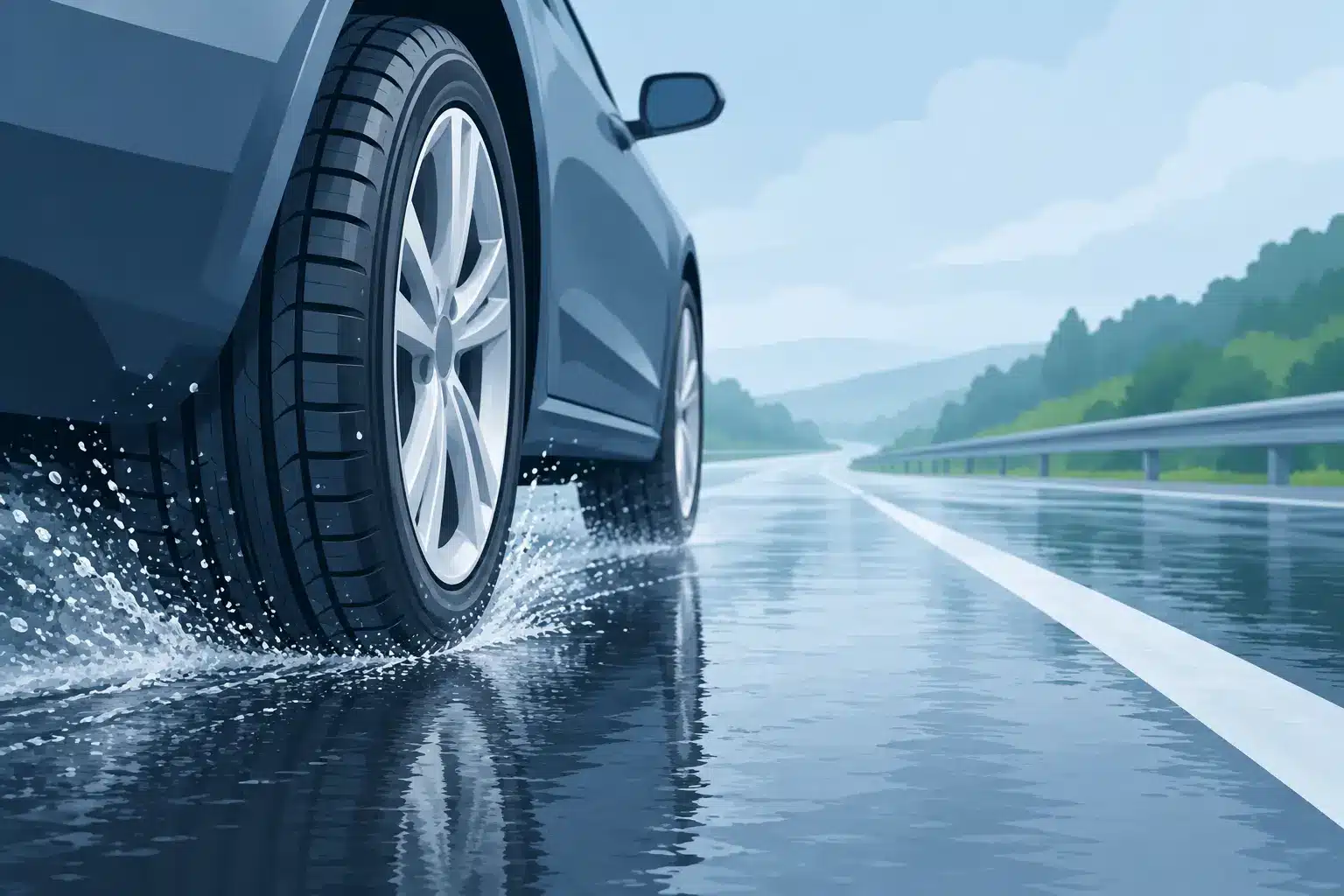
Tires deserve particular attention. They need legal tread depth, no serious sidewall damage or exposed cords, and an appropriate size and load rating for the vehicle. On 4WDs, work utes, trailers, and light trucks, mismatched tires or unsuitable wheel-and-tire combinations can create both safety and compliance problems.
The same applies to modifications. Lift kits, aftermarket wheels, lighting upgrades, exhaust changes, and tow-related equipment can be completely practical, but they need to be fitted correctly and remain within applicable rules. A modification that looks minor can affect clearance, tire coverage, handling, or vehicle identification requirements.
How to Avoid Failing Your Inspection
The best preparation is not complicated. Check that every exterior light works, including brake lights, indicators, reverse lights, and number plate lights. Make sure the horn works, the windshield has no serious damage in the driver’s field of view, and the wipers clear the glass properly.
Look over your tires for bald patches, bulges, cracking, punctures, and uneven wear. Uneven wear may point to an alignment or suspension issue, so replacing the tire without addressing the cause can lead to the same problem again.
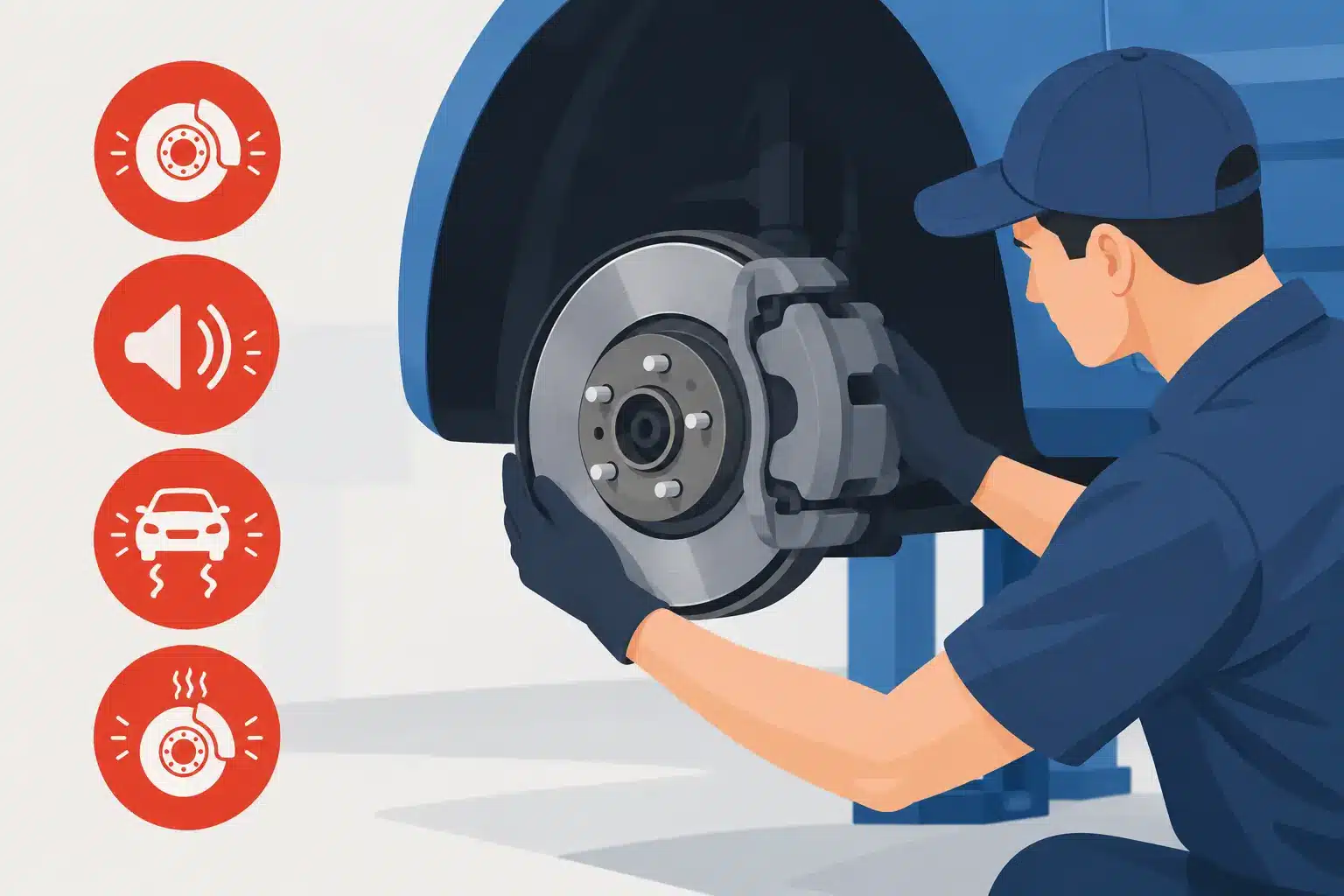
Pay attention to how the vehicle drives. Pulling under braking, steering vibration, clunks over bumps, a soft brake pedal, or warning lights are worth checking before an inspection. These symptoms do not always mean a fail, but they should not be ignored when road safety and registration are on the line.
For a blue slip, clean the areas where identification numbers can be viewed and remove anything that blocks access. Make sure the vehicle is safe to transport to the inspection station. If it is unregistered, do not drive it on public roads unless you have the correct permit or other lawful arrangement in place.
Should You Service the Vehicle Before the Inspection?
It depends on the vehicle’s condition and maintenance history. If it has been regularly serviced, drives well, and has no warning lights or visible issues, an inspection may be all that is needed. If it is overdue for service or has been off the road, a pre-inspection check can be a sensible investment.
This is particularly useful for busy families and tradies who cannot afford repeat visits. Ryan Automotive and Tyres can handle inspections alongside repairs, tires, batteries, brakes, suspension work, and wheel alignment, helping local drivers deal with the cause of a failure rather than simply receiving a list of faults.
Book the Right Inspection First
Before you book, check your registration status and read any notice you have received. If the car is currently registered in NSW and is due for renewal, a pink slip is likely the right starting point. If it is unregistered, newly brought into NSW, or has a more complicated registration history, ask whether a blue slip is required.
A few minutes spent confirming the correct inspection can keep your vehicle, work schedule, and registration plans moving. Get the safety issues sorted early, keep your documents ready, and you will have a far easier path back to reliable driving.