Car Service vs Logbook: What Should You Choose?
A dashboard service reminder does not tell you whether your car needs a basic oil change or a full manufacturer-scheduled inspection. That is where the car service vs logbook question matters. Both help keep your vehicle reliable, safe, and on the road, but they are not always the same job.
For most drivers, the right choice comes down to the vehicle’s age, mileage, warranty status, driving conditions, and what has already been done. A family SUV doing school runs, a tradie’s work ute, and a 4WD that spends weekends off-road all put different demands on their fluids, brakes, tires, suspension, and batteries.
What Is a Standard Car Service?
A standard car service is routine maintenance based on the vehicle’s condition and immediate needs. It commonly includes an engine oil and oil filter change, a general safety inspection, and checks of key items such as fluid levels, brakes, tires, lights, belts, hoses, steering, and suspension.
The exact scope varies between workshops and service levels. A minor service is often the right fit between larger scheduled services, especially when the main priority is fresh oil, a safety check, and catching problems before they become expensive repairs. A more comprehensive service may include additional filter replacements, spark plug checks, brake fluid testing, wheel alignment checks, or diagnostic scanning where required.
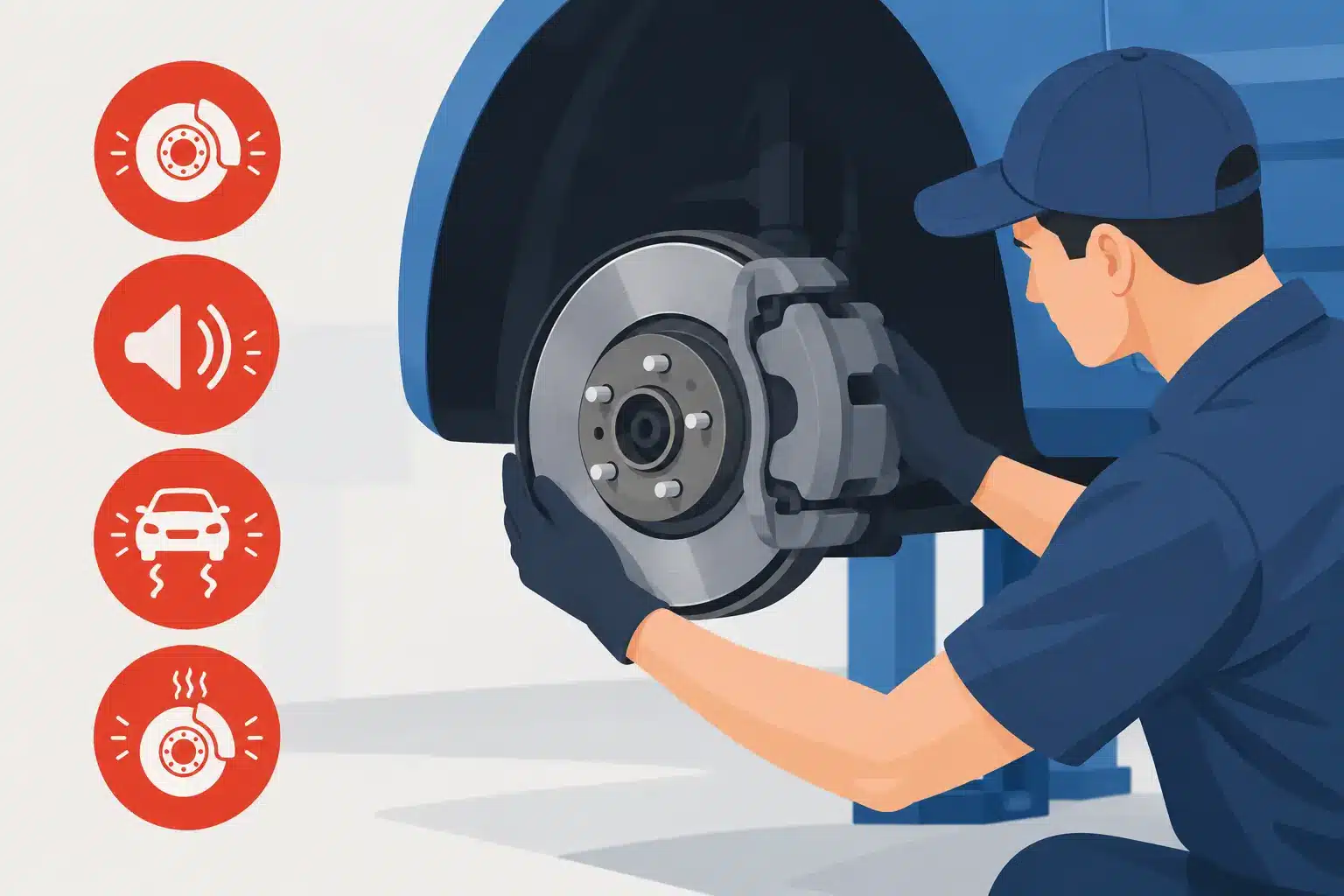
A standard service is practical for vehicles outside their warranty period, cars with uncertain service histories, or drivers who want their mechanic to focus on known issues. If your brakes are noisy, your battery is slow to start, or your steering feels off, a good service should address those concerns rather than simply ticking boxes.
That said, a basic service does not automatically cover every item the manufacturer requires at a particular mileage or age. This is the main difference drivers need to understand.
What Is Logbook Servicing?
Logbook servicing follows the maintenance schedule set by the vehicle manufacturer. Despite the name, it is not just about getting a stamp in a book. It is a scheduled list of inspections, adjustments, fluid changes, and replacement parts designed for a specific make, model, engine, and service interval.
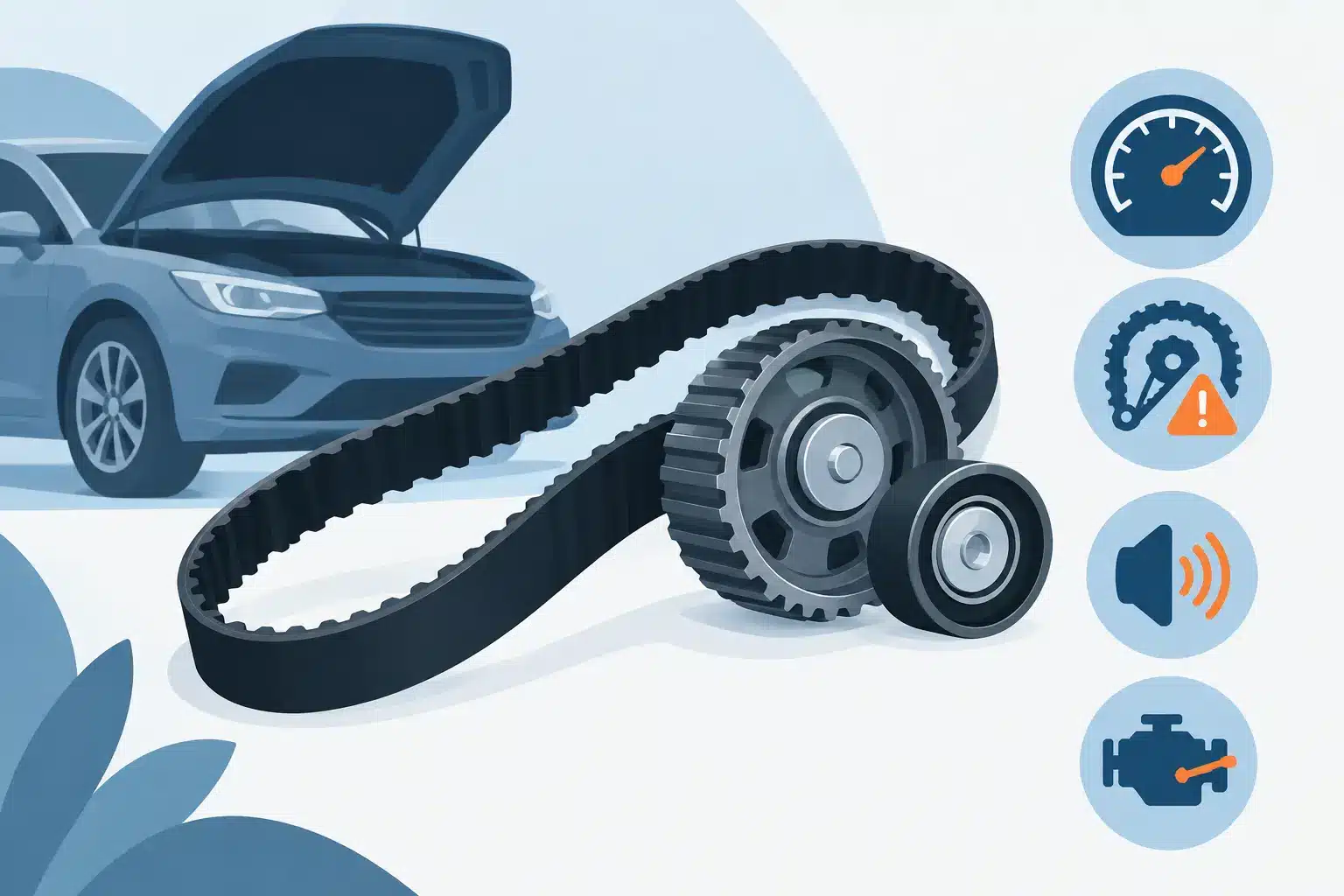
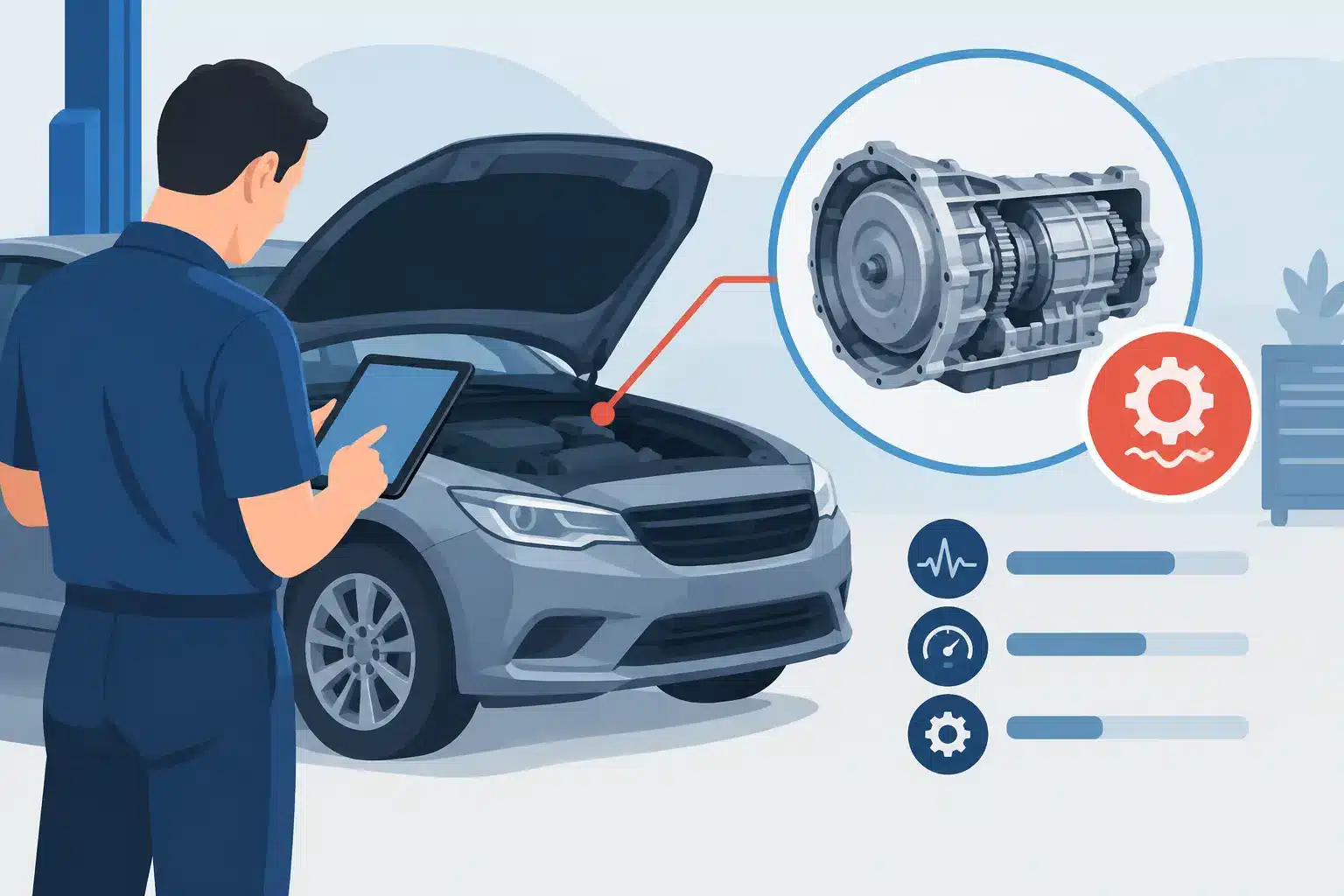
Your owner’s manual or service booklet may call for servicing every certain number of miles or every set period, whichever comes first. At different intervals, the manufacturer may require work such as replacing cabin and air filters, changing brake fluid, inspecting or replacing spark plugs, servicing transmission fluid, checking coolant condition, or inspecting drive belts.
A logbook service should use suitable parts and fluids that meet the manufacturer’s specifications. The paperwork should clearly show the date, mileage, work completed, products used, and any recommended repairs. These records help demonstrate that the vehicle has been maintained correctly.
For newer cars, this matters most because the service schedule is closely tied to warranty requirements and long-term resale value.
Car Service vs Logbook: The Key Difference
The simplest way to look at car service vs logbook servicing is this: a standard service is tailored to the vehicle’s current maintenance needs, while a logbook service is built around the manufacturer’s required schedule.
Neither option is automatically better in every situation. A standard service can be thorough and excellent value when it includes the checks and maintenance your vehicle actually needs. But if your manufacturer’s schedule says the brake fluid, transmission fluid, or specific filters are due, a basic oil service alone may leave important scheduled work undone.
A logbook service provides a clearer maintenance roadmap. It is particularly useful when your car is still covered by a manufacturer warranty, when you plan to sell it in the next few years, or when you want a complete service record from day one.
The trade-off is cost. A major scheduled service can cost more than a minor service because it includes more labor, more parts, and sometimes specialist fluids or diagnostic procedures. Paying less for a basic service is only a saving if it does not postpone work that is genuinely due.
Does Logbook Servicing Have to Be Done at a Dealership?
No. You do not necessarily need to use a dealership for scheduled servicing. An experienced independent workshop can carry out logbook servicing, provided the work follows the manufacturer’s specifications and suitable parts and fluids are used.
What matters is the quality of the service and the record keeping. Ask for an itemized invoice that shows what was inspected, replaced, and recommended. Keep every receipt with your service book or digital maintenance records. If a warranty concern ever arises, clear documentation is far more useful than relying on memory.
Independent servicing can also be more convenient, particularly when one workshop can handle mechanical work, tires, wheel alignment, batteries, diagnostics, and safety inspections. Instead of booking different businesses for related work, you can deal with one team that sees the full condition of your vehicle.
When a Standard Service Makes Sense
A regular car service is often the sensible option if your vehicle is older, out of warranty, or you know it is between major manufacturer intervals. It is also useful after buying a used car with incomplete records. In that case, a workshop can inspect the vehicle, establish a maintenance baseline, and advise what needs attention now versus what can be planned for later.
It can suit high-mileage drivers as well. If you drive long distances for work, tow a trailer, carry heavy loads, or spend time in stop-start traffic, your engine oil and brakes may need closer attention than the calendar alone suggests. Severe operating conditions can shorten the practical life of oils, filters, tires, and brake components.
The best standard service is not a rushed oil change. It should include a proper inspection and straightforward advice. You should know whether your tires are wearing evenly, whether your battery is testing weak, and whether a small fluid seep or brake issue needs monitoring.
When Logbook Servicing Is the Better Choice
Follow logbook servicing when your car is under warranty or approaching a major scheduled interval. This is the point where the manufacturer may call for work that is easy to overlook, including coolant replacement, transmission servicing, spark plug replacement, or detailed inspection of safety systems.
A complete logbook history can also help when you sell or trade in your vehicle. Buyers generally place more confidence in a car with clear, consistent servicing records, especially for vehicles with turbocharged engines, diesel systems, all-wheel-drive components, or complex electronics.
For work vehicles, scheduled maintenance helps reduce downtime. Missing a service can turn a manageable wear item into a breakdown that costs time on the job. The same applies to family vehicles. Reliable maintenance is less convenient to think about than a roadside failure, but it is much cheaper to plan for.
What to Ask Before Booking a Service
Before you book, tell the workshop your vehicle’s make, model, year, mileage, and whether it is still under warranty. Mention any warning lights, noises, leaks, vibration, starting issues, or changes in how it drives. These details help the technician recommend the right service level rather than applying a one-size-fits-all package.
If you are due for a logbook service, ask whether the quoted work follows the manufacturer’s interval and what parts or fluids are included. If you are booking a general service, ask what the inspection covers and whether the workshop will contact you before carrying out extra repairs.
It is also worth discussing your driving habits. A vehicle used for towing, off-road driving, short trips, or daily commercial work may need a different maintenance approach from a lightly used commuter car. Honest advice should reflect how the vehicle is used, not just the number on the odometer.
Do Not Forget Tires, Brakes, and Battery Health
Engine servicing is only one part of keeping a vehicle roadworthy. Tires, brakes, steering, suspension, wheel alignment, and battery condition have a direct effect on safety and reliability. A car can have fresh oil and still be unsafe to drive if its tires are worn, its brakes need attention, or its battery is close to failing.
This is where a one-stop workshop is useful. Ryan Automotive and Tyres can combine servicing with tire replacement, wheel balancing, alignment, battery testing, brake repairs, diagnostics, and other mechanical work when needed. That saves time and helps prevent separate issues from being missed.
Choose the service that matches your vehicle’s schedule and condition, keep the paperwork, and deal with small concerns early. Your car does not need unnecessary work, but it does need the right work at the right time.