How to Identify Gearbox Slipping Before It Worsens
A gearbox that slips rarely fails without giving you a few warnings first. You may notice the engine revving higher than usual as the vehicle struggles to pick up speed, a delay when selecting Drive or Reverse, or a gear change that feels rough and uncertain. Knowing how to identify gearbox slipping early can be the difference between a straightforward repair and a vehicle that is unsafe to drive or unable to move.
For commuters, family vehicles, work utes, and towing vehicles, this is not a fault to put off until the next service. A slipping gearbox can affect acceleration when joining traffic, climbing hills, carrying a load, or pulling a trailer. The sooner the cause is diagnosed, the better the chance of limiting damage and downtime.
What gearbox slipping feels like
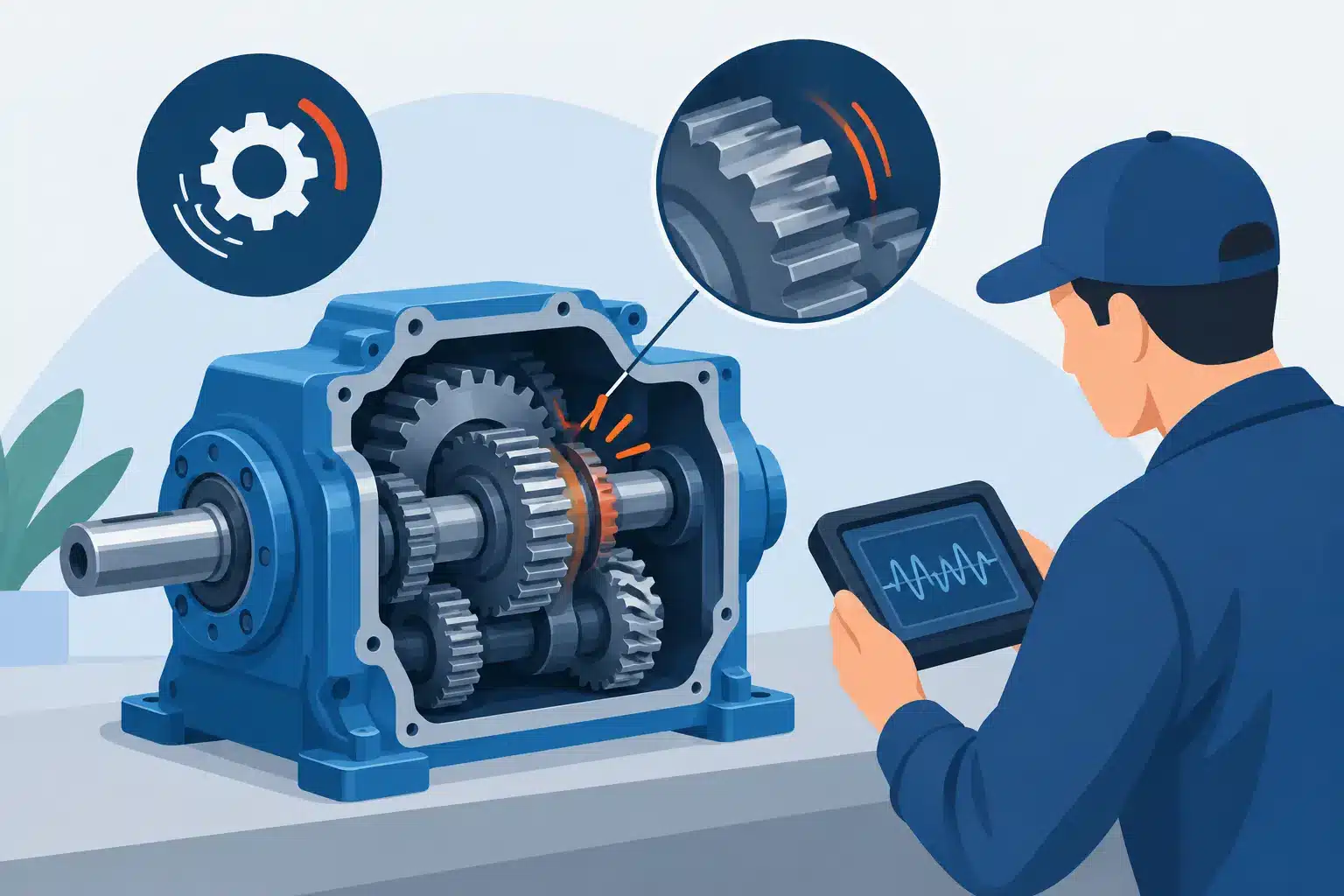
Gearbox slipping means the transmission is not reliably transferring engine power to the wheels in the gear it has selected. In an automatic, the transmission may momentarily lose its hold on a gear, flare in revs, or shift unexpectedly. In a manual, the clutch may be the part slipping rather than the gearbox itself, but the driving symptom can feel very similar.
The clearest sign is a mismatch between engine speed and road speed. You press the accelerator, the tachometer jumps, but the vehicle does not accelerate as strongly as it should. It can feel like the vehicle has briefly gone into neutral before the gear catches again.
One isolated rough shift does not automatically mean internal gearbox damage. Cold fluid, a steep hill, a heavy load, or a transmission that is still adapting after a battery issue can sometimes change shift behavior. Repeated symptoms, however, need proper attention.
How to identify gearbox slipping on the road
Watch for revs that flare between shifts
On an automatic vehicle, a healthy shift should feel controlled. The engine RPM may change as the gearbox moves through gears, but it should not race noticeably before the next gear engages. If the revs flare upward during a normal upshift and then drop when the vehicle finally catches the next gear, slipping is a real possibility.
Pay particular attention when accelerating onto a freeway or overtaking. These conditions place more load on the transmission and can make an early fault easier to notice.
Notice delayed engagement from Park or Neutral
With your foot firmly on the brake, select Drive or Reverse. A short, smooth engagement is normal. A delay of several seconds, followed by a thump or sudden lurch, is not something to ignore.
Delayed engagement can be caused by low or degraded transmission fluid, a valve body issue, worn internal seals, or electronic control problems. It does not confirm the exact fault on its own, but it is a useful symptom for a technician to investigate.
Look for unexpected downshifts or gear hunting
A gearbox may “hunt” when it continually shifts up and down while you maintain a steady speed. It may also downshift unexpectedly on a flat road, or fail to select a higher gear when it normally would. The vehicle can feel unsettled, noisy, and less fuel-efficient.
Hunting does not always mean the gearbox is slipping. An engine sensor fault, throttle issue, incorrect tire sizes, or a problem with the transmission control system can affect shift decisions. That is why a diagnostic check matters before anyone assumes the gearbox needs replacing.
Pay attention to shuddering, jolts, and vibration
A shudder during takeoff or while changing gear can point to transmission trouble, although the source may also be the clutch, torque converter, driveline, engine mounts, or worn CV joints. A vibration that appears only at a particular speed may be wheel or tire related instead.
The useful detail is when it happens. Make a note of whether the shudder occurs when cold, after the vehicle warms up, under hard acceleration, while towing, or only in Reverse. That information helps narrow down the fault faster.
Check for warning lights and limp mode
A check engine light or transmission warning light can appear before the gearbox feels seriously wrong. Modern vehicles monitor shift timing, fluid pressure, solenoids, temperature, and speed sensors. When readings fall outside the expected range, the vehicle may limit power or lock itself into one gear to protect the transmission. This is often called limp mode.
Do not clear a warning light and assume the problem has gone away. Fault codes can provide valuable clues, especially if the issue is intermittent.
Other signs that should not be ignored
Gearbox trouble can show up outside the driver’s seat. Check beneath the vehicle after it has been parked for signs of fresh fluid. Automatic transmission fluid is commonly red, reddish brown, or brown depending on its age and type, but not every transmission uses the same fluid color. A leak is worth checking promptly because low fluid can quickly create slipping and heat damage.
A burning smell is another warning sign. Overheated transmission fluid can smell sharp or burnt, particularly after towing, stop-start traffic, or prolonged driving with a fault. If you smell burning along with slipping, avoid heavy acceleration and arrange an inspection as soon as practical.
Unusual noises also matter. Whining, humming, clunking, or a harsh bang during a shift can come from the transmission or surrounding driveline components. Noise alone is not enough to diagnose a gearbox, but noise combined with delayed shifts or flaring revs is a strong reason to have the vehicle checked.
Manual gearbox or automatic: the difference matters
In a manual vehicle, slipping is often caused by a worn clutch disc, weak pressure plate, contamination from an oil leak, or a hydraulic clutch problem. A common test is to accelerate firmly in a higher gear at low-to-mid engine speed. If the RPM rises but the vehicle does not gain speed in proportion, the clutch may be slipping.
Do not repeatedly perform hard acceleration tests to prove the point. If the clutch is already worn, extra load can make it worse. Manual gear selection that feels difficult, grinds, or pops out of gear can indicate a separate gearbox issue rather than clutch slip.
In an automatic, likely causes range from old or low fluid to failed solenoids, worn clutch packs, valve body faults, torque converter problems, internal seal wear, or control module issues. Some faults can be repaired without a full gearbox rebuild. Others require more extensive work. The right answer depends on the vehicle, its mileage, service history, and diagnostic results.
What to do when you suspect slipping
First, avoid treating the vehicle as normal. Do not tow a heavy load, make aggressive launches, or continue long trips if it is slipping badly. Excess heat and repeated slipping can damage internal friction materials and turn a manageable repair into a major transmission job.
Next, record the symptoms. Note the speed, gear, temperature, warning lights, noises, and whether the issue happens consistently or only after driving for a while. If a fluid leak is visible, avoid getting underneath the vehicle unless it is safely supported and you know what you are checking.
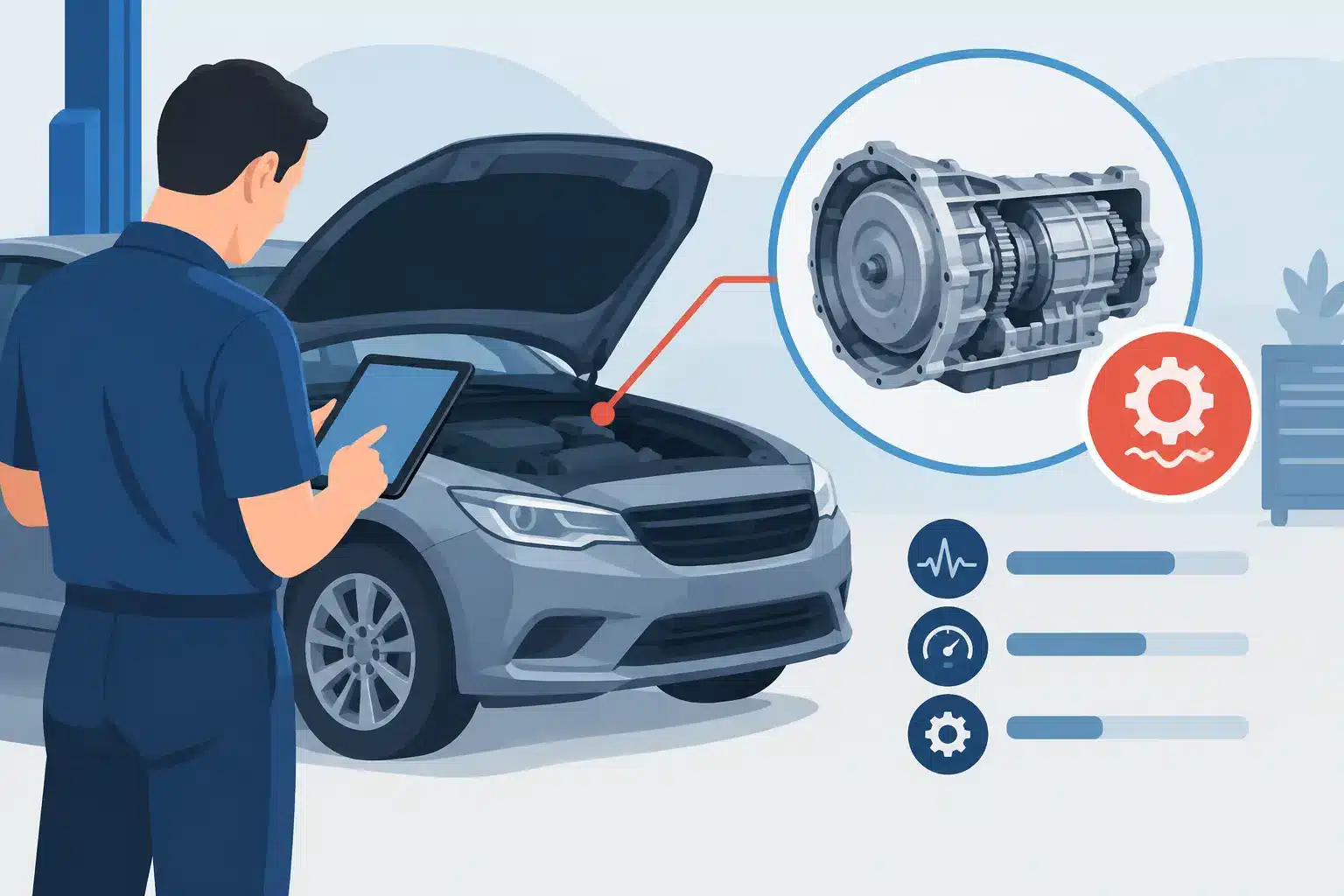
A professional inspection should include a road test where appropriate, scan-tool diagnostics, a check for stored fault codes, fluid level and condition checks where the manufacturer allows them, and an inspection for leaks or external wiring problems. On many newer vehicles, transmission fluid cannot be checked with a simple dipstick, so the correct procedure and fluid temperature are critical.
Be cautious with quick fixes. An additive or fluid change may help in limited situations, such as fluid that is overdue for service, but it will not repair worn clutch packs, damaged gears, or a failing control component. Using the wrong fluid can cause further shifting problems. A proper diagnosis should come before spending money on parts or treatments.
Get the fault checked before it strands you
If your vehicle is revving without accelerating, taking too long to engage, shuddering through shifts, or showing a transmission warning light, book it in promptly. Ryan Automotive and Tyres can inspect gearbox and clutch concerns alongside the rest of the driveline, helping Kingswood and Penrith drivers get a clear answer without running between multiple workshops.
A gearbox issue is easier to deal with when it is still a symptom, not a breakdown. Listen to the changes in how your vehicle drives, act early, and give the technician a clear description of what you have felt behind the wheel.