How to Choose Mud Tyres for Your 4WD or Truck
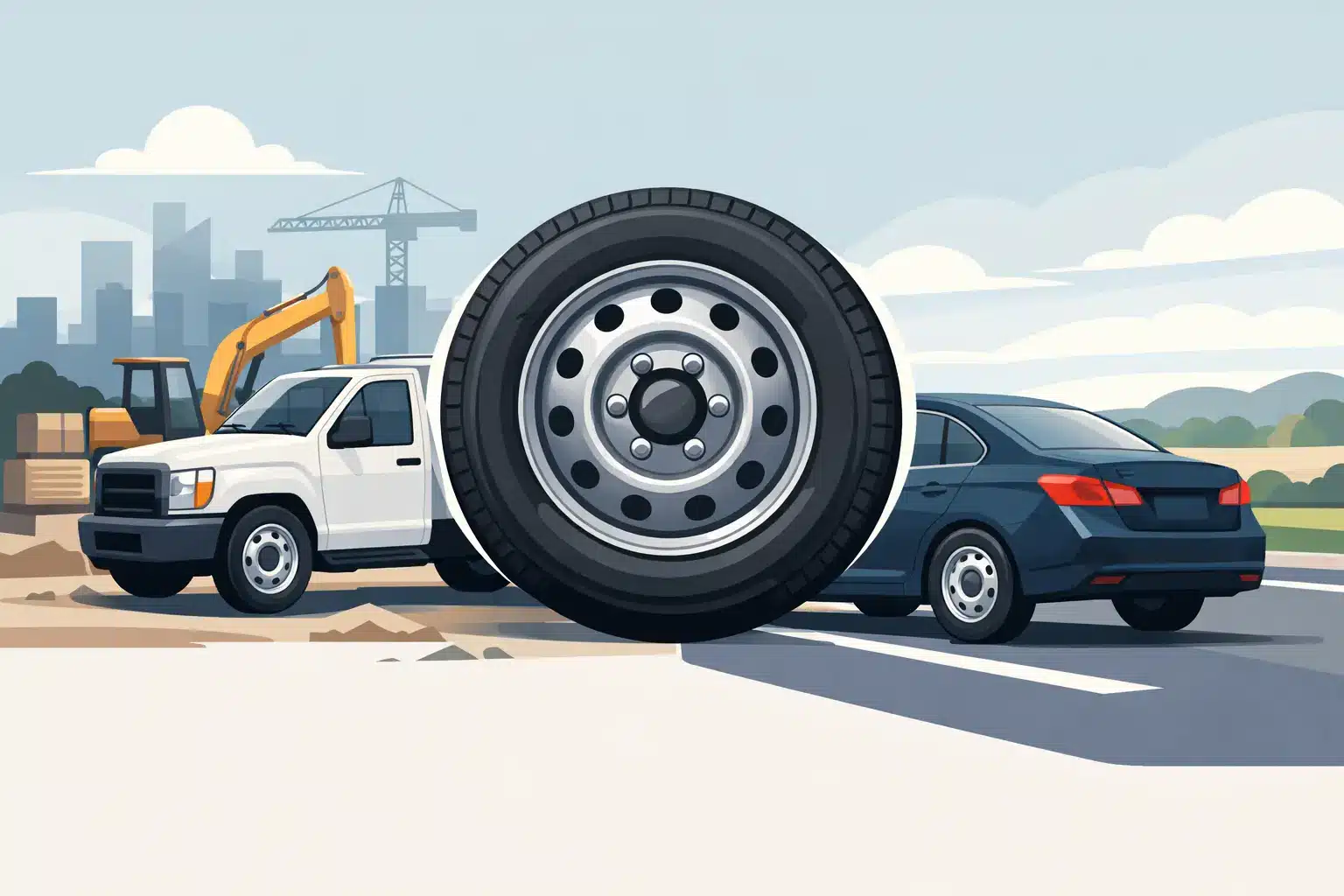
The wrong mud tire can make a capable 4WD feel noisy, vague, and hard work on the highway. The right one gives you the bite and confidence to get through soft ground, deep ruts, clay, and rocky tracks without creating unnecessary compromises every day. Knowing how to choose mud tyres starts with being honest about where the vehicle spends most of its time – not just the toughest track you plan to tackle once or twice a year.
How to Choose Mud Tyres for the Driving You Do
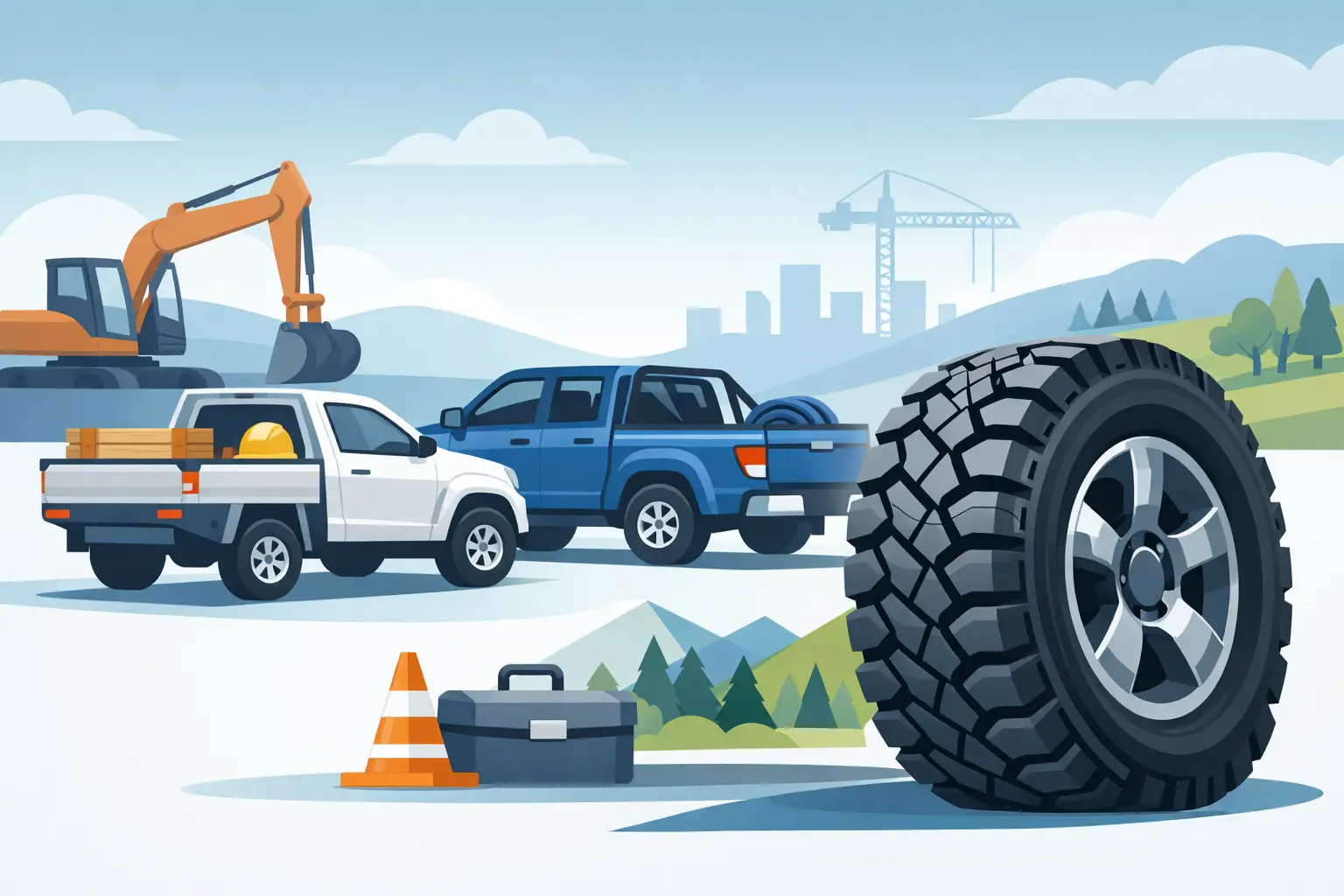
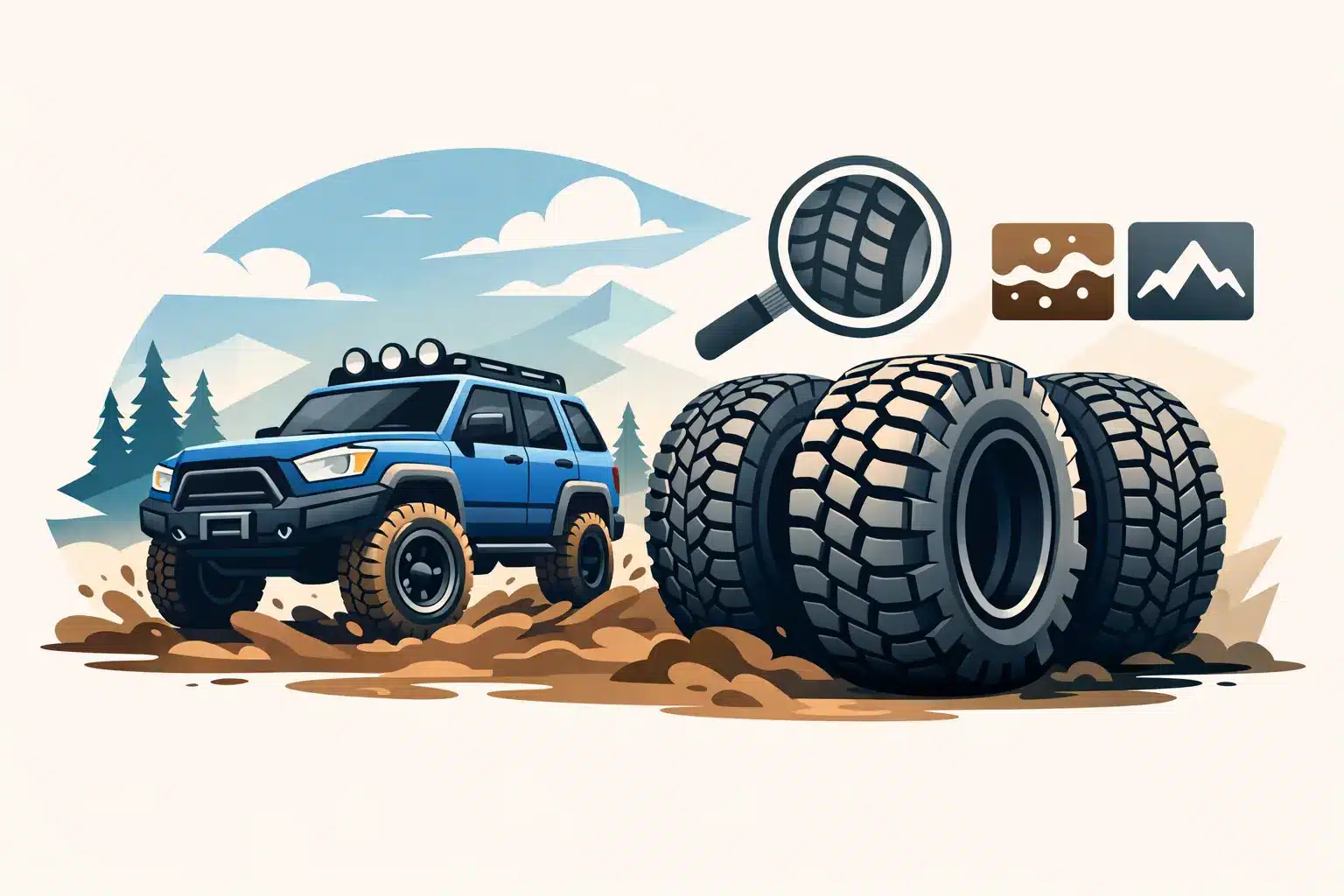
Mud-terrain tires are built for serious off-road traction. Their large tread blocks, deep voids, reinforced construction, and aggressive sidewall lugs are designed to clear mud and find grip where an all-terrain tire can pack up or spin. They are a strong choice for dedicated 4WDs, work vehicles regularly driven on unsealed sites, and drivers who genuinely use difficult tracks.
That does not automatically make them the best tire for every truck or SUV. Compared with highway-terrain and all-terrain tires, mud tires usually produce more road noise, can feel less settled on wet pavement, and may wear faster if most miles are on hot asphalt. Fuel use can rise too, especially with a larger or heavier tire.
Start by estimating your real split of road and off-road driving. If your 4WD is a daily driver that sees occasional fire roads, beach driving, and camping trips, an all-terrain may be the more balanced option. If you deal with regular mud, steep rutted tracks, loose rock, or slippery work access roads, a mud-terrain tire earns its place.
Read the Tread Before You Buy
Tread pattern matters more than an aggressive-looking sidewall. A mud tire needs enough open space between its tread blocks to release mud as the tire rotates. This is known as self-cleaning. When the tread clears itself, fresh edges can keep grabbing the ground instead of turning into a smooth, mud-filled surface.
Look for deep, widely spaced tread blocks and channels that run out toward the shoulder. Open shoulders help the tire bite when the vehicle drops into ruts or loose terrain. Sidewall lugs are useful as well, particularly when running lower pressures off-road, because they provide extra traction when the tire is flexing against rocks, sand, or the sides of a rut.
More open tread is not always better. An extremely aggressive pattern can be louder, less comfortable, and less predictable on pavement. If wet-road commuting is part of the job, choose a quality mud tire with siping and a tread design intended to manage water, rather than buying solely on how deep the lugs look.
Consider the Terrain You Meet Most Often
Different off-road surfaces ask different things from a tire. Thick mud needs open voids and strong self-cleaning. Rocky tracks benefit from tough sidewalls, flexible construction, and cut-resistant rubber. Sand often responds better to flotation and a lower pressure than to the most aggressive tread pattern. On loose gravel, stable tread blocks and dependable braking matter just as much as forward traction.
For mixed use around Penrith and beyond, many drivers need a tire that can handle wet tracks and job sites while still behaving safely during a school run or highway trip. In that case, prioritize a reputable mud-terrain design with solid wet-road performance and an appropriate speed rating. The most extreme option is not necessarily the safest or best value.
Get Tire Size and Fitment Right
A larger mud tire can increase ground clearance and improve the vehicle’s stance, but it also changes more than appearance. Diameter, width, wheel offset, suspension height, gearing, steering feel, braking, and speedometer accuracy can all be affected.
Before moving up in size, check the tire placard, the wheel width range, and the clearances at full steering lock and full suspension movement. A tire that clears while parked may rub a guard liner, control arm, bumper edge, or suspension component when the vehicle flexes off-road. Rubbing can damage the tire and cause problems when you need reliable steering most.
Width needs thought too. A wider tire can provide useful flotation in soft sand and may offer a larger contact patch in some conditions. But it can also follow road grooves, throw more debris, add weight, and increase the chance of rubbing. In mud, a narrower tire can sometimes cut down through the soft top layer to firmer ground below. There is no one-size-fits-all answer.
If you are changing wheels as well as tires, confirm the bolt pattern, center bore, offset, load capacity, and brake clearance. This is a job worth measuring properly. A workshop that handles tires, wheels, alignment, and suspension can check the full setup instead of treating the tire purchase as a separate decision.
Match Load Rating to the Vehicle and Its Work
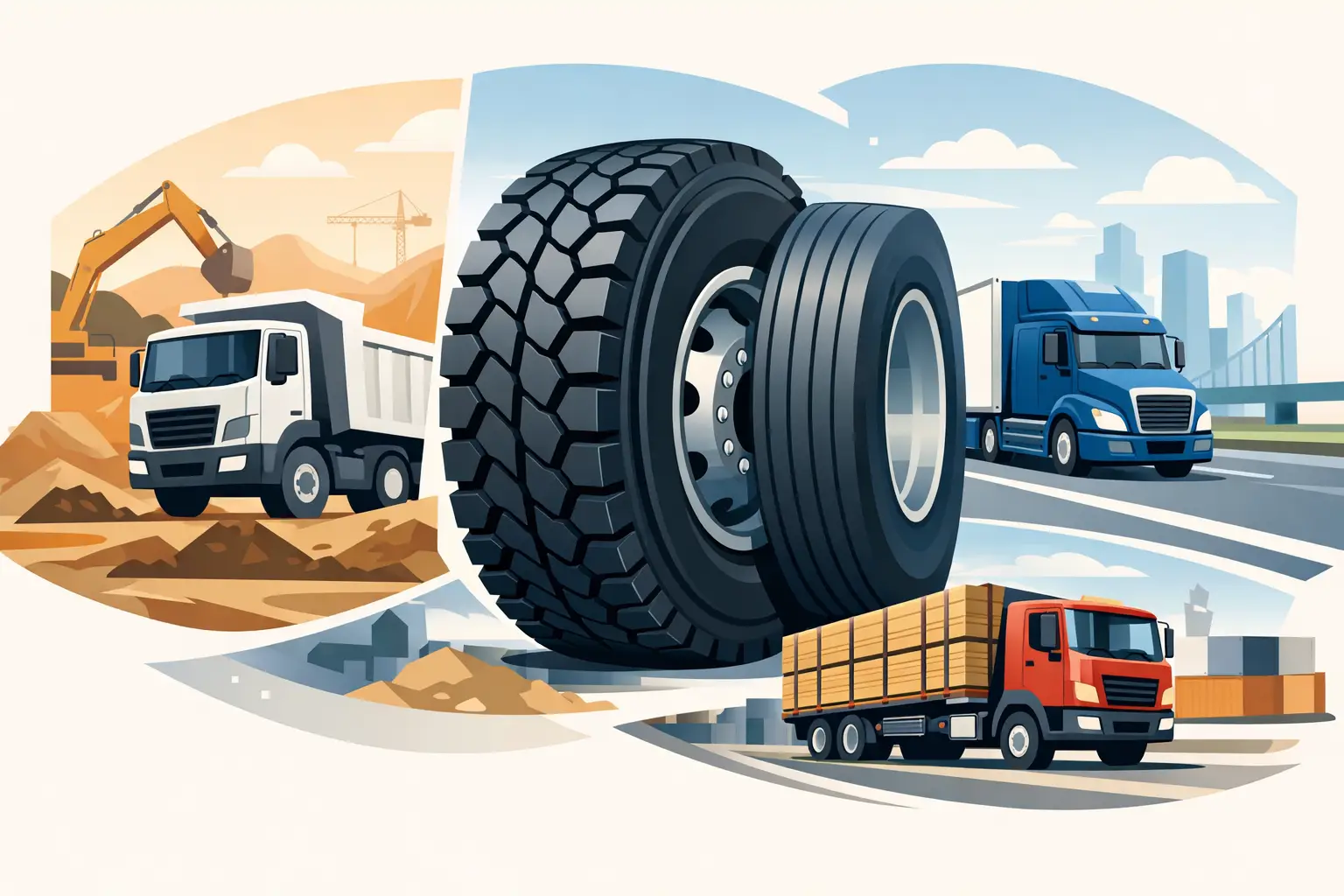
Mud tires are often fitted to vehicles that carry tools, tow trailers, haul recovery gear, or travel loaded for weekends away. That makes load rating a safety issue, not a minor specification.
The tire’s load index must meet or exceed the requirement for your vehicle. For pickups and work trucks, you may also see LT, or Light Truck, construction. LT tires commonly use stronger casings and sidewalls, which can be valuable for carrying weight and resisting damage off-road. The trade-off is that they can weigh more and ride firmer than passenger-construction tires.
Do not assume a heavier-duty tire is automatically the right choice. Extra unsprung weight affects ride quality, acceleration, braking, and suspension wear. Choose a construction that suits the vehicle’s gross weight, how much it carries, and where it is driven. If you tow regularly, include trailer ball weight and loaded cargo in the conversation.
Sidewall Strength Is Worth Paying For
A puncture far from pavement is more than an inconvenience. Sidewall damage can leave you without a repairable spare and turn a simple trip into a recovery job. For rocky trails, forestry roads, and rough work sites, look for a mud tire with reinforced sidewalls and a reputation for resisting cuts and impacts.
The number of sidewall plies is only part of the story. Tire construction, rubber compound, tread-to-sidewall protection, and manufacturer testing all matter. A good tire professional can help compare equivalent sizes and load ratings instead of relying on a single marketing label.
Think About Wet Roads, Noise, and Braking
Mud tires are capable off-road because their tread blocks move more and their voids are larger. Those same characteristics can reduce the amount of rubber in contact with sealed roads. On dry pavement, this can mean more noise and a less precise steering response. On wet pavement, braking distance and cornering grip deserve particular attention.
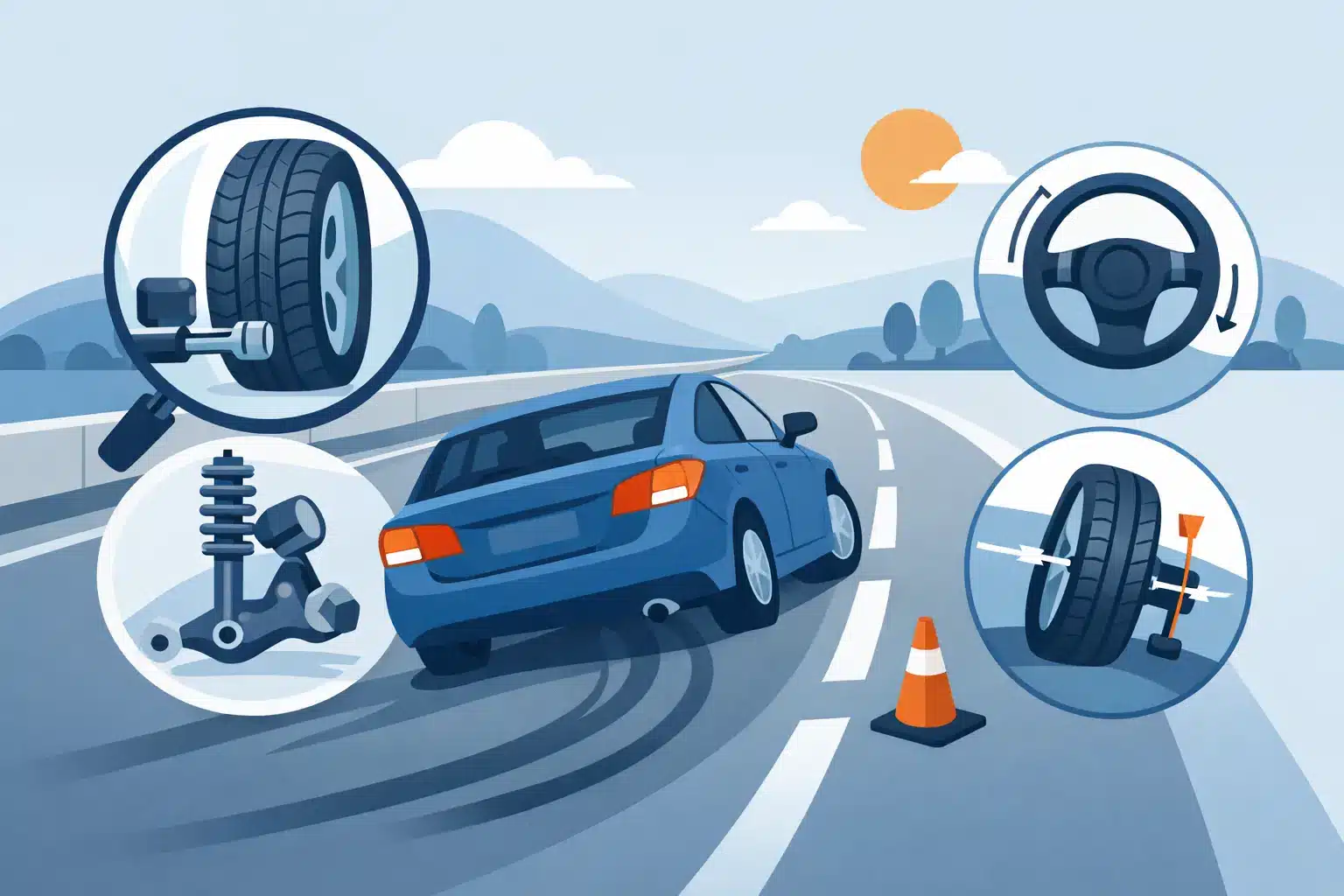
Buy from an established tire brand, check independent test results where available, and avoid treating a mud tire as a fit-and-forget upgrade. Keep pressures correct, rotate regularly, and have wheel alignment checked after suspension work or hard off-road use. Uneven wear can make any mud tire louder and less safe.
Driving style matters as much as the tread. Leave more room in the wet, brake earlier, and be measured through corners. Four-wheel drive helps you move forward, but it does not create extra braking grip when the road is slick.
Budget for the Complete Setup
The purchase price is only one part of fitting mud tires. Include mounting, balancing, alignment, tire disposal, possible wheel changes, suspension adjustments, and any required speedometer correction in the overall cost. A cheap tire that wears quickly or causes fitment issues is rarely a bargain.
It is also smart to price a matching spare. Off-road driving is hard on tires, and mixing an unmatched spare with the other three can create handling concerns or drivetrain stress, particularly on vehicles with four-wheel-drive systems. If a full-size spare will not fit in the factory location after upsizing, work out a safe carrying solution before heading out.
At Ryan Automotive and Tyres, a proper mud-tire fitment can be checked alongside wheel balance, alignment, suspension condition, and the vehicle’s intended load. Getting those details handled under one roof helps prevent the costly surprises that come from buying tires based on looks alone.
The best mud tire is the one that gets your vehicle through the ground you actually face, carries what you need it to carry, and still lets you drive home safely and comfortably. Bring in your current tire size, vehicle details, and an honest picture of your usual driving, and choose from there.