How to Choose a Car Battery That Fits Your Vehicle
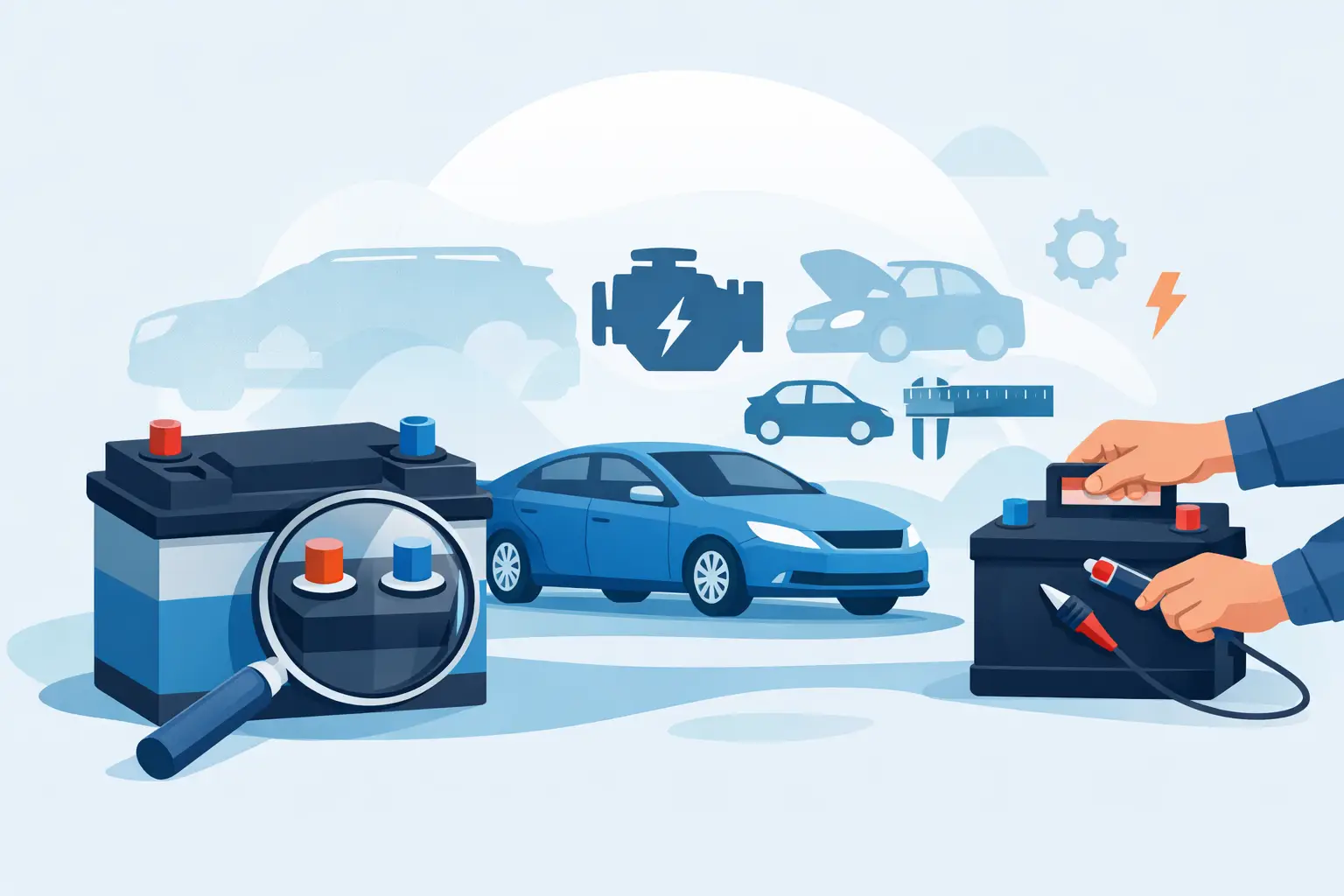
A battery can look fine until the morning you are late for work, the kids are waiting in the car, or a work truck needs to leave before daylight. Knowing how to choose a car battery means looking beyond the price tag. The right battery must physically fit your vehicle, deliver enough starting power for your conditions, and suit the electrical demands you place on it every day.
For most drivers, the safest starting point is the battery specification listed in the owner’s manual or on the existing battery. That gives you a baseline, but it is still worth understanding what the numbers mean before replacing it. Choosing the wrong unit can lead to poor starting, loose fitment, cable problems, or a battery that wears out sooner than it should.
Start With the Correct Battery Size
A battery is not one-size-fits-all. The group size tells you the battery’s physical dimensions, terminal position, and general layout. Even a battery with plenty of power is no good if it does not sit securely in the battery tray or if the cables cannot reach the terminals correctly.
Check the group size on your current battery, in the owner’s manual, or through a vehicle fitment guide using your year, make, model, and engine. Do not assume that two batteries that look similar will interchange. A battery that is too tall may contact the hood, one that is too short may not be held down properly, and reversed terminals can make installation unsafe or impossible.
The hold-down bracket matters as much as the dimensions. Your battery must be firmly secured so vibration does not damage the case, terminals, or internal plates. This is especially relevant for trucks, work vehicles, trailers, and 4WDs that spend time on rough roads.
Check Terminal Type and Position
Before buying, look at where the positive and negative terminals sit. Top-post terminals are common, while some vehicles use side terminals or a different connection arrangement. The positive cable should reach the positive terminal without being stretched, crossed, or forced over the battery.
Also inspect the cable ends. Corrosion, loose clamps, and damaged cables can imitate a bad battery. Replacing a battery without addressing poor connections may leave you with the same starting issue.
Choose Enough Starting Power
Cold cranking amps, usually shown as CCA, measure how much starting current a battery can deliver in cold conditions. Even if you do not deal with severe winters, CCA remains a useful guide to a battery’s ability to turn the engine over strongly.
Meet or exceed the manufacturer’s recommended CCA rating. Going slightly higher can make sense for a larger engine, a diesel, a vehicle parked outside, or a vehicle that must start reliably after sitting for several days. It can also be useful if you operate accessories such as extra lighting, refrigeration equipment, an inverter, or a sound system.
More CCA is not automatically better in every case. It often costs more, and a higher-capacity battery may not fit the tray or be necessary for a lightly used compact car. The goal is the correct battery for the vehicle and the way it is used, not simply the biggest number on the label.
Reserve Capacity Matters When Accessories Are On
Reserve capacity, or RC, indicates how long a fully charged battery can continue supplying power if the charging system is not operating. It matters when you are using electrical accessories with the engine off and provides extra protection if an alternator problem develops.
A commuter car with standard equipment may be fine with the original reserve capacity. A family SUV with rear entertainment, a tradie vehicle with work lights and charging gear, or a 4WD with a fridge and recovery accessories may benefit from more reserve capacity. Be realistic about your setup. Repeatedly draining any standard starting battery with accessories will shorten its life.
If your vehicle has serious off-grid power needs, ask whether you need a dual-battery setup or a deep-cycle battery for accessories. A starting battery is designed to release a large burst of power to start an engine. A deep-cycle battery is built to handle slower, repeated discharges. They do different jobs.
Conventional, AGM, or EFB: Match the Battery Technology
Battery technology should match the vehicle’s charging system and features. Conventional flooded batteries remain a practical, affordable choice for many vehicles. They suit standard cars and trucks without heavy electrical demand or stop-start technology.
AGM, short for absorbed glass mat, batteries are more resistant to vibration and handle high electrical loads well. They are commonly fitted to vehicles with stop-start systems, premium electronics, or demanding accessory use. They cost more, but fitting a cheaper conventional battery where AGM is required can cause poor performance, warning lights, and a shorter service life.
EFB, or enhanced flooded battery, is another option often used in stop-start vehicles. It provides better cycling ability than a conventional flooded battery, though it is generally not equivalent to AGM. Follow the manufacturer requirement. If your vehicle came with AGM, replace it with AGM unless a qualified technician confirms an approved alternative.
Some late-model vehicles may also need a battery registration or reset after replacement. This tells the vehicle’s battery management system that a new battery has been installed, allowing it to charge correctly. Skipping this step can reduce battery life on vehicles designed for battery monitoring.
Consider Your Driving Habits Before You Buy
The best battery on paper can still fail early if it does not suit how you drive. Short trips are tough on batteries because the alternator may not have enough time to replace the power used during starting. If you mostly drive a few minutes at a time, choose a quality battery with appropriate reserve capacity and consider taking the vehicle on regular longer drives.
Vehicles that sit unused also need attention. A battery naturally loses charge over time, while alarms, clocks, keyless entry systems, and other electronics continue drawing small amounts of power. If a second car, weekend 4WD, or work truck sits for weeks, a battery maintainer may be a better investment than repeatedly jump-starting it.
Hot weather is another factor. Heat can accelerate battery fluid loss and internal wear, so local drivers should not rely only on a battery’s stated warranty period. A battery test during routine service can reveal declining performance before it becomes a roadside problem.
Do Not Buy on Price Alone
A cheap battery can be tempting when your vehicle will not start, but the lowest price is not always the lowest-cost choice. Compare the correct fitment, CCA, reserve capacity, technology, warranty terms, and the reputation of the battery brand. A battery with a longer warranty can offer peace of mind, but read the conditions as warranty length does not replace proper maintenance or correct installation.
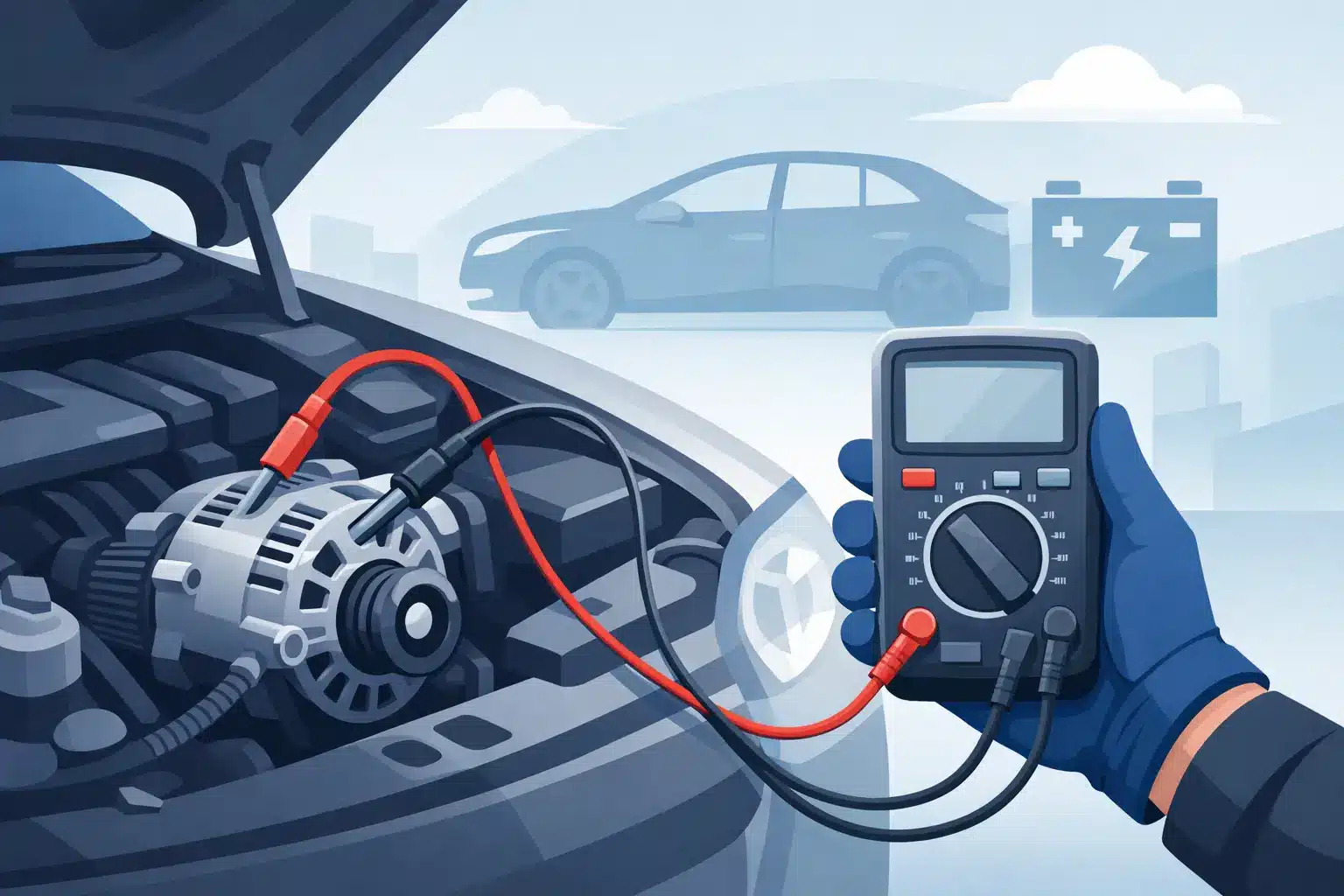
It is also worth considering the value of professional fitment. A proper replacement includes checking the charging system, securing the battery, cleaning the terminals, and confirming the vehicle starts and charges as it should. If the alternator is undercharging, overcharging, or a parasitic draw is draining the battery, replacing the battery alone will not fix the cause.
When a Battery Test Is Better Than a Guess
Slow cranking, dim headlights, a battery warning light, clicking when starting, or frequent jump-starts all justify a battery and charging-system test. But those signs do not always mean the battery is at fault. Starter motor issues, corroded terminals, loose earth connections, and alternator faults can produce similar symptoms.
At Ryan Automotive and Tyres, a battery replacement can be handled alongside diagnostics and electrical checks, so you do not have to visit separate providers to chase a starting problem. For drivers in Kingswood and Penrith, that can mean less downtime when a car, family SUV, or work vehicle needs attention quickly.
A Simple Checklist for Choosing a Car Battery
Before you commit to a battery, confirm these five details:
- The correct group size and secure hold-down fitment
- Terminal type and positive-terminal location
- Manufacturer-recommended CCA, or a suitable higher rating
- Reserve capacity suited to your accessories and driving habits
- The required battery technology, especially for stop-start vehicles
Keep the receipt and warranty information, and have the old battery recycled properly. Lead-acid batteries should never be thrown in household trash.
A dependable battery is one of the least visible parts of your vehicle until it fails. Choose one that fits correctly, meets the electrical demands of your real driving, and is installed with the charging system checked. That small bit of care can save a missed shift, a delayed school run, or a truck sitting idle when it needs to be working.