When Do Brakes Need Replacing? Warning Signs
A brake pedal that feels different on the school run, a squeal at the lights, or a steering wheel that shudders downhill is not something to put off until the next service. If you are asking, when do brakes need replacing, the honest answer is that there is no single mileage for every vehicle. Your driving, vehicle load, road conditions, and the type of braking system all affect how quickly parts wear.
Brake repairs are about more than replacing pads when they get thin. A proper inspection looks at the pads, rotors, calipers, brake fluid, hoses, and the way the whole system is performing. Catching wear early can often keep a straightforward brake job from becoming a more expensive repair.
When Do Brakes Need Replacing? Start With the Warning Signs
Your car usually gives you a warning before the brakes become unsafe. Some noises and sensations can have other causes, but they should always be checked rather than guessed at.
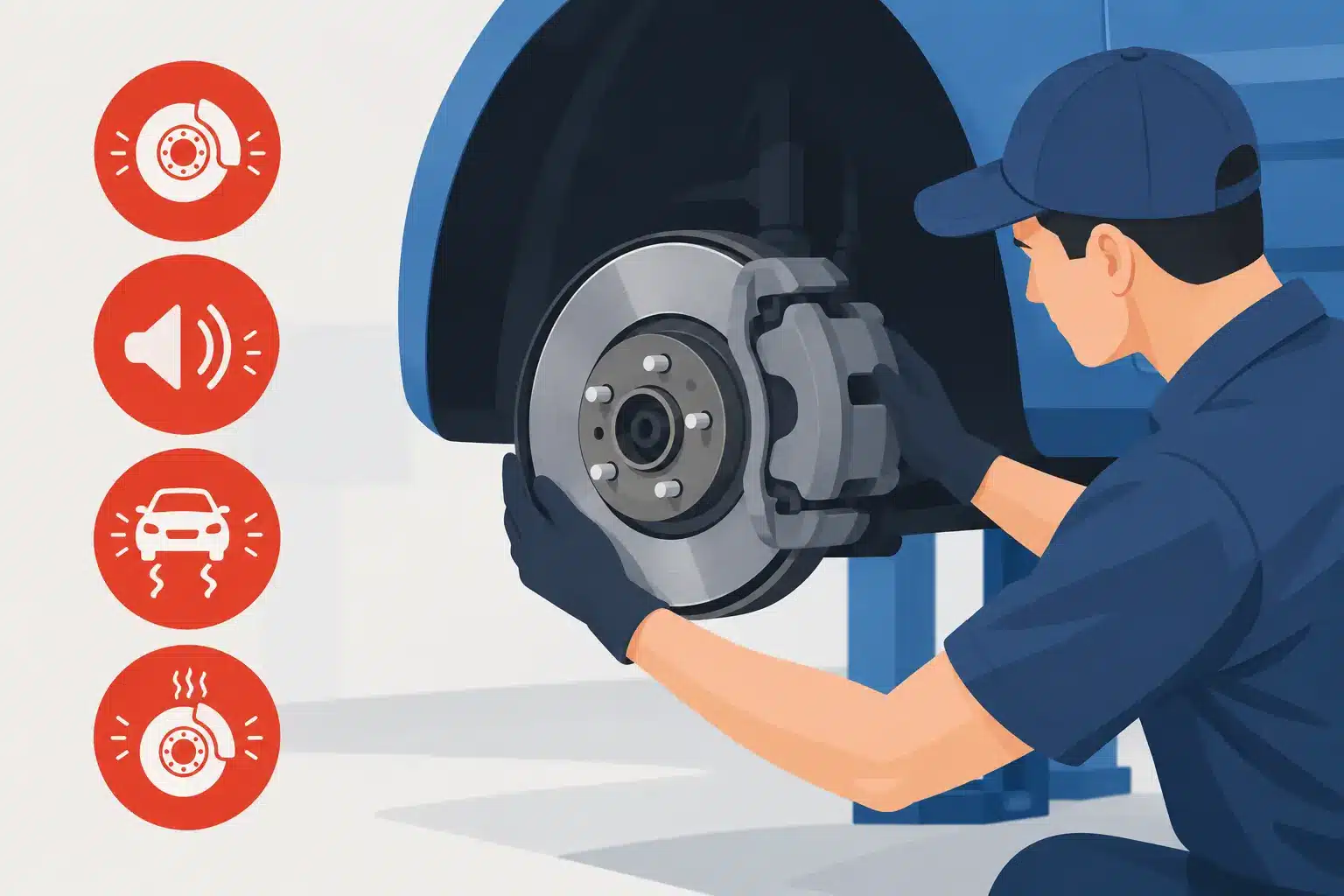
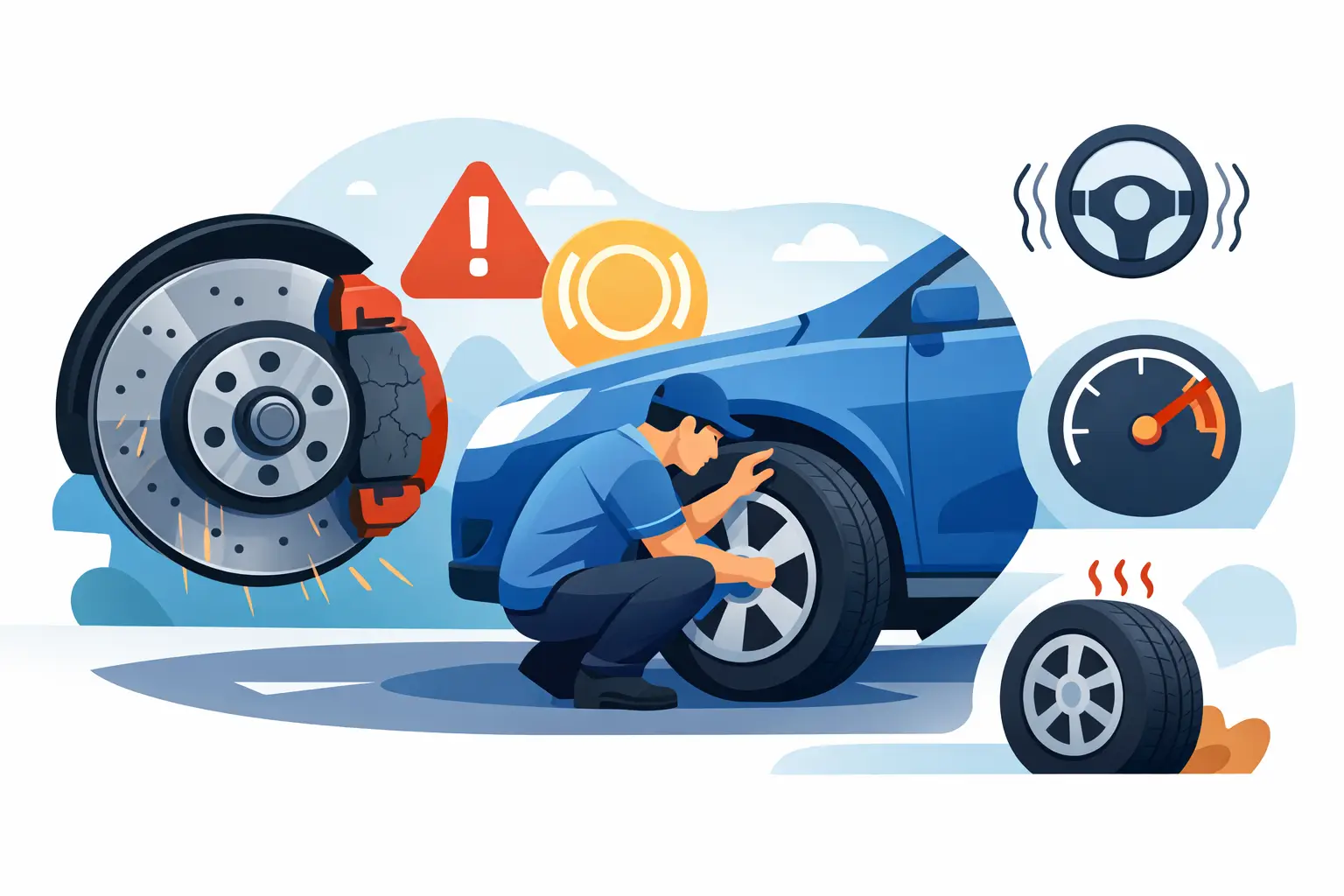
A high-pitched squeal when braking is one of the most common signs. Many brake pads have a small wear indicator designed to make noise when the friction material is getting low. It does not always mean the brakes have failed, but it does mean it is time to arrange an inspection soon.
A harsh grinding or scraping sound is more urgent. This can mean the pad material has worn away and metal is contacting the rotor. Continuing to drive can damage the rotors, reduce braking performance, and turn a pad replacement into a larger job.
Pay attention to how the pedal feels as well. A soft or spongy pedal, a pedal that sinks farther than usual, or a pedal that needs pumping may point to low brake fluid, air in the hydraulic system, or a leak. These symptoms need professional attention promptly because they can affect your ability to stop.
Other signs that call for a brake check include:
- Vibration or pulsing through the pedal or steering wheel during braking
- The vehicle pulling left or right when you apply the brakes
- A brake warning light or ABS light on the dash
- A burning smell after normal driving, especially around one wheel
- Longer stopping distances or a brake pedal that feels unusually hard
A vehicle that pulls while braking might have an unevenly worn pad, a sticking caliper, or a brake fluid issue. It is not a problem to ignore, particularly in a work vehicle, family car, or loaded trailer setup where stopping distance matters even more.
Brake Pads, Rotors, and Fluid Wear Differently
People often use the word “brakes” to mean the pads, but several parts can need attention at different times. Brake pads are consumable items. Their friction material wears down every time you slow the vehicle, especially in stop-and-go traffic.
Many drivers see front pads wear faster because the front of the vehicle handles more braking force. That is common, but it is not a rule for every model. Some vehicles use rear brakes heavily through electronic brake distribution, towing use, or driving conditions. An inspection gives a real measurement instead of an assumption.
Rotors, also called brake discs, may last through more than one set of pads, but they are not permanent. Heat, wear, corrosion, and excessive thinning can mean they need replacement. A rotor that is below its minimum thickness cannot safely handle and disperse heat as designed. If it is warped, cracked, deeply scored, or heavily rusted, machining may not be the right option.
Brake fluid needs attention too. It absorbs moisture over time, which lowers its boiling point and can contribute to internal corrosion. Old fluid may not cause an obvious noise, but it can affect pedal feel and brake performance under heavy use. Follow your vehicle manufacturer’s service schedule and have the fluid condition checked during routine servicing.
How Long Should Brake Pads Last?
A broad estimate for brake pads is often 30,000 to 70,000 miles, but mileage alone is a poor reason to replace them. A commuter who travels mostly on open highways may get far more life from a set than someone making short urban trips with frequent stops. A tradie carrying tools, a 4WD loaded for a trip, or a vehicle towing a trailer places more demand on the braking system.
Driving habits matter as much as distance. Braking late and hard generates more heat and wears pads faster than leaving a safe following distance and braking progressively. Long descents can also be hard on brakes, particularly if the vehicle is carrying weight. Using a lower gear where appropriate helps control speed and reduces constant brake application.
Time can matter even when mileage is low. A car that sits for long periods can develop rotor corrosion, sticking calipers, or seized slide pins. You may notice a scraping noise after rain or overnight parking that disappears after a few stops. Light surface rust can be normal, but a persistent noise or rough braking deserves inspection.
Do Not Wait for the Warning Light
Some vehicles have a brake pad wear sensor that triggers a dashboard warning, but not every vehicle does. Even on vehicles that have one, the sensor may only monitor one pad location. Waiting for the light means you may already be close to the end of the pad’s usable life.
The red brake warning light is different from a pad wear reminder. It can indicate low brake fluid, a hydraulic issue, or that the parking brake is engaged. If it stays on while driving, stop somewhere safe and arrange a check. If the pedal is soft, braking is weak, or there is a visible fluid leak, do not continue driving the vehicle.
The ABS light should also be inspected. Your regular brakes may still work, but the anti-lock braking system may not operate properly in an emergency or on a slippery road. That is a safety feature worth keeping in working order.
What Happens During a Proper Brake Inspection?
A good brake inspection is practical and specific. The technician measures pad thickness, checks rotor condition and thickness, looks for uneven wear, and inspects calipers, hardware, hoses, and fluid. They should also road test the vehicle where appropriate to assess noise, pull, pedal feel, and vibration.
The best repair is not always “replace everything.” If pads are worn but rotors are within specification and in good condition, pads may be all that is needed. If the pads have worn unevenly because a caliper is sticking, replacing pads alone will not solve the underlying problem. The caliper or hardware issue must be addressed so the new parts do not wear out prematurely.
Price matters, but brake work is one area where the cheapest option can create false savings. Quality pads and correctly fitted components make a difference to noise, pedal feel, dust, and service life. The right choice depends on the vehicle and how it is used. A daily commuter, a commercial work vehicle, and a towing 4WD may need different parts and recommendations.
Can You Drive With Worn Brakes?
If the vehicle is grinding, pulling sharply, losing brake fluid, showing a red warning light, or taking longer to stop, treat it as urgent. Driving it can put you and other road users at risk. It can also cause avoidable damage to rotors, calipers, and other components.
If the only symptom is an occasional squeal and the pedal still feels normal, book an inspection rather than waiting to see whether it gets worse. Brakes rarely improve with more driving. A quick check gives you a clear answer on remaining pad life and lets you plan the repair before it becomes a disruption.
For drivers around Kingswood and Penrith, Ryan Automotive and Tyres can inspect the complete braking system as part of practical, one-stop vehicle care. Whether your car is due for service, your work vehicle is carrying heavier loads, or a warning sign has just appeared, getting the brakes checked early keeps the decision simple: repair what is needed, protect the parts that are still serviceable, and get back on the road with confidence.