8 Logbook Service Benefits for Your Vehicle
A warning light rarely appears at a convenient time. Neither does a flat battery before work, a brake vibration on the school run, or an overheating issue when your vehicle is loaded for the weekend. The practical value of regular maintenance is avoiding those surprises where possible, and that is where logbook service benefits matter. A proper logbook service follows the maintenance schedule set by your vehicle manufacturer, rather than relying on a quick oil change when something starts to feel wrong.
For commuters, family vehicles, work utes, 4WDs, trucks, and trailers, scheduled servicing is one of the simplest ways to protect reliability. It gives a mechanic the chance to inspect the systems that wear gradually, replace specified fluids and filters, and spot faults while they are usually smaller and more affordable to fix.
What Is a Logbook Service?
A logbook service is maintenance completed according to the intervals and requirements in your vehicle’s manufacturer service book or digital service record. Those intervals may be based on time, mileage, or both. For example, a vehicle may need servicing every 6 or 12 months, even if it has not covered the full mileage interval.
The exact work depends on the vehicle’s age, engine, transmission, and service schedule. It can include engine oil and filter replacement, fluid checks, brake inspections, tire condition and pressure checks, battery testing, steering and suspension inspection, and replacement of manufacturer-specified items such as air filters, spark plugs, or transmission fluids.
This is different from a basic oil change. An oil change can be useful maintenance, but it may not cover every item due at a particular service interval. A logbook service is designed to keep the vehicle maintained in line with what its maker expects.
1. It Helps Protect Your Warranty
For newer vehicles, one of the main logbook service benefits is having a clear record that required maintenance has been completed. Manufacturers set service schedules for a reason: engine oils, filters, brake fluid, cooling systems, and other components all have working limits.
Keep invoices and service records, even where your vehicle uses a digital logbook. The record should show the date, mileage, work performed, fluids and parts used, and the workshop details. If a warranty question arises later, clear documentation is far more useful than trying to remember when the last service was done.
You do not necessarily need to use a dealership for servicing, but the work must be performed correctly and to the manufacturer’s requirements. A qualified workshop can follow the required schedule and use suitable parts and lubricants. If you are unsure about a particular warranty condition, check the terms for your vehicle before booking.
2. It Finds Wear Before It Becomes a Breakdown
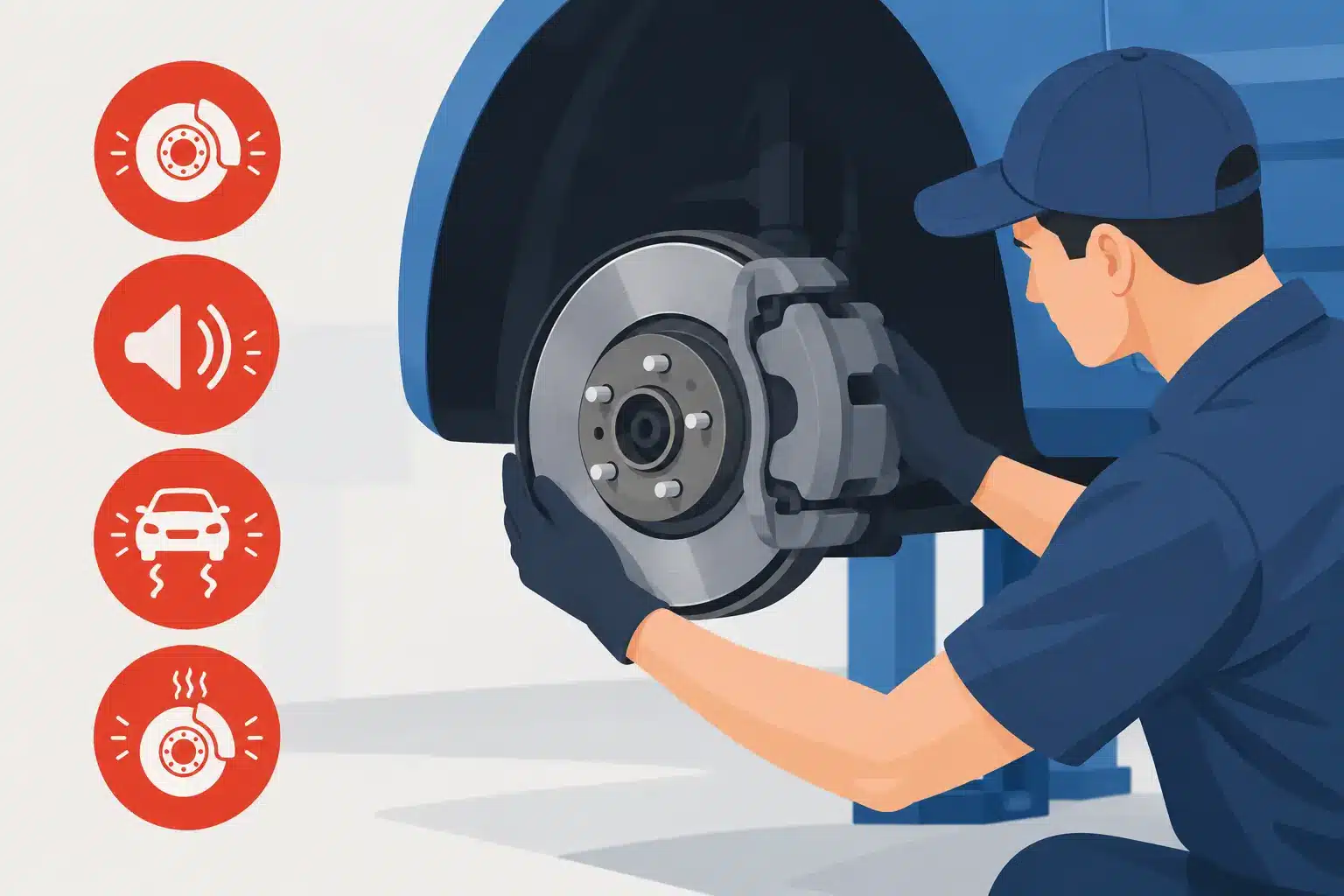
Many vehicle problems develop slowly. Brake pads wear down over thousands of miles. A battery loses starting capacity over time. Tires can develop uneven wear from alignment or suspension issues. A small coolant leak may only become obvious once it turns into an overheating problem.
Scheduled servicing creates regular opportunities to catch these issues early. That can mean replacing worn brake pads before the rotors are damaged, fixing a leaking hose before the engine overheats, or correcting an alignment issue before a set of tires wears out prematurely.
Early repairs are not always cheap, but delayed repairs often cost more because one failed part can damage another. A neglected cooling issue, for example, can lead to far more serious engine damage than the original hose, clamp, or coolant leak.
3. It Keeps Your Vehicle Safer on the Road
Safety is not limited to whether the engine starts. A logbook service includes checks that can affect stopping distance, handling, visibility, and vehicle control. Brake condition, tire tread, tire pressure, steering response, suspension components, lights, wiper blades, and fluid levels all deserve attention.
This matters even more for drivers who carry family members, tow trailers, use a work vehicle daily, or travel on highways and rougher roads. A heavily loaded ute or 4WD puts more demand on brakes, tires, and suspension than a lightly used commuter car. The standard manufacturer schedule is a strong starting point, but tougher operating conditions may call for more frequent checks.
If you notice pulling under braking, vibration through the steering wheel, a soft brake pedal, uneven tire wear, or a new noise over bumps, do not wait for the next scheduled service. Those symptoms need a closer look.
4. It Can Reduce Long-Term Running Costs
Maintenance costs money, but skipping maintenance is not automatically the cheaper option. Fresh oil helps protect moving engine parts. Clean filters support efficient airflow. Correct fluid levels help braking, cooling, and transmission systems operate as intended. Proper tire pressures and wheel alignment can also help tires last longer.
The savings are rarely dramatic from a single service. They add up over the life of the vehicle through fewer avoidable repairs, less premature tire wear, and a lower chance of being left stranded by a problem that could have been identified earlier.
There is still a trade-off. Not every recommendation is equally urgent, and a good workshop should explain what is required now, what can be monitored, and what may be due at the next interval. Ask for a clear estimate before additional work is carried out. That lets you make an informed decision without losing sight of safety or manufacturer requirements.
5. It Supports Better Fuel Economy and Performance
When a vehicle is overdue for maintenance, it may still run, but it may not run at its best. Old engine oil, restricted filters, incorrect tire pressure, worn spark plugs, or unresolved diagnostic faults can affect fuel use, acceleration, and overall drivability.
A logbook service does not turn an everyday vehicle into a performance build. What it does is help restore and maintain the standard your vehicle was designed to deliver. For drivers covering long distances around Penrith and beyond, even modest improvements in efficiency and smooth running can make daily driving less frustrating.
For diesel vehicles, towing vehicles, and 4WDs, staying on top of the correct fluids and filters is particularly worthwhile. These vehicles often work harder than a city commuter and can be more expensive to repair if maintenance is overlooked.
6. It Protects Resale Value
When it is time to sell or trade in a vehicle, buyers want evidence that it has been cared for. A complete, consistent service history gives them more confidence than a vehicle with missing records and unexplained gaps.
A service record does not guarantee a top resale price. Age, mileage, condition, accident history, tires, and market demand all play a part. Still, a well-documented maintenance history can make a vehicle easier to sell and can help show that you did not ignore routine care.
This is especially useful for work vehicles and vehicles that have been used for towing. Buyers know those vehicles may have worked hard, so proof of regular servicing, tire care, brake work, and repairs can help answer reasonable questions about their condition.
7. It Gives You a Clear Maintenance Plan
One underrated benefit of logbook servicing is that it takes the guesswork out of ownership. Instead of waiting until a noise appears or searching for advice after a warning light comes on, you have a schedule for the major maintenance items your vehicle needs.
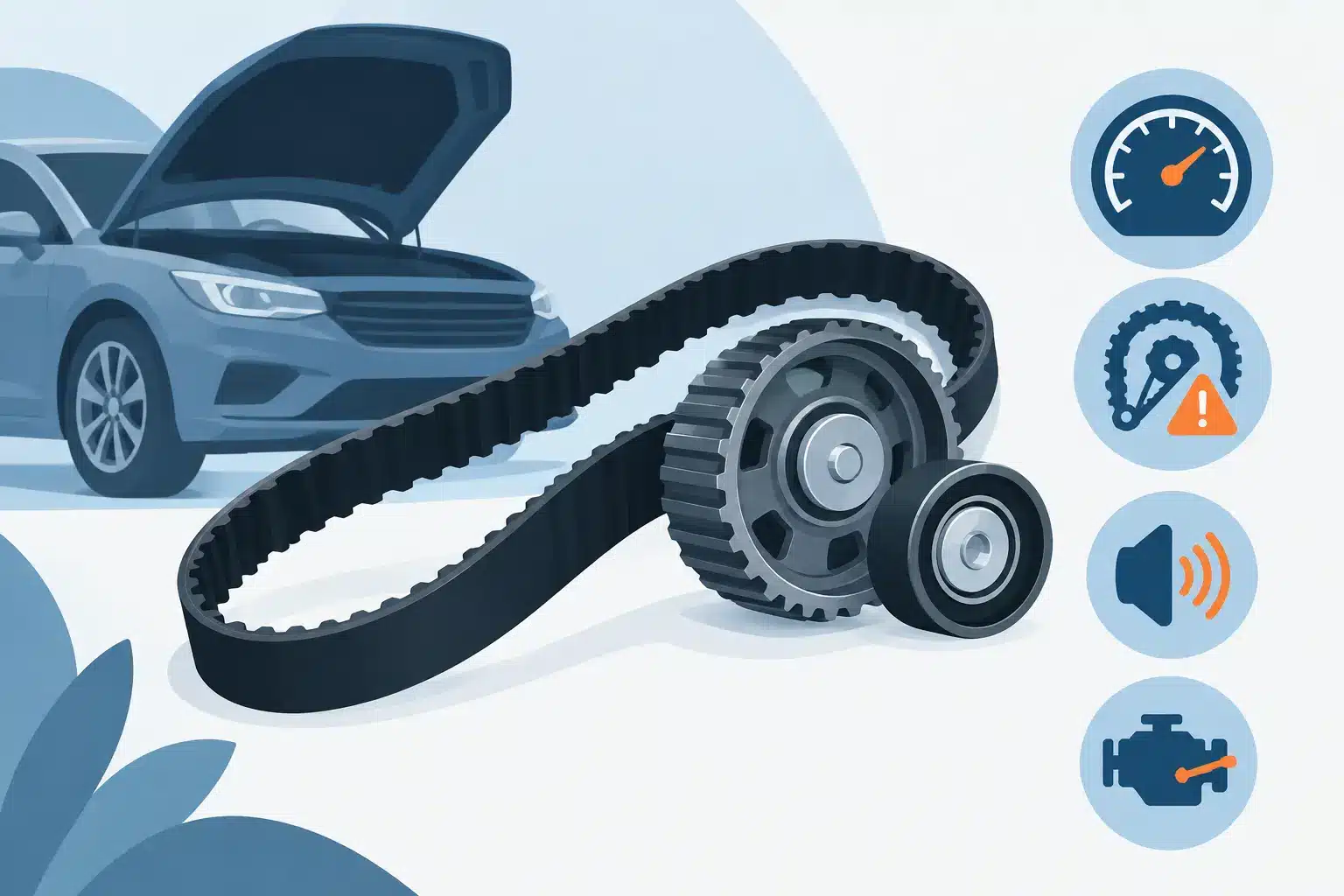
That plan becomes more useful as the vehicle gets older. A newer car may only need routine servicing, while an older vehicle may need closer attention to brakes, suspension, cooling components, belts, hoses, batteries, and tire condition. Keeping up with the scheduled work also makes it easier for your mechanic to see patterns over time.
At Ryan Automotive and Tyres, a logbook service can also be a practical chance to deal with related needs in one visit, such as tires, wheel balancing, alignment, battery testing, or a brake concern. That one-stop approach can reduce downtime when you have a busy week ahead.
8. It Helps You Prepare for the Next Service, Not React to It
The best service visit should leave you with more than a stamped book or invoice. You should know what was completed, what was found, and what may need attention next. If tires are wearing unevenly, if brake pads are approaching replacement, or if a battery is weakening, planning ahead is easier than dealing with an unexpected failure.
Ask your mechanic to explain any recommended work in plain language. Find out whether it is safety-related, required by the manufacturer schedule, or a repair that can be monitored for now. A straightforward conversation helps you budget properly and keeps there from being any confusion about the condition of your vehicle.
A logbook service is most valuable when it is done on time and matched to how you use your vehicle. Book before the next interval arrives, bring up any changes you have noticed, and treat the visit as a chance to keep your vehicle dependable for the miles ahead.