How to Know Battery Replacement Is Needed
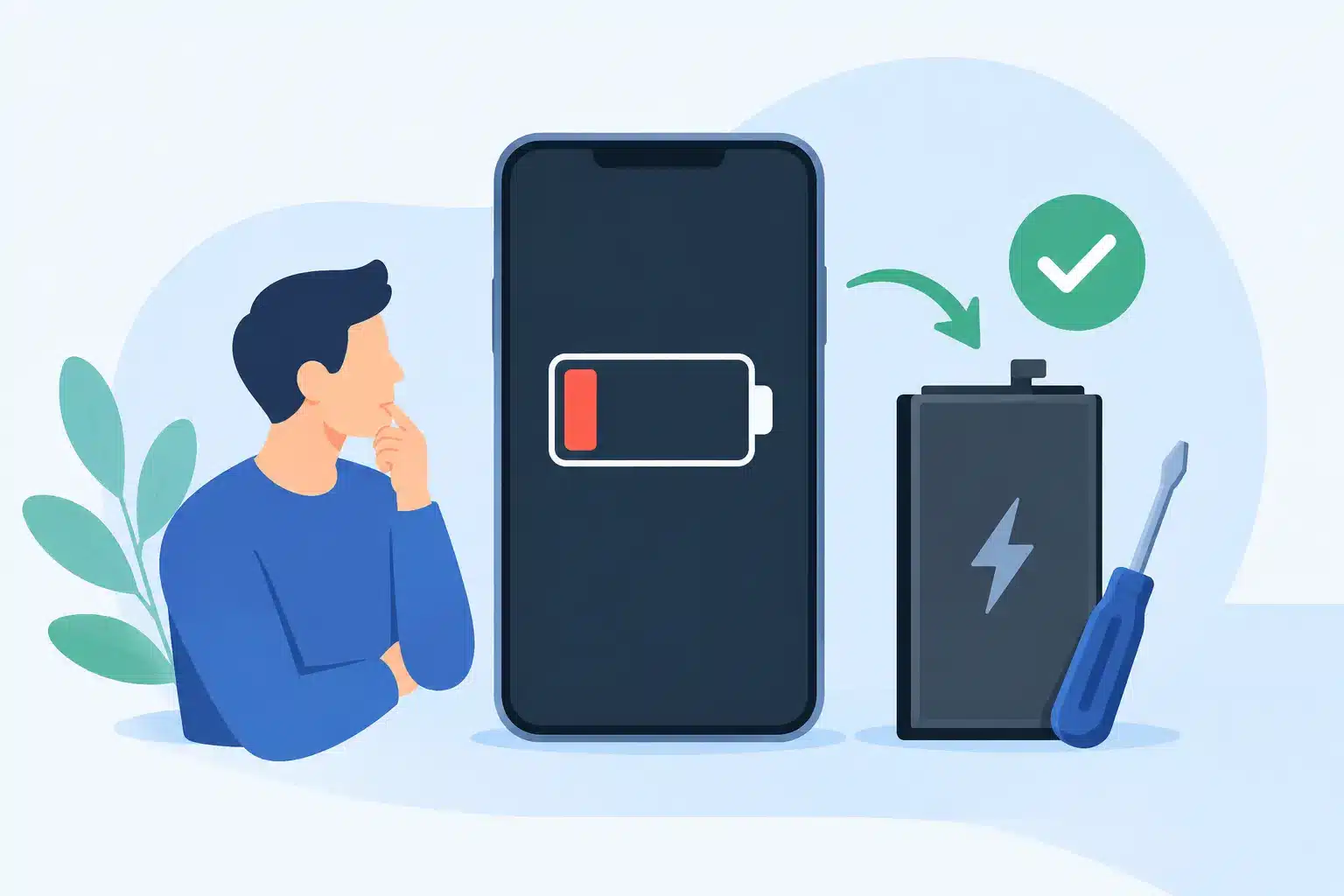
A car that hesitates for a second before starting can turn into a no-start situation at the worst possible time – outside work, during the school run, or before a weekend trip. Knowing how to know battery replacement is needed gives you time to fix the problem on your terms instead of waiting for a breakdown.
Your battery does more than start the engine. It supplies power to the starter motor, supports the electrical system, and helps keep voltage stable while the vehicle is running. When it weakens, the signs can be subtle at first. Catching them early can save you from a tow, missed work, or a vehicle that will not start when you need it most.
How to Know Battery Replacement Is Due
The most familiar warning sign is a slow crank. When you turn the key or press the start button, the engine may sound labored before it fires up. A healthy battery usually starts the vehicle quickly and consistently. If the engine turns over more slowly than normal, particularly after the car has been sitting overnight, the battery should be checked.
Dim headlights are another common clue. You may notice your headlights look weaker at idle and brighten when you rev the engine, or that interior lights fade while starting the car. This can point to a weak battery, although it can also indicate an alternator or wiring issue. A proper test matters because replacing a battery will not solve a charging-system fault.
Pay attention to electrical accessories as well. Power windows moving slowly, a stereo resetting, dashboard screens flickering, or central locking acting inconsistently can all happen when voltage is low. Modern vehicles rely on stable power for far more than starting, so battery trouble does not always look the same from one vehicle to another.
A battery warning light on the dash should never be ignored. Despite its name, this light often relates to the entire charging system, including the alternator, drive belt, cables, and battery. If it comes on while driving, reduce unnecessary electrical load and arrange an inspection as soon as practical. Your vehicle may continue running for a short time, but once the stored charge is depleted, it can stop.
Other signs that deserve attention include:
- A battery case that is swollen, cracked, leaking, or badly corroded
- A sulfur or rotten-egg smell around the battery area
- Needing a jump-start more than once
- Start-stop technology no longer operating as it normally does
- Battery age of three to five years, especially in hot conditions
- A vehicle that has sat unused for weeks and now struggles to start
One sign alone does not always mean the battery has failed. Several signs together, however, are a strong reason to book a battery and charging-system test.
Battery Age Matters, Even If the Car Still Starts
Many drivers wait for a battery to go completely flat before considering replacement. That is understandable, but it is not the most convenient approach. Most vehicle batteries last roughly three to five years, depending on driving habits, climate, battery quality, and the demands placed on the electrical system.
Short trips are especially hard on a battery. Starting an engine takes a large burst of power, and a quick drive may not give the alternator enough time to fully recharge it. If your routine involves frequent short runs, school drop-offs, local errands, or long periods parked between drives, the battery can wear out sooner.
Heat also has a major effect. High under-hood temperatures speed up chemical aging inside the battery, while cold weather makes it harder for a weakened battery to deliver enough starting power. That is why a battery can seem fine for months, then fail on the first cold morning or after a stretch of very hot weather.
Check the date label on the battery if it is visible. If it is approaching or past the three-year mark, testing it during routine service is a sensible move. Age alone does not automatically mean replacement is necessary, but it gives useful context when slow starts or electrical issues begin.
A Battery Test Gives a Clearer Answer
Voltage can provide an early indication of battery condition, but voltage alone is not the full story. A battery may show reasonable voltage at rest and still collapse under the heavy load of starting the engine. That is why a load test or electronic battery test is more useful than simply looking at the terminals or checking a dashboard display.
A workshop test can assess the battery’s available starting capacity, its state of charge, and the alternator’s charging output. It can also identify loose connections, corroded terminals, damaged cables, or excessive parasitic draw. Parasitic draw means something is using power while the car is switched off, such as an accessory, module, light, or wiring fault.
This diagnosis prevents unnecessary spending. If the battery is healthy but the alternator is not charging correctly, installing a new battery may only provide a temporary fix. On the other hand, if the charging system is working and the battery fails its test, replacement is usually the reliable option.
Look Closely at the Battery Terminals
Open the hood with the engine off and inspect the battery area carefully. Blue, green, or white buildup around the terminals can interfere with current flow and cause starting problems. Corrosion does not automatically mean the battery needs replacing, but it should be cleaned and the terminals checked for a tight connection.
Do not touch leaking battery fluid or attempt to use a damaged, swollen battery. A swollen case can be caused by overcharging, excessive heat, or internal failure. It needs professional attention, as does a battery with a cracked case. These are not issues to postpone.
If your battery has removable caps, avoid opening it unless you understand the specific battery type and manufacturer requirements. Most current vehicle batteries are sealed maintenance-free units. The safer and more useful approach is to have the battery tested rather than guessing based on appearance.
When a Jump-Start Is Not the Answer
A jump-start can get you moving, but it should not be treated as a repair. If a vehicle needs a jump once because a cabin light was left on, the battery may simply need a proper recharge. If it needs repeated jumps, loses charge after driving, or stalls soon after the jumper cables are removed, there is likely a deeper issue.
Avoid repeatedly jump-starting a failing battery and hoping it will hold on. It can leave you stranded without warning, and low voltage can create faults in vehicles with sensitive electronics. If you must jump-start the vehicle, drive directly to a workshop for testing rather than shutting it off and taking chances later.
Choosing the Right Replacement Battery
Not every battery fits every vehicle. The correct replacement needs the right physical size, terminal layout, voltage, reserve capacity, and cold-cranking rating. Vehicles with start-stop systems often require an AGM or EFB battery rather than a standard flooded battery. Installing the wrong type can reduce battery life and may affect how the vehicle manages charging.
Tradies, 4WD owners, and drivers running extra accessories may have different requirements from a basic commuter car. Fridges, winches, auxiliary lighting, inverters, dash cameras, and trailer brake systems can all increase electrical demand. A battery recommendation should match the vehicle, the way it is used, and any accessories fitted – not just the lowest-priced option on the shelf.
On some late-model vehicles, the new battery may also need to be registered or coded through the vehicle’s battery management system. This tells the charging system that a new battery has been installed and helps it charge correctly. It is another reason professional fitting can be worthwhile.
Do Not Wait for the No-Start Morning
Battery problems rarely arrive at a convenient time. If your car has slow starts, recurring electrical glitches, visible corrosion, or a battery nearing the end of its expected life, arrange a test before it becomes an urgent repair. Ryan Automotive and Tyres can check the battery, terminals, and charging system, then fit the right replacement if one is needed.
A quick check now can be the difference between leaving the driveway on time and being stuck there with a vehicle that will not start.