Tyre Repair Versus Replacement for Safer Driving
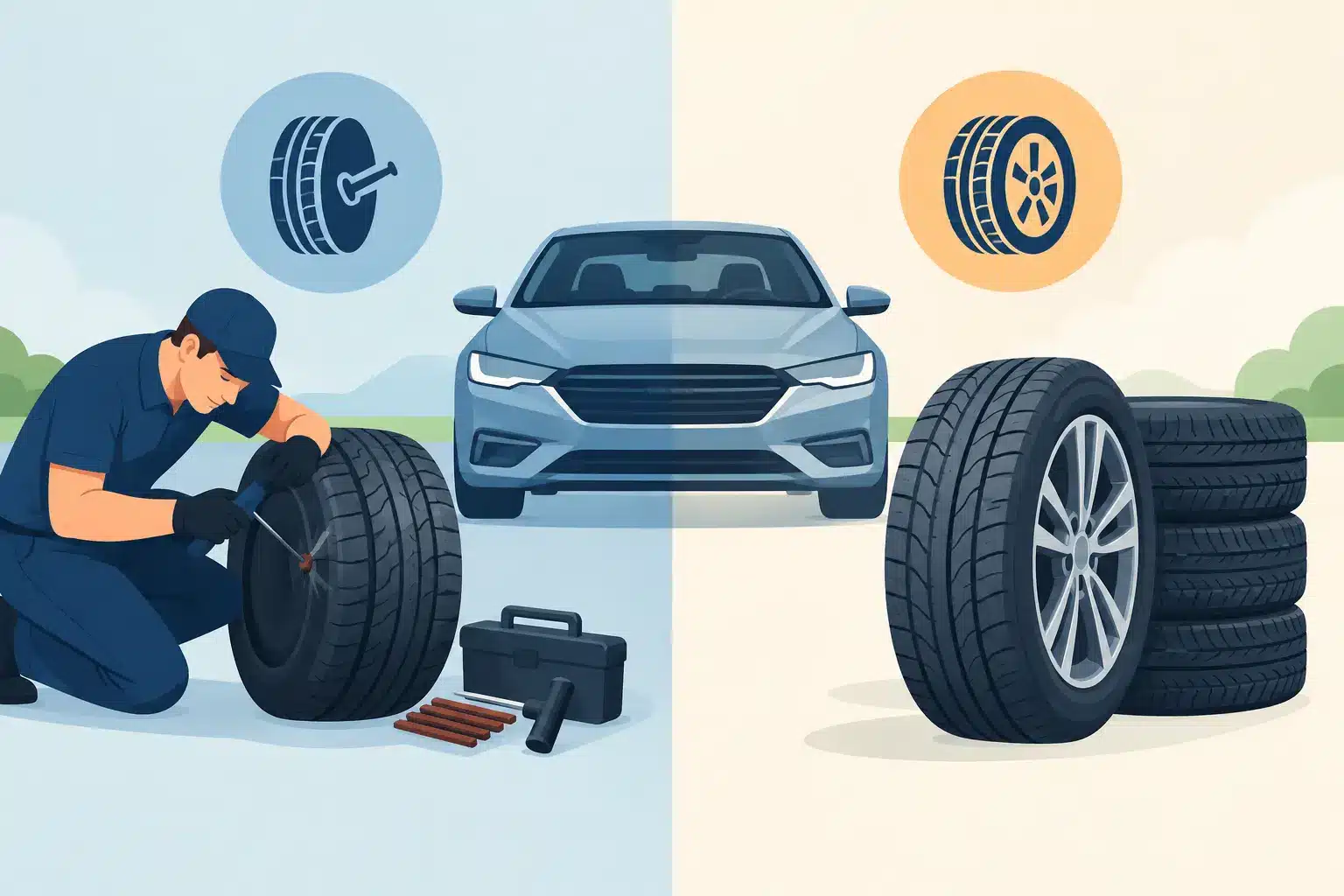
A screw in the tread can turn a normal drive into an urgent decision. The question of tyre repair versus replacement is not just about the cheapest option today. It is about whether the tire can reliably hold air, carry the vehicle’s load, brake properly, and keep you safe through the next commute, work run, or family trip.
A repair is often a sensible, affordable fix when the damage is minor and in the right place. But some tires should be replaced without debate. Knowing the difference can prevent a breakdown, uneven tire wear, and the bigger cost of replacing more than one tire later.
Tyre Repair Versus Replacement Starts With Damage Location
The location of a puncture is one of the first things a technician checks. A small nail or screw hole in the central tread area may be repairable if the tire is otherwise in good condition. This is the strongest part of the tire for a standard puncture repair because it flexes less than the outer edges.
Damage in the shoulder or sidewall is different. The shoulder is the transition between the tread and sidewall, and it works hard while cornering. The sidewall flexes constantly and carries a major part of the vehicle’s load. A puncture, split, bulge, or cut in either area can weaken the tire structure, even if it appears to hold air after a quick patch.
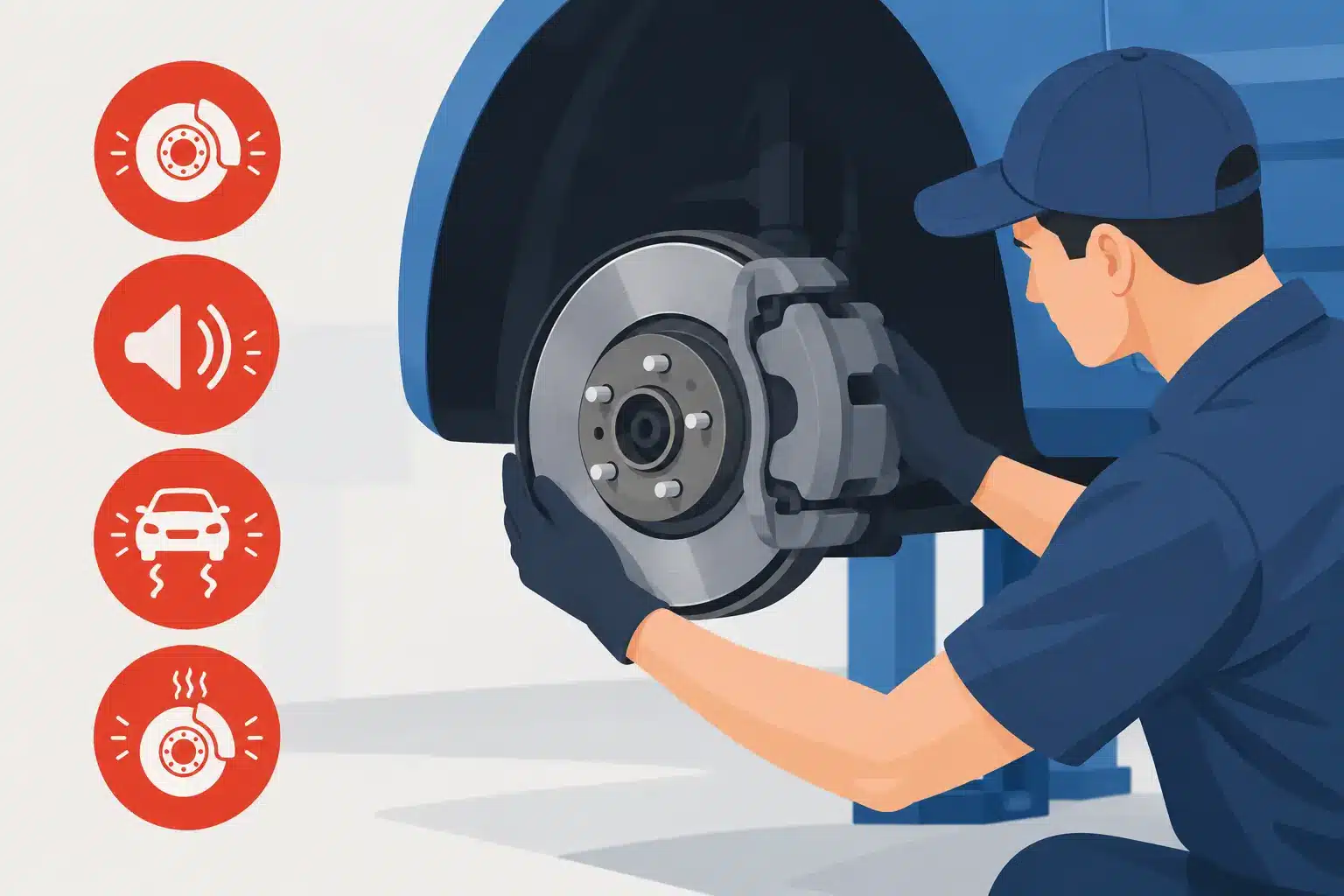
An external plug may stop a leak temporarily, but it does not show what has happened inside the tire. A proper assessment means removing the tire from the wheel and inspecting the inner liner, casing, and surrounding area. That is the only reliable way to determine whether a repair is safe.
Size and Type of the Puncture Matter
A small, straight-through puncture is more likely to be repairable than a large hole, jagged tear, or damage caused by an object entering at an angle. The exact repair limits depend on the tire manufacturer and industry repair standards, but the principle is simple: if too much material is missing or the internal structure is compromised, replacement is the safer choice.
Two close punctures can also rule out repair. Repairing overlapping or nearby damaged areas may leave too little sound material between them. For work vehicles, trailers, loaded SUVs, and 4WDs, that extra stress matters even more.
When a Tire Repair Is a Smart Choice
A professional repair can be a good value when the puncture is in the repairable tread zone, the tire has not been driven flat, and there is plenty of usable tread remaining. In that situation, repairing the tire keeps a quality tire in service and avoids replacing a tire before its time.
The best repair is completed from the inside after the tire has been removed and checked. The damaged channel is prepared, then repaired with a combination plug and patch designed to seal the puncture and the inner liner. The tire is then refitted, inflated to the correct pressure, and balanced if needed.
A repair makes particular sense when the other tires are in good shape and evenly worn. Replacing one tire on a vehicle with a matched set can create differences in tread depth, handling, and traction. On some all-wheel-drive vehicles, substantial differences in tire circumference can place extra strain on the drivetrain. A repair may preserve the matched set when it is safe to do so.
That said, a repair is never a shortcut around an underlying problem. If a tire keeps losing pressure, the cause may be a corroded wheel, damaged valve stem, bent rim, or another puncture. Fixing the leak without finding the source only delays the next issue.
When Tire Replacement Is the Right Call
Replacement is necessary when the tire can no longer do its job safely. It can feel frustrating to replace a tire that still has visible tread, but tread alone does not tell the whole story. Internal damage and sidewall deterioration can make a tire unsafe long before the tread is completely worn.
Replace the tire if any of these conditions apply:
- The puncture, cut, or impact damage is in the sidewall or shoulder.
- The tire was driven while flat or severely underinflated.
- There is a bulge, bubble, exposed cord, separated tread, or deep sidewall cracking.
- The tread is worn near or below the wear bars, or wear is badly uneven.
Driving on a flat tire is one of the most common reasons a repairable-looking puncture becomes a replacement. When air pressure drops, the sidewalls fold and overheat as the vehicle continues moving. The internal cords can break without leaving obvious evidence on the outside. Once that structure is damaged, reinflating the tire does not restore its strength.
Tread Depth, Tire Age, and Uneven Wear
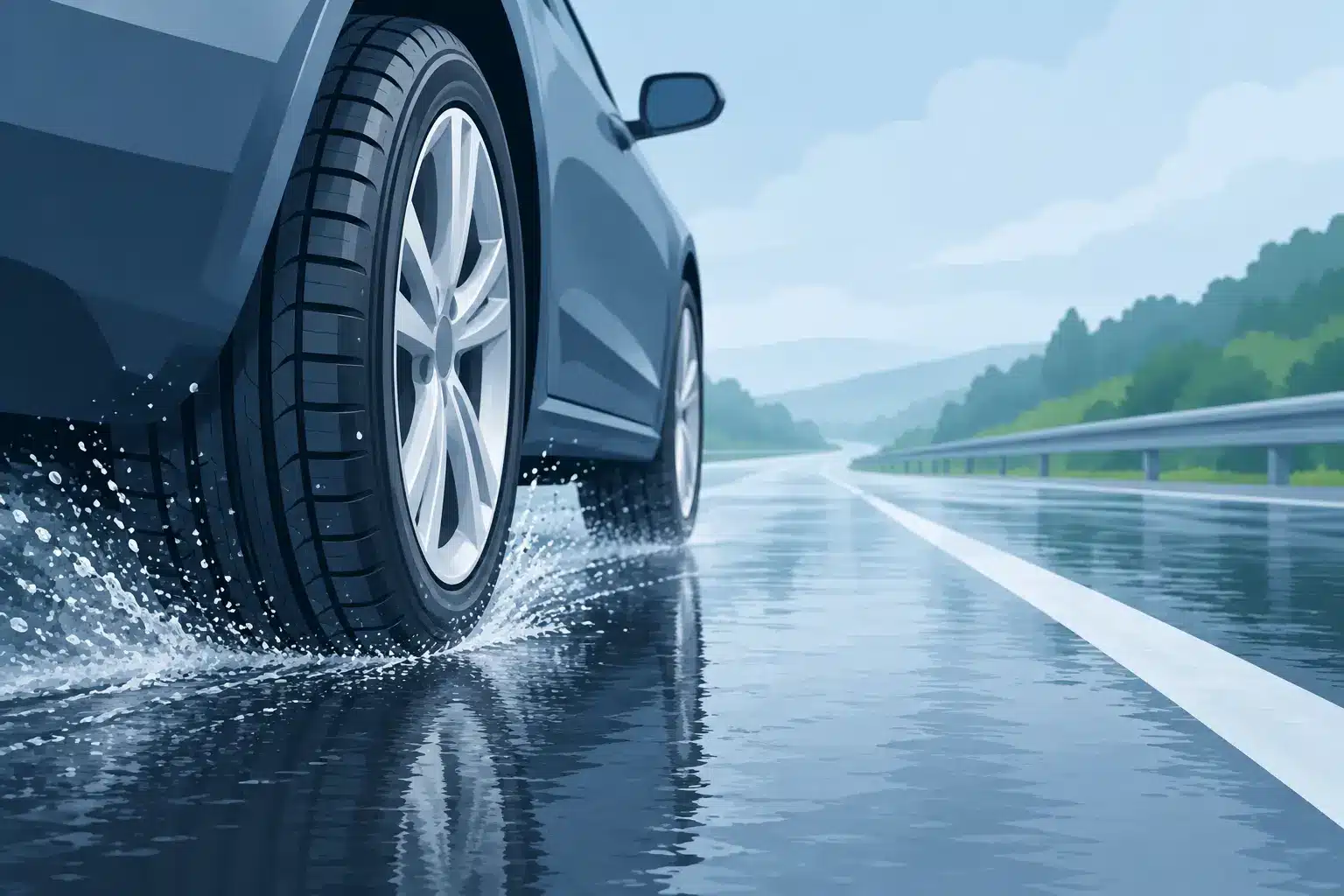
A puncture may bring attention to wear that has been building for months. If the tread is close to the wear indicators, investing in a repair usually makes little financial sense. The tire may be legal or usable for a short time, but wet-weather grip and braking performance decline as tread channels become shallow.
Uneven wear deserves the same attention. Excessive wear on one edge can point to wheel alignment issues, while cupping or scalloped wear can indicate worn suspension components, poor balancing, or incorrect tire pressure. Replacing the tire without correcting the cause can ruin the new one early.
For this reason, tire replacement is often a good time to check alignment and balance. A wheel alignment helps keep the vehicle tracking straight and protects the new tread. Wheel balancing reduces vibration and helps tires wear more evenly at highway speeds. For drivers who depend on a truck, trailer, or family vehicle every day, these checks can reduce downtime and stretch the value of a new set.
Tire age also matters. Rubber hardens and deteriorates over time, especially on vehicles that sit for long periods, trailers, spare tires, and weekend 4WDs. Fine cracking around the sidewall or tread, a hard feel, and recurring pressure loss are all reasons to have the tire inspected rather than assuming a puncture repair is enough.
The Cost Decision Is Not Just Repair Price Versus Tire Price
A repair generally costs less than a replacement, but the better value depends on what happens next. A safe repair on a tire with strong tread can save money immediately and keep a matched set together. Replacing a tire that is already worn, damaged, or mismatched can prevent another workshop visit, a roadside failure, and avoidable wear on other vehicle components.
If only one tire needs replacing, the technician should consider the condition of the matching tire on the same axle. For many vehicles, fitting two matching tires on the same axle delivers more predictable braking and grip. If a tire has been discontinued or the remaining tires are heavily worn, a pair or complete set may be the practical choice.
This is especially relevant for 4WD and all-wheel-drive vehicles. Matching tire size, tread pattern, and rolling circumference helps protect handling and driveline components. A tire professional can measure the remaining tread and advise whether a single replacement will work or whether matching tires are the safer investment.
What to Do After You Notice a Puncture
If the vehicle is holding pressure, avoid pulling the object out before inspection. A screw or nail may be slowing the leak, and removing it can leave you with a flat tire where you are parked. Check the tire pressure, use the spare if the tire is low or unsafe to drive on, and arrange an inspection as soon as practical.
Do not rely on aerosol sealant as a permanent repair. It can be useful in a genuine emergency, but it may make later inspection and repair more difficult. It also does not fix sidewall damage, internal damage, or a bent wheel.
For Kingswood and Penrith drivers, Ryan Automotive and Tyres can inspect the tire, check the wheel and valve, and handle the repair or replacement under one roof. That means less running around when a puncture turns into an alignment, balancing, or tire-fitting job.
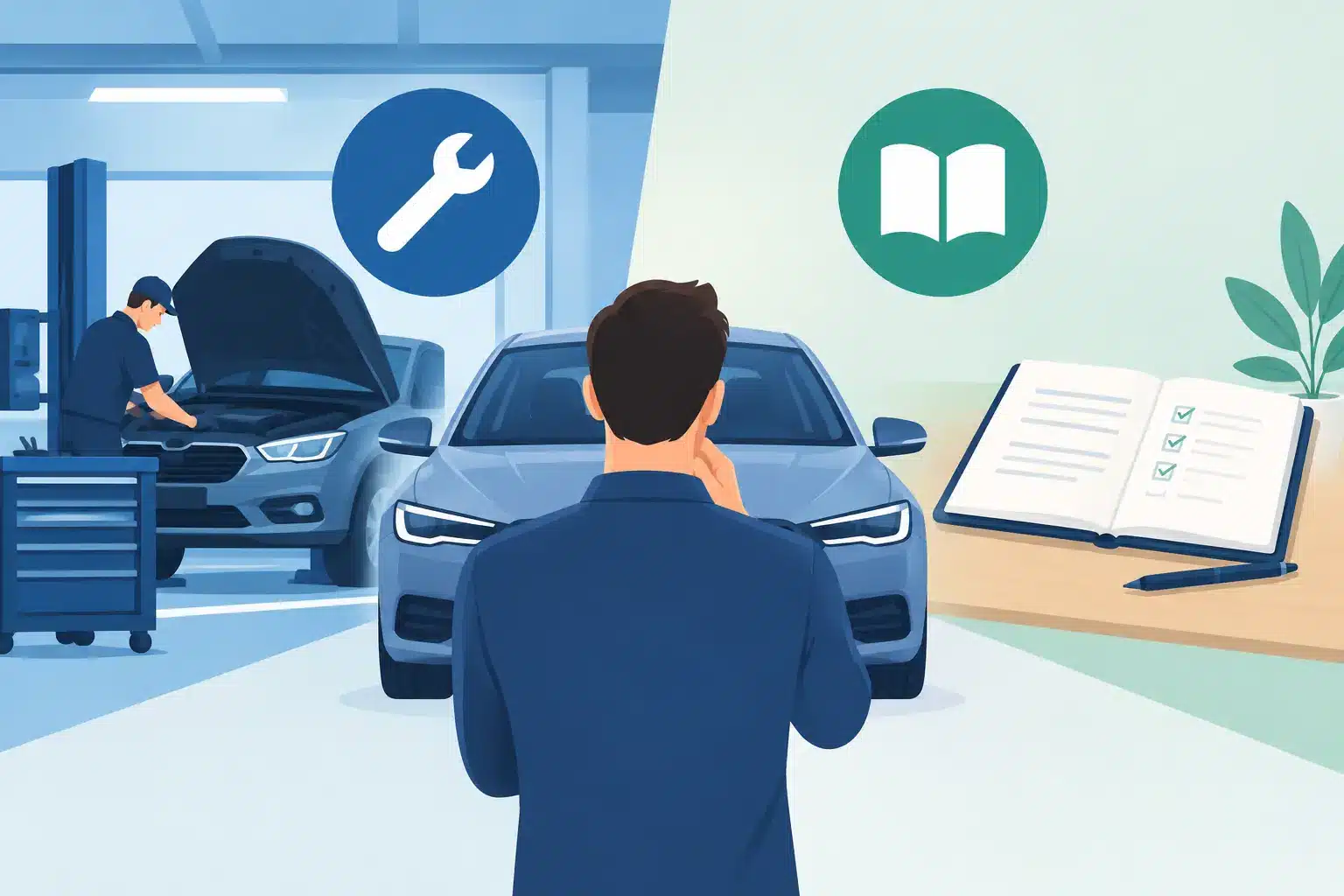
The sensible choice is the one based on a proper inspection, not a guess from the outside. Repair a sound tire when the damage is minor and safely repairable. Replace it when the structure, tread, or sidewall says it has reached the end of the road. That decision protects your budget, but more importantly, it protects every trip that comes after it.