Wet Road Tyres That Help You Stop Safely
The moment rain starts pooling in the wheel tracks, your tires become the only thing separating a normal drive from a long, nervous slide. Good wet road tyres are not just about feeling confident in a downpour. They affect how quickly your vehicle stops, how accurately it turns, and whether water is cleared from beneath the tread before it causes hydroplaning.
For commuters, family vehicles, work utes, trailers, and 4WDs, wet-weather grip deserves more attention than a quick glance at whether the tires still look usable. A tire can have enough tread to pass a basic inspection and still be a poor performer on wet roads if the rubber has hardened, the grooves are worn unevenly, or the pressure is wrong.
Why wet road tyres work differently
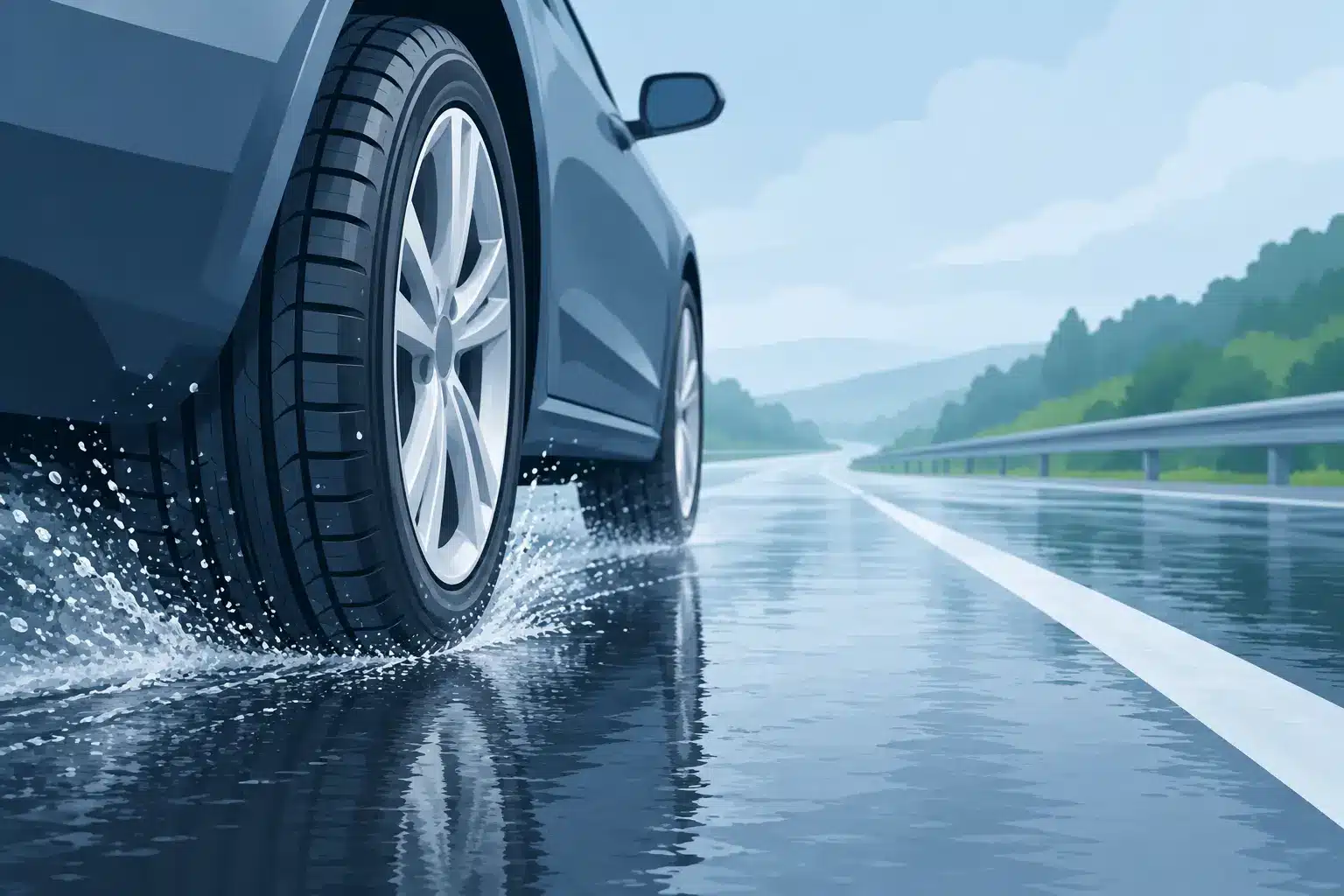
On dry pavement, a tire grips through direct contact between the rubber and the road surface. In the wet, it first has to move water out of the way. The grooves, channels, and small cuts across the tread – called sipes – create paths for that water to escape. The better the tire can evacuate water, the more contact it maintains with the road.
That is why tread depth matters so much in rain. As the tread becomes shallow, the channels cannot carry as much water. Braking distances increase, steering can feel vague, and the vehicle is more likely to lose grip through deeper puddles or standing water.
Hydroplaning happens when water builds up faster than the tread can clear it. Instead of rolling on the road, the tire briefly rides on a layer of water. Steering may suddenly go light, and braking or sharp corrections can make the situation worse. Speed, water depth, tire pressure, and tread condition all play a part, but worn tires raise the risk considerably.
Tread depth is only the starting point
Many drivers wait until their tires are legally worn before thinking about replacement. That approach may save money in the short term, but it leaves little margin when rain, traffic, and an emergency stop arrive at the same time.
A new tire has deep channels designed to clear water efficiently. As those channels wear down, wet grip drops away well before the tire looks completely bald. This is especially noticeable on smooth highways, painted road markings, roundabouts, and roads with polished surfaces from heavy traffic.
Check the wear indicator bars molded into the main tread grooves. When the tread wears down close to those bars, replacement should be planned right away. It is also worth looking for uneven wear. A tire that is worn on one edge, cupped across the tread, or bald in the center will not behave consistently in the wet, even if part of the tread still looks healthy.
Uneven wear often points to a problem beyond the tires. Wheel alignment, worn suspension parts, incorrect inflation, or a wheel balance issue can all shorten tire life and reduce wet-weather stability. Replacing tires without addressing the cause can mean the same problem returns early.
Tire age changes wet grip too
Tread is easy to see. Rubber condition is less obvious. Over time, tire rubber can harden and lose flexibility, particularly when a vehicle is parked outside for long periods or used infrequently. Hard rubber may still have visible tread, yet offer less grip on a wet road.
Look for cracking in the sidewalls or between tread blocks, and pay attention to changes in the way the vehicle drives. If a car feels less settled in rain than it used to, it is worth having the tires checked rather than assuming the weather is the only reason.
Choose tires for the way you actually drive
There is no single best tire for every vehicle. The right choice depends on your vehicle, the load it carries, local road conditions, how many miles you drive, and whether you prioritize quiet comfort, long wear, off-road traction, or wet handling.
For a daily commuter or family SUV, a quality touring tire with strong wet braking performance is usually a sensible fit. These tires are designed for regular road use, predictable handling, and a comfortable ride. If you spend plenty of time on freeways in rain, paying attention to wet-grip ratings and tread design is worthwhile.
Tradies and light-truck drivers need to consider load capacity as well as traction. A tire that feels fine in an empty vehicle can respond differently when tools, stock, or towing weight are added. Choosing the correct load-rated tire and maintaining its pressure helps it remain stable when braking and cornering on wet surfaces.
For 4WD owners, aggressive all-terrain and mud-terrain patterns bring a trade-off. Their larger tread blocks can work well in loose dirt, mud, and off-road conditions, but some patterns can be noisier and less composed on wet sealed roads than a road-focused tire. The answer is not that one type is always safer. It is choosing a reputable tire pattern that matches where the vehicle spends most of its time.
Trailer tires need equal attention. A trailer with old, underinflated, or mismatched tires can become unstable quickly in rain, particularly when loaded. Check the tires before longer trips, including the spare, and make sure their load and speed ratings suit the job.
Pressure, alignment, and rotation protect wet traction
Even excellent tires cannot do their job properly at the wrong pressure. Underinflation lets the tire flex too much, creates heat, and can make its response less precise. It may also wear the shoulders of the tread faster. Overinflation reduces the contact patch and can wear the center of the tread, leaving less rubber working against the road.
Check pressure when the tires are cold, using the vehicle manufacturer’s recommended pressure rather than the maximum figure printed on the tire sidewall. If the vehicle is regularly loaded, towing, or carrying work equipment, check the placard or owner’s manual for the correct loaded pressures.
Alignment matters just as much. If the steering wheel sits off-center, the vehicle pulls to one side, or the tires are wearing unevenly, have the alignment inspected. A correct alignment helps every tread block meet the road as intended, which supports more even wear and predictable grip in wet conditions.
Regular tire rotation can also extend the useful life of a set. Front and rear tires often wear at different rates, especially on front-wheel-drive vehicles. Rotating them at suitable service intervals helps keep tread depths more balanced across the vehicle. That balance matters because fitting two new tires only on one end can change how the vehicle reacts when grip is low.
Where should two new tires go?
When only two tires are being replaced, many tire professionals recommend fitting the newer pair to the rear axle, even on front-wheel-drive cars. The reason is stability. Better rear grip can reduce the chance of the rear of the vehicle losing traction first in wet corners or during sudden braking.
There are exceptions based on vehicle design, tire sizes, drivetrain requirements, and manufacturer guidance. All-wheel-drive vehicles can be particularly sensitive to differences in tire circumference, so ask before mixing tread depths or brands. A workshop can check what is appropriate for your vehicle instead of applying a one-size-fits-all rule.
Safer driving still matters
Wet road tires give you a better safety margin, not permission to drive as if the road is dry. Slow down before standing water, leave extra room behind other vehicles, and make steering, braking, and throttle inputs smooth. Cruise control is best avoided in heavy rain because you need immediate control if traction changes.
If hydroplaning starts, stay calm. Ease off the accelerator, keep the steering straight where possible, and avoid slamming on the brakes. Let the vehicle slow until the tires regain contact with the road. Sudden steering inputs are more likely to turn a brief loss of grip into a loss of control.
At Ryan Automotive and Tyres, a tire check can also identify the less obvious issues that affect rain driving, including uneven wear, pressure problems, wheel alignment, and suspension concerns. A few minutes spent checking your tires before the next wet spell is far easier than finding their limits during an emergency stop.