Steel Wheels: A Practical Choice for Work and Road
A bent wheel after a pothole, a cracked rim on a work ute, or a trailer that needs dependable load support is not the time for flashy upgrades. Steel wheels are often the sensible answer: tough, affordable, easy to replace, and well suited to vehicles that earn their keep every day.
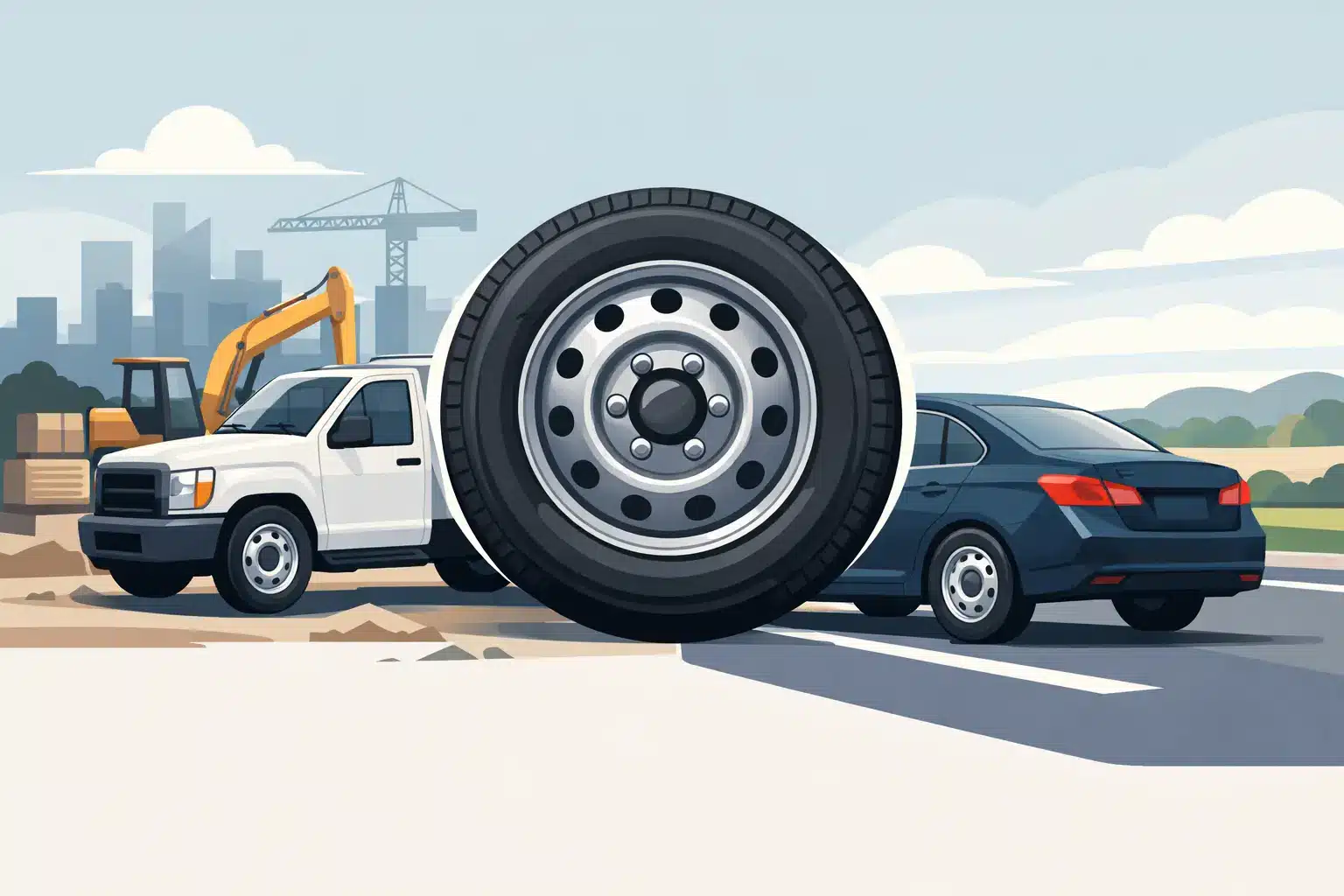
For commuters, family vehicles, tradie utes, trailers, light trucks, and 4WDs, the right wheel is about more than appearance. It affects tire fitment, braking clearance, steering feel, load carrying, and how reliably the vehicle handles rough roads. Steel may not have the visual impact of an alloy wheel, but it has a long-standing place in practical motoring for good reason.
Why steel wheels still make sense
Steel wheels are made from pressed and welded steel rather than cast or forged aluminum alloy. Their main advantage is straightforward durability. When a steel wheel takes a hard hit, it is more likely to bend than crack. In many cases, a minor bend can be assessed and repaired, while a badly damaged wheel can be replaced without the price tag often attached to alloy options.
That makes steel wheels a smart choice for vehicles exposed to rough job sites, gravel roads, potholes, curbs, and regular trailer work. They are also popular as a second set of wheels for drivers who switch between highway tires and all-terrain, mud-terrain, or winter-focused tire setups.
Cost matters too. A practical wheel-and-tire package can keep a work vehicle on the road without blowing out the maintenance budget. If a wheel is damaged, replacing a common steel rim is usually simpler and more affordable than sourcing an exact alloy design.
There are trade-offs. Steel wheels are generally heavier than comparable alloy wheels, which can slightly affect fuel economy, acceleration, and ride response. They can also rust if their coating is chipped and the damage is left untreated. For many work and utility applications, however, those compromises are small compared with the value of strength and lower replacement costs.
Steel wheels for work vehicles, trailers, and 4WDs
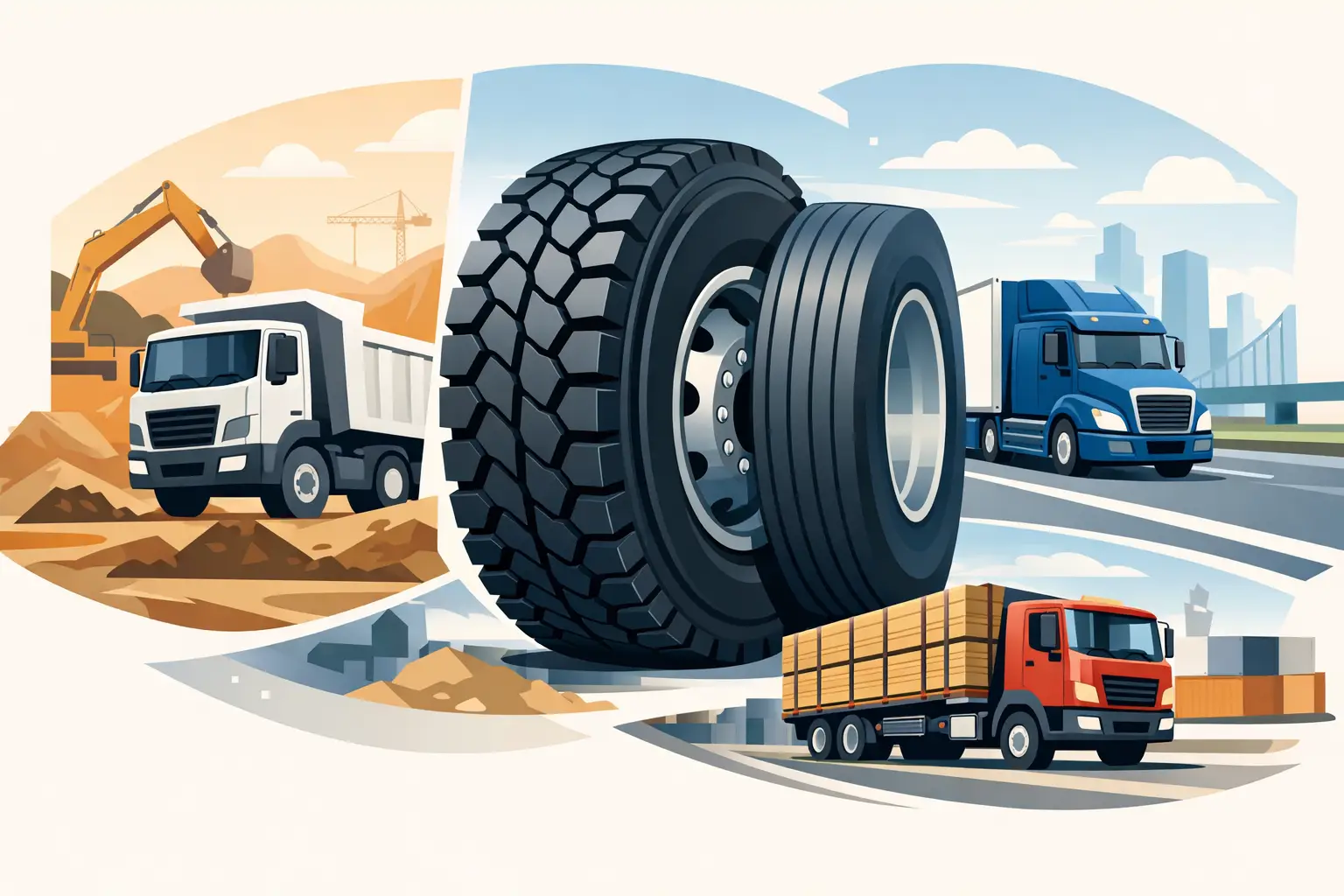
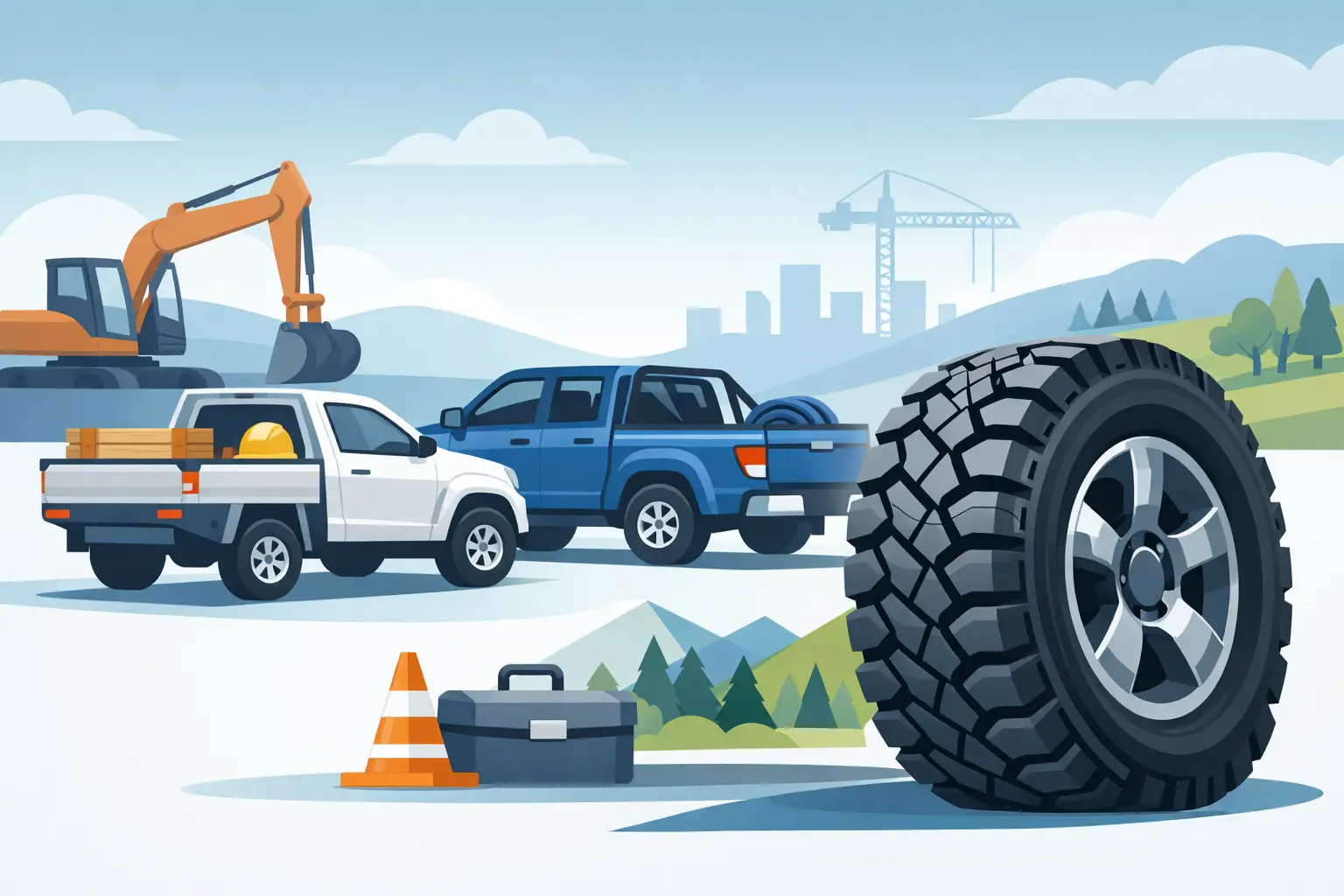
The best wheel depends on what the vehicle does day to day. A city commuter may benefit from a basic, factory-style steel wheel as a dependable spare or economical replacement. A tradie ute may need a heavier-duty option with the right load rating for tools, materials, and frequent site access. A trailer wheel must be matched carefully to the trailer’s axle capacity, tire load rating, and intended use.
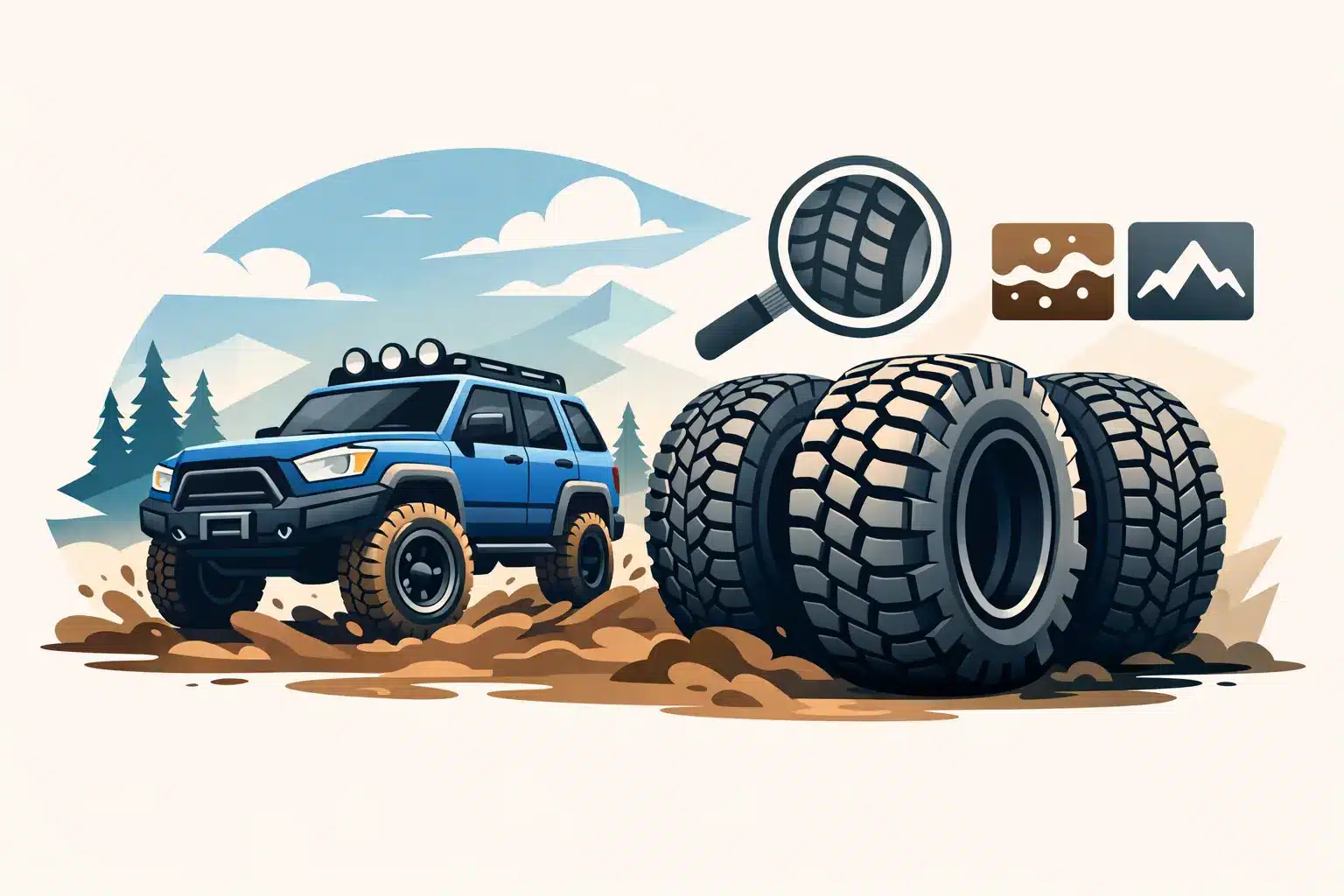
For 4WD owners, steel wheels are popular because they can take punishment off-road and are less expensive to replace after a tough track. Their simple design can also make them a practical choice for a dedicated off-road tire set. However, fitment is never one-size-fits-all. Larger brakes, suspension changes, wider tires, and altered ride height can all affect which wheel will safely fit.
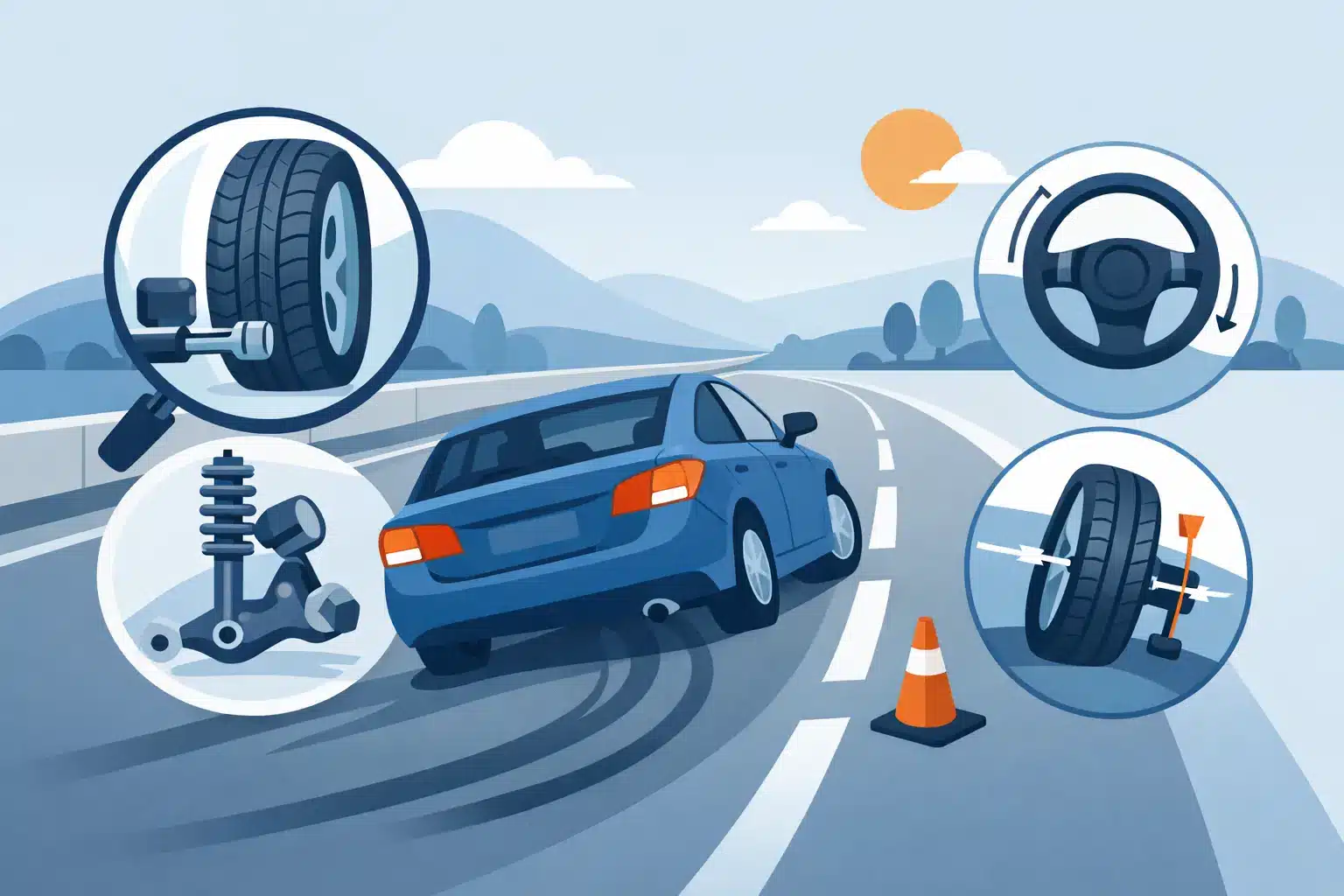
A wheel that looks right is not automatically right for the vehicle. Incorrect specifications can cause tire rubbing, poor steering behavior, vibration, damage to suspension parts, or clearance problems around the brakes. That is why a proper fitment check matters before buying a set.
Load rating is not optional
Every wheel has a load rating, and it needs to meet or exceed the load placed on each corner of the vehicle. This is especially important for vans, utes, light trucks, campers, and trailers. The tire’s load index also needs to support the job.
For example, fitting aggressive all-terrain tires to a work vehicle does not help if the wheels are not rated for the vehicle’s loaded weight. Likewise, a trailer carrying machinery, building materials, or camping equipment needs wheels and tires selected as a complete system. Choosing on price alone can create a safety issue and lead to premature wear.
Getting the fitment right
Wheel fitment comes down to several measurements that must work together. The wheel diameter and width determine which tire sizes can be safely fitted. The bolt pattern must match the vehicle hub exactly. Offset controls where the wheel sits in relation to the hub, suspension, and fender. Center bore, brake clearance, and stud or nut compatibility also need to be checked.
A small change in offset can have a noticeable result. Move the wheel too far outward and the tire may contact the fender during turns or suspension movement. Move it too far inward and it may touch suspension components or brake hardware. Wider is not always better, particularly when the vehicle is loaded or driven over uneven ground.
This is where professional advice can save time and money. At Ryan Automotive and Tyres, wheel selection can be checked alongside tire sizing, wheel balancing, and alignment requirements, rather than treating the rim as a separate purchase. That one-stop approach is useful when replacing damaged wheels, building a work-ready package, or changing a 4WD setup.
Do not overlook brakes and tire pressure sensors
Modern vehicles may have larger brake calipers than older models, even when the factory wheel diameter appears similar. A steel wheel needs adequate internal clearance to avoid contact with calipers or other brake components. Never assume a wheel fits based on diameter alone.
Some vehicles also use tire pressure monitoring sensors. Depending on the vehicle and wheel setup, sensors may need to be transferred, replaced, or programmed correctly. If the warning light remains on after a wheel change, it should be inspected rather than ignored.
When steel is better than alloy
Alloy wheels are often lighter and offer more styling choices. They can be an excellent option for drivers focused on appearance, handling response, or a particular custom look. But steel is frequently the better value where durability, uptime, and easy replacement matter most.
Steel wheels are worth serious consideration when the vehicle regularly carries loads, works on unsealed roads, tows a trailer, or needs a second tire setup. They also make sense for fleets and business vehicles where keeping costs predictable matters more than creating a show-car finish.
For a family car that spends its time on paved roads, the decision may come down to budget and preference. Steel wheels with quality hubcaps can still look neat and perform reliably. For a 4WD that sees tracks on weekends and job sites during the week, black steel wheels can offer a clean, hard-working look without the stress of damaging expensive alloys.
Care that keeps wheels serviceable
Steel wheels do not need complicated maintenance, but they should not be ignored. Wash off mud, road grime, and brake dust regularly, particularly after beach driving, wet conditions, or exposure to road salt. Inspect the paint or protective coating for chips and touch up damaged areas before rust spreads.
It is also worth checking the wheels whenever tires are rotated or replaced. Look for dents, cracks around the stud holes, corrosion, damaged valve stems, and signs that a tire is not sealing correctly. A steering wheel shake at highway speed may point to a balance issue, a bent wheel, uneven tire wear, or a combination of problems.
After fitting new wheels, have the lug nuts tightened to the vehicle manufacturer’s specified torque. Recheck them after the recommended bedding-in period, particularly on work vehicles and trailers. Avoid overtightening with an impact gun, as it can damage studs, nuts, and wheel seating surfaces.
Choose for the job, not just the look
A good wheel choice starts with an honest view of how the vehicle is used. Consider the loads you carry, the roads you drive, whether you tow, the tire type you need, and how much replacement cost matters if damage occurs. Then match those needs to correct fitment and a suitable load rating.
Steel wheels are not the lightest or flashiest option, and they are not automatically the right answer for every vehicle. Yet for dependable daily transport, hard-working utes, trailers, and off-road setups, they remain one of the most practical choices available. A properly matched wheel-and-tire setup helps keep the vehicle safe, stable, and ready for the next shift, school run, or weekend away.