Gearbox Repair Cost: What Drivers Pay
A gearbox problem rarely starts with a dramatic failure. More often, it begins with a delayed shift at a traffic light, a grinding sound backing out of the driveway, or a shudder that was not there last week. That is why gearbox repair cost can vary so much. Some jobs are caught early and fixed with targeted repairs. Others turn into major rebuilds because the issue was ignored until the vehicle could barely move.
If you are trying to budget for a gearbox issue, the honest answer is that price depends on what failed, how much internal damage has already happened, and whether your vehicle needs a repair, a rebuild, or full replacement. There is no one-price-fits-all number, but there are clear reasons one gearbox job stays manageable while another becomes expensive.
What affects gearbox repair cost?
The biggest factor is the type of fault. A leaking seal, worn mount, damaged sensor, or clutch-related issue can be far cheaper than internal gear or bearing damage. If the transmission is slipping, making loud noises, refusing to shift, or dropping metal into the fluid, the repair usually moves into a more serious category.
Vehicle type matters too. A small commuter car is generally cheaper to work on than a heavy ute, SUV, performance vehicle, or commercial work vehicle. Parts pricing changes from one model to the next, and labor time can jump if the gearbox is difficult to remove or if the repair involves related systems.
Manual and automatic gearboxes also bring different repair paths. Manual transmissions may need clutch components, synchros, bearings, or gear sets. Automatics can involve valve bodies, solenoids, torque converters, internal clutch packs, and electronic controls. Modern vehicles add another layer with computer diagnostics, programming, and manufacturer-specific parts.
Then there is the question of damage spread. A small problem caught early may involve one failed component. Leave it too long, and heat, friction, and fluid contamination can damage multiple parts at once. That is often what pushes gearbox repair cost from inconvenient to painful.
Typical gearbox repairs and how pricing changes
A minor gearbox job is usually tied to an external issue or an early-stage fault. That might mean replacing seals, fixing a leak, changing worn mounts, or addressing a sensor problem that affects shifting. These are still repair jobs, but they are generally lighter on parts and labor than internal transmission work.
Mid-range repairs usually involve removing the gearbox for further inspection or replacing a more involved component. On manual vehicles, that could include clutch-related work that overlaps with transmission removal. On automatics, it may involve solenoids, valve body issues, or torque converter concerns. These jobs cost more because labor rises quickly once access becomes more complex.
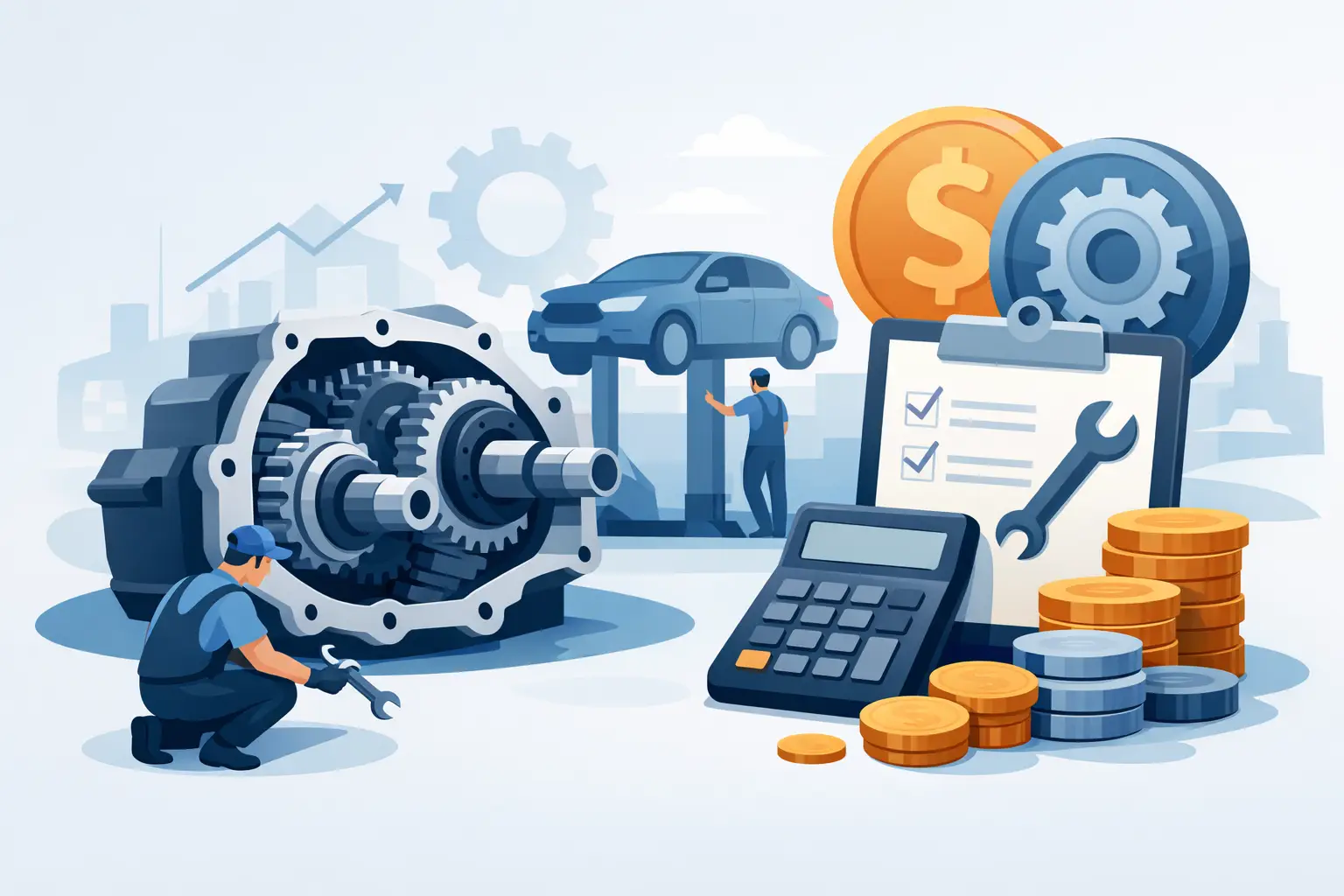
Major repairs are where customers usually feel the biggest shock. If the gearbox needs a rebuild, the unit is removed, stripped down, cleaned, inspected, and fitted with replacement parts based on wear and damage. If the casing is damaged or the internal failure is severe, replacement may make more financial sense than rebuilding.
That is why two drivers can both say they need gearbox work and get very different quotes. One vehicle may need a targeted fix. The other may need a complete internal overhaul.
Repair, rebuild, or replace?
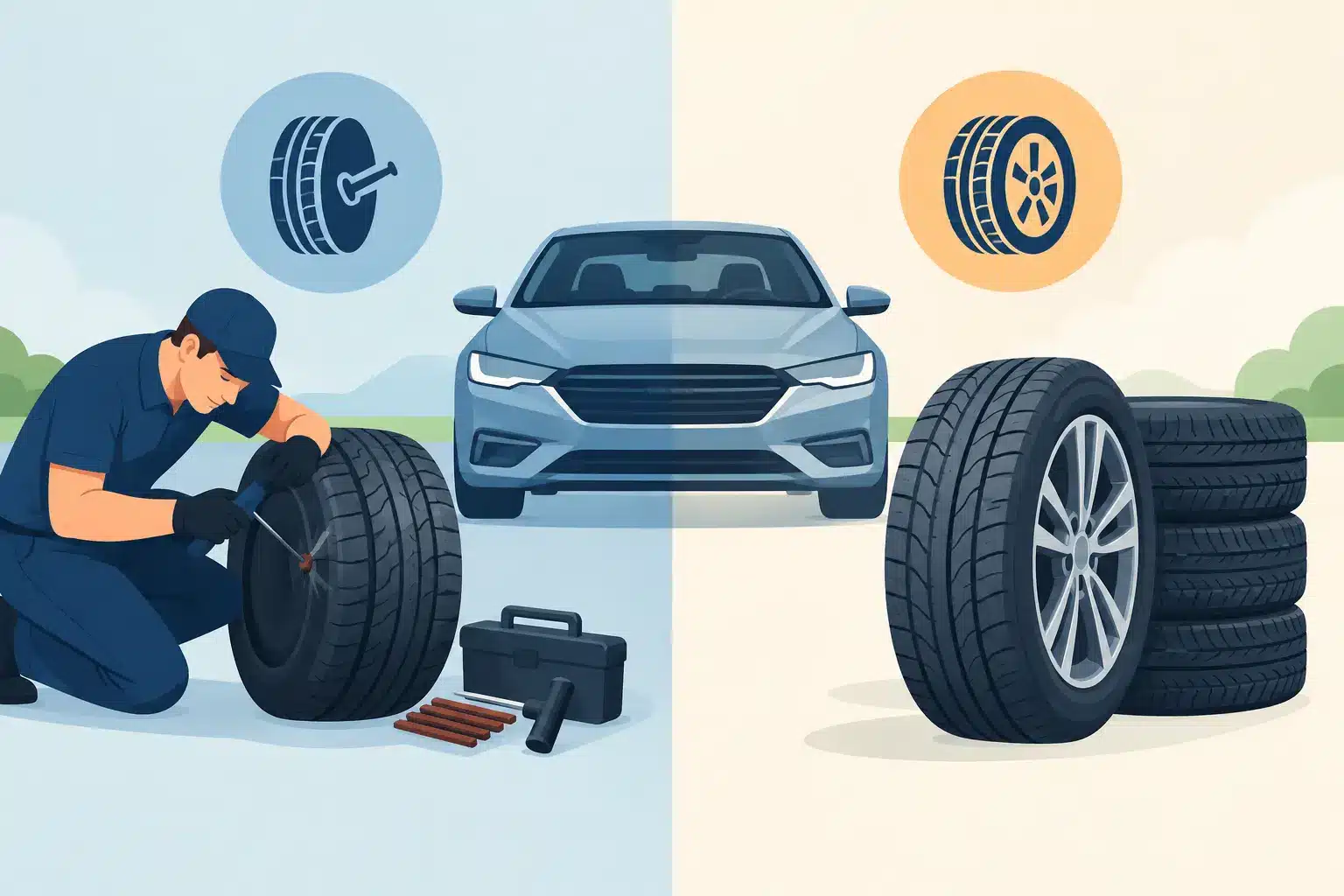
This is usually the most important pricing decision. Repair means fixing the specific fault without fully rebuilding the transmission. Rebuild means disassembling the gearbox and replacing worn or failed internal parts while reconditioning the unit. Replacement means fitting another gearbox, whether new, remanufactured, or used.
Repair is usually the cheapest option when the problem is limited and diagnosed early. Rebuild can be a smart middle ground when the gearbox has enough value to justify the work and the rest of the unit is worth saving. Replacement can be more practical when internal damage is extensive, when parts availability is poor, or when labor on a rebuild would exceed the value of the result.
There is always a trade-off. The cheapest quote is not automatically the best value if it only addresses part of the problem. On the other hand, a full replacement is not always necessary if the fault is isolated and the gearbox is otherwise sound.
Why labor makes such a big difference
A lot of people focus on parts, but labor is often where gearbox jobs get expensive. Accessing the transmission can be a large task on many vehicles. The workshop may need to remove driveshafts, crossmembers, exhaust sections, subframes, or other surrounding parts before the gearbox can even come out.
After that, diagnosis still matters. A good workshop does not guess. It checks fault codes where relevant, road-tests the vehicle when safe, inspects fluid condition, confirms symptoms, and works out whether the problem is truly inside the gearbox or coming from somewhere else. That matters because a driveline issue, clutch problem, or electronic fault can sometimes mimic a failed transmission.
Paying for proper diagnosis often saves money compared with replacing parts based on assumption. It also gives you a clearer picture of whether the repair is worth doing.
Hidden costs drivers should know about
Gearbox work can uncover related wear. Once the transmission is out, the shop may find a worn clutch, damaged flywheel, tired mounts, cooler line problems, or contaminated fluid that has affected other components. These are not made-up extras. They are the sort of issues that only become visible during teardown.
That does not mean every gearbox quote will grow. It means you should expect some jobs to change once the unit is inspected properly. A dependable workshop will explain what is essential, what is recommended, and what can wait.
Towing can also add to the total cost if the vehicle is no longer drivable. For tradies and families, downtime matters just as much as the invoice. If your car or work vehicle is off the road for days, there is the added cost of missed jobs, alternate transport, or general disruption.
How to keep gearbox repair cost from getting worse
The cheapest gearbox repair is usually the one handled early. Strange shifting, delayed engagement, burning smells, fluid leaks, warning lights, and unusual noises should never be brushed off as something that will sort itself out.
Regular servicing helps too, especially for vehicles that tow, carry loads, spend time in traffic, or work hard in stop-start conditions. Transmission fluid condition matters. Heat and contamination shorten gearbox life, and many failures start with fluid issues that were left too long.
Driving style also plays a part. Aggressive shifting, repeated heavy towing without the right setup, and continuing to drive after symptoms appear can all increase damage. For 4WDs, trailers, and work vehicles, that risk is even higher because the gearbox is already under more load than a standard city commuter.
When a cheap quote is not really cheap
It is tempting to shop on price alone, especially when the repair is urgent. But gearbox work is not a good place for vague estimates or patch jobs that avoid the real fault. If a quote seems unusually low, ask what is actually included. Does it cover diagnosis, removal and refit, fluid, replacement parts, testing, and warranty terms? Or is it just the starting number before the real costs begin?
A good quote should be clear about what the workshop knows now and what may only be confirmed after inspection. That is not a red flag. It is how honest gearbox work is priced.
For local drivers who need a one-stop shop, this matters because gearbox problems often overlap with clutch issues, driveline wear, battery and charging concerns, or tire and suspension problems that show up during the same visit. Having everything checked in one place can save time and reduce the back-and-forth of dealing with multiple providers.
Is it worth fixing an older vehicle?
Sometimes yes, sometimes no. If the car is otherwise reliable, suits your needs, and has plenty of life left in it, repairing the gearbox may be the better financial move than taking on the cost of another vehicle. If the car already has major engine, suspension, electrical, or body issues, a big transmission job may not stack up.
This is where practical advice matters more than sales talk. The right decision depends on the vehicle’s overall condition, mileage, market value, and how long you plan to keep it. A family car that has been well maintained may be worth saving. A tired vehicle with multiple major faults may not be.
If you have noticed slipping, hard shifts, leaks, or gearbox noise, do not wait for total failure before getting it checked. A proper inspection gives you options, and options are what keep repair costs under control. The earlier you act, the better your chance of fixing the problem before it turns into a full transmission bill.