Family SUV Tyre Shortlist: What to Choose
A family SUV can spend the morning on school drop-off duty, the afternoon in stop-start traffic, and the weekend carrying bikes, luggage, or a trailer. That is why a family SUV tyre shortlist should not start with the cheapest tire on the shelf or the most aggressive-looking tread. It should start with how your vehicle actually works for your family.
The right tires affect braking distance, wet-weather control, steering response, ride comfort, fuel use, and how confident the vehicle feels when fully loaded. A good set does not need to be a premium off-road tire if your SUV rarely leaves pavement. Equally, a quiet highway tire may not suit a family regularly traveling on gravel roads or towing a camper.
Start Your Family SUV Tyre Shortlist With Safety
For most family SUV owners, wet grip deserves top priority. A tire that performs well in rain helps the vehicle brake and turn more predictably when roads are slick, especially with children and passengers on board. Look for a tread design that clears water effectively and a compound designed to maintain grip through changing temperatures.
Do not judge a tire only by how deep or chunky the tread looks. Large tread blocks may suit loose surfaces, but they can create more road noise and may not give the quiet, settled road behavior many family drivers want. The best choice depends on where you drive most often.
Load rating is another safety item that should never be overlooked. SUVs are heavier than regular passenger cars, and family vehicles often carry extra weight. Check the tire placard, usually found inside the driver’s door opening, for the approved tire size, load index, and speed rating. Any replacement tire must meet or exceed the vehicle manufacturer’s requirements.
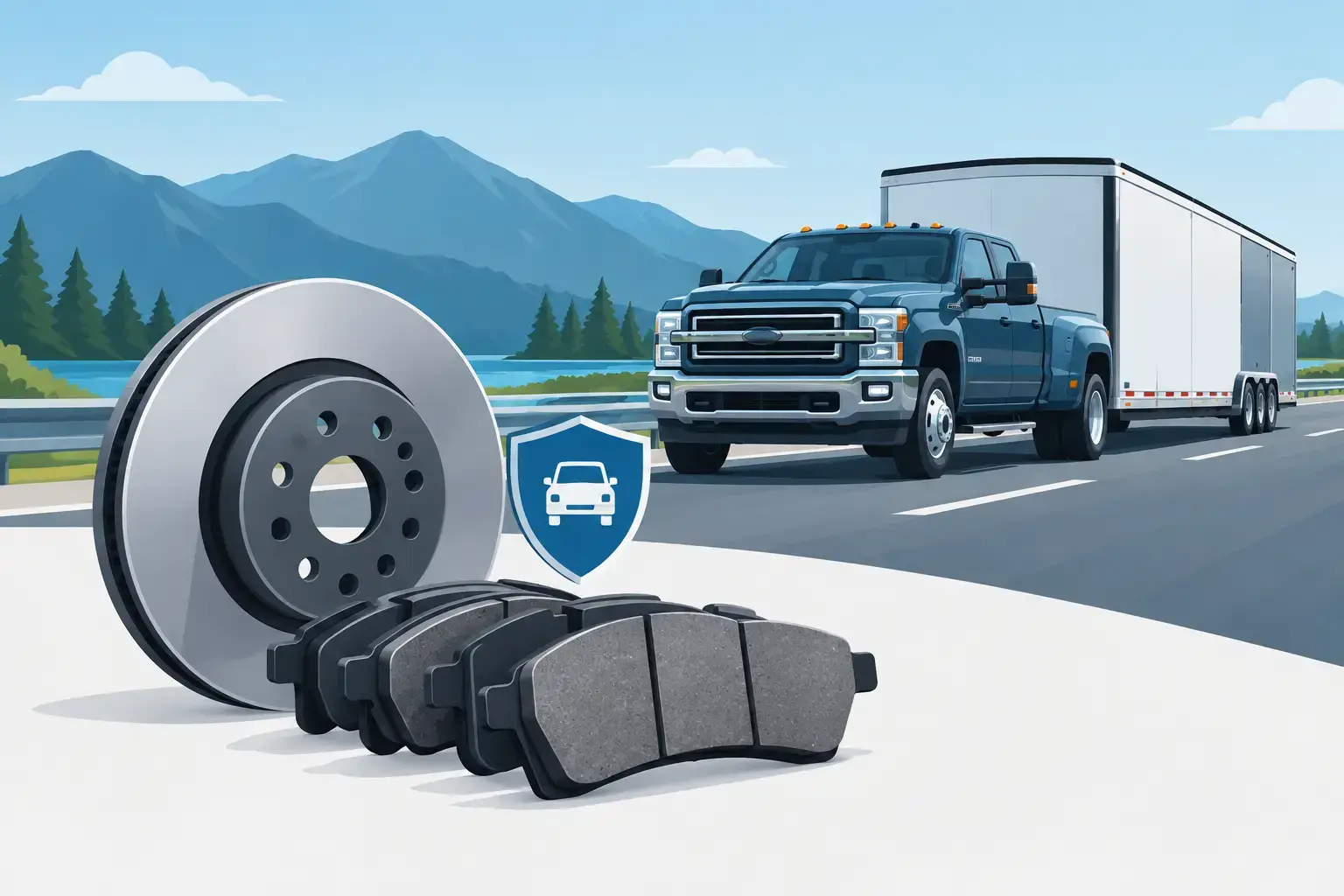
If you tow a trailer, carry tools for work, or regularly pack the SUV for holidays, tell your tire fitter. The correct load-rated tire can make a real difference to stability, heat management, and wear under load.
Match the Tire Type to Your Regular Driving
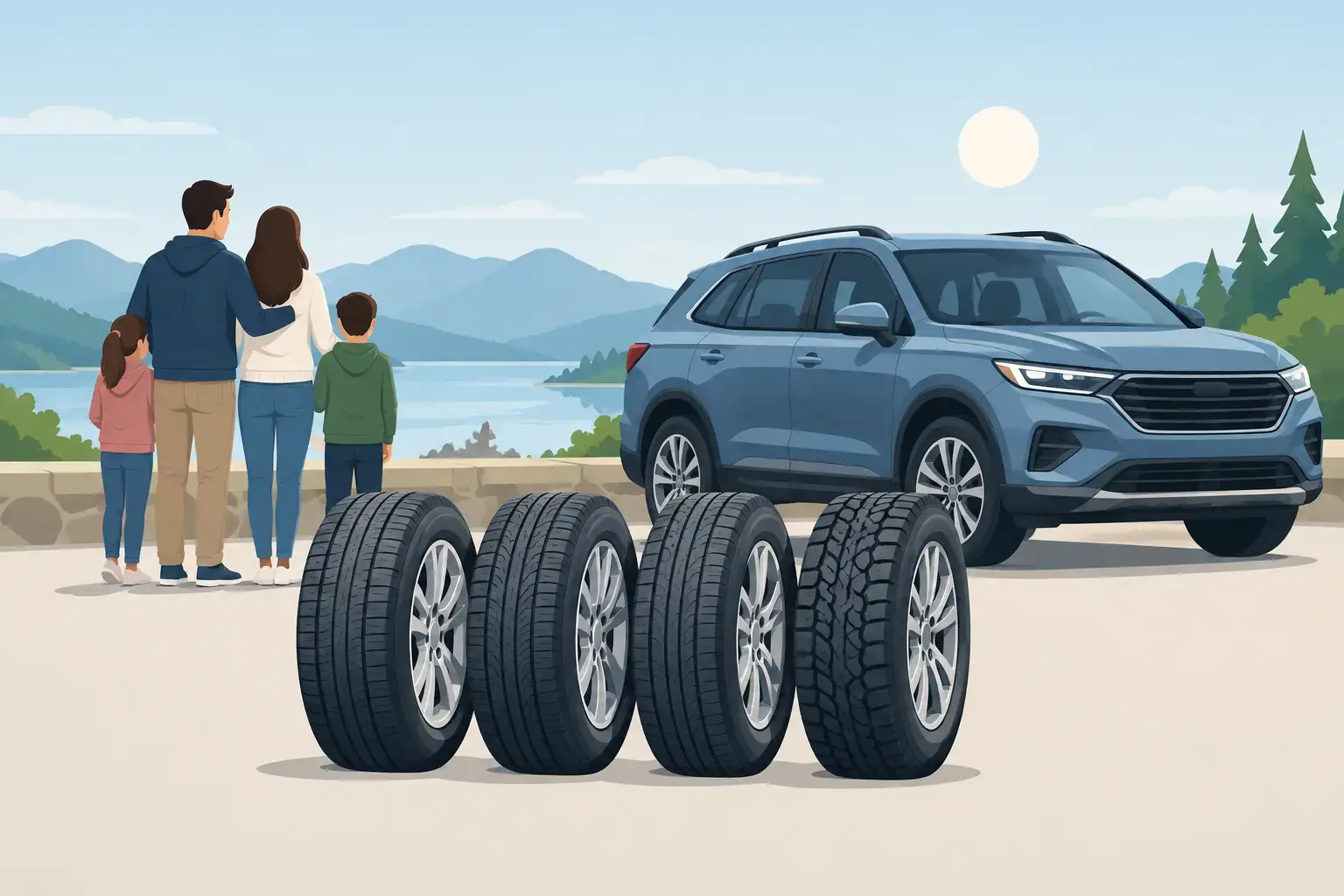
Most family SUVs suit one of three broad tire categories: highway terrain, all-terrain, or a road-focused SUV touring tire. Each has a place, but there are trade-offs.
Highway and touring tires
A highway terrain or touring tire is often the sensible choice for SUVs that spend nearly all their time on paved roads. These tires are generally designed for a quieter ride, confident wet-road performance, predictable handling, and even wear. They suit commuters, school-run vehicles, and families who take long highway trips.
They are also usually the best option for drivers who value comfort. If your SUV already has a firm ride, a road-focused tire can reduce some of the harshness and tire noise that builds up on longer drives.
All-terrain tires
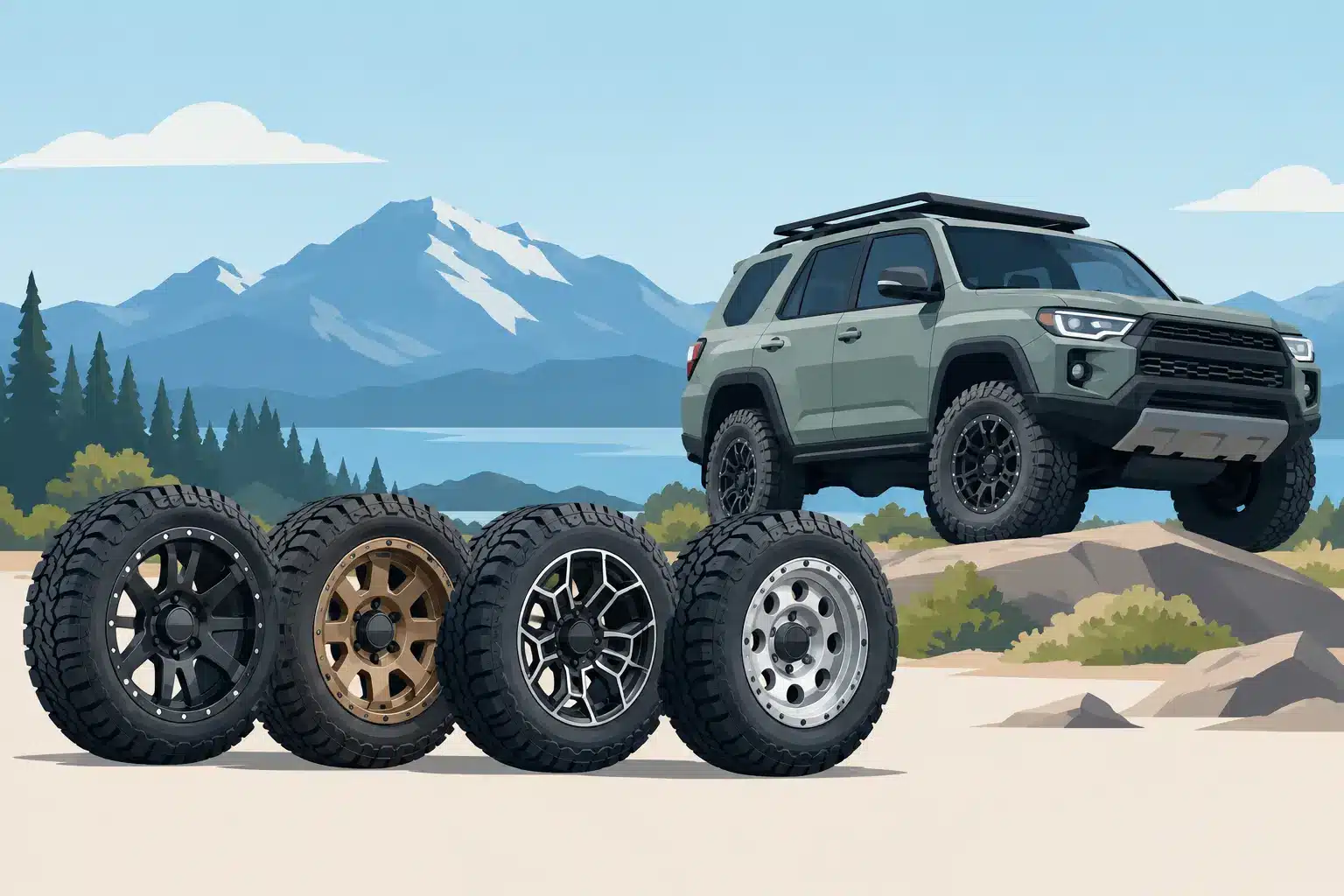
All-terrain tires make sense when your family SUV genuinely sees mixed conditions. Think dirt access roads, campsites, paddocks, gravel tracks, or regular regional travel where road surfaces vary. Their stronger construction and more open tread can offer better traction away from pavement.
The compromise is that all-terrain tires can be noisier, heavier, and less fuel-efficient than a highway tire. Some also feel less sharp during braking and cornering on wet paved roads. There are refined all-terrain options available, but it is worth being honest about how often the SUV leaves the blacktop before choosing them.
Performance-oriented SUV tires
Some SUVs use larger wheels and lower-profile tires for a more responsive road feel. These can offer strong dry handling and confident steering, but they may ride firmer and be more vulnerable to pothole damage. For a family vehicle, the best-looking wheel and tire package is not always the most practical one.
If comfort, tire life, and replacement cost matter, staying close to the original wheel diameter and tire profile is often the smarter move.
What Matters Beyond the Brand Name
Major tire brands offer dependable options across different price points, but the logo on the sidewall should not make the decision for you. Compare the specific tire model, because one brand may make a quiet touring tire, a tougher all-terrain, and a sport-focused SUV tire with very different strengths.
Ask about wet braking, treadwear expectations, road noise, warranty coverage, and availability in your exact size. A tire that sounds ideal but is not available in the correct load rating is not the right tire for your SUV.
Tread life also needs a practical view. A long-wearing tire can offer better value over time, but only if it still delivers the grip and ride quality you need. Softer compounds may provide excellent road holding but can wear faster, particularly on a heavy SUV driven in city traffic. Harder-wearing tires can last longer but may not feel as composed in heavy rain.
The goal is value, not simply the lowest purchase price. Replacing tires early because they wear unevenly, ride poorly, or do not suit your driving is rarely a bargain.
Size, Fitment, and the Cost of Changing Wheels
The tire size on your current vehicle is written in a format such as 235/60R18. This number identifies the tire width, sidewall profile, construction, and wheel diameter. It is tempting to move to wider tires or larger wheels for appearance, but those changes can affect clearance, speedometer accuracy, steering feel, ride comfort, and fuel consumption.
A larger wheel often requires a lower-profile tire to keep the overall rolling diameter close to standard. That leaves less sidewall to absorb rough roads and potholes. For a family SUV, that can mean a firmer ride and a greater chance of wheel or tire damage.
Changing sizes can be done properly, but it requires more than picking a package that looks good. Fitment must account for load capacity, legal requirements, wheel offset, brake clearance, suspension movement, and alignment. A professional inspection before fitting is the safest approach.
Do Not Ignore Alignment and Tire Rotation
A new set of tires will not stay new for long if the wheel alignment is out. Uneven wear on the inner or outer edge, a steering wheel that sits off-center, pulling to one side, or vibration through the wheel are all reasons to have the vehicle checked.
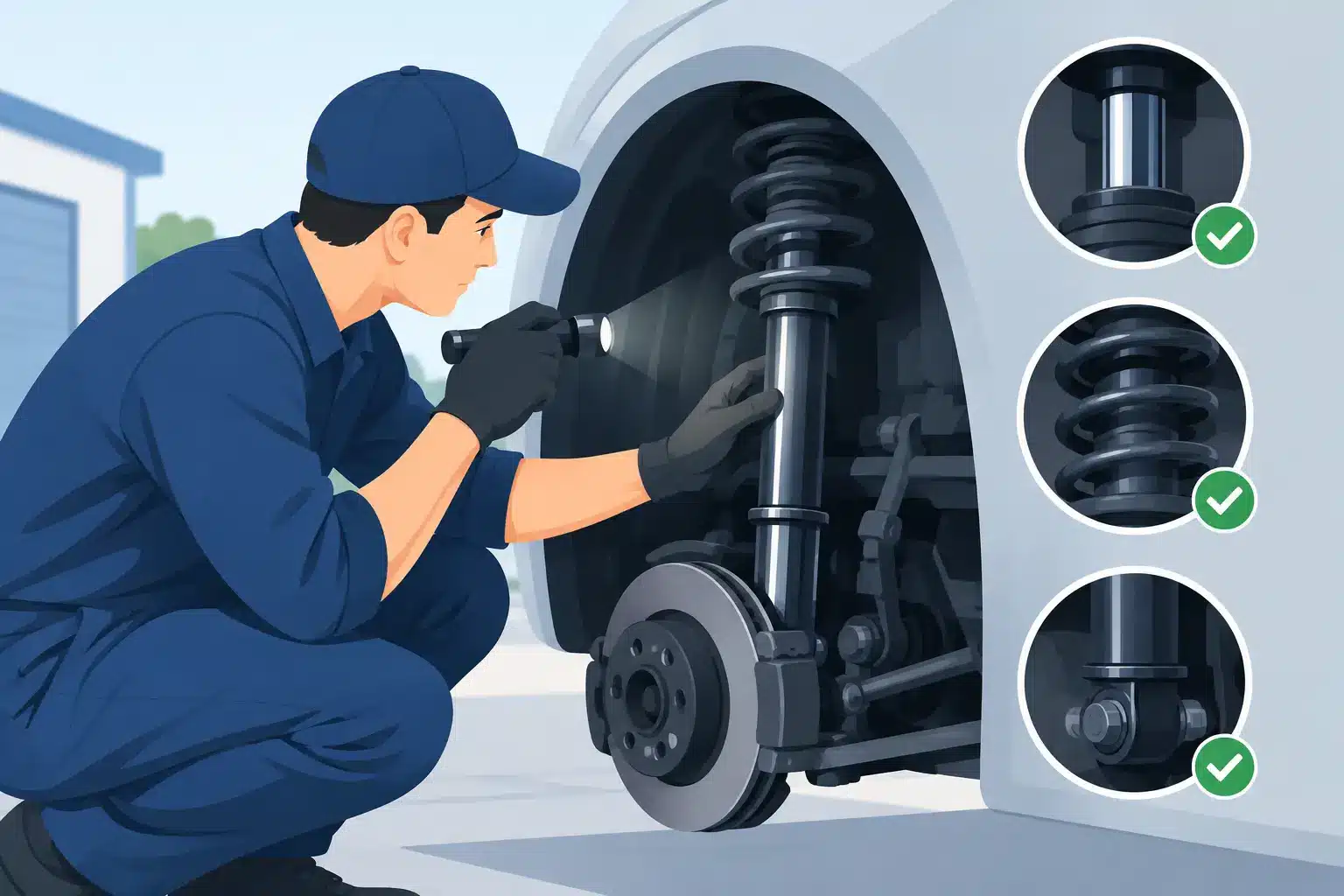
SUVs can lose alignment after potholes, curb strikes, worn suspension components, or regular driving on rough roads. Alignment is not just about preserving tire life. It also helps the vehicle track straight and respond properly when you need to brake or avoid a hazard.
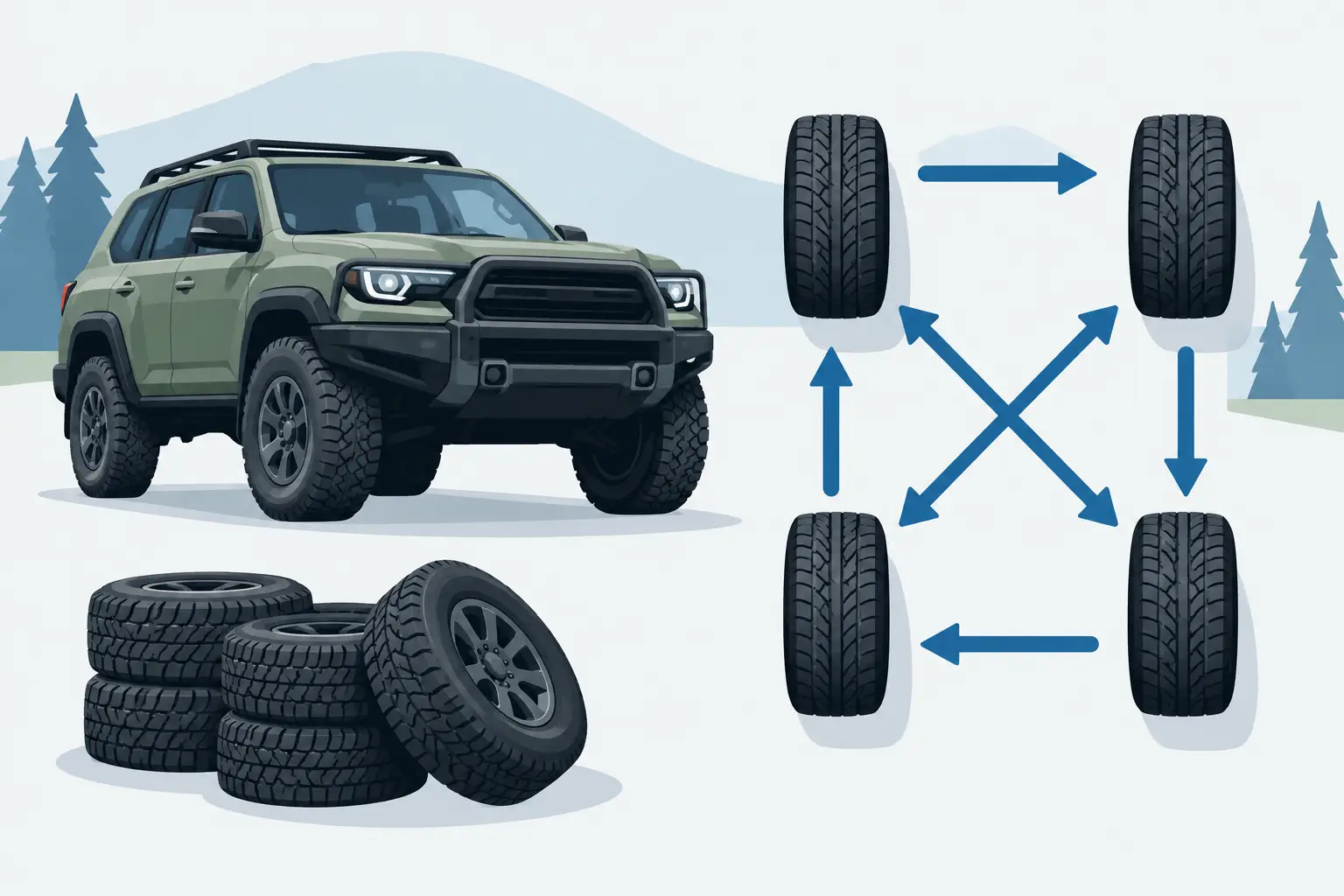
Rotation matters too, particularly on front-heavy SUVs where the front tires may wear faster. Follow the vehicle manufacturer’s rotation recommendation and have tire pressures checked regularly, including the spare if your vehicle has one. Correct pressure supports braking, handling, fuel economy, and even tread wear.
A Practical Family SUV Tire Checklist
Before committing to a set, make sure the tires suit your normal driving rather than one occasional trip. Confirm that the size, load index, and speed rating meet the vehicle placard. Consider wet grip and road noise for everyday use, then factor in towing, gravel travel, or heavier loads if those are part of your routine.
It is also worth asking whether the quoted price includes fitting, balancing, a new valve, disposal of old tires, and an alignment check. Comparing complete costs makes it easier to see the real value of each option.
For local drivers who want tires and mechanical checks handled in one visit, Ryan Automotive and Tyres can help match the right option to the vehicle, driving conditions, and budget. A tire choice should leave you feeling comfortable putting the family in the car, whether the next trip is five minutes to school or five hours down the highway.