Bridgestone Tyre Review for Everyday Drivers
A good Bridgestone tyre review should answer more than whether the brand is popular. The real question is whether the tire suits the way you drive: school runs and highway commuting, heavy work loads, wet suburban streets, weekend towing, or off-road tracks. Bridgestone has a broad range, and choosing the wrong model can leave you paying for capability you never use – or missing the grip and durability your vehicle actually needs.
For many drivers, Bridgestone is a dependable choice because its range covers everyday passenger cars, SUVs, performance vehicles, 4WDs, light trucks, and commercial applications. It is not automatically the cheapest option on the shelf, but it often makes sense for drivers who value predictable handling, solid wet-weather performance, and a tire that is matched properly to their vehicle.
Bridgestone Tyre Review: What the Brand Does Well
Bridgestone tires are generally known for a controlled, confident road feel. On a family sedan, hatchback, or SUV, that often translates to stable steering, dependable braking response, and less drama when roads are wet. Those are practical benefits, especially for drivers covering regular miles around town and on the highway.
The brand also offers clear product families rather than trying to make one tire do every job. Touring tires prioritize comfort and longer wear. Performance tires focus on sharper steering and grip. Highway-terrain and all-terrain options give SUV and 4WD owners choices based on how much time they spend off sealed roads. This makes the range easier to narrow down when you start with your vehicle use rather than just the tire size.
Another strength is availability. Bridgestone is a widely recognized tire brand, so common sizes and replacement options are often easier to source than more specialized imports. That matters when a damaged tire, worn tread, or failed inspection needs attention quickly. For a work vehicle, fewer days off the road can be worth more than saving a small amount on the purchase price.
Ride Comfort and Road Noise
For everyday drivers, ride quality is one of the main reasons to consider a touring-focused Bridgestone tire. Models in ranges such as Turanza are commonly selected for passenger cars and SUVs where comfort, quiet highway driving, and wet-road confidence matter more than aggressive cornering. A well-matched touring tire can make a noticeable difference if your old tires are noisy, unevenly worn, or hard over bumps.
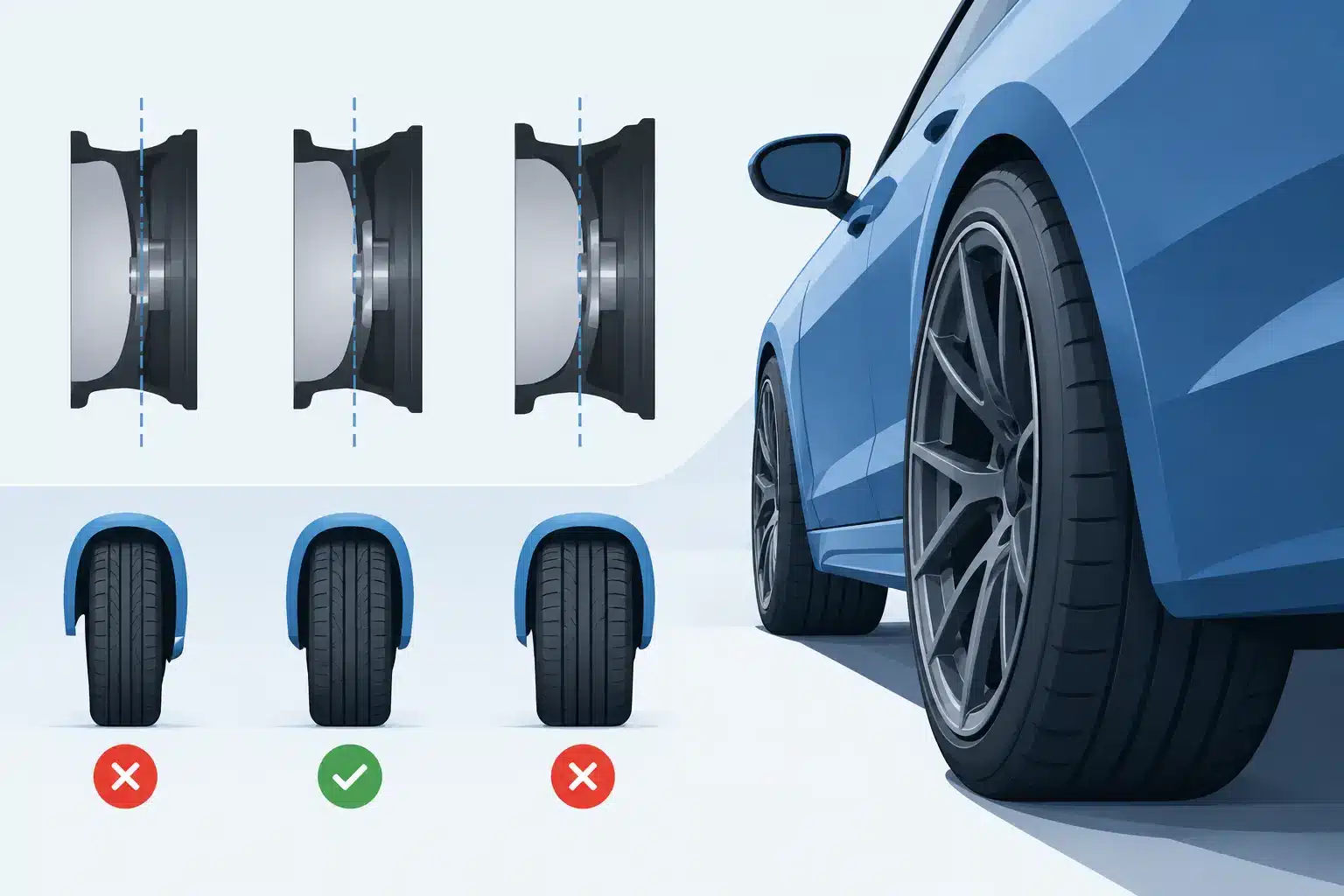
That said, comfort depends on more than the name on the sidewall. Low-profile tires, high tire pressures, stiff suspension, worn shocks, and larger aftermarket wheels can all make a vehicle ride firmer. A premium tire cannot completely correct those issues. If your vehicle is pulling, vibrating, or chewing through the inside edge of the tread, it needs an inspection and wheel alignment alongside the new tires.
Drivers should also expect some trade-offs. Tires designed with stronger sidewalls and more aggressive tread blocks may transmit more road noise than a quiet touring tire. That is normal. An all-terrain tire on a 4WD is built for durability and traction on loose surfaces, not the same quiet ride as a highway tire on a commuter SUV.
Wet Grip and Everyday Safety
Wet performance is where tire quality becomes very real. Water, worn tread, incorrect pressure, and rushed braking can turn an ordinary commute into a loss-of-control situation. Bridgestone has long placed emphasis on wet-road technology across much of its passenger and SUV range, making it a sensible brand to consider for drivers who want confident handling in rain.
Still, no tire can overcome worn tread or poor maintenance. As grooves get shallow, the tire has less ability to clear water from beneath the contact patch. That increases the risk of hydroplaning and extends stopping distances. If your tires are close to their wear indicators, or if you notice reduced grip in the rain, replacement should not wait until a blowout or failed inspection forces the issue.
When comparing tires, look beyond the price and ask what the tire is designed to do in wet conditions. A tire with good wet braking performance may be worth the additional upfront cost for a family vehicle, a daily commuter, or a work truck that stays on the road through all weather.
How Long Do Bridgestone Tires Last?
Tire life varies too much for one mileage figure to be useful. A Bridgestone touring tire on a regularly serviced sedan can last very differently from an all-terrain tire on a loaded 4WD or a performance tire on a high-powered vehicle. Driving style, road surface, load, rotation intervals, inflation pressure, and wheel alignment all affect wear.
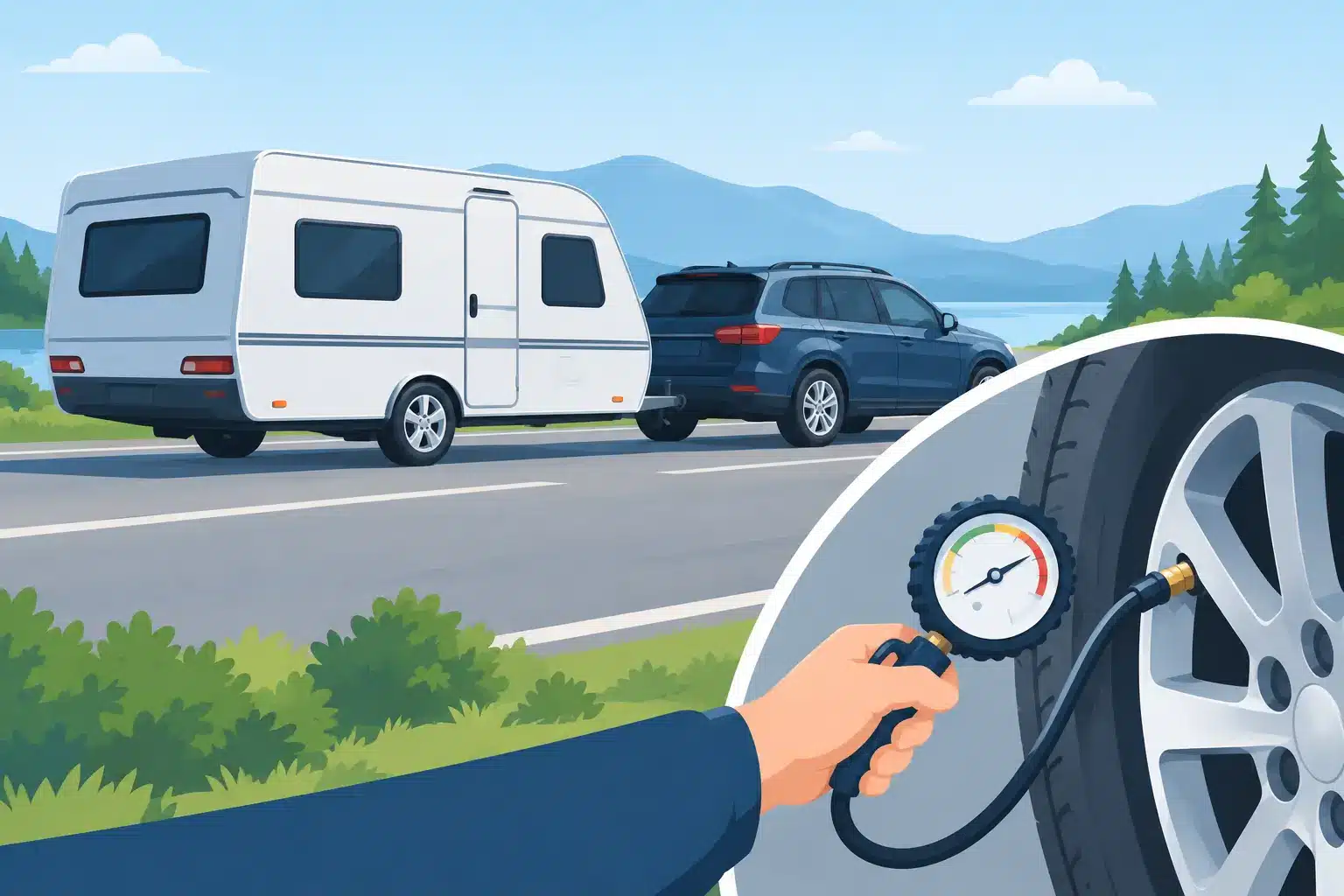
Bridgestone tires are generally built for durable everyday use, but they still need basic care. Check pressures when the tires are cold, rotate them at the recommended interval, and have alignment checked if the steering wheel is off-center or the vehicle drifts. Uneven wear is not just a tire problem. It can point to worn suspension components, incorrect alignment angles, or balancing issues.
For tradies, trailer users, and light-truck owners, load rating matters as much as tread life. Fitting a passenger-rated tire where a reinforced or light-truck construction is needed can lead to poor handling, faster wear, and avoidable risk. Always match the tire’s load and speed rating to the vehicle requirements and the work it actually performs.
Bridgestone Options for Different Vehicles
A review of the brand only helps if it leads to the right type of tire. Bridgestone offers several well-known ranges, but the best option comes down to your driving needs.
For passenger cars and family SUVs that mainly stay on paved roads, Turanza and Alenza-style touring options are often worth considering. They are aimed at drivers who want a composed ride, dependable wet grip, and long-distance comfort.
For sports sedans, coupes, and drivers who place handling first, Potenza tires are designed for a more responsive feel. The trade-off can be a firmer ride, faster wear compared with a touring tire, and a higher purchase cost. They make sense when you will actually benefit from the extra steering response.
For 4WDs and SUVs, Dueler options cover highway-focused, all-terrain, and more off-road-oriented use. A highway tire is usually the better choice for drivers who rarely leave paved roads and want lower noise and better fuel economy. An all-terrain tire suits regular dirt roads, worksites, towing, and weekend tracks, but it may be louder and can affect fuel use.
Commercial vehicles need an even more careful approach. Correct load capacity, sidewall strength, and tread pattern are essential for vans, utes, and light trucks that carry equipment every day. Choosing on price alone can be costly when downtime affects your work.
Are Bridgestone Tires Good Value?
Bridgestone is usually positioned as a quality mainstream to premium brand rather than a bargain-basement choice. The value is in the total ownership picture: safety, wear, ride quality, availability, and how well the tire suits the vehicle. A cheap tire that wears irregularly, lacks wet confidence, or does not handle the load is not a saving.
At the same time, the most expensive Bridgestone model is not always the right purchase. A commuter car does not need a performance tire, and a 4WD that never leaves the highway may not need an aggressive all-terrain pattern. The practical approach is to compare like-for-like tires in the correct size, load rating, and intended use.
At Ryan Automotive and Tyres, a tire choice can be handled alongside fitting, balancing, wheel alignment, and a check of the vehicle’s suspension and steering condition. That one-stop approach helps prevent new tires from being fitted to a vehicle that will simply wear them out early.
Before you replace your tires, take a moment to consider where your vehicle spends its time, what it carries, and how it behaves in the wet. The right Bridgestone tire should feel like a sensible improvement every time you brake, corner, tow, or head out for the week.