Battery Drain Overnight Causes and Fixes
You park the car after a normal drive, then come out the next morning to a slow crank, clicking sound, or nothing at all. Battery drain overnight is frustrating because the fault is often hidden: the battery may be weak, the charging system may not be doing its job, or something may be drawing power while the vehicle is switched off.
A jump-start can get you moving once, but it does not tell you why the battery went flat. Finding the cause early matters, especially if you rely on your vehicle for work, school runs, towing, or weekend travel. It also helps avoid being stranded when you have somewhere to be.
What Counts as an Overnight Battery Drain?
Modern vehicles use a small amount of power when parked. The clock, security system, keyless entry receiver, and vehicle computer may stay active in the background. This is called a parasitic draw, and a normal draw should not flatten a healthy, fully charged battery overnight.
If the engine cranks slowly after sitting for eight to twelve hours, or the battery is completely dead by morning, there is usually a problem worth checking. The key is not to assume the battery is automatically at fault. A battery can be the victim of another issue, particularly a failing alternator or an electrical accessory that does not shut down.
Common Causes of Battery Drain Overnight
An aging or damaged battery
Car batteries do not last forever. Heat, vibration, short trips, and repeated deep discharge all reduce their ability to store power. A battery may still start the vehicle after a drive, but have too little reserve capacity to hold its charge through the night.
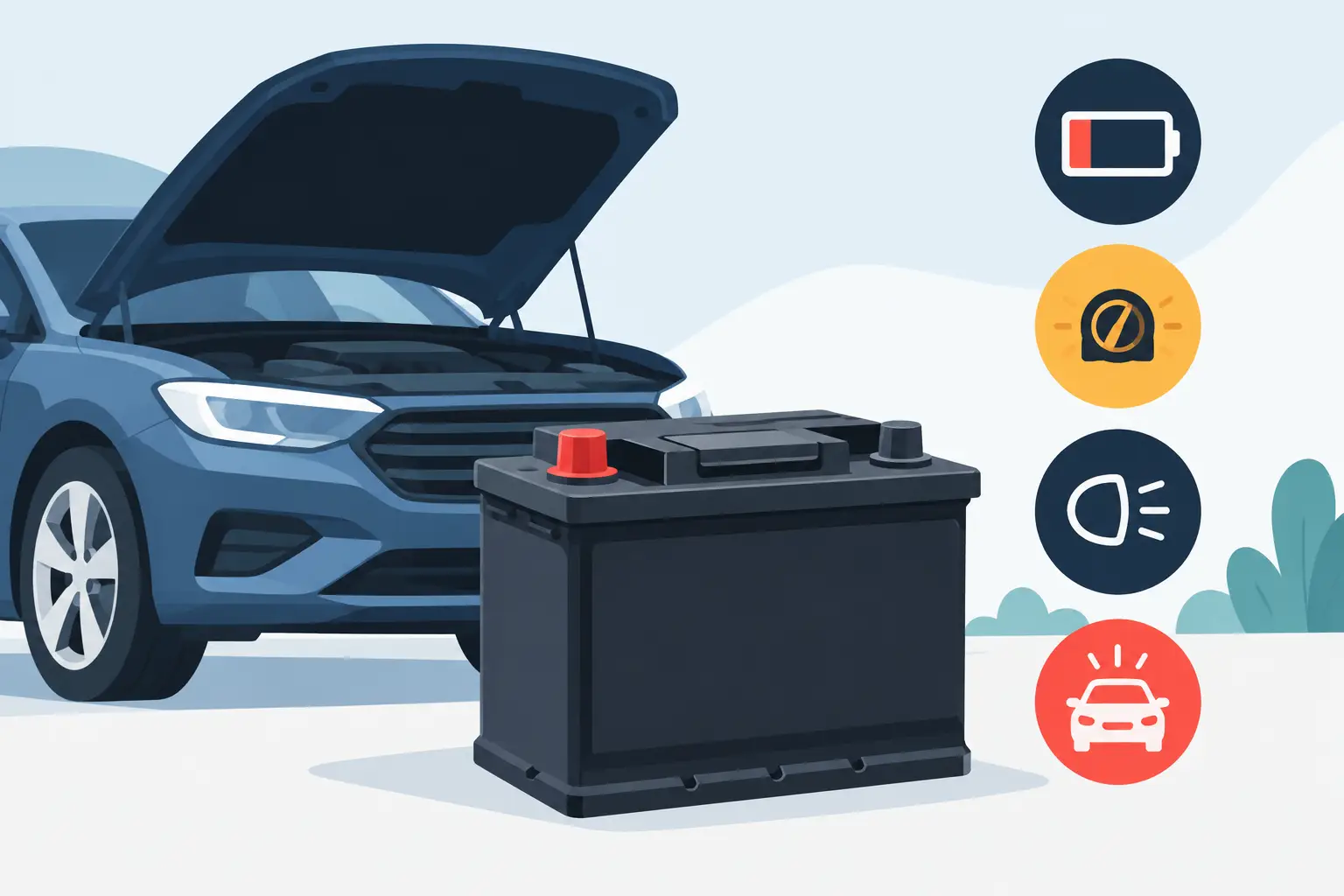
Look for slow starting, dim interior lights, corrosion around the terminals, a swollen battery case, or a battery warning light. Battery age is also relevant. Many batteries begin to become unreliable after three to five years, although usage and climate can shorten or extend that range.
Lights or accessories left on
An interior dome light, glove box light, trunk light, vanity mirror light, or aftermarket accessory can drain a battery much faster than expected. Sometimes the light is not obvious from outside the vehicle. A faulty door switch or latch can make the car think a door, trunk, or hood is still open.
Phone chargers and dash cameras are usually low-draw items, but they can contribute if they remain powered through the vehicle’s accessory socket. Larger accessories such as fridges, inverters, driving lights, amplifiers, trailer brake controllers, and 4WD equipment need careful installation and testing. Tradies and 4WD owners often have extra electrical gear, so the vehicle’s standard battery may not be enough for the setup.
A parasitic electrical draw
A parasitic draw happens when a circuit keeps using more power than it should after the car has gone to sleep. Common causes include a stuck relay, faulty control module, damaged wiring, an aftermarket alarm, stereo wiring, or a charger connected incorrectly.
This fault can be inconsistent. The vehicle may start normally for several days, then go flat after one night. That does not mean the issue has disappeared. It may simply depend on a relay sticking, a module failing to enter sleep mode, or an accessory operating at a particular time.
Alternator or charging-system trouble
The alternator replenishes the battery while the engine is running. If it is weak, the battery may not receive a full charge during normal driving. A vehicle can appear fine on short trips but gradually lose charge over several days.
A failed alternator diode can also allow current to flow backward after the engine is off, creating an overnight drain. Warning signs include a battery light on the dash, headlights that change brightness with engine speed, electrical glitches, or a burning smell near the engine. These symptoms deserve prompt attention because the vehicle may stop while driving once the stored battery power is used up.
Loose, dirty, or corroded connections
Battery terminals and ground connections need to be clean and tight. Corrosion creates resistance, which can prevent the battery from charging correctly and make starting difficult. It can look like a flat battery even when the battery itself is still serviceable.
Do not overlook the negative battery cable and engine ground strap. A poor ground can cause unusual electrical behavior, intermittent no-starts, and misleading fault codes.
Quick Checks Before You Book a Repair
Start with the simple checks while the vehicle is safely parked. Make sure all lights are off, inspect the trunk and glove box lights, and remove anything plugged into a power outlet. Check that battery terminals are secure and that there is no heavy green, white, or blue corrosion around the connections.
Think about what changed before the problem started. Was a new battery fitted? Has the vehicle recently had an alarm, stereo, dash camera, trailer wiring, work lights, or other accessories installed? Did the car sit unused for a week? Those details help narrow down the diagnosis.
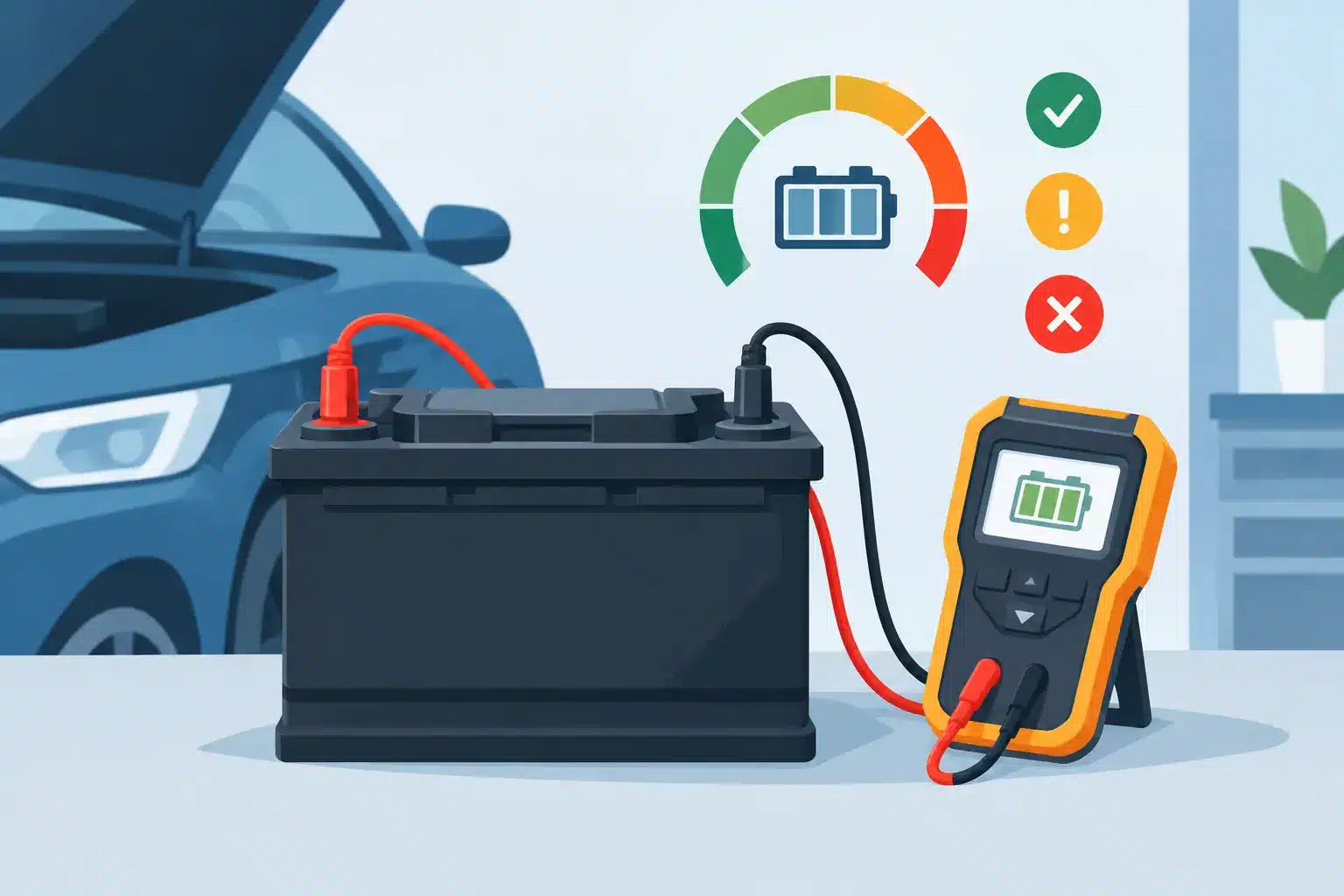
If you have a multimeter and know how to use it, measure battery voltage after the vehicle has been sitting with the engine off. Around 12.6 volts generally indicates a fully charged lead-acid battery, while a reading near 12.2 volts suggests it is significantly discharged. Voltage alone is not a full battery health test, though. A battery can show acceptable voltage but fail under the heavy load of starting the engine.
Avoid repeatedly jump-starting the vehicle and hoping for the best. Each deep discharge is hard on a conventional battery. If it has gone completely flat, use a proper battery charger where possible, then have the battery and charging system tested.
How a Workshop Finds the Real Fault
The right diagnosis starts with a battery condition test, not just a quick voltage reading. A technician can assess the battery’s state of charge, cold-cranking performance, reserve capacity, and whether it is capable of holding a charge. The alternator output and charging voltage are then checked with the engine running.
If those tests point to an electrical drain, the technician measures parasitic draw after the vehicle’s modules have had time to shut down. This waiting period is important. Testing too soon can make a normal vehicle look faulty because computers and systems are still awake.
The circuit is then isolated methodically, often by checking fuses, relays, wiring, and fitted accessories. It can take time, particularly on newer vehicles with multiple control modules. Replacing the battery without diagnosing a genuine drain may only provide a short-term fix.
At Ryan Automotive and Tyres, a battery concern can be checked alongside the charging system and related electrical connections, so you are not left guessing whether you need a new battery, an alternator repair, or further electrical diagnosis.
When Battery Replacement Is the Sensible Option
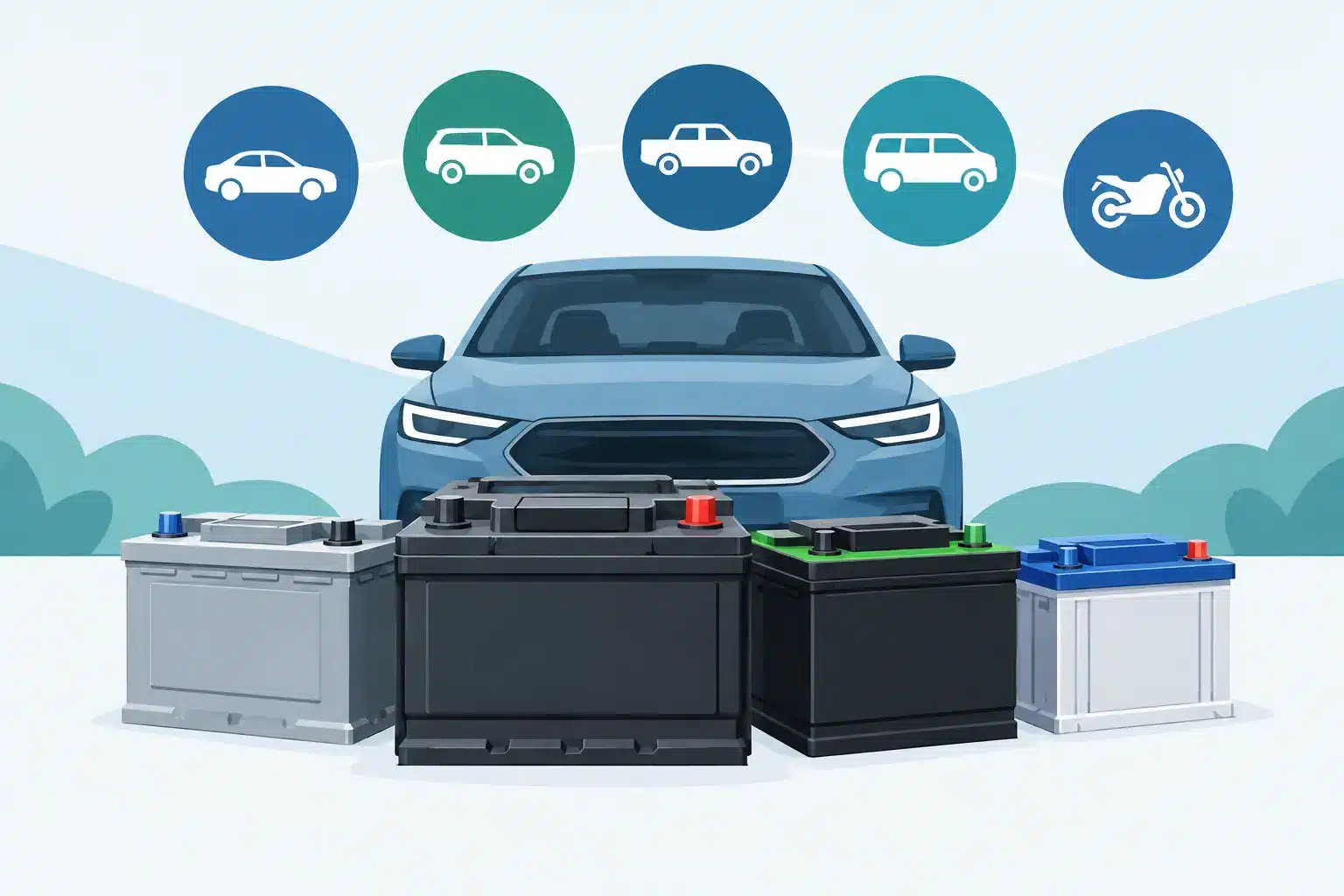
Replacement is usually the practical answer when a battery fails a load test, has an internal fault, is physically swollen or leaking, or cannot hold a proper charge after charging. The correct battery matters. It must have the right physical size, terminal layout, cold-cranking rating, and technology for the vehicle.
Many later-model vehicles use absorbed glass mat, or AGM, batteries because of stop-start systems and higher electrical demand. Fitting a basic conventional battery where an AGM battery is required can lead to short battery life and unreliable operation. Some vehicles also need the new battery registered or reset through the vehicle computer so the charging system manages it correctly.
For work utes, towing vehicles, and 4WDs running added equipment, it may be worth discussing a dual-battery system or a properly designed accessory power setup. A bigger battery is not always the answer. The wiring, alternator capacity, charging method, and intended use all need to match.
Preventing Another Flat Battery
Regular driving helps keep a battery charged, but short trips may not replace the power used during starting. If your vehicle sits for long periods, a quality maintenance charger can help preserve battery health. This is particularly useful for second cars, classic vehicles, campers, and seasonal work equipment.
Keep terminals clean, have the battery tested before a long trip, and deal with warning lights quickly. If you install accessories, choose proper wiring, fusing, and switching rather than tapping into a circuit that was not designed for the extra load.
A flat battery in the morning is rarely convenient, but it is usually diagnosable. Getting the battery, alternator, and parked electrical draw checked properly gives you a far better chance of starting every day without carrying jumper cables as part of the routine.