Towing Brake Pad Options for Safer Heavy Loads
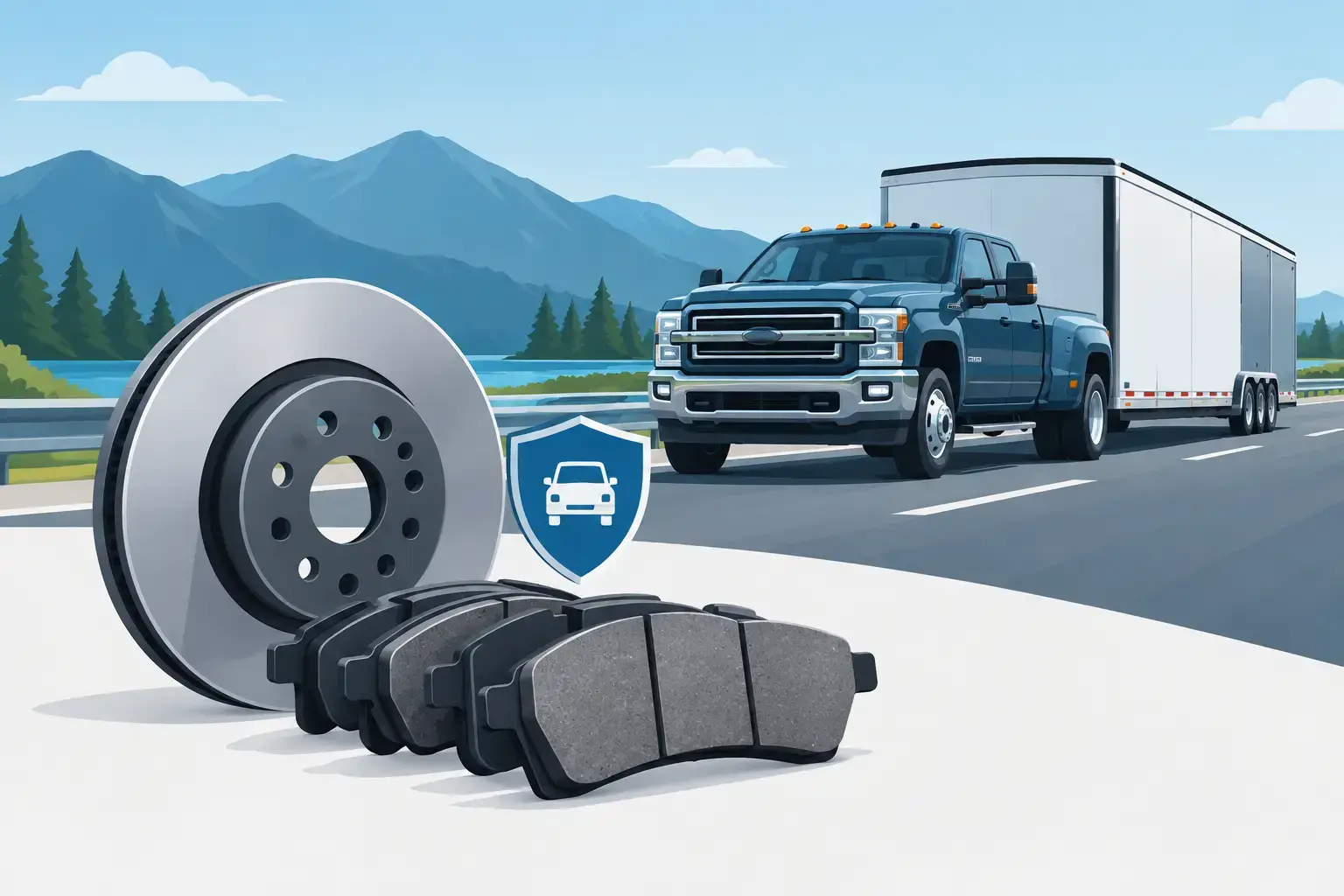
A trailer, loaded work vehicle, or boat does more than add weight behind your vehicle. It changes how quickly you can stop, how much heat your brakes must handle, and how confident you feel coming down a steep grade. Choosing the right towing brake pad options is not about fitting the most aggressive pad on the shelf. It is about matching the pad material to your vehicle, trailer weight, driving conditions, and how often you tow.
For occasional light towing, a quality original-equipment replacement pad may be all you need. For regular hauling, heavy loads, hills, or stop-start traffic, a more heat-resistant pad can make a real difference. The right choice helps reduce brake fade, protects other brake components, and gives you more consistent pedal feel when the load is on.
Why Towing Is Hard on Brake Pads
When you tow, the brakes have to turn more moving weight into heat. That heat is the main issue. A brake pad that feels quiet and smooth on the daily commute may lose friction when it gets hot repeatedly, especially on long descents or during busy traffic driving with a loaded trailer.
Brake fade can feel like a longer stopping distance, a softer pedal, or a vehicle that does not slow down as strongly as expected. It is not something to gamble with when you are carrying tools, towing a camper, or pulling a loaded trailer. Good towing pads are designed to maintain more consistent friction across a wider temperature range.
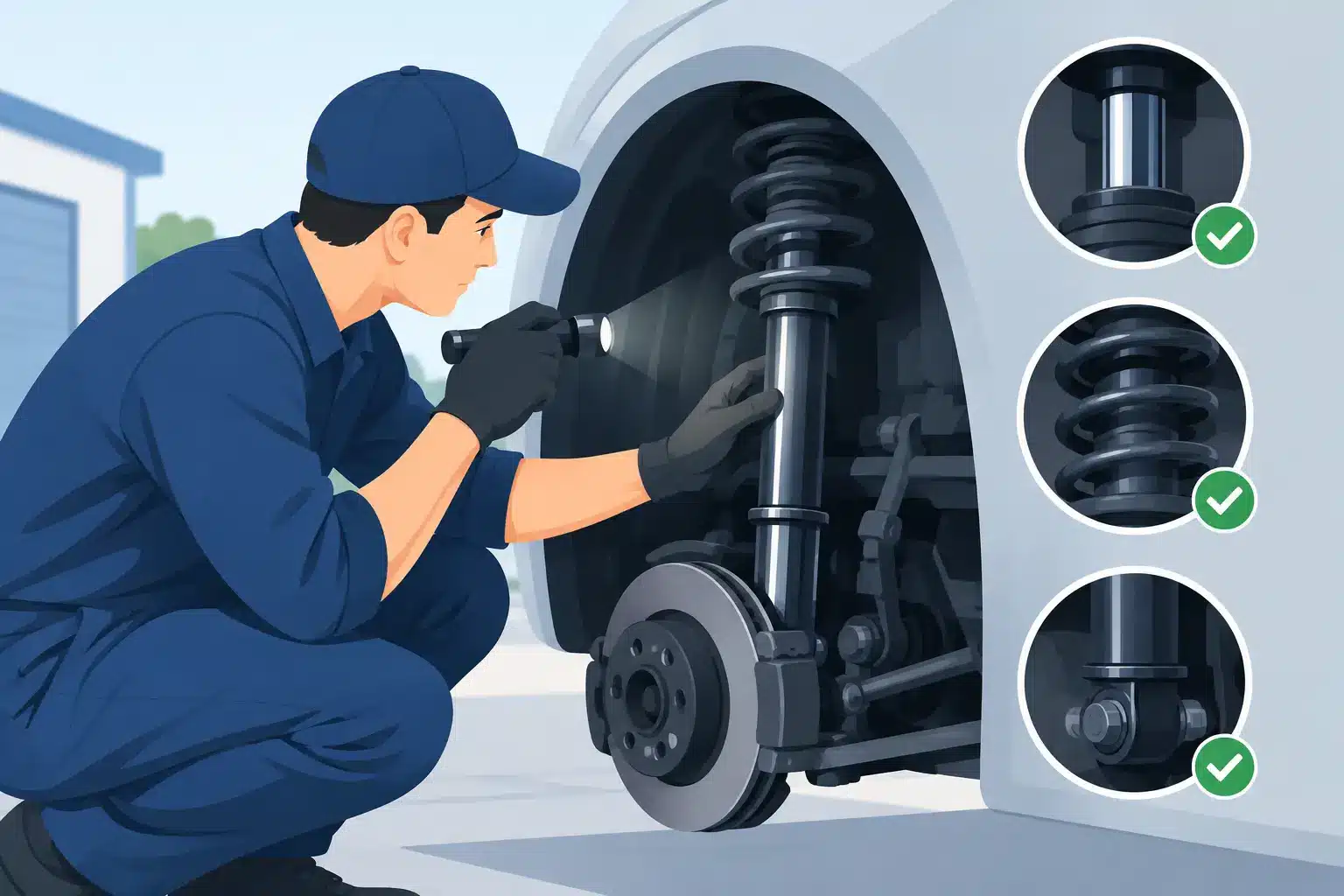
Pads are only one part of the braking system, though. Worn rotors, old brake fluid, sticky calipers, poor trailer brakes, or an incorrectly adjusted brake controller can all reduce stopping performance. A proper brake inspection looks at the complete system rather than treating pads as a standalone fix.
Towing Brake Pad Options Explained
The best towing brake pad depends on the work your vehicle does. There is no single pad compound that suits every driver, and the most expensive option is not automatically the right one.
Ceramic brake pads
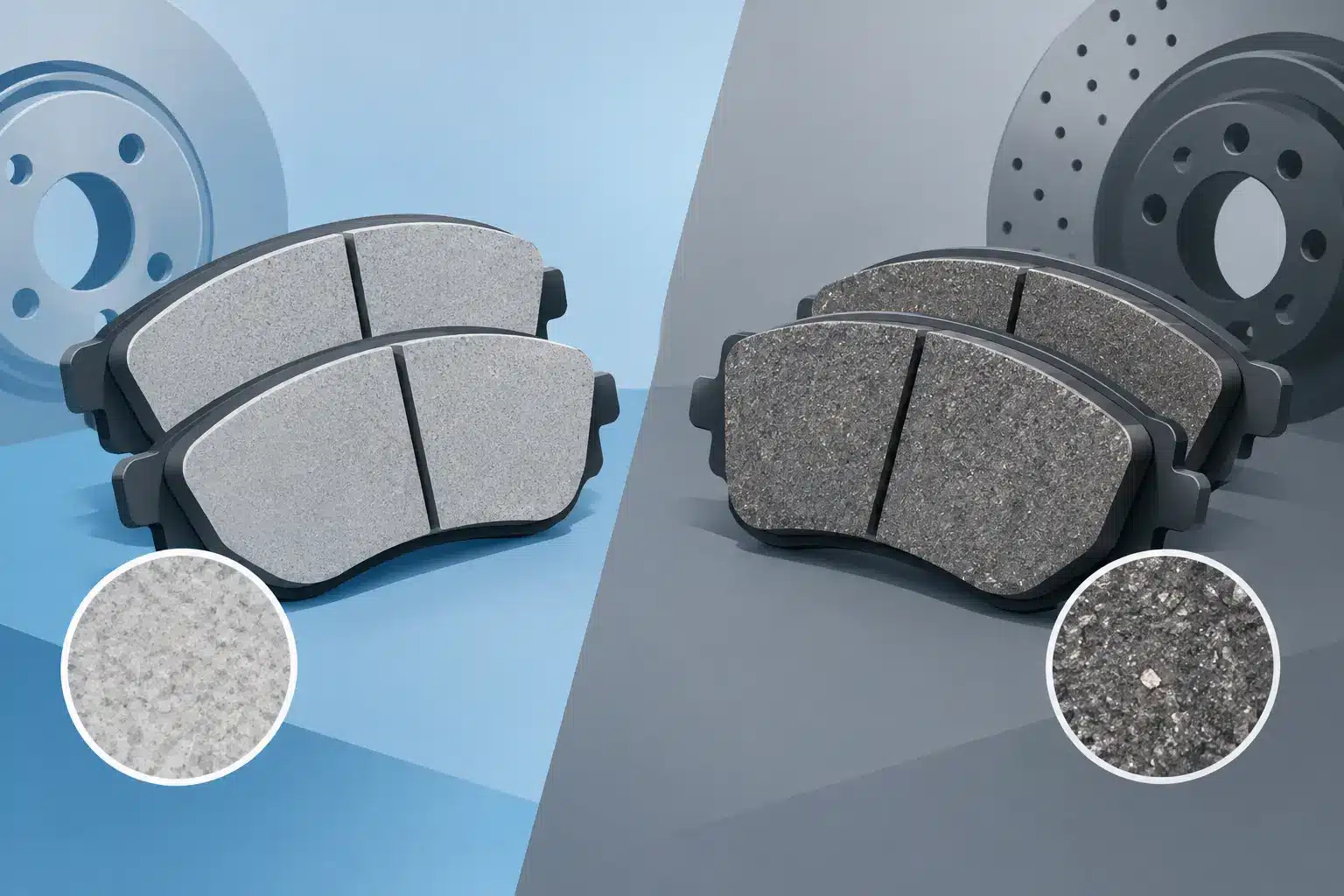
Ceramic pads are a popular choice for everyday vehicles because they are generally quiet, produce less visible dust, and provide smooth braking in normal driving. They can work well for light towing, such as a small box trailer, lightweight camper, or occasional weekend load.
Their limitation is sustained heat. Some premium ceramic formulas perform well under moderate towing conditions, but a basic ceramic pad may not be the best choice for a vehicle that regularly pulls heavy loads through hills or traffic. If quiet operation and clean wheels matter, ceramic can be a sensible option, but it needs to be a quality pad matched to the vehicle’s towing use.
Semi-metallic brake pads
Semi-metallic pads contain metallic fibers and compounds that help transfer heat away from the friction surface. This makes them a strong all-around choice for many trucks, SUVs, vans, and work vehicles that tow regularly.
They often deliver firm braking, good heat resistance, and dependable performance in varied weather conditions. The trade-off is that semi-metallic pads may create more dust and noise than ceramic pads, and some compounds can be harder on rotors. For a tradie vehicle, family SUV pulling a caravan, or light truck doing regular trailer work, those trade-offs are often worthwhile for the added braking confidence.
Severe-duty or towing-specific pads
Severe-duty pads are built for vehicles that work hard. They are often designed for repeated high-temperature braking, heavier payloads, frequent towing, and rougher service conditions. Depending on the vehicle and manufacturer, they may use advanced semi-metallic or specialty friction materials to resist fade and maintain a stable pedal feel.
These pads make sense when towing is a regular part of the job, not an occasional trip. Think loaded equipment trailers, commercial-style work use, horse floats, larger campers, or frequent highway towing through hilly areas. They can be noisier or produce more dust than a comfort-focused pad, but their purpose is consistent stopping power under load.
Organic brake pads
Organic pads, sometimes called non-asbestos organic pads, are usually soft and quiet. They can be suitable for light, low-speed use, but they are generally not the first pick for regular towing. They tend to wear faster and can struggle with repeated high heat compared with ceramic, semi-metallic, or severe-duty options.
For vehicles that only tow a very small trailer once in a while, a quality organic pad may be adequate. For serious hauling, there are better choices.
Match the Pad to the Load and Driving Conditions
Start by being honest about how your vehicle is used. A family SUV that tows a small boat a few times each summer has different needs from a diesel pickup hauling tools and equipment every week. The vehicle’s factory towing rating matters, but so does the real weight you are carrying, including passengers, cargo, fuel, and trailer load.
Hills, traffic, and speed also matter. Long highway runs can build heat gradually, while stop-start city driving puts repeated demand on the brakes. Mountain roads and steep descents are especially tough because the brakes may be working for extended periods. In those conditions, a severe-duty pad and well-maintained trailer braking system are usually a better investment than a standard replacement pad.
Do not choose pads by material name alone. Quality varies between brands and pad lines. A workshop can identify the correct pad shape, check the vehicle’s rotor condition, and recommend a compound intended for your vehicle’s weight and work. That helps avoid fitting a high-performance pad that is poorly suited to daily driving, or a comfort pad that will not cope with your towing demands.
Rotors, Fluid, and Trailer Brakes Matter Too
New pads need a sound braking surface. If the rotors are below specification, badly scored, heat-spotted, warped, or glazed, installing pads alone will not deliver the result you want. Depending on their condition and manufacturer specifications, rotors may need machining or replacement with quality units designed for the vehicle.
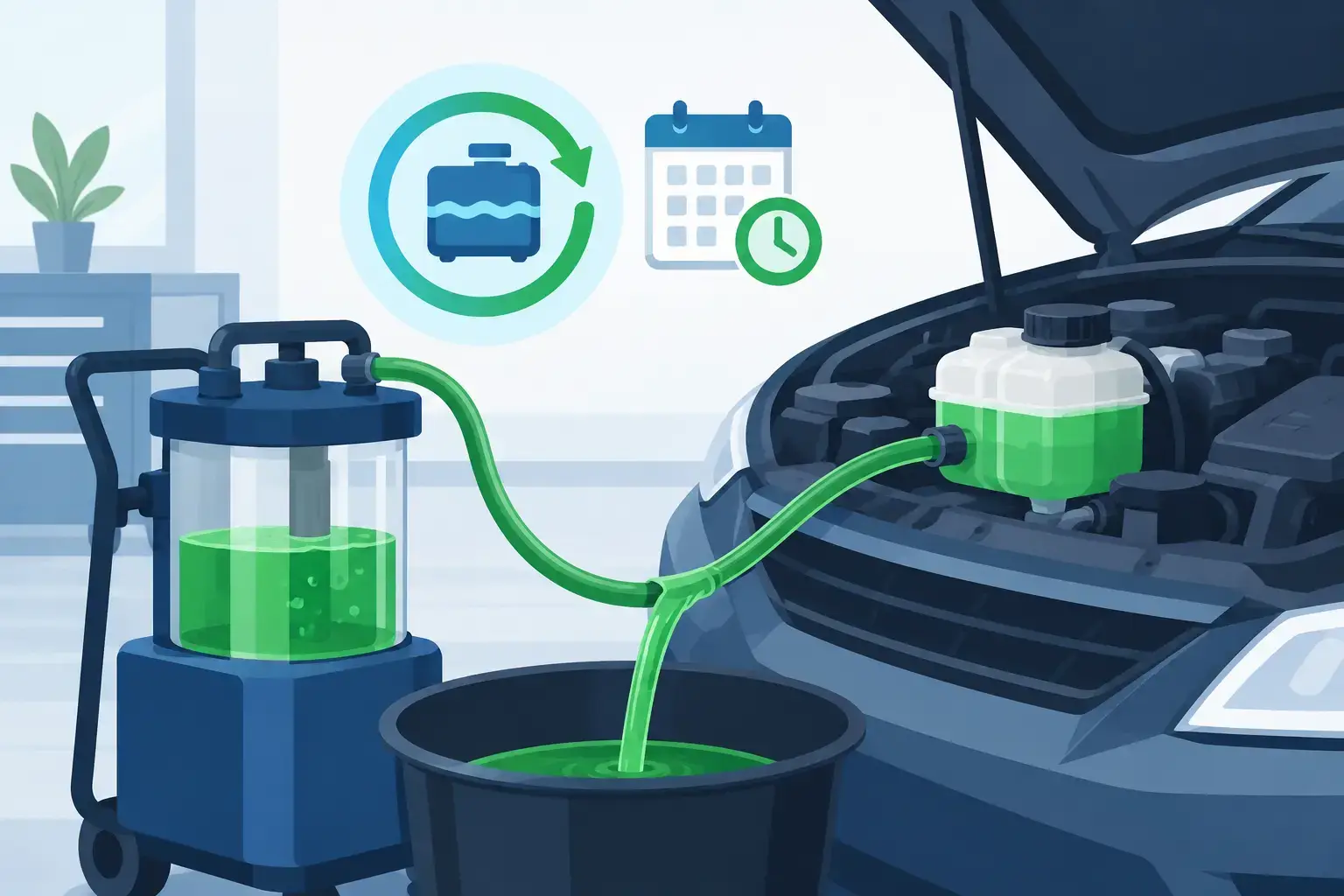
Brake fluid is often overlooked. Over time, fluid absorbs moisture, which lowers its boiling point. Under heavy towing braking, old fluid can boil and cause a soft or spongy pedal. A brake fluid flush at the recommended service interval is a practical part of keeping a towing vehicle safe.
Your trailer must also do its share of the stopping. Electric or hydraulic trailer brakes need to be correctly adjusted and working evenly. The brake controller should be set for the load and tested in a safe area before heading onto the road. Vehicle brake pads cannot compensate for trailer brakes that are not operating properly.
Engine braking can reduce brake temperatures on downhill runs, particularly in vehicles with lower gears, tow modes, or engine braking features. It does not replace service brakes, but using the right gear instead of riding the brake pedal can help prevent heat buildup.
Signs Your Current Pads Are Not Up to Towing
Squealing, grinding, vibration through the pedal or steering wheel, longer stopping distances, and a brake warning light all need prompt attention. So does a burning smell after a descent, smoke around a wheel, or a vehicle pulling to one side while braking. These can point to worn pads, overheated components, or a sticking caliper.
Do not wait for a dashboard warning or metal-on-metal noise. If you have started towing more often, had a vehicle loaded heavily for work, or noticed braking feels different with a trailer attached, schedule an inspection. Catching worn pads and rotor damage early is usually less costly than replacing multiple damaged brake components later.
Get the Installation Right
Brake pad performance depends heavily on correct installation. Pads should be fitted as an axle set, with caliper slides, hardware, brake hoses, rotors, and fluid checked at the same time. After installation, most pads need a bedding-in process to transfer an even layer of friction material onto the rotor surface. Skipping this step can lead to noise, uneven braking, vibration, and reduced pad life.
At Ryan Automotive and Tyres, a brake check can help identify the right pad option for the load you tow and the roads you drive. Whether you use your vehicle for weekend trips, family towing, or daily work, the aim is straightforward: dependable braking without paying for upgrades you do not need.
Before your next loaded trip, give the brakes the same attention you give tires, lights, and trailer connections. A properly matched set of pads and a healthy brake system make every stop calmer, safer, and easier to control.