Best Wheels for 4WD: Fitment, Strength, and Use
A new set of wheels can change how a 4WD looks, but the right choice also affects steering feel, brake clearance, tire wear, towing stability, and how well the vehicle handles rough ground. The best wheels for 4WD use are not always the biggest, widest, or most aggressive-looking option. They are the wheels that suit your vehicle, tire size, load, and the kind of driving you actually do.
For a work ute, weekend trail vehicle, family tourer, or tow rig, getting the details right before ordering saves money and avoids fitment problems later. Start with the job your 4WD needs to do, then choose a wheel built to handle it.
Choose Wheels for the Way You Drive
A 4WD that spends most of its time on the road needs something different from a vehicle regularly running rocky tracks, mud, sand, or remote touring routes. Road-focused vehicles often benefit from a practical alloy wheel that keeps weight down and provides a clean, factory-style fit. For a daily driver, that can mean better steering response and less unsprung weight than a heavy wheel.
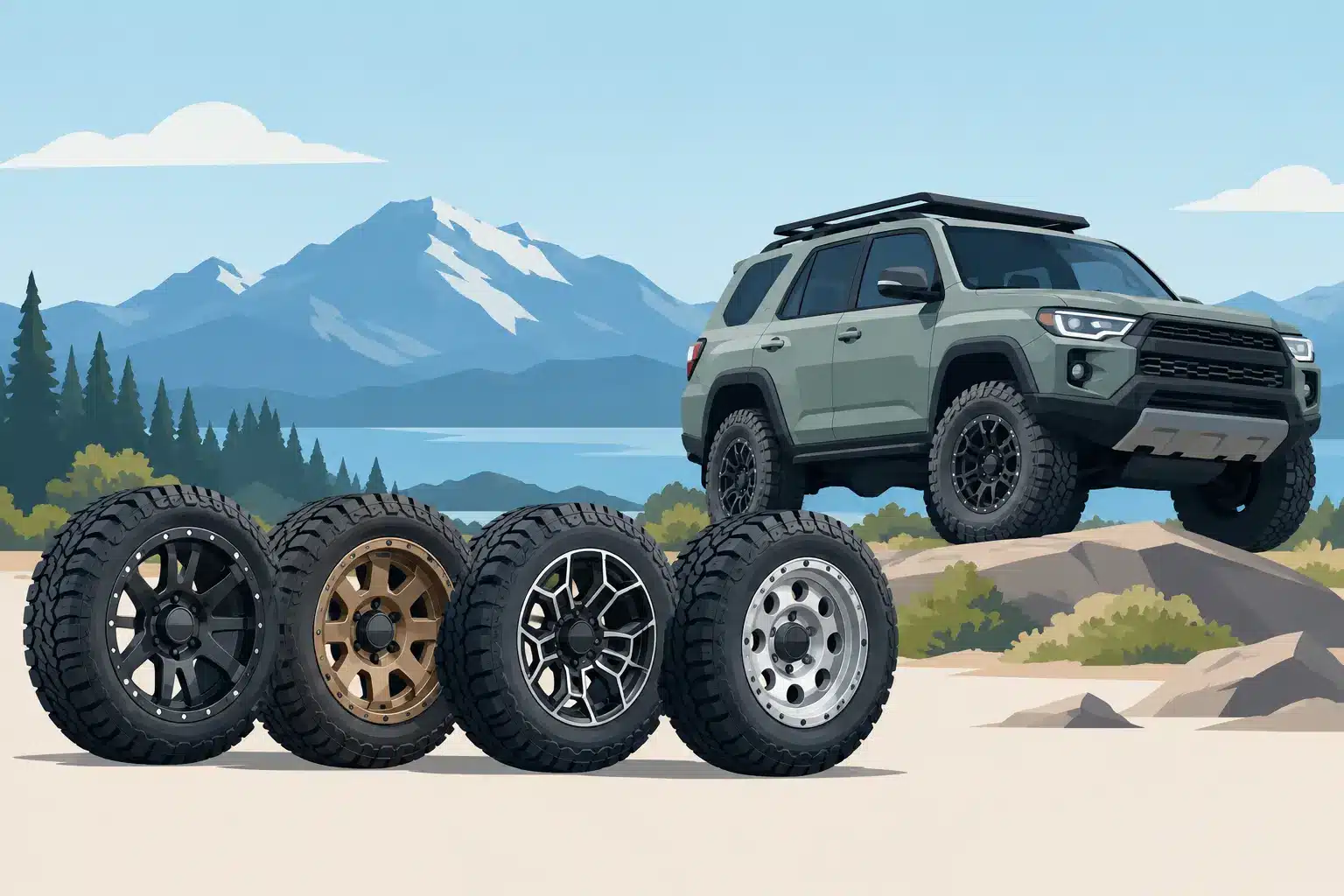
If your 4WD works hard, carries tools, tows a trailer, or sees rough trails, strength and load rating should be higher on the list than appearance. Steel wheels remain a popular choice for this reason. They are generally more affordable, can take hard knocks, and are often easier to repair or replace when traveling. Their extra weight is the trade-off, and they can be more prone to surface rust if the finish is damaged and left untreated.
Alloy wheels are not automatically fragile. A quality alloy wheel with the right load rating can be an excellent choice for touring, light off-road use, and everyday driving. They are commonly lighter than steel, available in more styles and offsets, and can help with brake cooling. The key word is quality. A cheap wheel is no bargain if it cracks, bends, or fails to meet the demands of a loaded 4WD.
Best Wheels for 4WD Fitment Start With the Basics
A wheel can look right in a photo and still be completely wrong for your vehicle. Correct fitment is non-negotiable. Before choosing a wheel, confirm the bolt pattern, center bore, wheel diameter, width, offset, and load rating specified for your 4WD.
The bolt pattern must match exactly. This refers to the number of wheel studs and the circle diameter they sit on. Even a small mismatch means the wheel should not be fitted. The center bore also matters because the wheel needs to locate properly on the hub. Where required, correctly sized hub-centric rings can help achieve a secure fit, but they do not solve an incorrect bolt pattern or poor-quality wheel design.
Wheel diameter and width must work with the tire size you plan to run. Larger-diameter wheels can make room for bigger brakes and create a modern look, but they also often require lower-profile tires. For serious off-road driving, a smaller wheel with a taller tire sidewall is frequently the smarter setup. More sidewall gives the tire room to flex, improves ride comfort on corrugations and rough tracks, and offers more protection from rocks.
For many 4WD owners, 16-inch or 17-inch wheels are practical because they provide strong tire availability and useful sidewall height. An 18-inch wheel may be suitable for road use, towing, or certain late-model vehicles, especially where brake clearance requires it. Going bigger simply for looks can reduce off-road capability and increase replacement tire costs.
Understand Offset Before Changing Wheel Position
Offset determines where the wheel sits in relation to the hub. A lower or more negative offset moves the wheel outward, creating a wider stance. That may provide clearance for wider tires or suspension components, but it can also increase stress on wheel bearings and steering parts.
Too much outward movement can cause tires to rub on guards, liners, suspension arms, or bumper mounts when turning or when the suspension compresses. It may also throw more mud and road debris down the side of the vehicle. A wheel that sits too far inward can contact brakes or suspension components. The best approach is to select an offset proven for your specific make, model, suspension height, and intended tire size.
Do not assume a lift kit makes every wheel and tire combination fit. Suspension lift, body lift, wheel offset, tire diameter, and tire width all work together. A professional test fit and alignment are worthwhile, particularly on a 4WD that sees highway miles or carries heavy loads.
Check the Load Rating, Not Just the Style
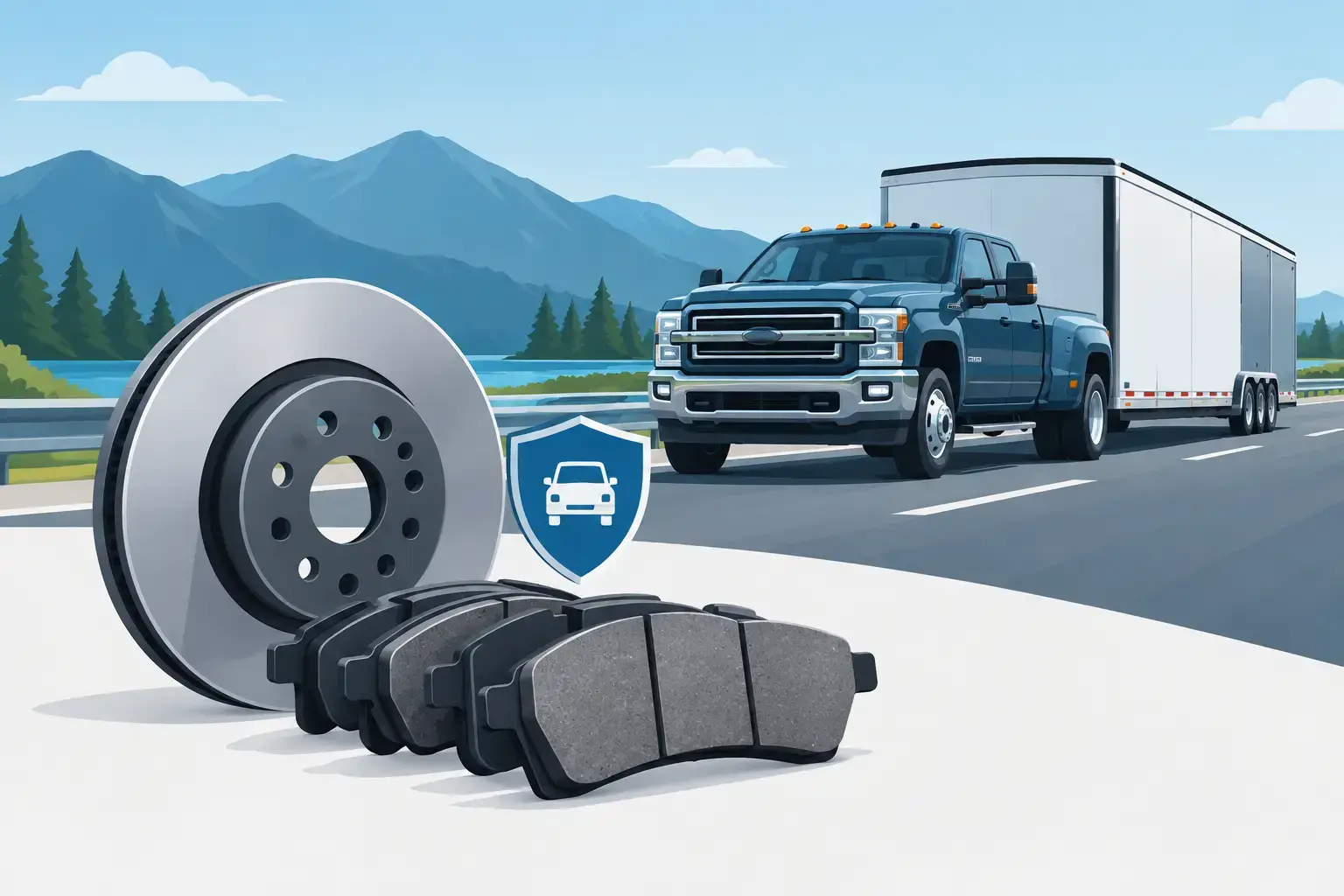
Wheel load rating is one of the most overlooked details in a 4WD build. Your wheels must be rated to support the vehicle at its maximum working weight, not just its empty curb weight. Think about passengers, recovery gear, drawers, a canopy, tools, camping equipment, roof loads, tow-ball weight, and trailer use.
As a basic check, multiply the wheel’s individual load rating by four and compare it with your vehicle’s gross vehicle weight rating. That does not replace manufacturer recommendations, but it highlights why a lightweight-looking wheel may not suit a fully loaded touring rig. Load ratings should also be considered alongside tire load indexes, suspension capacity, and legal vehicle weight limits.
For tradies and towing customers, this matters every day. A 4WD that is fine around town can be substantially heavier when it leaves for a job or a trip. Selecting wheels and tires as a matched package helps ensure the whole setup is suited to the work.
Steel or Alloy: Make the Trade-Off That Suits You
There is no single winner between steel and alloy wheels. The right choice depends on where the vehicle goes and what it carries.
Steel wheels are a practical fit for demanding work vehicles, spare-wheel setups, and drivers who prioritize toughness and value. They are usually less expensive and widely available in common 4WD sizes. If a steel wheel takes a minor bend on a remote trip, it may be possible to straighten it enough to get home safely, though it should still be inspected and replaced if damaged.
Alloy wheels make sense for drivers who value reduced weight, a broader range of designs, and improved road manners. Quality alloys can handle serious use, but they need to be selected with the correct rating and maintained properly. Watch for cracks around spokes, rims, and stud holes after hard impacts. Whether steel or alloy, any wheel with damage, cracks, missing material, or ongoing air loss needs professional attention.
Match the Wheel to the Tire, Not the Other Way Around
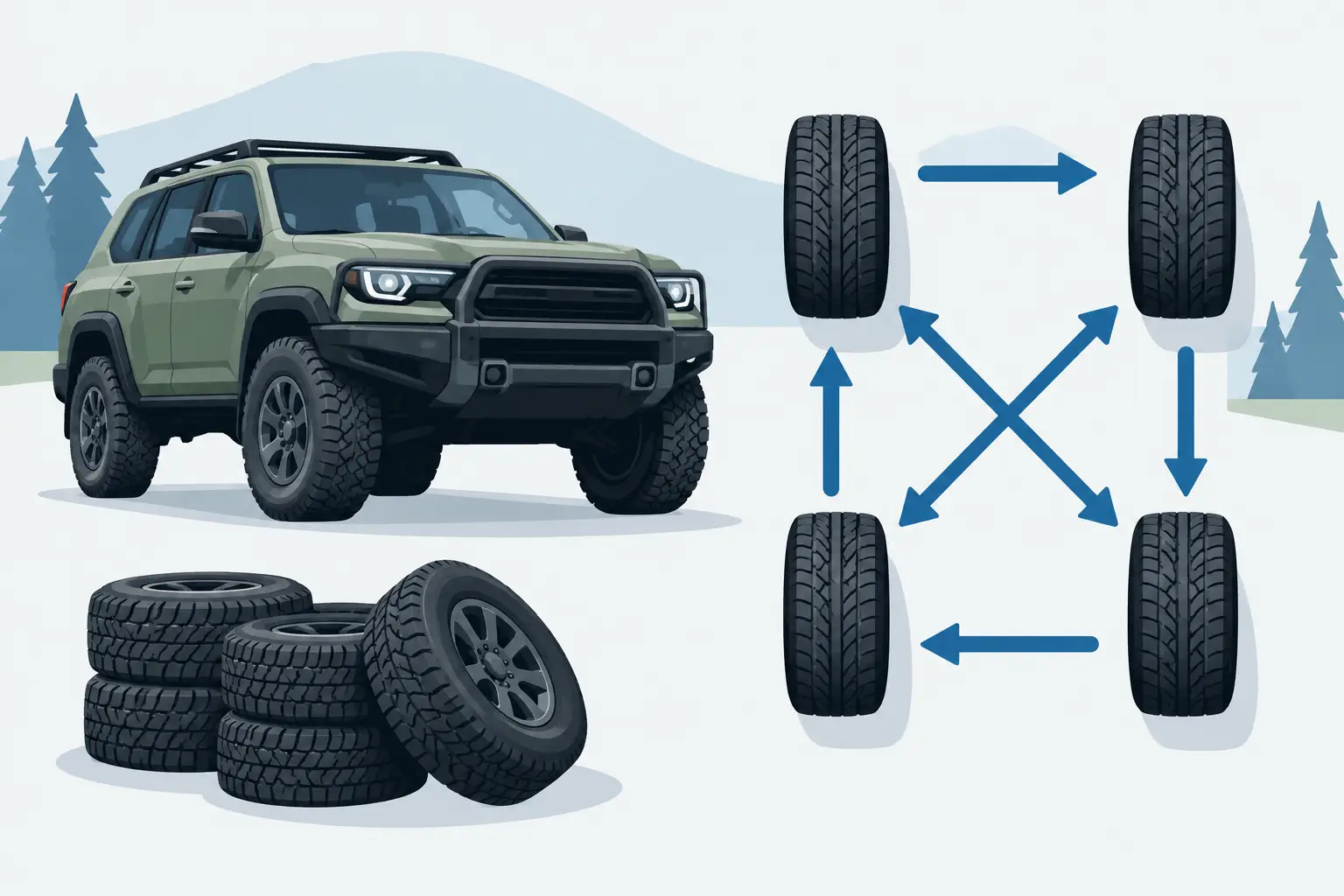
Tires do much of the real work off-road. The wheel should support the tire type and size that best fits your driving. All-terrain tires are a sensible middle ground for many owners, offering dependable road behavior with traction for gravel, dirt, and light trails. Mud-terrain tires deliver more bite in mud and loose terrain, but they can be louder, heavier, and less composed on wet pavement.
Avoid stretching a tire onto a wheel that is too wide or pinching it onto one that is too narrow. Both can affect sidewall performance, bead retention, tread wear, and handling. A properly matched wheel-and-tire package gives predictable steering, better wear, and fewer clearance surprises.
If you intend to air down for sand or trails, tire sidewall height and bead security become even more relevant. Follow sensible pressure practices for the conditions, reinflate before extended highway driving, and inspect wheels after hard off-road use.
Do Not Forget Brakes, Alignment, and Legal Clearance
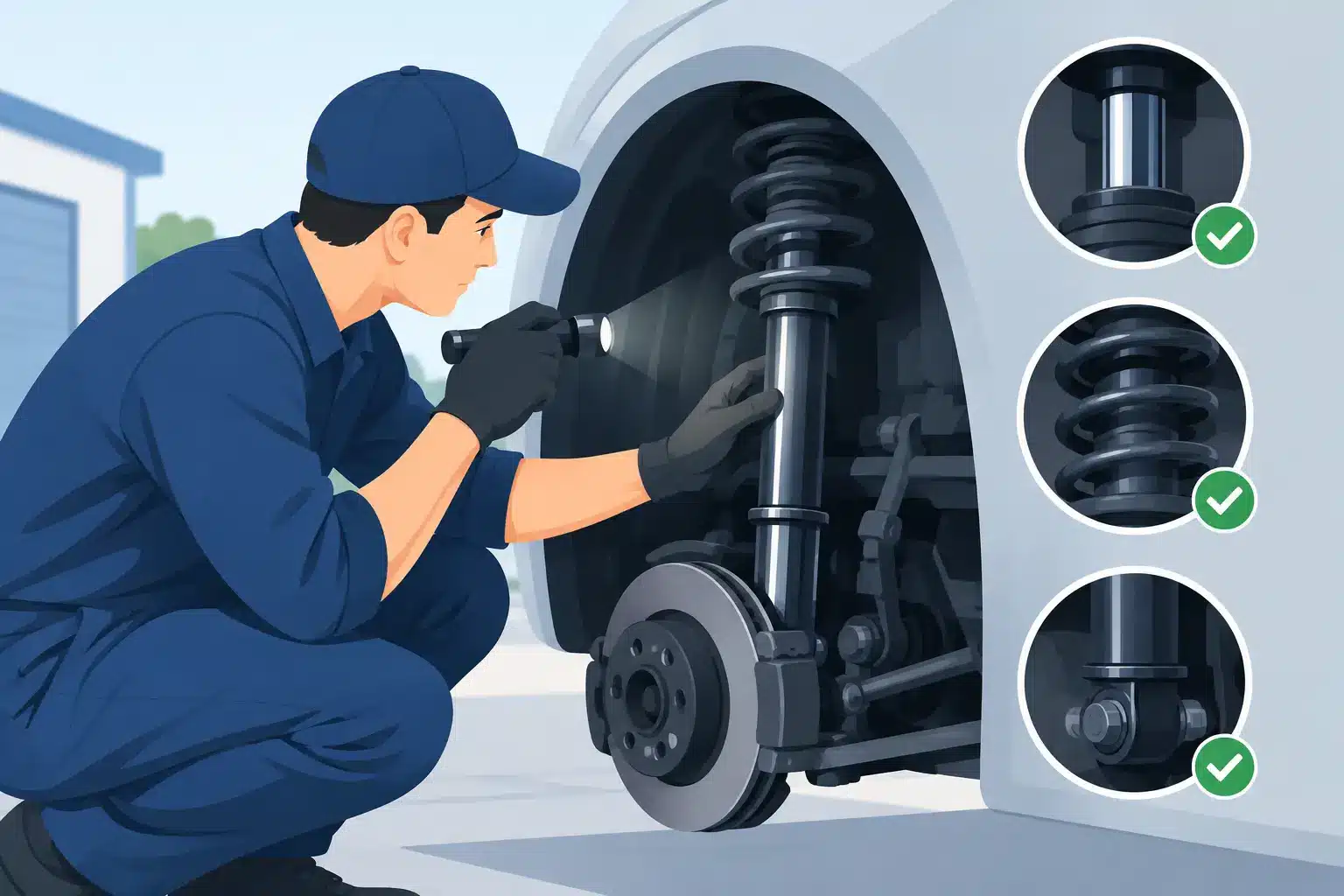
Wheel changes can affect more than appearance. Larger wheels may clear one brake package but interfere with another. Aftermarket brake upgrades, factory caliper size, wheel spoke design, and inside-barrel shape all need checking. Never rely on visual clearance alone.
A change in wheel width or offset can also alter steering geometry and tire wear. A wheel alignment after fitting new wheels and tires is a smart investment, especially if the vehicle has a lift, worn suspension parts, or uneven existing tire wear. Check that the tires clear through full steering lock and suspension travel, not only while parked on level ground.
Keep the vehicle within applicable wheel coverage, tire clearance, and modification requirements where you drive. An aggressive stance may look good, but rubbing tires, exposed tread, and overloaded components create problems that no 4WD owner needs.
Get a Setup That Works Beyond the Parking Lot
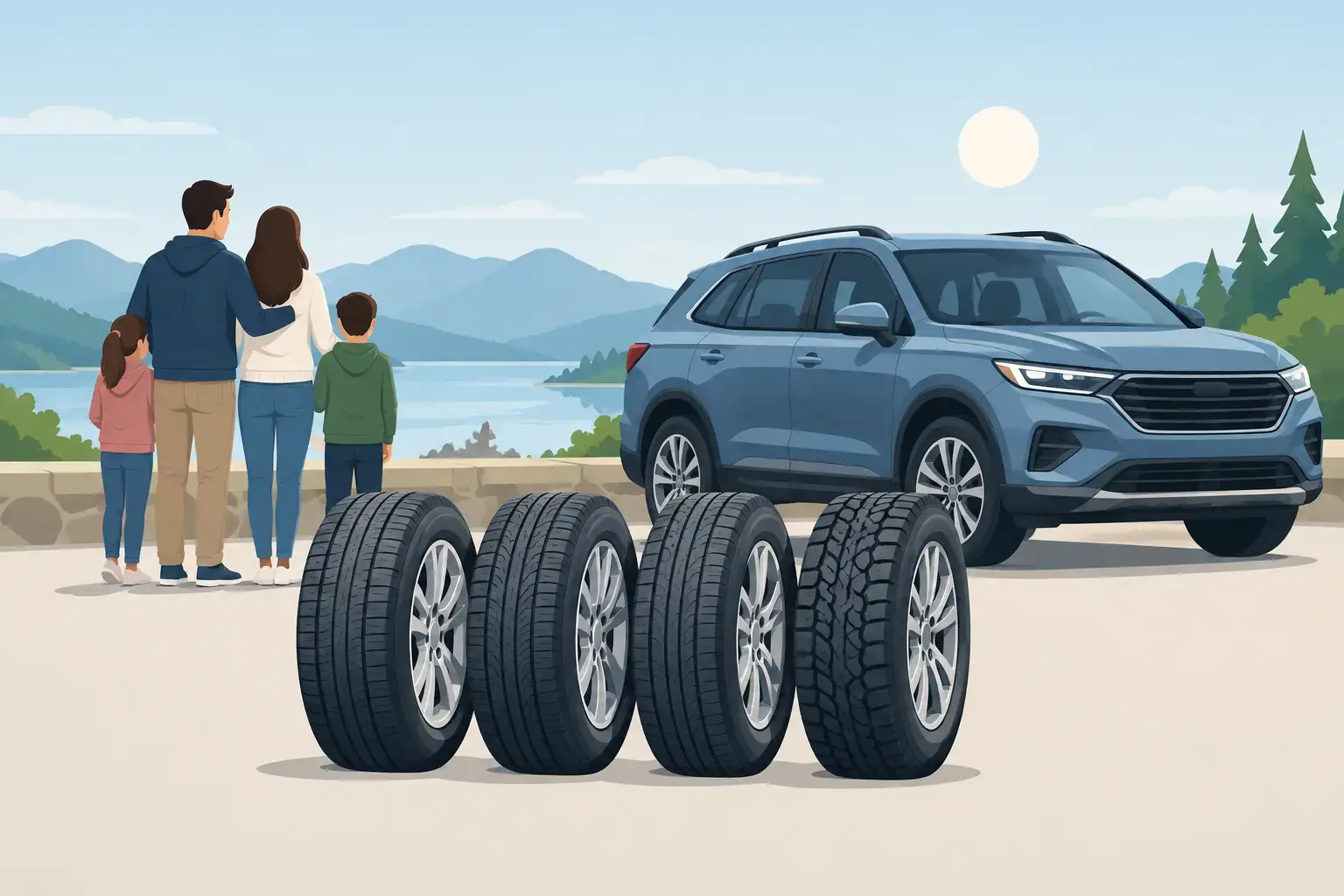
The best wheel package should be built around how your 4WD earns its keep. A daily-driven family SUV may need a comfortable, road-friendly alloy and all-terrain tire combination. A loaded touring vehicle may be better served by a strong, sensible-diameter wheel with readily available replacement tires. A work truck or hard-use trail vehicle may call for rated steel wheels and durable light-truck tires.
At Ryan Automotive and Tyres, a proper wheel choice can be checked alongside tire fitment, wheel balancing, alignment, suspension condition, and brake clearance in one visit. That is the practical way to avoid buying a setup that looks tough but creates issues on the road. Choose wheels that carry the load, clear the components, suit the tires, and give you confidence every time you turn off the pavement.