Wet Weather Tyre Picks for Safer Rainy Drives
The first heavy downpour is not the time to find out your tires are past their best. Wet weather tyre picks come down to more than choosing a familiar brand or the lowest price. The right tire needs to clear water effectively, suit the vehicle’s load and daily use, and work with brakes, suspension, and wheel alignment that are all doing their job.
For drivers who commute, carry the family, run a work vehicle, or take a 4WD beyond town, wet-road confidence starts with the contact patch. It is a small area of rubber, but it has a big job when standing water, oily intersections, painted lines, and worn road surfaces are involved.
What Makes a Tire Good in the Rain?
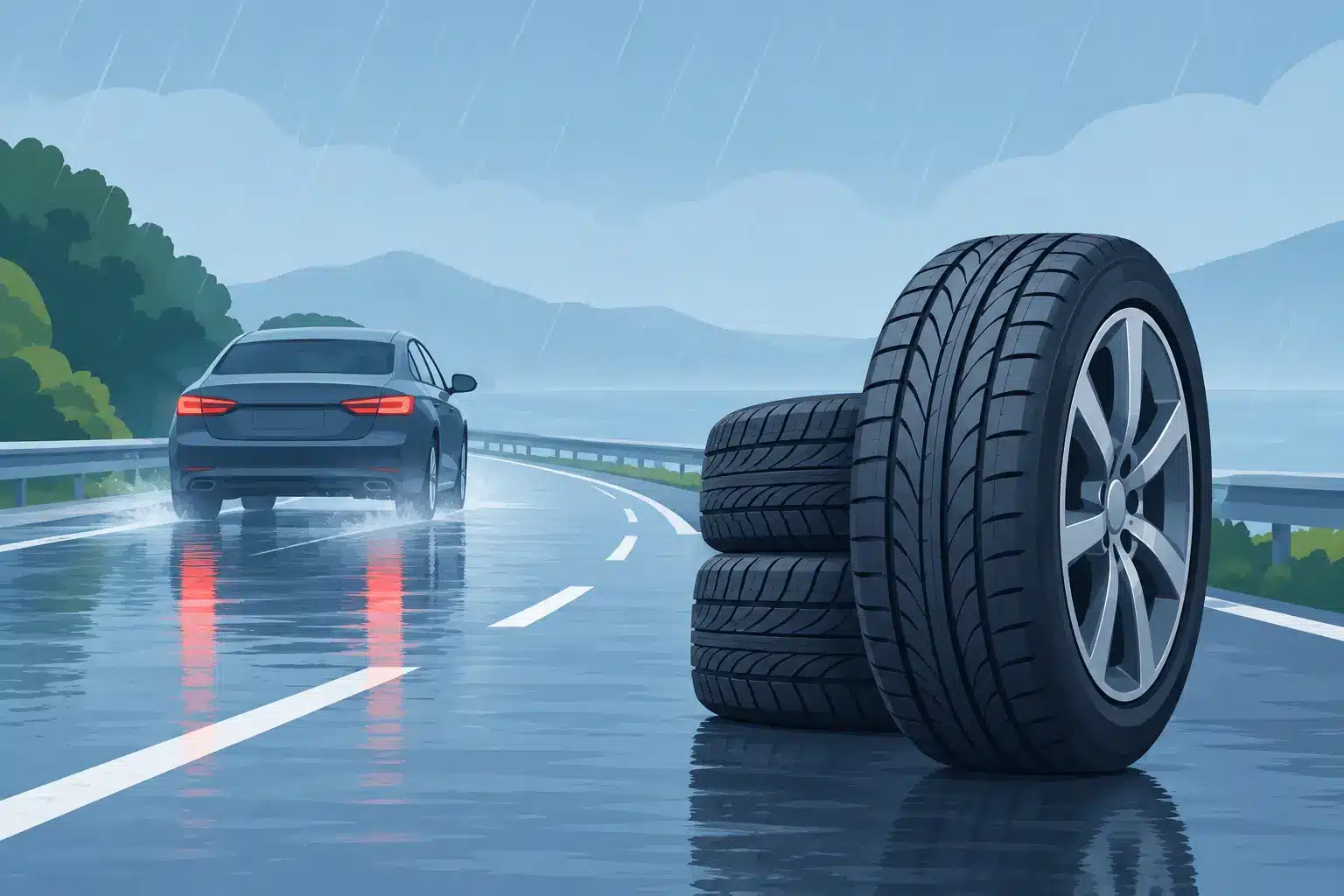
A wet-weather tire is designed to move water away from the tread so rubber can maintain contact with the road. Deep circumferential grooves, side channels, sipes, and the rubber compound all play a part. When those features are working properly, the tire is better able to resist hydroplaning and deliver more predictable steering and braking.
Hydroplaning happens when water builds up between the tire and the road faster than the tread can channel it away. The tire can begin to ride on the water rather than grip the pavement. It can occur at highway speed, but it also catches drivers out in pooled water at intersections, on rutted roads, or when a vehicle is heavily loaded.
No tire can make unsafe speed safe in heavy rain. A good wet-weather pattern gives you more control, but it still needs sensible driving: leave more following distance, slow down before standing water, and avoid sharp steering or braking inputs.
Tread Depth Is the Starting Point
Tread depth has a direct effect on wet performance. As grooves become shallow, there is less room for water to escape. A tire may still look usable from a distance, yet take longer to stop and feel less settled in the rain.
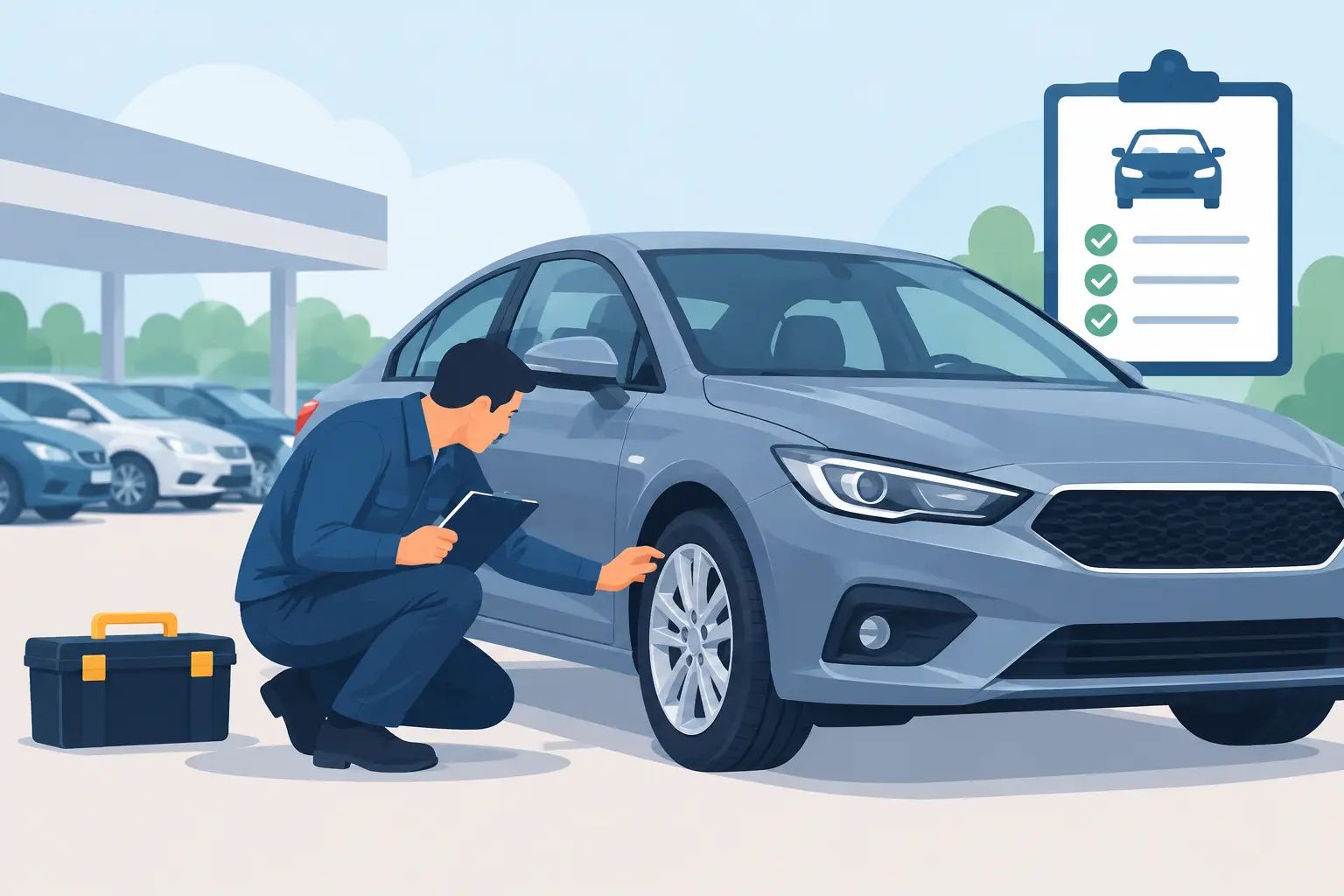
The legal minimum is not a target for safety. If wet grip is a priority, inspect tires well before they reach the wear bars. Look for uneven wear across the tread, cracking, cuts, embedded objects, or a tire that has become noticeably noisy or vague in the wet. These are good reasons to have the tires checked rather than waiting for a puncture or failed inspection.
Wet Weather Tyre Picks by Vehicle Use
The best choice depends on where and how the vehicle earns its keep. A quiet touring tire that suits a family SUV may not be the right answer for a loaded work truck, and an aggressive mud-terrain tire brings different compromises to a daily commuter.
Daily Drivers and Family Cars
For sedans, hatchbacks, and family SUVs that spend most of their time on paved roads, look for a quality highway or touring tire with strong wet braking performance. These patterns usually have multiple water channels and plenty of siping, while keeping road noise and fuel use reasonable.
This is often the most balanced option for everyday driving. You get dependable grip in rain, a comfortable ride, and tread life suited to regular commuting. Extremely sporty tires can offer sharp response, but they may wear faster or be less practical if the vehicle regularly carries passengers and luggage.
Stay with the manufacturer-approved tire size unless there is a clear reason to change it. A wider tire does not automatically mean better rain performance. On deep water, a wider contact patch can sometimes be more prone to hydroplaning if the tread design and vehicle setup are not suited to it.
Work Vehicles, Light Trucks, and Vans
Tradies and fleet operators need tires that can handle load, frequent stops, rough access roads, and long highway runs. Load rating matters as much as tread pattern. A tire that feels fine when the vehicle is empty may not be suitable when tools, stock, ladders, or a trailer are on board.
For mostly on-road work, highway-terrain or commercial light-truck tires are generally the sensible choice. They are built for durability and load capacity while offering water evacuation for wet pavement. Check the sidewall load index and pressure requirements for the actual work the vehicle does, not just occasional light use.
If the vehicle tows regularly, wet braking and tire condition deserve extra attention. A trailer adds momentum, and worn tires or incorrect pressures can make a wet-road stop far less controlled. Trailer tires should also be inspected for age and sidewall damage, even when their tread still looks healthy.
4WDs That See Road and Dirt
All-terrain tires are a popular middle ground for 4WD owners. A well-chosen all-terrain pattern can provide solid wet-road behavior while still handling gravel, tracks, and light off-road work. The trade-off is usually more noise and slightly less highway refinement than a road-focused tire.
Mud-terrain tires are built for loose, muddy ground, not for delivering the quietest or shortest-stopping daily highway experience. Their open tread helps clear mud, but drivers should understand that wet paved-road behavior varies widely between patterns. If the 4WD is mainly a family vehicle or commuter, choose based on the roads it sees most often rather than the most aggressive look.
Whatever pattern you run, correct pressure makes a real difference. Underinflation can make handling feel soft and raise heat, while overinflation can reduce the useful contact patch and make the ride harsher. Use the vehicle placard as the starting point for normal road driving, then seek advice for unusual loads or off-road use.
Do Not Ignore the Rest of the Vehicle
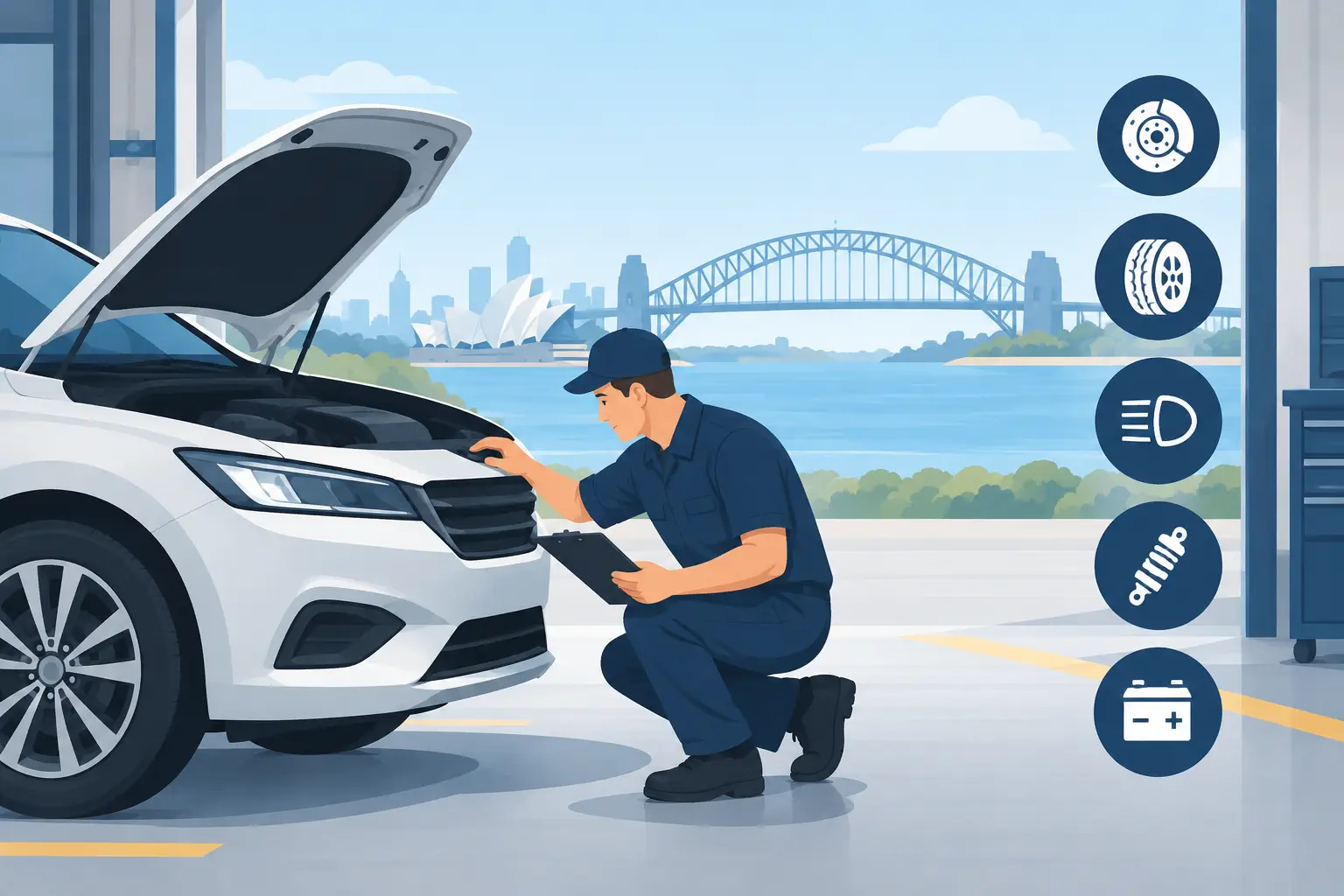
New tires cannot compensate for a vehicle that pulls to one side, has worn shocks, or has brake issues. Wet conditions expose these faults quickly. If the steering wheel is off-center, the vehicle wanders, or the tread is wearing more on one edge, schedule a wheel alignment inspection.
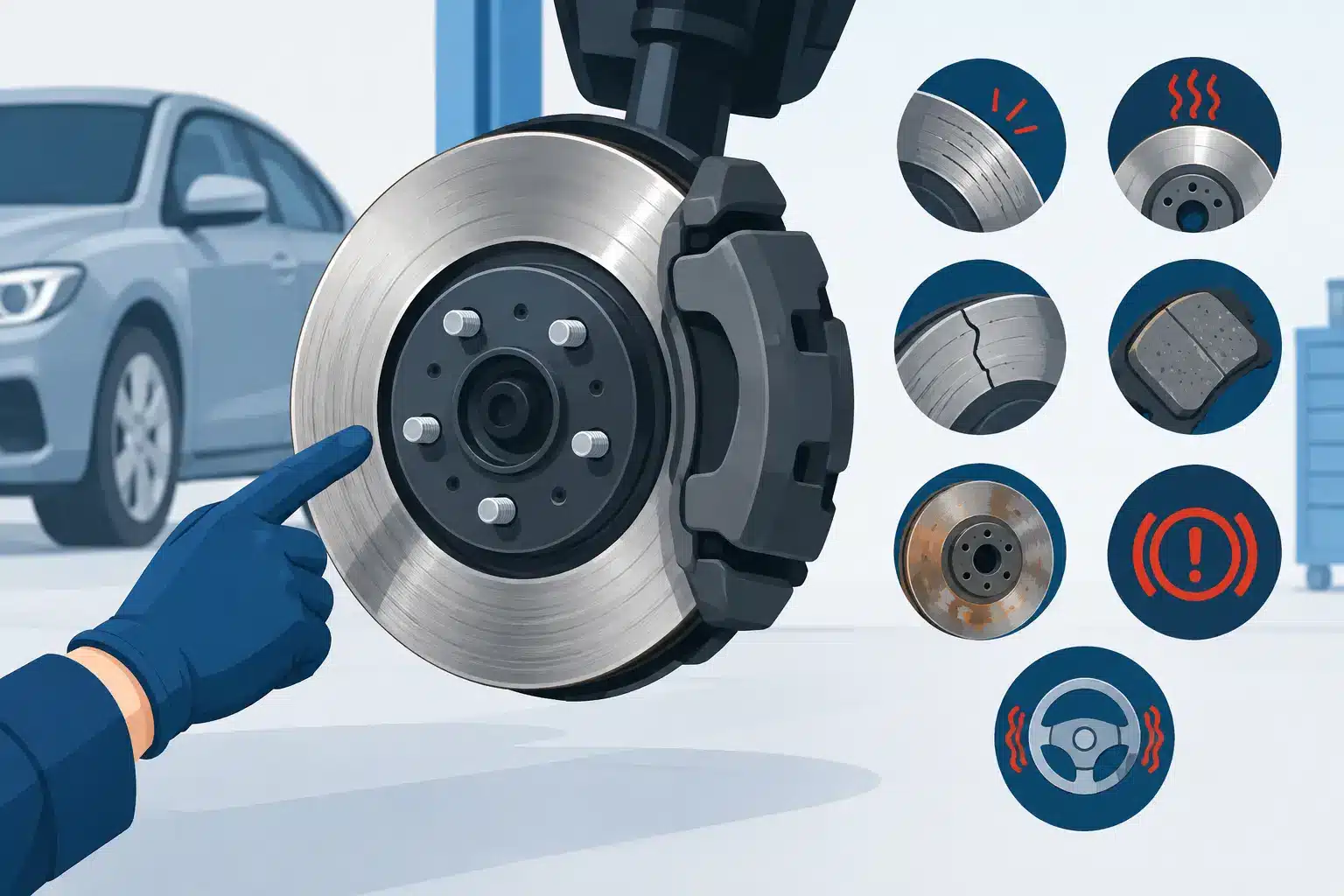
Suspension condition matters because shocks and struts help keep the tire planted on uneven roads. Worn components can allow excess bouncing, reducing the tire’s ability to maintain consistent grip. Brake pads, rotors, and fluid condition are just as relevant when extra stopping distance is needed.
A proper tire fitting should include wheel balancing and a check for damage to the wheel or valve. Small vibrations that are easy to ignore in dry conditions can become more tiring and less predictable when roads are wet.
A Practical Buying Checklist
Before choosing replacement tires, have the current size, load rating, speed rating, and vehicle use clear. Then consider these four questions:
- Does the vehicle spend most of its time on pavement, job sites, trails, or towing?
- Does the tire have a tread pattern designed to evacuate water, not simply look aggressive?
- Is the load rating right for passengers, work gear, or trailer use?
- Are alignment, balancing, brakes, and suspension in condition to support the new tires?
Price matters, but the cheapest tire is not always the affordable option if it wears quickly, rides poorly, or gives up confidence in heavy rain. On the other hand, the most expensive performance tire may be unnecessary for a vehicle used for school runs and local errands. The practical choice is the one that suits the vehicle, the driver, and the roads it travels every week.
When to Replace Rather Than Wait
Replace tires promptly if cords are visible, sidewalls are damaged, tread is at or near the wear indicators, or there is a bulge or repeated air loss. If the vehicle has mismatched tires across an axle, it is worth correcting that as well. Consistent tire behavior helps braking, cornering, and stability systems work as intended.
For all-wheel-drive and 4WD vehicles, large differences in tread depth between tires can also place extra strain on the drivetrain. Ask for advice before replacing only one tire, particularly if the others are already well worn.
At Ryan Automotive and Tyres, drivers can match the right tire type with wheel alignment, balancing, brake checks, and practical workshop advice in one visit. Before the next wet spell rolls through Kingswood or Penrith, give your tires an honest look. A little attention while the pavement is dry can make every rainy drive feel far more controlled.