Roadworthy Inspection Requirements NSW Explained
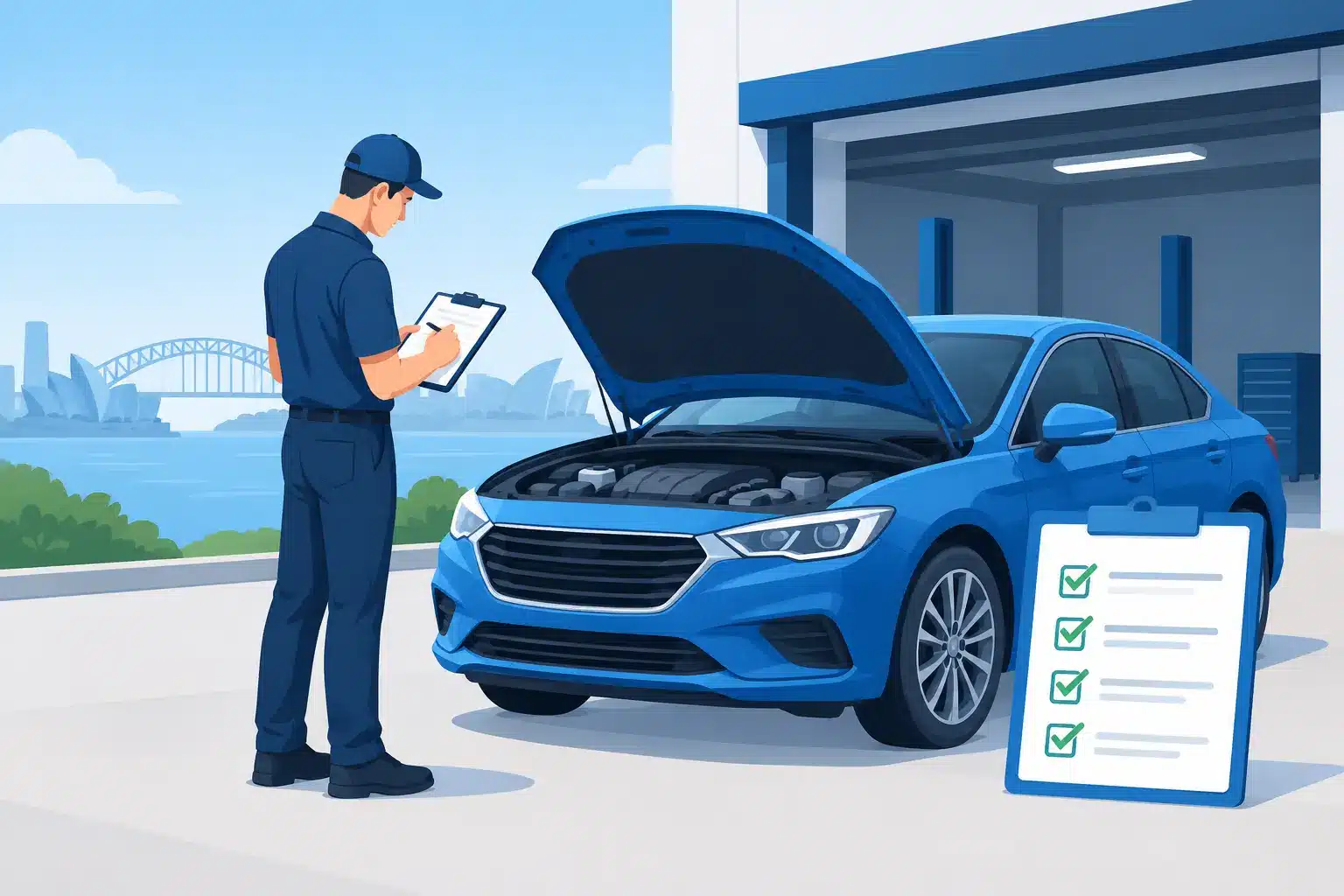
A registration renewal can come to a halt over something as ordinary as a worn tire, a blown brake light, or a windscreen wiper that leaves a smear in the driver’s view. Understanding roadworthy inspection requirements NSW drivers face helps you avoid that last-minute scramble and gives you a clearer picture of what your vehicle needs before it goes on the road.
In NSW, people often say they need a “roadworthy certificate,” but the actual inspection depends on the vehicle’s registration status, age, and reason for inspection. For most everyday drivers, that means an eSafety check, commonly called a pink slip. For an unregistered vehicle, a vehicle with registration issues, or one coming into NSW from another state, it may mean a more detailed blue slip inspection instead.
Roadworthy inspection requirements NSW drivers should know
A pink slip is an eSafety inspection used for many light vehicles that are five years old or older when registration is due for renewal. It checks whether the vehicle meets basic safety standards at the time of inspection. The result is submitted electronically, so there is usually no paper certificate to take away and present at renewal.
A blue slip is formally known as an Authorised Unregistered Vehicle Inspection. It is required in situations such as registering an unregistered vehicle, transferring a vehicle into NSW from interstate, or clearing certain registration-related problems. It is more comprehensive because the inspector must confirm the vehicle’s identity as well as its safety and compliance.
The key point is that a pink slip and a blue slip are not interchangeable. If you are unsure which one applies, check your registration notice and the status of the vehicle before booking. Getting the wrong inspection can waste time, particularly if the registration has already expired.
When a pink slip is usually needed
Most registered cars, utes, SUVs, light trucks, and motorcycles that are five years old or more need an annual eSafety inspection before their NSW registration can be renewed. Newer vehicles generally do not need the annual inspection until they reach that age.
A pink slip is designed to identify clear safety issues, not to replace a full service. A vehicle can pass a pink slip and still be due for engine oil, filters, spark plugs, transmission work, or other scheduled maintenance. On the other hand, regular servicing gives you the best chance of finding worn brakes, damaged suspension parts, or tire problems before inspection day.
The inspection report is generally valid for six months. That gives owners some room to organize their renewal, but it is still sensible to complete the check close enough to registration time that nothing is forgotten.
When you may need a blue slip
Blue slips are commonly needed when a vehicle has been unregistered for more than three months, has never been registered in NSW, or needs registration after being brought in from interstate. They can also be required after a defect notice or where transport authorities need further confirmation of a vehicle’s identity and compliance.
Because a blue slip includes identification checks, bring the relevant ownership and registration documents with you. The inspector may need to verify the VIN, engine number where applicable, and other vehicle details. A missing, altered, unreadable, or mismatched identification number can turn a straightforward booking into a longer process.
Blue slip reports have a shorter validity period than pink slips, typically 42 days. That means it pays to have insurance, proof of identity, and registration paperwork ready before the inspection is completed.
What gets checked in a NSW safety inspection?
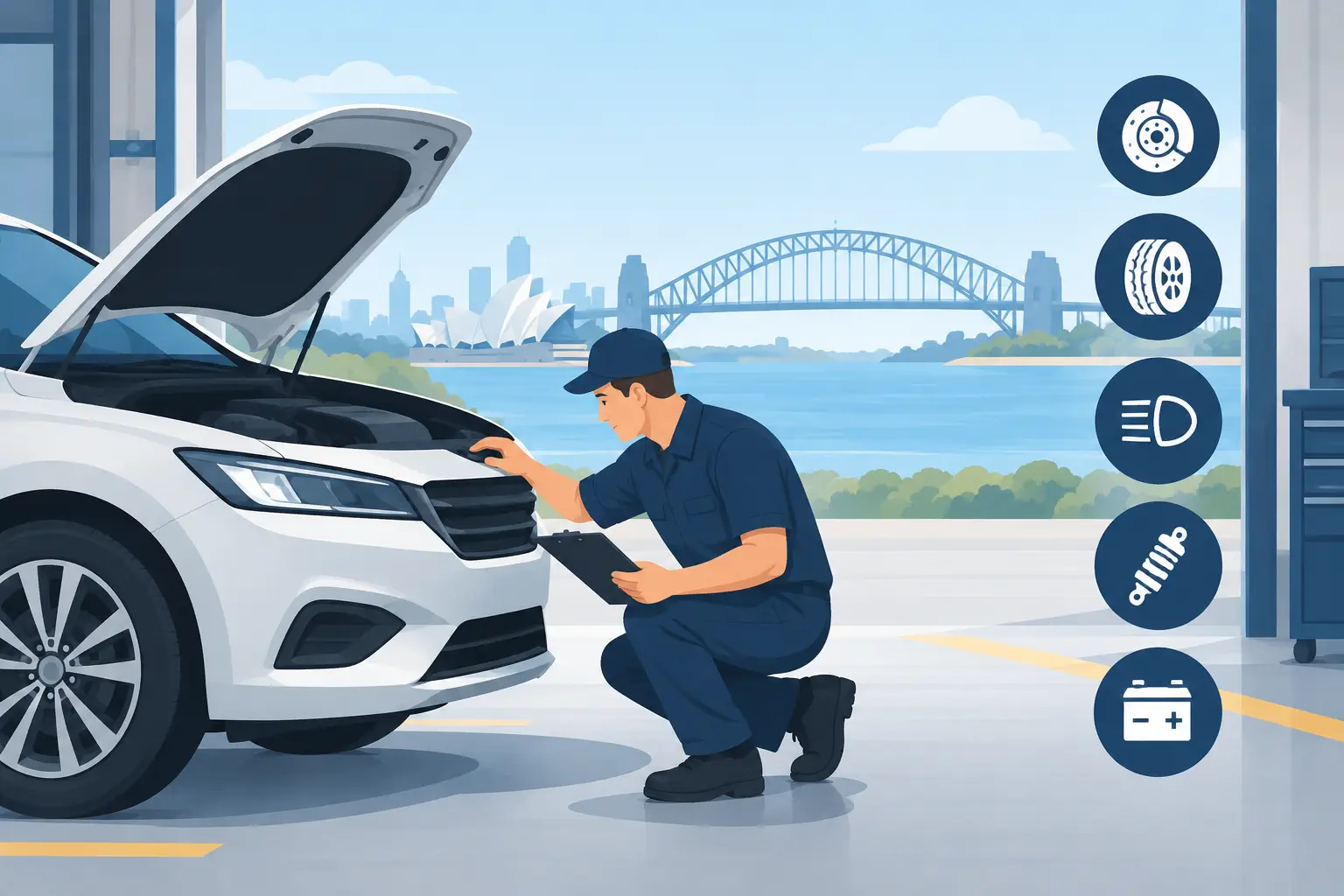
The inspection focuses on whether the vehicle is safe to operate on public roads. Inspectors look for faults that could affect control, visibility, braking, occupant protection, or the safety of other road users.
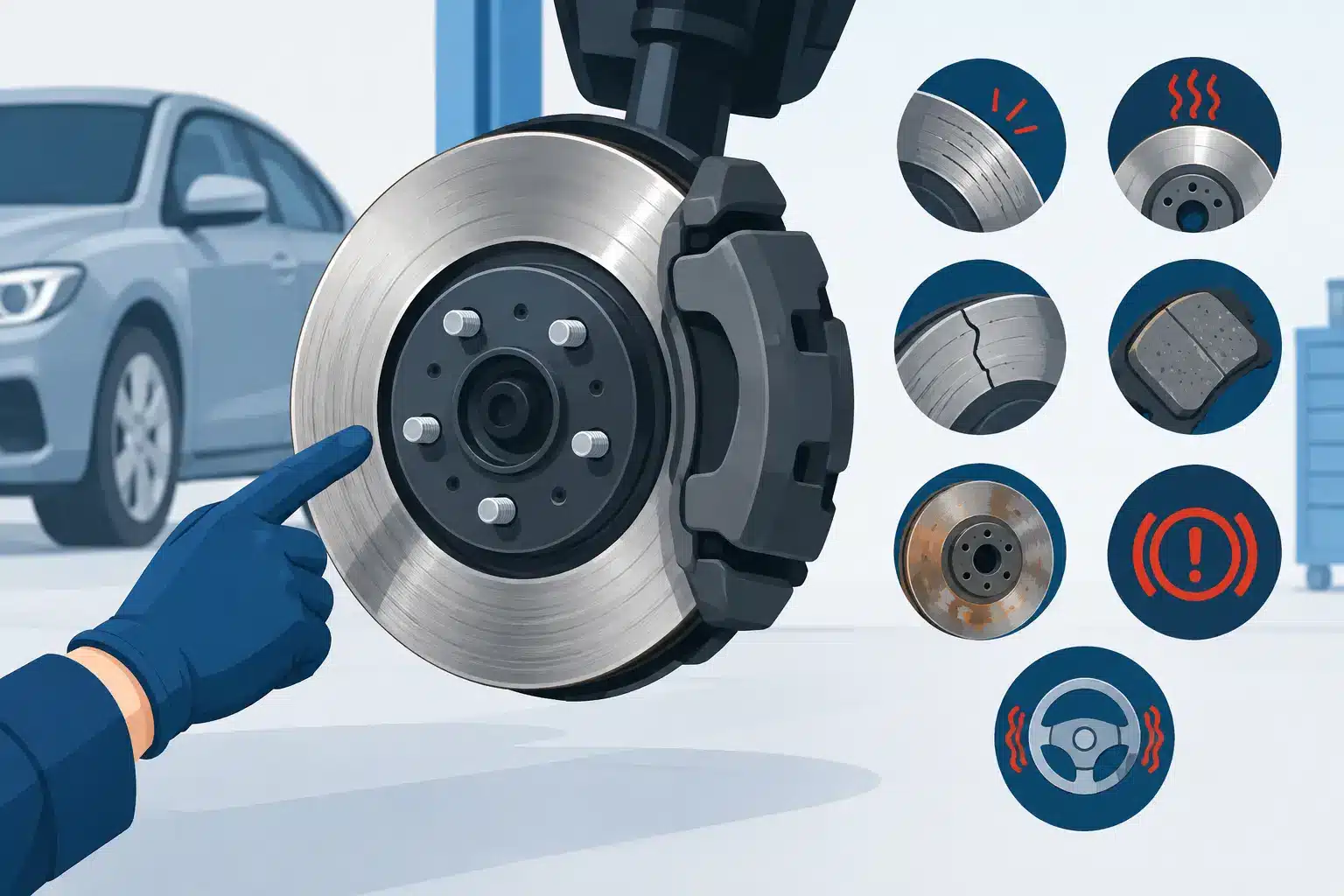
Brakes are a major part of the check. Brake pads, discs, drums, hoses, fluid leaks, parking brake operation, and braking performance all matter. A soft pedal, grinding noise, brake warning light, or vehicle that pulls to one side is worth fixing before the inspection rather than hoping it will pass.
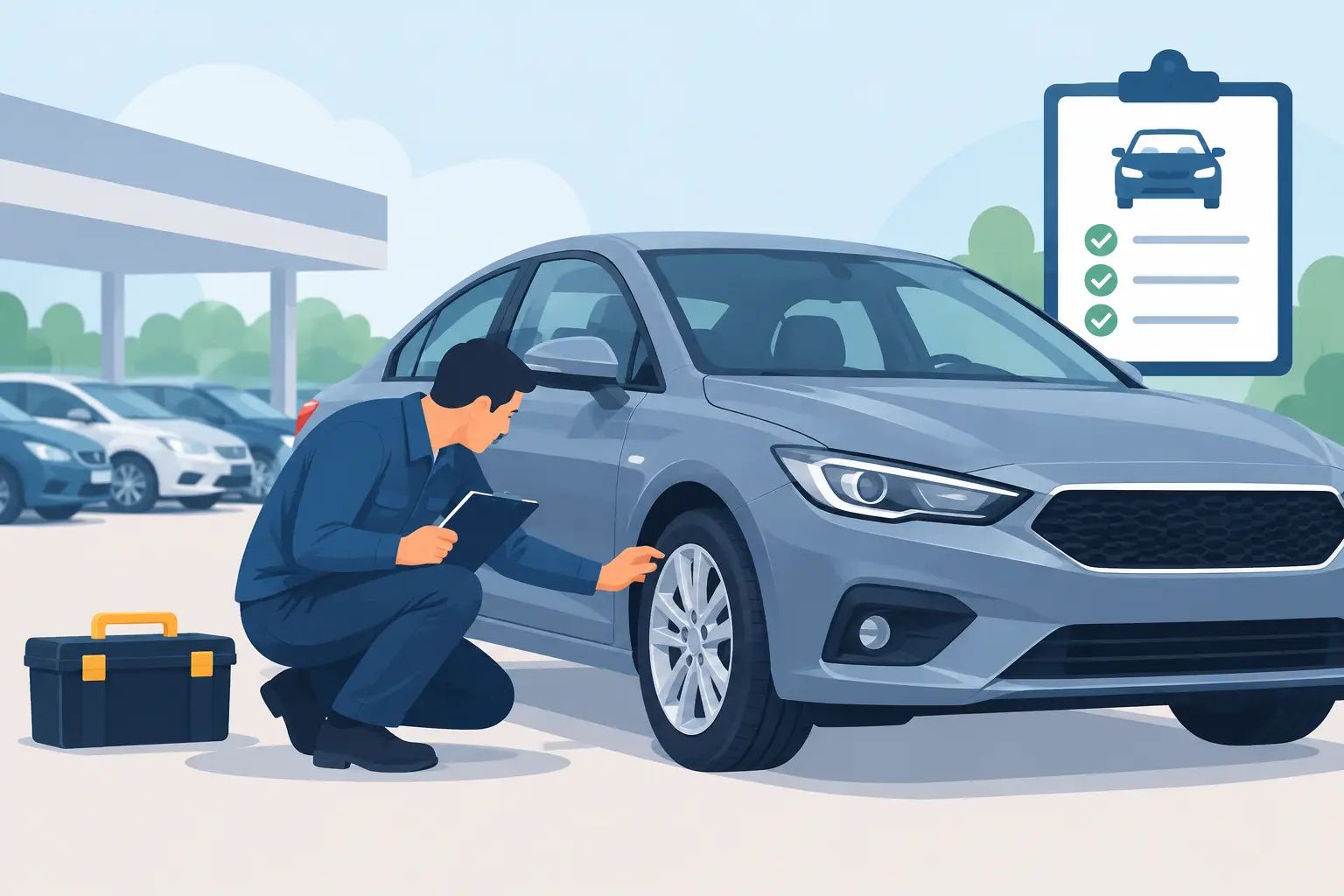
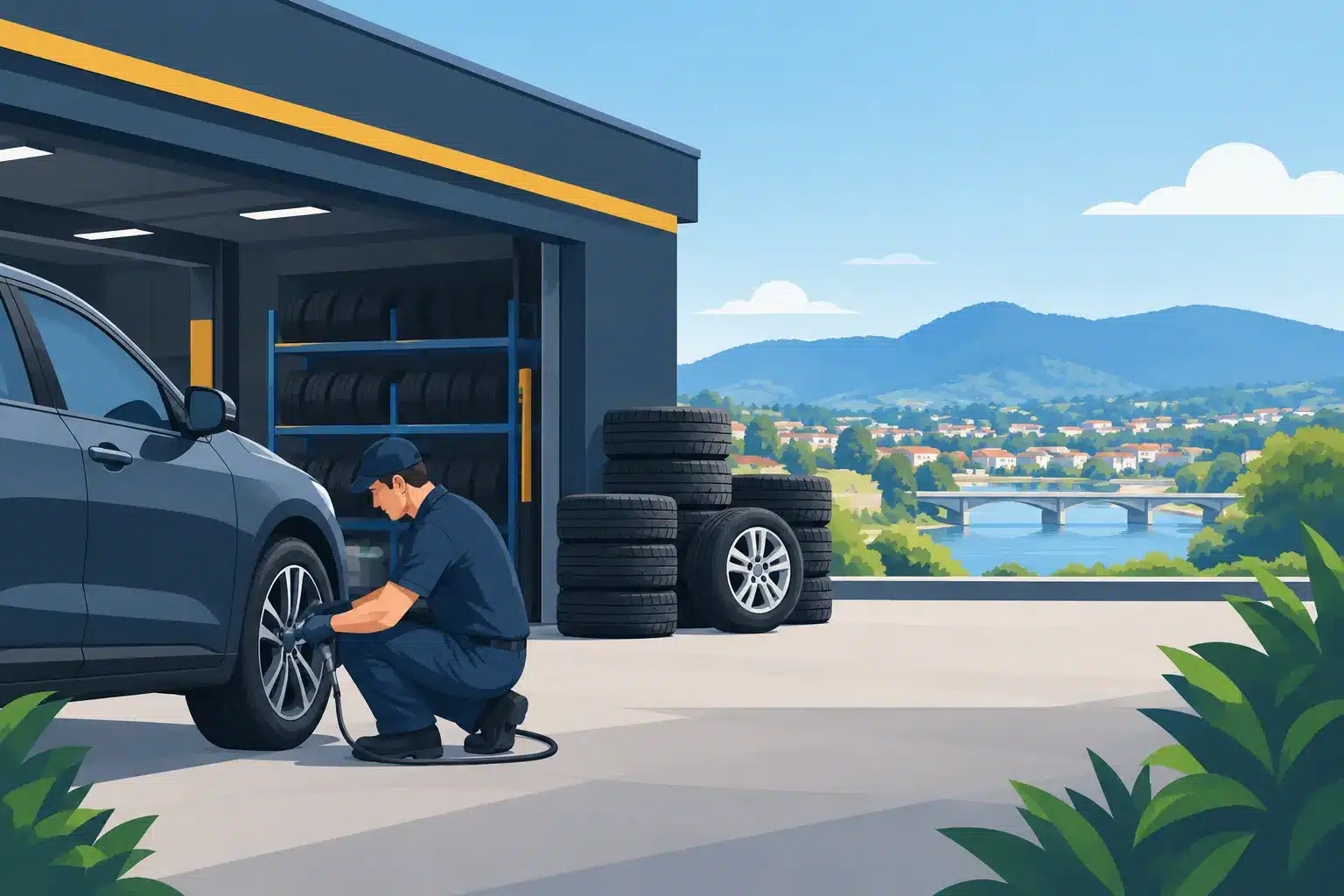
Tires and wheels also receive close attention. Tires need legal tread depth, no serious cuts or sidewall damage, and correct fitment for the vehicle. Uneven wear can point to alignment, suspension, or steering issues. For tradies, trailer owners, and 4WD drivers, it is also worth checking that load ratings, wheel sizes, and tire sizes suit the vehicle and remain compliant.
The inspection will also cover lights, indicators, reflectors, headlights, brake lights, and number plate lights. A simple bulb replacement can solve many failures, but cloudy headlight lenses, cracked lenses, poor wiring, or dashboard warning lights may need more work.
Steering and suspension components must be secure and in serviceable condition. Worn shocks, leaking struts, loose ball joints, damaged bushes, and excessive steering play can affect handling and can lead to a failed inspection. These faults are especially common on vehicles that tow regularly, carry tools, travel rough access roads, or have higher mileage.
Other areas include the windscreen and wipers, seat belts, horn, mirrors, doors, exhaust, body condition, and visible fluid leaks. The windscreen must give the driver a clear view, and seat belts must latch and retract properly. An excessively noisy or leaking exhaust, sharp body damage, or an engine oil leak that creates a safety concern can also cause problems.
Common reasons vehicles fail
Many failures are not dramatic mechanical breakdowns. They are maintenance jobs that have been left too long because the car still seems to drive normally. The most common trouble spots are worn tires, faulty lights, brake wear, damaged wipers, cracked windscreens, leaking suspension components, and warning lights on the dashboard.
Modified vehicles need extra care. Lifted 4WDs, aftermarket wheels, oversized tires, suspension changes, lighting upgrades, and exhaust modifications must meet NSW rules. A modification that improves off-road ability or appearance is not automatically legal for road use. If you have made changes, have them checked before your registration is due, especially if the vehicle has not been inspected since the work was completed.
A failed inspection is not the end of the process. The report identifies the items that need attention. Once repairs are completed, the vehicle can be presented for a reinspection. The practical choice is to deal with issues quickly while the inspection details are still current, rather than letting registration deadlines add pressure.
How to prepare before your booking
Take ten minutes to walk around the vehicle in daylight. Turn on the headlights, high beams, indicators, hazards, brake lights, and reverse lights. Check the horn, washer fluid, wipers, tire condition, and number plates. Clear clutter that could block access to seat belts or prevent the inspector from checking basic items.
Look at the dashboard when you start the vehicle. If the check engine, ABS, airbag, brake, or other warning light stays on, arrange diagnostics before the inspection. Warning lights are not always an automatic failure in every situation, but they should never be ignored. They can point to a fault that affects safety or emissions performance.
If the car has been pulling, vibrating, braking poorly, overheating, or making unusual noises, book a mechanical assessment first. Fixing the underlying problem is better value than paying for an inspection, failing, and then rushing repairs. This is particularly useful before a family trip, a busy work week, or a registration deadline.
For drivers around Kingswood and Penrith, a one-stop workshop can make the process easier. Ryan Automotive and Tyres can inspect the vehicle, identify safety concerns, and handle many common repairs such as brakes, suspension, batteries, tires, wheel alignment, and diagnostics in the same place.
Do not confuse an inspection with ongoing maintenance
A passing result means the vehicle met the relevant standards on the day it was checked. It does not guarantee that the battery will not fail next month, that a tire will not pick up a nail, or that a worn component will last until the next service.
Keep up with servicing, inspect tires regularly, and act early when a warning light or new noise appears. That approach reduces downtime, protects your registration schedule, and gives you more confidence every time you load up the family, the tools, or the trailer and head out on the road.