When to Replace Car Brake Discs: 7 Clear Signs
A brake pedal that suddenly feels different on the school run, a steering wheel that shudders at highway speed, or a grinding sound in traffic is not something to put off until the next service. Knowing when to replace car brake discs helps protect your vehicle, your passengers, and everyone sharing the road.
Brake discs, often called brake rotors in the United States, work with the brake pads to slow your vehicle. Every time you brake, the pads clamp onto the discs and create friction. That friction is necessary, but it gradually wears away material and generates a lot of heat. Over time, discs can become too thin, uneven, damaged, or heat-affected to do their job safely.
When to replace car brake discs
There is no single mileage rule that suits every vehicle. A commuter car driven mostly on open roads may get far more life from its discs than a family SUV doing short school runs, towing a trailer, or dealing with stop-start traffic every day. Driving habits, vehicle weight, brake pad material, and previous brake work all make a difference.
The reliable answer is to replace brake discs when they are below the manufacturer’s minimum thickness, damaged, badly worn, or unable to provide smooth, consistent braking. A professional brake inspection checks those measurements rather than relying on guesswork.
In many cases, discs are replaced with the brake pads. Fitting new pads onto deeply grooved, uneven, or worn-out discs can lead to noise, poor bedding-in, and reduced braking performance. It may seem cheaper to replace only the pads, but it can create another repair sooner than expected.
1. Your steering wheel or brake pedal shakes under braking
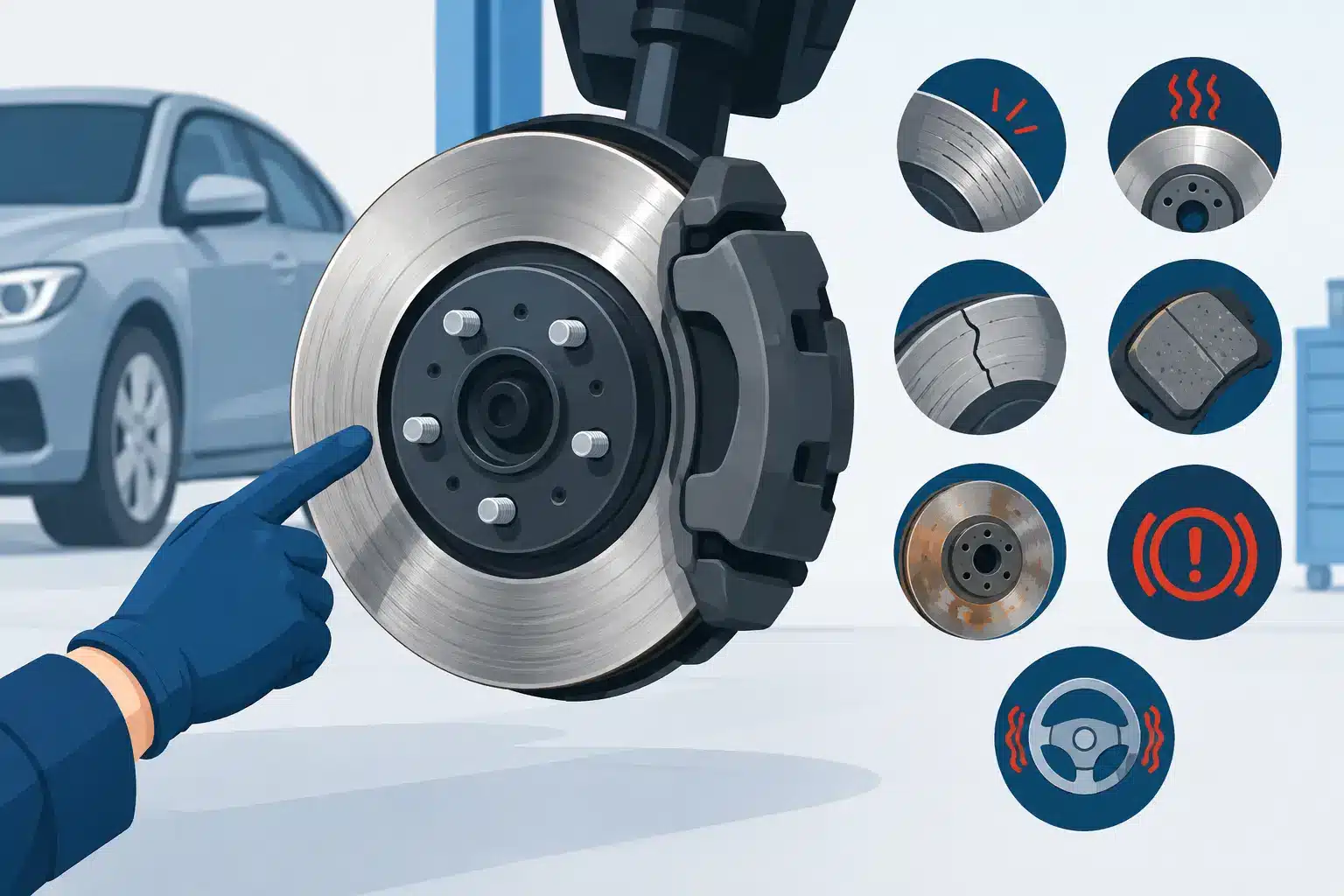
A vibration through the steering wheel when braking usually points to an issue at the front brakes. A pulsing brake pedal can indicate uneven disc thickness, disc runout, or another brake system fault. Drivers often call this “warped rotors,” although the real cause can be uneven wear, heat spotting, or deposits left on the disc surface.
The key point is simple: braking should feel controlled and smooth. If the vehicle shakes only when you press the brake pedal, book an inspection rather than waiting for the problem to get worse. Suspension or wheel issues can also cause vibrations, so the brake system should be checked as part of a proper diagnosis.
2. You hear grinding, scraping, or persistent squealing
A light squeal can sometimes come from moisture, dust, or certain pad compounds, particularly first thing in the morning. Persistent noise is different. A high-pitched squeal may be a wear indicator telling you the pads are low. A harsh grinding or metal-on-metal sound can mean the friction material has worn away and the pad backing is contacting the disc.
At that point, damage can happen quickly. What may have started as a pad replacement can turn into pads, discs, and possibly caliper repairs if the issue is ignored. Do not keep driving to see if the noise goes away. Get the brakes inspected as soon as possible.
3. The discs have deep grooves, cracks, or a heavy outer lip
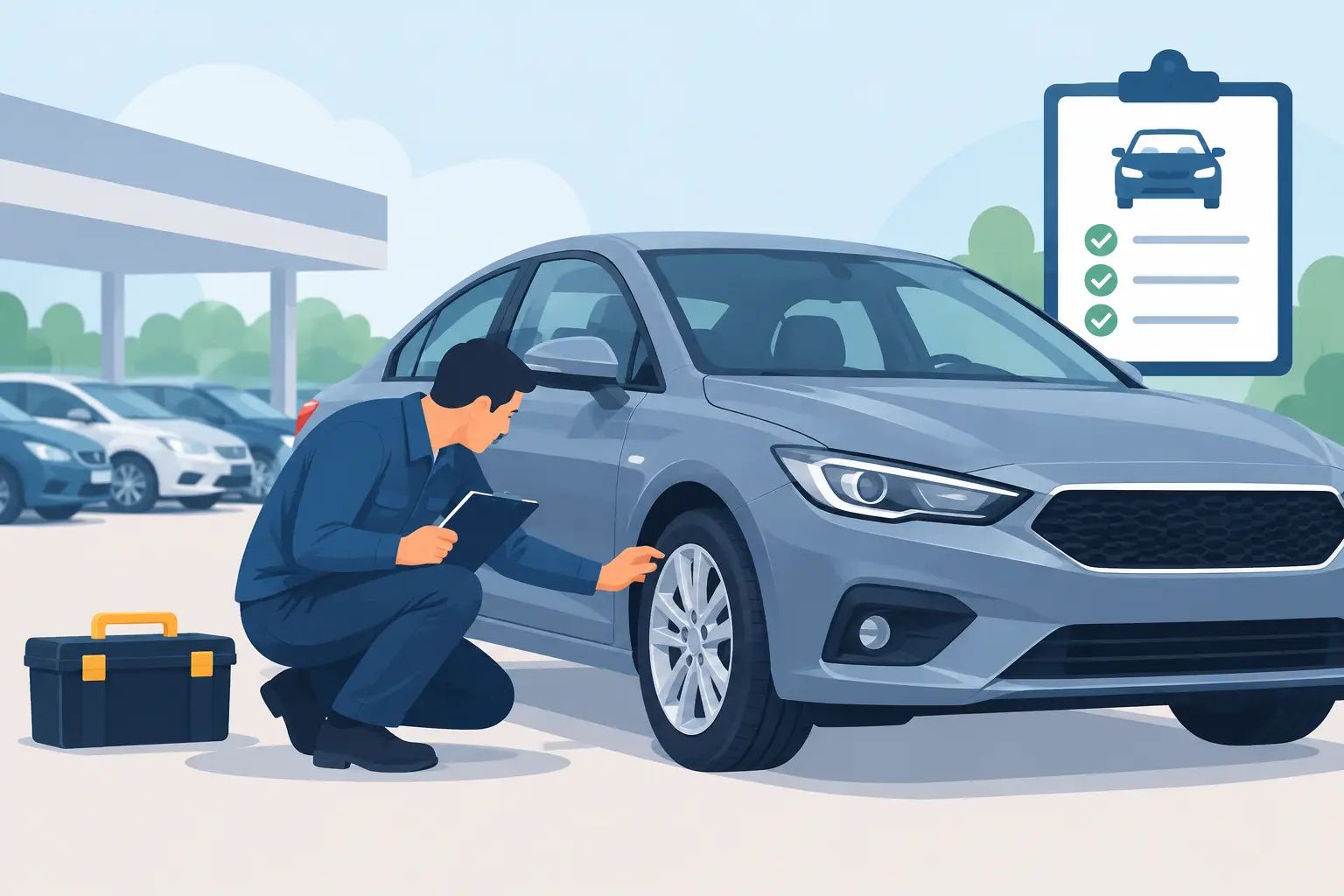
You may be able to see parts of the brake disc through the wheel spokes, but visual checks have limits. Light surface rust after rain or an overnight park is common and often clears after a few normal stops. Deep grooves, scoring, cracks, blue heat marks, or a pronounced lip around the edge are more concerning.
Grooves reduce the smooth contact area between pad and disc. Cracks and heat damage can affect the disc’s strength and its ability to manage heat. A raised outer lip is not automatically a replacement verdict, but it is a sign that the disc has worn and should be measured.
Do not touch the brakes immediately after driving. Brake components can stay hot enough to burn you, especially after towing, mountain driving, or repeated heavy stops.
4. The vehicle pulls, takes longer to stop, or feels unstable
A vehicle that pulls to one side under braking needs prompt attention. The cause may be a seized caliper, uneven pad wear, contaminated brake components, a hydraulic issue, or a tire and suspension problem. Worn discs may be part of the repair, but they are not always the only cause.
Likewise, if your vehicle needs more pedal pressure than normal or seems to take longer to stop, treat it as a safety concern. Brake performance depends on the full system: pads, discs, calipers, brake fluid, hoses, tires, and electronic safety systems all play a part. A workshop can identify the actual fault instead of replacing parts blindly.
5. Your brake pads are due and the discs are near their limit
Brake pads generally wear faster than discs, but disc condition should be checked every time pads are replaced. Each brake disc has a minimum thickness specification set by the vehicle manufacturer. This information may be stamped on the disc or listed in service data.
A technician uses a precision measuring tool to compare the disc thickness with that minimum limit. If the disc is too thin, it cannot absorb and shed heat as effectively. That increases the risk of brake fade, vibration, and further damage under heavy braking.
Some discs can be machined if there is enough material left and the surface condition allows it. However, machining is not always the best value. Modern discs are often designed with less excess material, and replacement can be the safer, more practical option once labor, parts, and remaining service life are considered.
6. You tow, carry heavy loads, or drive a work vehicle
Tradies, trailer operators, and drivers carrying tools or equipment place greater demands on the brakes. More weight means more energy must be controlled every time the vehicle slows down. Add steep roads, traffic, or frequent stops, and brake temperatures rise quickly.
That does not mean heavy vehicles automatically need discs at a particular mileage. It means they deserve more frequent inspections. The same applies to 4WDs used off-road, vehicles with larger wheel-and-tire packages, and cars that regularly haul a caravan or trailer. Brake wear should be assessed based on how the vehicle is actually used.
7. A brake warning light comes on or brake fluid is low
A brake warning light should never be ignored. It may relate to the parking brake, brake fluid level, electronic brake systems, or another issue requiring diagnosis. Low brake fluid can occur as pads wear, but it can also signal a leak. Adding fluid without identifying the reason may mask a serious fault.
Brake discs themselves do not usually trigger a dashboard light, but worn pads and related brake faults often appear together. If a warning light is on, or the pedal feels soft or sinks toward the floor, avoid unnecessary driving and arrange professional help.
What a proper brake disc inspection should include
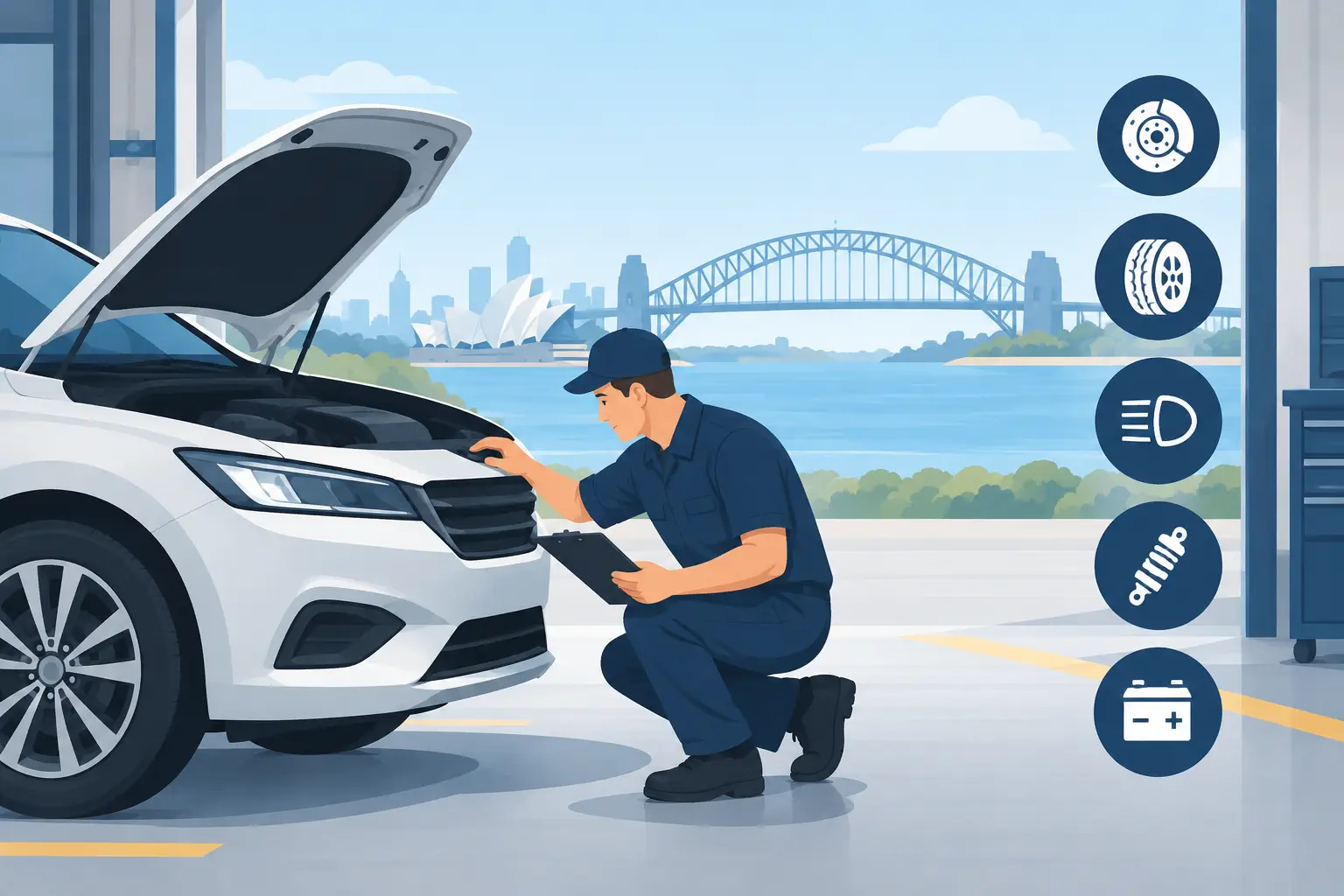
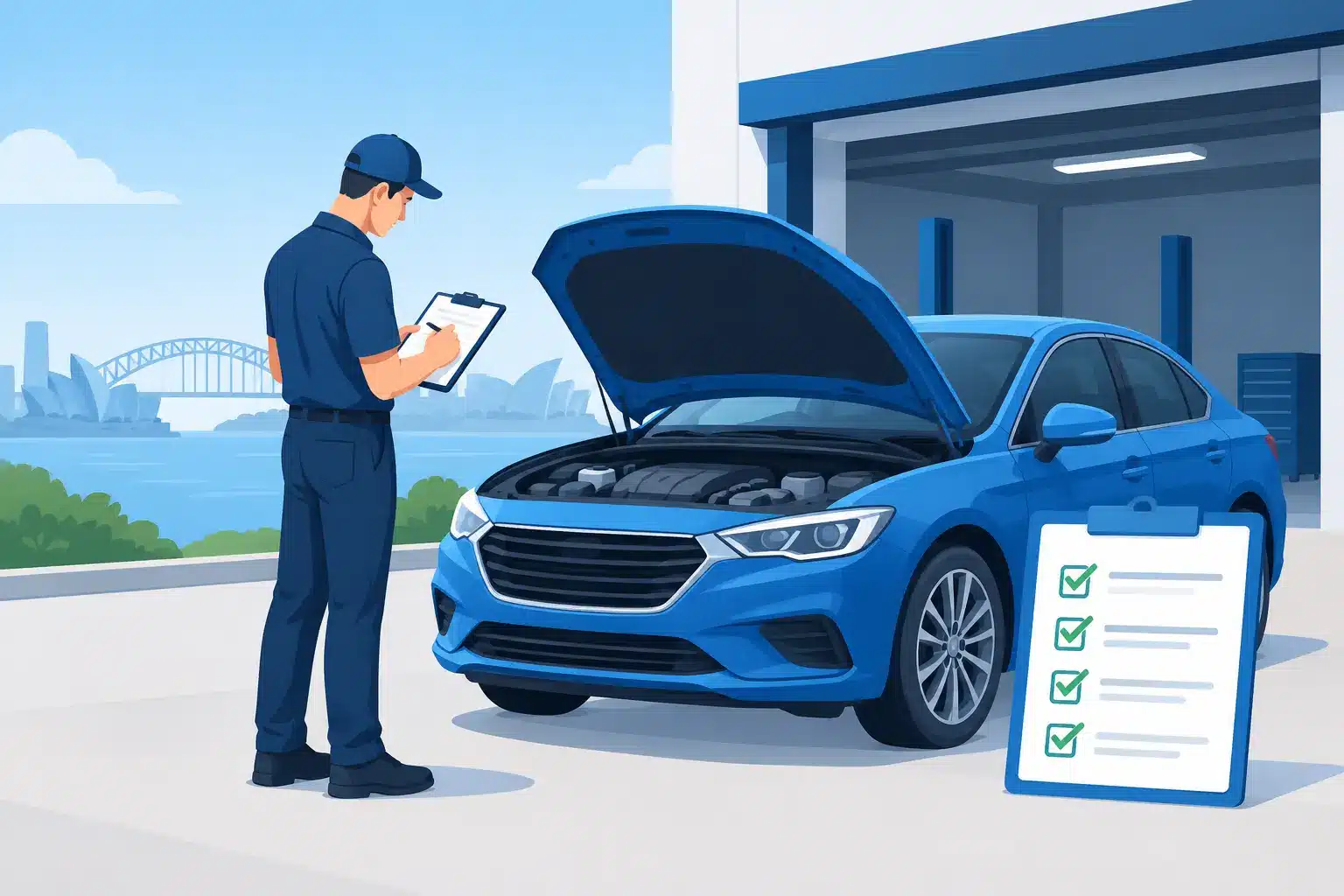
A worthwhile inspection looks beyond whether the discs “look okay.” The technician should check disc thickness and condition, pad thickness and wear pattern, caliper operation, brake hoses, fluid condition, and signs of leaks. They should also assess whether the vehicle pulls, vibrates, or has uneven tire wear that could affect braking feel.
Front and rear brakes do not always wear at the same rate. Front brakes commonly do more of the stopping work, but rear discs can wear heavily too, particularly on modern vehicles with electronic brake distribution and stability systems. Replacing only the worn axle may be correct, but the full system still needs inspection.
Do not wait for the noise to become obvious
Brake disc wear often develops gradually, which makes it easy to miss. By the time grinding, severe vibration, or poor stopping performance appears, the repair may be more involved. Regular servicing gives you the best chance to catch brake wear while the solution is straightforward.
If your brakes feel rough, sound unusual, or simply have not been checked for a while, bring the vehicle in for a proper inspection. Ryan Automotive and Tyres can assess pads, discs, tires, and related components in one visit, helping keep your car ready for the next commute, workday, or family trip.