Car Servicing Schedule Guide for Safer Driving
A missed service rarely causes trouble on the day it is missed. The problems usually show up later: a flat battery before work, worn brake pads that damage the rotors, an overheating engine, or tires that wear out long before they should. This car servicing schedule guide helps you stay ahead of those costly surprises with a practical plan based on time, mileage, and how you use your vehicle.
For most drivers, the owner’s manual is the starting point. It lists the manufacturer’s service intervals and the required work to protect warranty coverage. But a schedule on paper cannot account for every real-world condition. Short trips, stop-start traffic, heavy loads, dusty roads, towing, and extreme heat can all mean your vehicle needs attention sooner.
Car Servicing Schedule Guide: Time and Mileage Matter
Service intervals are normally measured by whichever comes first: time or mileage. If your vehicle is due every 12 months or 10,000 kilometers, it needs servicing at 12 months even if you have only driven 4,000 kilometers. Engine oil can deteriorate with age, moisture can build up during short drives, and rubber parts do not wait for the odometer to climb.
A sensible general schedule looks like this, but always follow the specifications for your make and model.
| Interval | Typical service items | |—|—| | Every month | Check tire pressure, tire condition, lights, fluid levels, and warning lights | | Every 6 months or 5,000-10,000 km | Oil and filter check or replacement as required, tire rotation, brake and battery inspection | | Every 12 months or 10,000-15,000 km | Logbook or general service, comprehensive safety inspection, fluid checks, and wheel alignment assessment | | Every 2 years | Brake fluid testing or replacement where specified, coolant condition check, cabin filter inspection | | Every 40,000-100,000 km | Spark plugs, transmission fluid, coolant, drive belts, and other major items depending on the vehicle |
The range is wide because vehicles are different. A late-model petrol sedan, a diesel work ute, a hybrid, and a 4WD that spends weekends on trails do not have identical needs. The best schedule combines the manufacturer’s requirements with an honest look at your driving conditions.
If You Mainly Drive Short Trips
A car used for school drop-offs, local shopping, or short commutes may need more frequent oil attention than one that gets regular highway runs. On short trips, the engine may not fully warm up, allowing moisture and contaminants to remain in the oil. The battery also has less time to recharge after starting the vehicle.
This does not automatically mean a major service every few months. It means the vehicle should be inspected regularly, with oil condition, battery health, brakes, and tire wear checked before small issues become expensive repairs.
If You Tow, Carry Tools, or Drive a Work Vehicle
Tradies, trailer owners, and drivers carrying heavy equipment place more load on brakes, suspension, tires, transmission components, and the cooling system. Towing can also increase engine and gearbox temperatures, especially in traffic or on steep grades.
For these vehicles, it is worth discussing a severe-use service plan with your mechanic. Extra inspections can be cheaper than losing a workday to a breakdown. Pay close attention to trailer tires, wheel bearings, lights, brake controllers, and the condition of the tow hitch as well.
What Should Be Checked at Each Service?
A proper service is more than draining oil and fitting a filter. The exact checklist varies by service type, but it should focus on the systems that affect safety, reliability, and long-term running costs.
Engine oil and filters are central because clean oil protects moving engine parts. The workshop should also inspect for leaks, check coolant levels and condition, examine belts and hoses, and scan for warning codes where needed. A warning light may not mean immediate engine failure, but ignoring it removes the chance to fix the fault early.
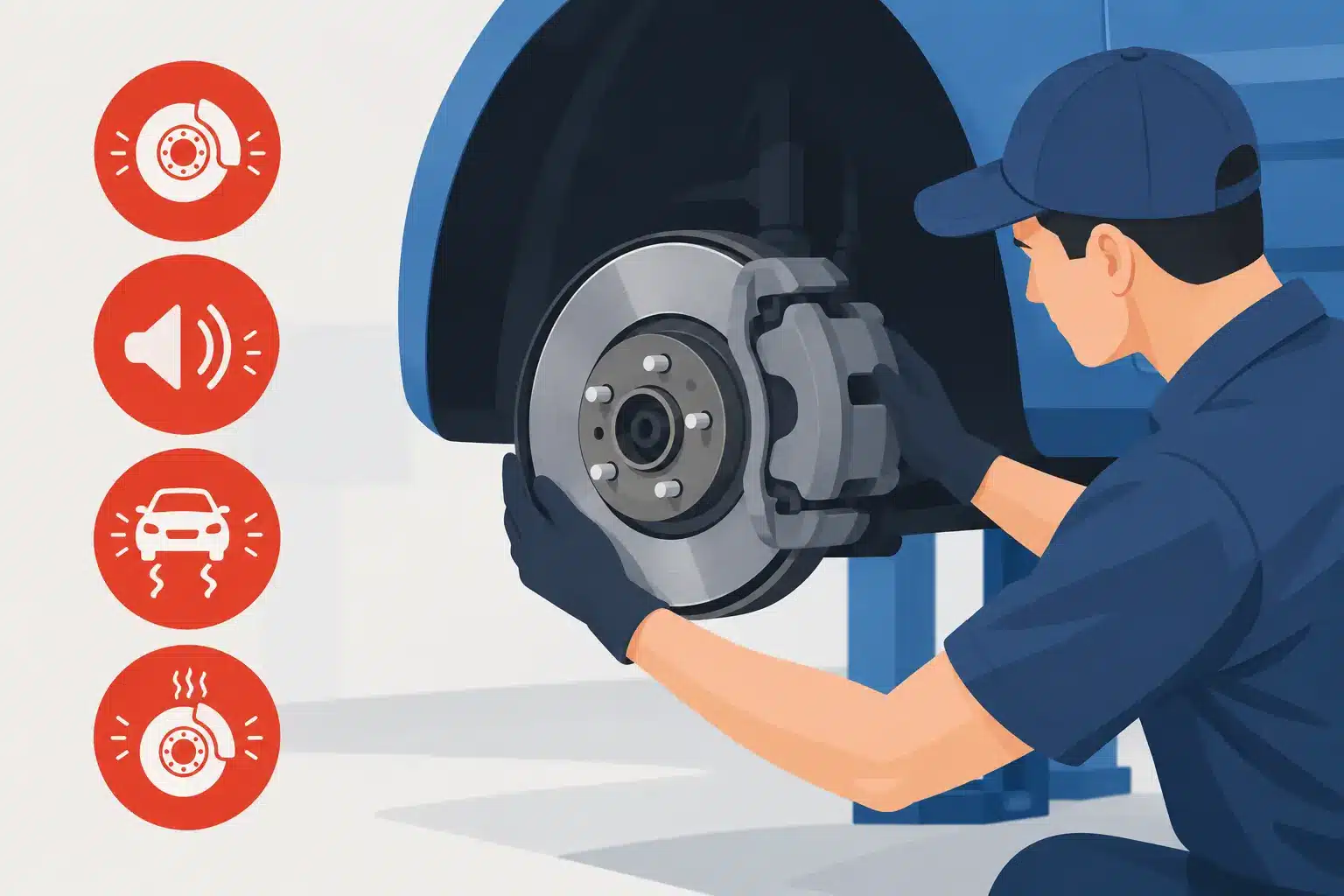
Brakes deserve close attention at every service. Pad thickness, rotor condition, brake fluid, brake hoses, and any noises or vibration should be assessed. A squeal can be a wear indicator, but grinding, pulling to one side, a soft pedal, or a brake warning light should be checked straight away rather than waiting for the next scheduled service.
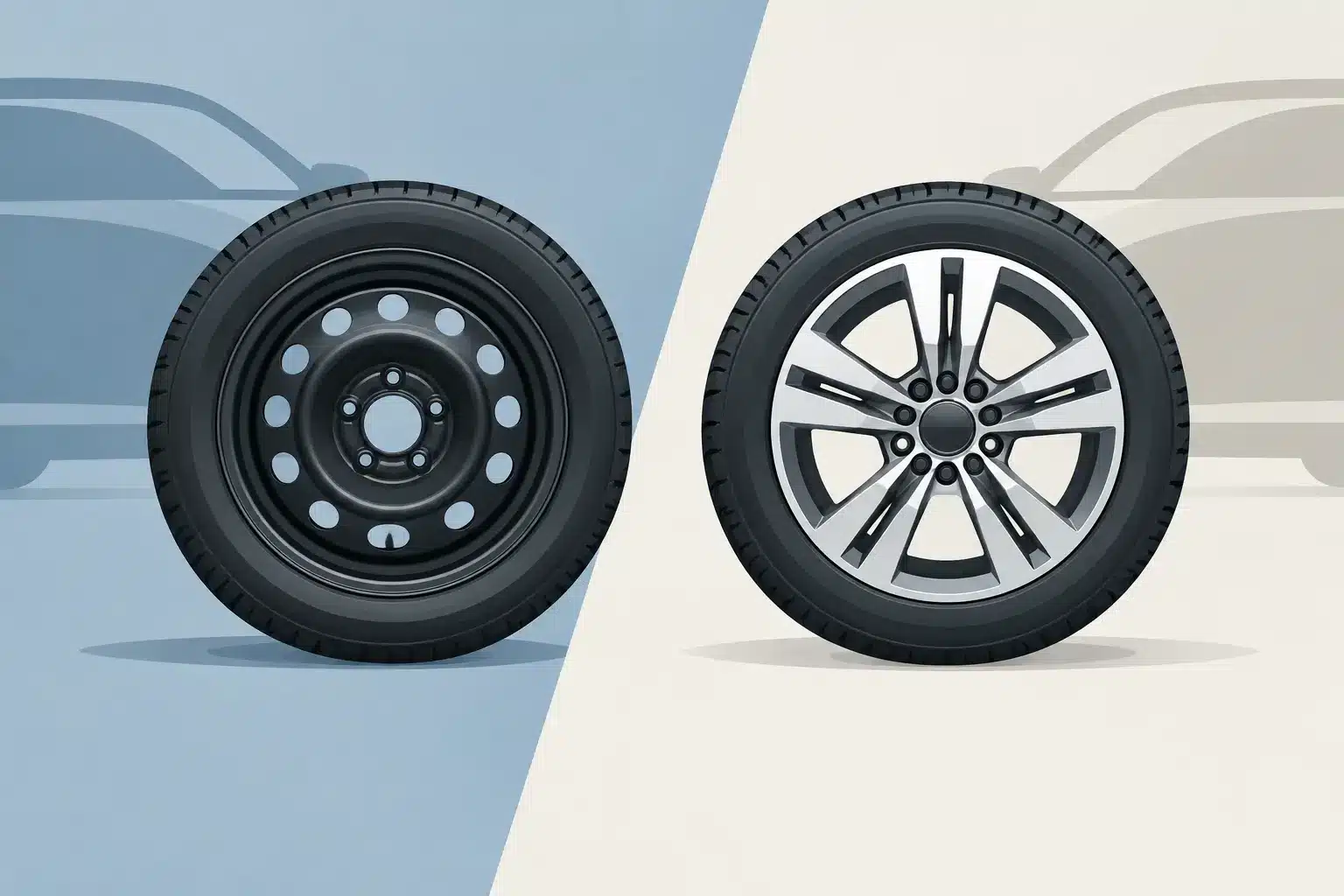
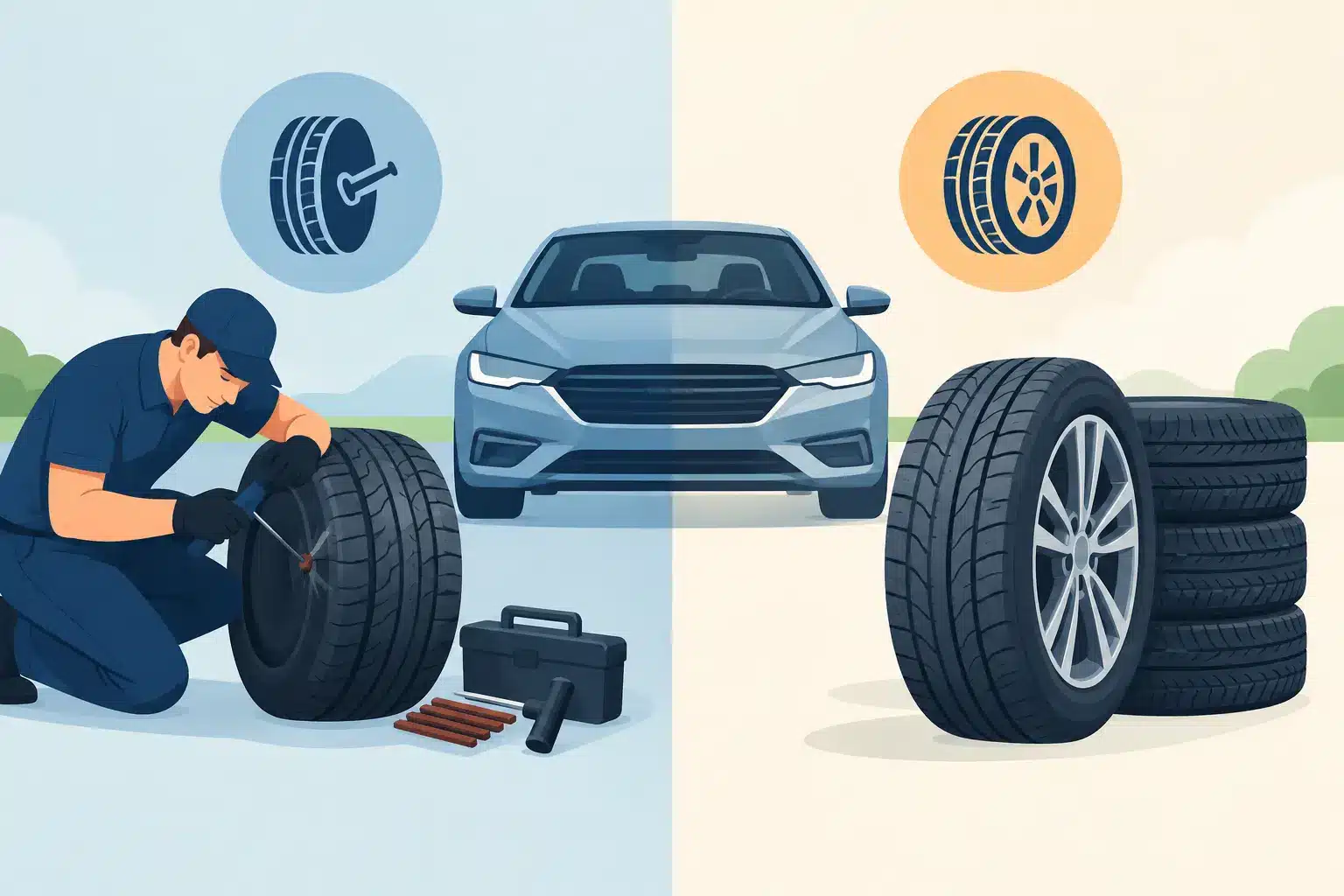
Tires are just as important as mechanical servicing. Check pressures when the tires are cold, including the spare where fitted. Uneven wear on the inner or outer edge can point to an alignment, suspension, or steering issue. Rotating tires can extend tread life, although some staggered wheel setups and directional tires have limits on where they can be moved.
A battery test is quick and useful, particularly before winter or a long trip. Batteries can weaken without obvious symptoms, then fail when the vehicle needs the most starting power. Corroded terminals, slow cranking, and repeated electrical glitches are all worth investigating.
Do Not Wait for the Scheduled Service If These Signs Appear
A schedule is a preventative tool, not permission to ignore a problem until the next date in the calendar. Arrange an inspection sooner if you notice new noises, vibration, fluid leaks, smoke, poor fuel economy, overheating, difficult starting, steering changes, or warning lights.
Some faults are urgent. Stop driving and seek advice if the engine temperature rises into the danger zone, the oil pressure light comes on, the brake pedal suddenly feels different, or you smell fuel or burning. Continuing to drive may turn a manageable repair into major engine, brake, or electrical damage.
It is also smart to book in before a long road trip, especially if the vehicle is due for a service soon. A pre-trip check of tires, brakes, fluids, battery, lights, wipers, and cooling system gives you a better chance of arriving without an unplanned roadside stop.
Keeping Your Service History Useful
Keep invoices and service records together, whether that is in the owner’s manual folder or saved digitally. A clear history helps prove maintenance has been completed, supports resale value, and gives a mechanic useful context when diagnosing a fault.
Write down anything you notice between visits. For example, note when a rattle happens, whether it occurs when braking or turning, and if it is worse when the engine is cold. These details can save diagnostic time and help pinpoint intermittent problems that may not show up during a quick test drive.
For newer vehicles, ask whether the service will follow the manufacturer’s logbook requirements and whether the service reminder will be reset. For older vehicles, focus on a maintenance plan that suits its condition and usage rather than spending money on work that is not yet needed.
One Workshop Makes Routine Maintenance Easier
The biggest challenge with servicing is usually not knowing what needs to be done. It is finding time to do it before an issue becomes urgent. A one-stop workshop can handle scheduled servicing alongside tires, wheel balancing, alignment, batteries, brakes, diagnostics, and roadworthiness-related inspections, so you are not booking several different providers for one vehicle.
For drivers around Kingswood and Penrith, Ryan Automotive and Tyres can help match servicing to the way you actually drive, whether that is a family car, work ute, truck, trailer, or weekend 4WD. Being open seven days also makes it easier to deal with routine maintenance without putting it off for another month.
Put your next service date in the calendar now, then treat any new warning light, noise, leak, or handling change as a reason to act earlier. A vehicle that is serviced before it demands attention is usually safer, cheaper to run, and far less likely to disrupt your week.