Best Tyre Shops Penrith Drivers Can Rely On
A tyre problem rarely arrives at a convenient time. It might be a warning light before the school run, worn tread before a wet weekend, or a puncture that puts a work vehicle off the road. When comparing the best tyre shops Penrith drivers can use, the right choice is not simply the shop with the lowest advertised tyre price. It is the workshop that fits the correct tyres, checks the vehicle properly, and helps keep you moving without sending you to three different businesses.
For family cars, work utes, trailers, light trucks, and 4WDs, tyres are a safety item first. They affect braking distance, steering response, fuel use, load carrying, and how confidently your vehicle handles wet roads. A good local tyre shop should make the process clear, practical, and suited to how you actually use the vehicle.
What the Best Tyre Shops in Penrith Get Right
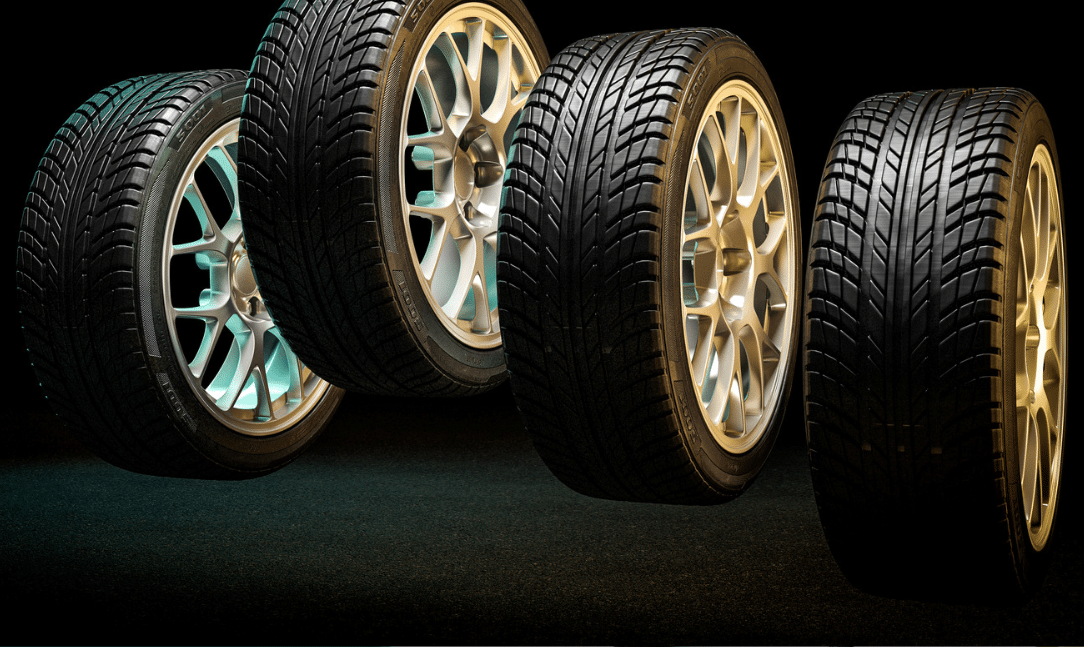
The best tyre shops in Penrith start with the basics: correct size, suitable load rating, appropriate speed rating, and a tread pattern that matches the job. A commuter car that spends most of its life on local roads needs something different from a loaded tradie ute, a caravan tow vehicle, or a 4WD that regularly sees dirt, mud, and uneven tracks.
Price matters, and it should. But a cheap tyre that wears quickly, rides poorly, or is not rated for the vehicle’s load can cost more over time. A reliable shop will explain the practical difference between value, mid-range, and premium options without pushing you toward the most expensive choice.
Just as important is fitment. The tyre needs to be mounted correctly, balanced accurately, and inflated to suit the vehicle and load. If uneven wear is already visible, fitting new tyres without checking alignment or suspension can lead to the same problem returning far too soon.
The Right Tyre Depends on the Vehicle’s Work
There is no single “best” tyre brand or tread pattern for every driver. The better question is: what does your vehicle need to do each week?
A daily driver may benefit from a quiet road tyre with strong wet-weather grip and good mileage. A family SUV may need a durable all-terrain option if it handles highway driving, sporting fields, camping trips, and occasional gravel roads. Light trucks and work vans need tyres that can safely manage regular loads, while trailers require tyres built for their specific load and speed requirements.
For 4WD owners, the choice often comes down to the balance between road comfort and off-road grip. All-terrain tyres are a sensible middle ground for many drivers. Mud-terrain tyres offer more grip in difficult conditions, but they can be noisier on the road and may wear differently during daily driving. A practical tyre shop will discuss those trade-offs before fitting a set.
A Tyre Shop Should Do More Than Fit Tyres
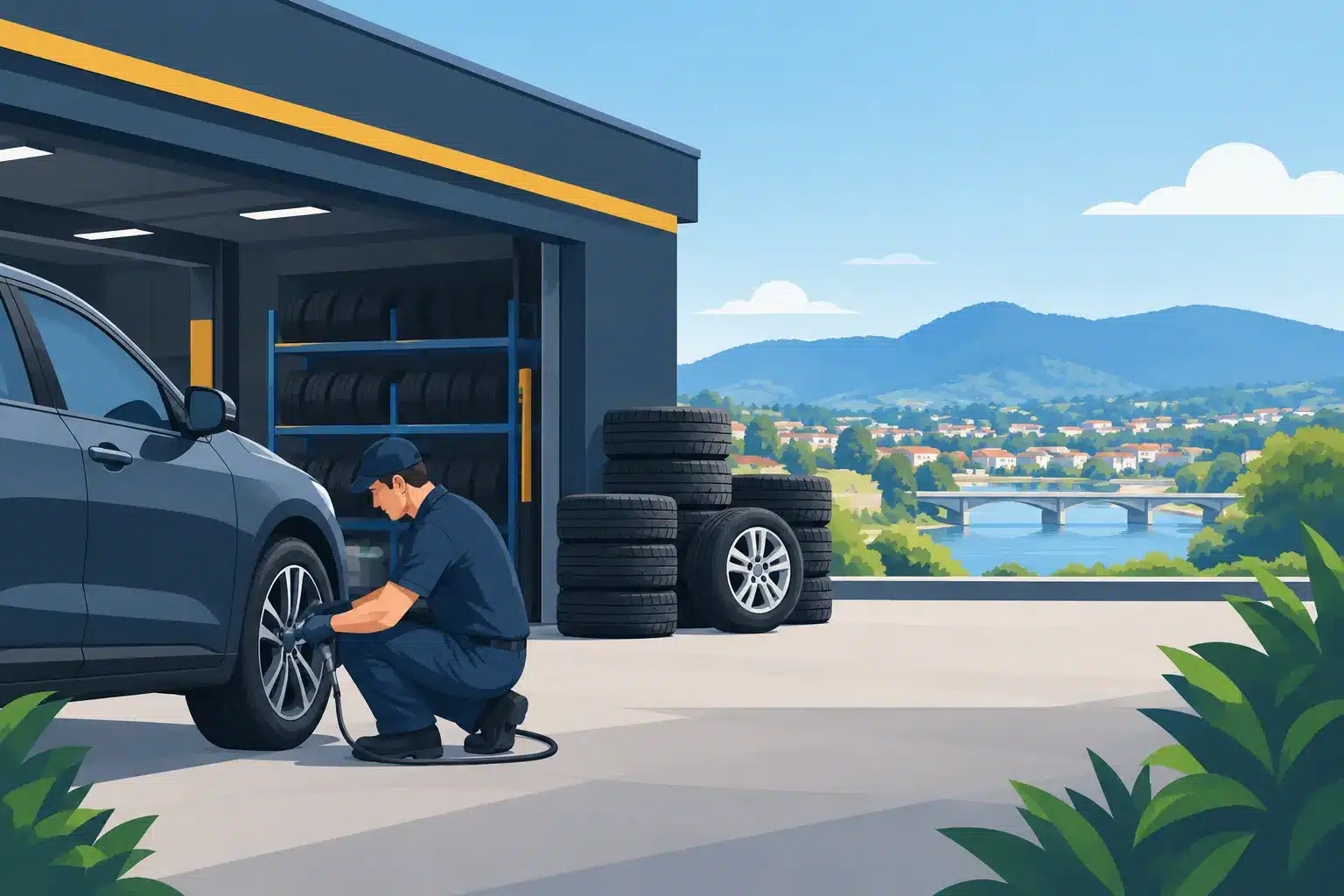
A new set of tyres can only perform as well as the vehicle underneath them. That is why one-stop service matters. If the steering wheel pulls to one side, the vehicle vibrates at speed, or the inside edge of a tyre is wearing down, there may be more going on than the tyres alone.
Wheel alignment is essential after fitting new tyres when wear patterns or handling point to an issue. Proper alignment helps the vehicle track straight and can protect your investment by reducing uneven tread wear. Wheel balancing is equally important. It helps prevent vibration through the steering wheel and supports a smoother, more comfortable drive.
Suspension components, steering parts, brakes, and wheel bearings can also affect tyre wear and road safety. A workshop that can inspect and repair these systems on site saves time and avoids the hassle of booking separate providers. For drivers with busy schedules, that convenience is not a luxury. It keeps a small vehicle issue from turning into lost work time or a larger repair bill.
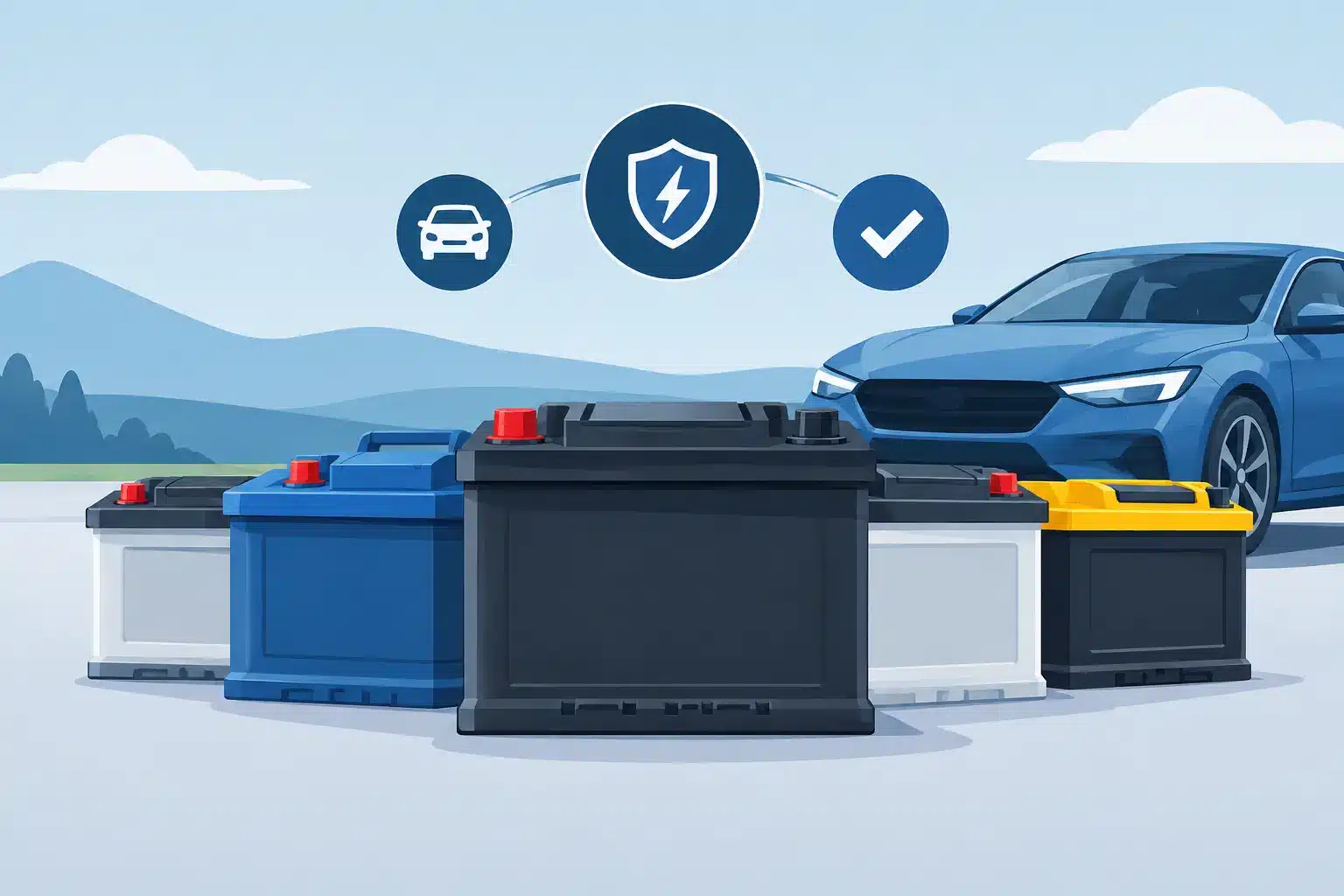
Ryan Automotive and Tyres provides this kind of practical support by combining tyre and wheel sales with mechanical repairs, servicing, alignment, balancing, batteries, diagnostics, and registration-related inspections in one workshop.
Warning Signs You Should Not Ignore
Tyres do not always fail suddenly. Most give drivers a warning first. Pay attention if your car starts pulling left or right, feels unstable in rain, develops a steering vibration, or takes longer to stop. Cracks in the sidewall, bulges, exposed cords, nails, repeated pressure loss, and tread worn close to the legal limit all deserve prompt attention.
Uneven wear is particularly useful information. Wear on one edge can point to alignment or suspension concerns. Cupped or scalloped tread may indicate worn suspension components or wheel balance issues. Center wear can happen when tyres are consistently overinflated, while wear on both outer shoulders can be linked to underinflation. A proper inspection identifies the cause rather than just replacing the evidence.
Comparing Price Without Missing the Real Cost
When comparing tyre quotes, make sure you are comparing like for like. The advertised price may not include fitting, balancing, valve replacement, disposal of old tyres, or alignment checks. Ask what is included, what tyre specification is being quoted, and whether the recommended option suits your vehicle’s load and driving conditions.
A clear quote should also make sense in the context of tyre life. A lower upfront price can be the right decision for a vehicle doing limited local travel. On the other hand, drivers covering high weekly mileage may be better served by a tyre with longer wear, stronger wet grip, or better fuel efficiency. It depends on the vehicle, the roads it travels, and how long you plan to keep it.
For work vehicles, downtime has its own cost. If a ute, van, or trailer cannot safely go on the road, the missed jobs can quickly outweigh a small difference in tyre price. Access to a shop open seven days can make a real difference when a tyre issue cannot wait until Monday.
Wheels, Tyres, and Fitment Need to Work Together
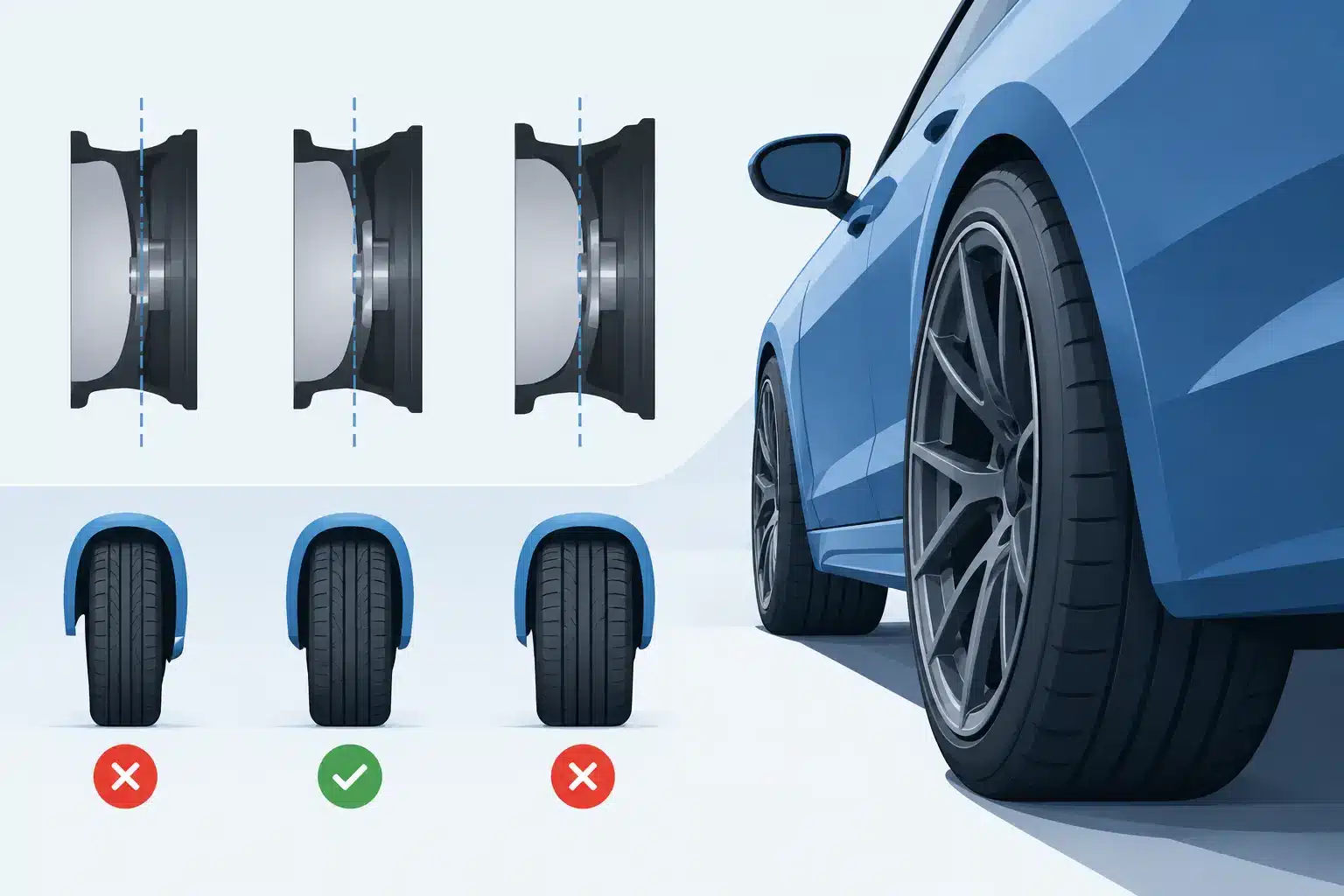
Changing wheels can improve the look and capability of a vehicle, but fitment needs to be handled carefully. Wheel diameter, width, offset, stud pattern, center bore, tyre profile, and load rating all need to suit the vehicle. The wrong combination can cause rubbing, poor handling, incorrect speedometer readings, or clearance issues under load.
This is especially relevant for 4WDs, performance vehicles, and drivers looking at wheel-and-tyre packages. A package can be a practical way to upgrade, but it should be selected for legal fitment, safe clearance, and the way the vehicle is used. A shop with experience across steel wheels, aftermarket wheels, passenger tyres, mud tyres, trailer tyres, and light-truck tyres can help avoid expensive mistakes.
Questions Worth Asking Before You Book
Before committing to a tyre shop, ask whether they can inspect the reason for the tyre wear, not just replace the tyres. Confirm whether fitting and balancing are included in the quote, and whether wheel alignment is available if needed. If you drive a work vehicle or tow regularly, ask about load ratings and suitable tyre choices rather than relying on appearance alone.
It is also worth asking about appointment availability, turnaround time, and what happens if another issue is found during the inspection. Straight answers matter. You should know what needs immediate attention, what can be monitored, and what each repair is likely to involve.
For many local drivers, the best option is a workshop that can handle the entire job: tyres, wheels, alignment, mechanical checks, and the repairs needed to keep the vehicle safe. That means fewer bookings, less running around, and a clearer picture of your vehicle’s condition.
Your tyres are the only part of the vehicle that meets the road. If they are worn, damaged, incorrectly fitted, or wearing unevenly, book an inspection before the next long drive, heavy load, or stretch of wet weather makes a manageable issue more serious.