What Your Tyre Wear Pattern Reveals About Your Car’s Health
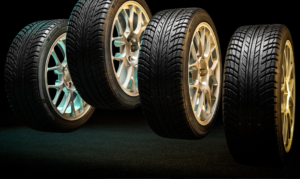
Your car tyres do more than keep your vehicle moving. They provide grip, support braking, and help maintain control on different road surfaces. However, the condition of your tyres can also reveal problems that may not be immediately noticeable while driving.
Uneven tyre wear is one of the most useful warning signs to watch for. It can point to incorrect tyre pressure, wheel alignment issues, worn suspension components, or driving habits that put extra stress on your vehicle.
Understanding these patterns can help you identify potential problems early, protect your tyres from unnecessary wear, and make more informed decisions about vehicle maintenance.
Why Is Tyre Wear Important?
Tyres naturally lose tread as you drive. The rate of wear depends on factors such as road conditions, driving style, vehicle weight, tyre pressure, and maintenance.
However, tyres should generally wear reasonably evenly across their tread. When one area wears faster than another, it may indicate that the tyre is not making proper contact with the road or is experiencing uneven forces.
Ignoring unusual wear can shorten tyre life and affect braking, steering, and grip, particularly on wet roads. Regular tyre inspections can help you spot these changes before they become more serious.
1. Centre Tread Wear: Could Your Tyres Be Overinflated?
If the centre of your tyre tread appears more worn than the inner and outer edges, excessive inflation pressure could be one possible cause.
When a tyre is overinflated, the centre section may carry a greater share of the load against the road. This can contribute to faster wear in that area.
What you should check:
- Compare the pressure with the vehicle manufacturer’s recommended settings.
- Check tyre pressure when the tyres are cold.
- Inspect all four tyres for similar wear patterns.
- Consider whether the tyres have been exposed to incorrect pressure for an extended period.
Keep in mind that tyre design, vehicle setup, and other operating conditions can also influence tread wear. A professional inspection can help identify the actual cause.
2. Wear on Both Edges: A Sign of Low Tyre Pressure
When the inner and outer shoulders of a tyre wear faster than the centre, underinflation may be responsible.
A tyre with insufficient pressure can flex excessively while rotating. This increases heat generation and can place additional stress on the tyre structure, especially during longer drives or when carrying heavy loads.
This issue is particularly important for Australian motorists who regularly travel long distances or use their vehicles for towing.
To help prevent this type of wear, check the recommended tyre pressure in your owner’s manual or on the vehicle’s tyre placard. Adjust the pressure according to the manufacturer’s guidance, including any specified settings for heavier loads.
Avoid relying on the tyre’s appearance alone, as a tyre can be underinflated without looking obviously flat.
3. Inner or Outer Edge Wear: Check Your Wheel Alignment
Have you noticed that one side of a tyre is wearing much faster than the other?
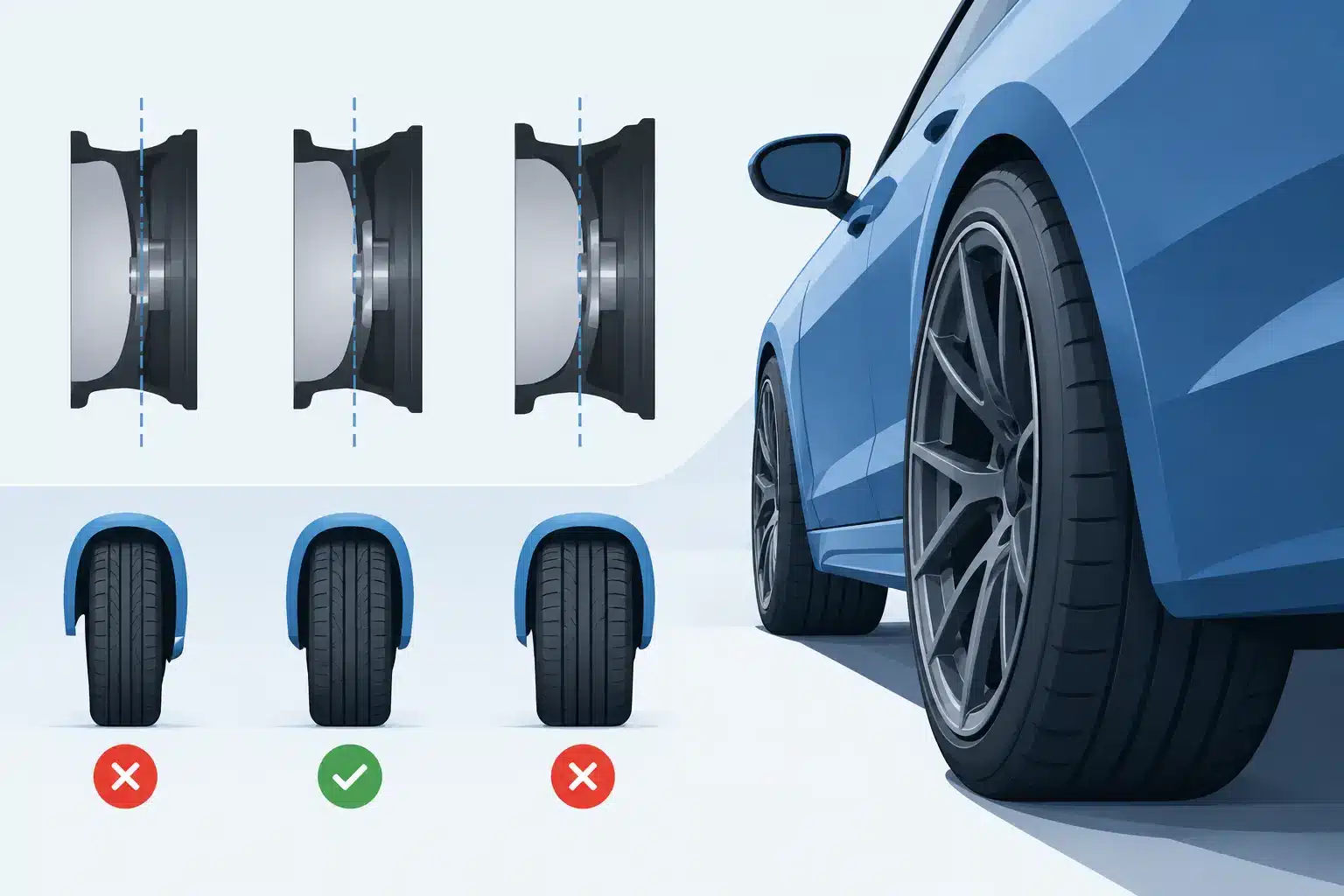
Excessive wear along the inner or outer edge may indicate incorrect wheel alignment. Alignment refers to the angles at which the wheels sit relative to the vehicle and the road.
When these angles are outside the recommended specifications, a tyre may scrub against the road instead of rolling as intended.
Other possible warning signs include:
- Your vehicle pulling to one side.
- A steering wheel that does not sit straight when driving on a level road.
- Uneven wear appearing after hitting a pothole or kerb.
- Changes in steering response.
Worn suspension components can also contribute to this problem. Simply adjusting the alignment may not resolve the issue if damaged or worn parts are affecting the wheel position.
4. Patchy or Cupped Wear: Look Beyond the Tyres
Some tyres develop alternating high and low spots around the tread. This is often described as cupping or scalloped wear.
Rather than wearing evenly around the circumference, the tread develops irregular patches that may be visible or noticeable when you run your eyes across the tyre surface.
Possible causes include worn shock absorbers, suspension problems, wheel imbalance, or other mechanical issues.
Drivers may also notice increased road noise or vibration as the wear develops.
If you discover this pattern, it is worth having the tyres, wheels, steering, and suspension inspected. Replacing the tyre without addressing the underlying cause may allow the same problem to return.
5. Feathered Tread Edges: A Possible Alignment Problem
Feathering occurs when the edges of the tread blocks become uneven, with one edge feeling smoother and the other sharper when carefully checked.
This pattern can develop when the wheels are not aligned correctly, particularly when the toe angle is outside the manufacturer’s specifications.
Incorrect toe settings can cause the tyre to move slightly sideways as it rolls, creating friction across the tread.
Although feathering may not always be easy to identify visually, it can sometimes be detected during a tyre inspection.
A wheel alignment check can help determine whether the toe angle or other alignment settings need adjustment. If suspension or steering parts are worn, those issues may need attention as well.
6. One Tyre Wearing Faster Than the Others
If one tyre wears significantly faster than the remaining tyres, it is worth investigating why.
Possible explanations include incorrect pressure in that tyre, a wheel alignment issue affecting one corner, suspension faults, differences in tyre age, or the effects of a previous repair or impact.
Vehicle design also matters. Front tyres on many front-wheel-drive cars experience additional forces from steering and acceleration, so their wear may differ from that of the rear tyres.
Regular tyre rotation, when permitted by the vehicle and tyre manufacturers, can help distribute wear more evenly. However, rotation is not a substitute for diagnosing an existing mechanical problem.
7. Flat Spots and Localised Damage: Consider Road Impacts and Braking
A tyre may sometimes show a concentrated worn or damaged area rather than a continuous wear pattern.
Hard braking, wheel lock-up on vehicles without effective anti-lock braking, impacts with potholes, or other road hazards can contribute to localised damage.
A sudden impact may also damage the tyre’s internal structure or the wheel itself, even when the external damage appears minor.
If you notice a bulge, deep cut, exposed internal cords, or substantial localised damage, do not continue driving on the tyre. Arrange a safe inspection and professional assistance.
A tyre with structural damage may need replacement rather than repair.
How Australian Driving Conditions Affect Tyre Wear
Driving conditions play a major role in how quickly tyres wear.
In Australia, motorists may travel on everything from smooth motorways to rough regional roads and unsealed tracks. Each surface places different demands on the tyres.
Here are some factors worth considering:
Hot weather: High ambient temperatures combined with incorrect pressure, excessive loads, or sustained high-speed driving can increase tyre stress.
Potholes and rough roads: Impacts can damage tyres and wheels or affect wheel alignment.
Frequent stop-start driving: Repeated acceleration and braking can contribute to faster tread wear.
Gravel roads: Loose stones and rough surfaces can cause tread damage and increase the risk of punctures.
Heavy loads and towing: Additional weight increases the demands placed on tyres. Correct load ratings and manufacturer-recommended pressures are essential.
Adapting your driving and maintenance routine to your usual conditions can help support longer tyre life.
How to Check Your Tyres for Uneven Wear
You do not need specialist equipment to perform a basic visual inspection. A few minutes each month can help you identify changes that deserve attention.
Follow these simple steps:
- Park safely: Choose a level surface, switch off the engine, and allow the vehicle to remain stationary.
- Inspect the tread: Look across the centre, inner edge, and outer edge of each tyre.
- Compare all four tyres: Check whether one tyre looks more worn than the others.
- Look for damage: Check for cracks, cuts, bulges, embedded objects, and unusual patches.
- Check tyre pressure: Use a reliable gauge when the tyres are cold and follow the vehicle manufacturer’s recommendations.
- Arrange an inspection: If you notice uneven wear, vibration, unusual noise, or steering changes, ask a qualified professional to investigate.
Remember that the inner edge of a tyre can be difficult to see. A visual inspection is helpful, but it cannot replace a thorough professional assessment.
When Should You Replace Your Tyres?
Uneven wear does not automatically mean every tyre needs replacing. The correct action depends on the remaining tread depth, the extent of the wear, and whether the tyre has suffered structural damage.
In Australia, roadworthiness requirements generally specify a minimum tread depth of 1.5 mm in the principal grooves, subject to the applicable rules. However, tyres may need replacement before reaching that limit if they are damaged, worn unevenly, or no longer provide suitable performance.
Check the tread-wear indicators built into your tyres and seek professional advice if you are unsure about their condition.
If a tyre has a bulge, exposed cords, or other serious structural damage, it should not be treated as safe simply because sufficient tread remains.
Why Regular Tyre Maintenance Can Save Money
Replacing tyres before their expected service life ends can be expensive, especially when the cause of premature wear remains unresolved.
Regular maintenance can help identify problems before they lead to unnecessary tyre replacement or additional vehicle repairs.
Maintaining the correct pressure, checking alignment when needed, inspecting suspension components, and rotating tyres according to manufacturer recommendations can all contribute to more even wear.
It is equally important to respond to warning signs. If a vehicle begins vibrating, pulling to one side, or producing unusual tyre noise, arranging an inspection early may prevent further damage.
Conclusion
Your tyre tread can reveal more about your vehicle than you might expect. Centre wear may indicate excessive pressure, wear on both shoulders may suggest underinflation, and uneven wear along one edge can point to alignment or suspension problems.
Patchy wear, feathered tread blocks, and damage concentrated in one area may also provide useful clues about the condition of your wheels and vehicle.
For Australian drivers, regular tyre checks are a simple way to stay aware of vehicle condition and identify problems before they become more serious. If you notice an unusual wear pattern, do not assume that replacing the tyre alone will solve the issue.
At Ryan Tyres, drivers can seek professional assistance with tyre condition and related vehicle maintenance. Identifying the cause of uneven wear is an important step towards safer driving and getting the most appropriate service life from your tyres.