Best Car Batteries: What Fits Your Vehicle?
A battery can seem fine right up until the morning it does not start your car. One slow crank, a clicking sound, or a dashboard full of warning lights can turn a normal workday into a tow truck callout. The best car batteries are not simply the most expensive ones on the shelf. They are the batteries that match your vehicle, driving habits, electrical load, and the conditions you ask them to handle.
For a family SUV doing school runs, a work ute carrying tools, or a 4WD fitted with accessories, choosing the right battery is about dependable starting power and avoiding unnecessary downtime. Here is what separates a suitable replacement from one that causes problems later.
What Makes the Best Car Batteries Different?
Every battery has the same basic job: provide a strong burst of power to start the engine, then support the vehicle’s electrical systems while the alternator takes over. But not every vehicle needs the same type of battery.
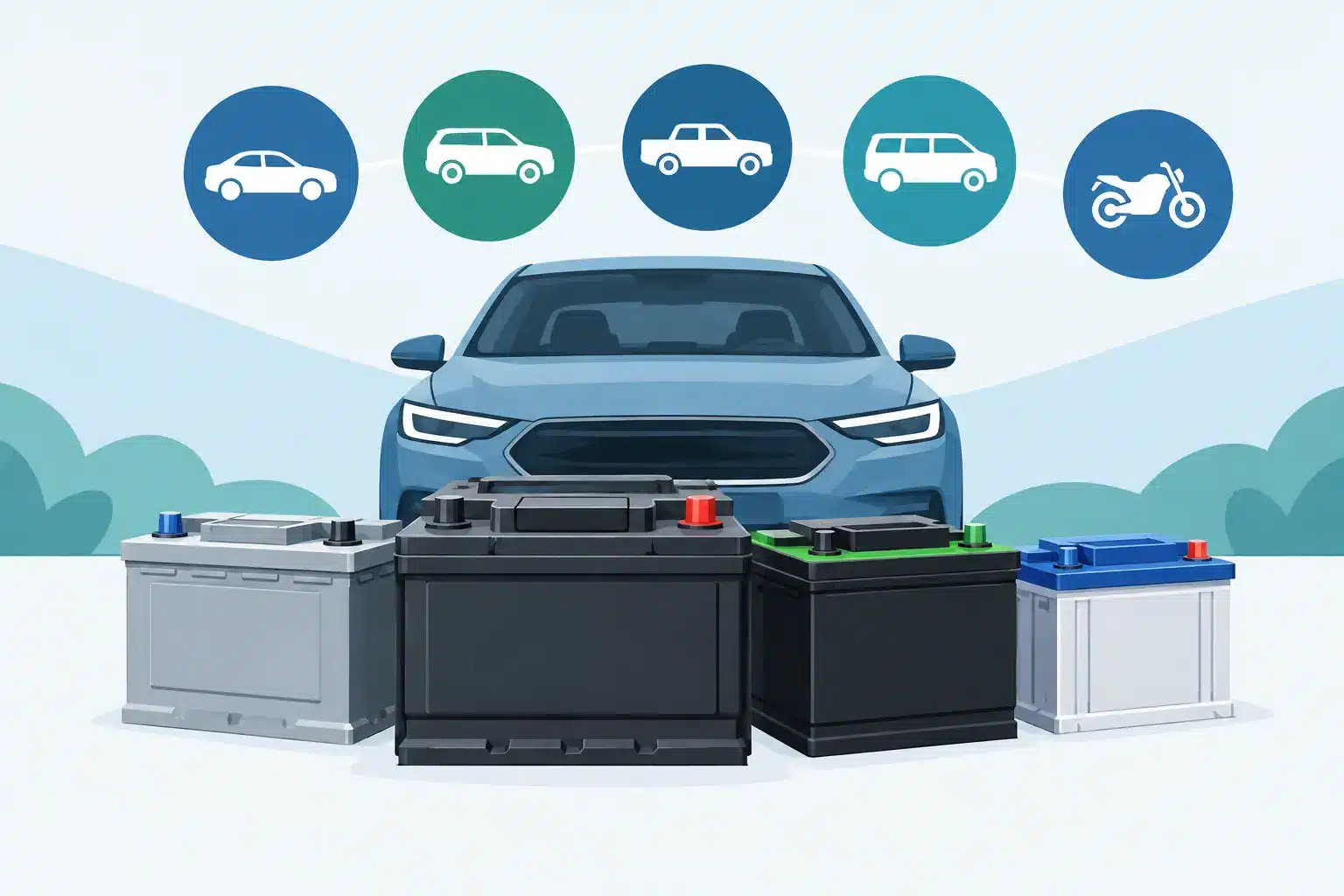
The first requirement is fitment. A battery must have the correct physical size, terminal layout, mounting arrangement, and voltage for your vehicle. A battery that is technically powerful but does not fit securely, has cables that do not reach, or puts terminals in the wrong position is not the right choice.
The next consideration is starting power. This is commonly shown as cold cranking amps, or CCA. It measures a battery’s ability to start an engine in cold conditions. Higher CCA can be useful for larger engines, diesel vehicles, and vehicles used in demanding conditions. More is not automatically better, though. The battery should meet or exceed the vehicle manufacturer’s required rating without sacrificing correct fitment or quality.
Reserve capacity also matters. This tells you how long a fully charged battery can keep supplying power if the charging system is not working. A solid reserve capacity provides extra breathing room for vehicles with more electrical demand, including work vehicles, 4WDs, and cars with stop-start systems.
Standard, EFB, or AGM Battery?
Battery technology has changed as vehicles have added more electronics. Selecting the wrong type can shorten battery life and affect how vehicle systems operate.
Conventional flooded batteries
A conventional lead-acid battery is a practical option for many older cars and everyday vehicles without stop-start technology or major accessory loads. They are usually the most affordable choice and can offer excellent service when they are correctly sized and regularly driven.
For a straightforward commuter car, this may be all you need. The trade-off is that conventional batteries are less suited to repeated deep discharge, high vibration, and demanding electrical accessories.
EFB batteries
Enhanced flooded batteries, known as EFB batteries, are designed for many vehicles with basic stop-start systems. They are more durable than standard flooded batteries and cope better with frequent engine starts and heavier cycling.
If your vehicle came from the factory with an EFB battery, replacing it with a basic conventional battery is usually a false economy. It may cost less initially, but it may not handle the workload the vehicle places on it.
AGM batteries
Absorbent glass mat, or AGM, batteries are built for higher-demand vehicles. They are common in vehicles with advanced stop-start systems, premium electrical features, larger diesel engines, and 4WDs fitted with accessories such as fridges, lighting, winches, compressors, or inverters.
AGM batteries deliver strong performance and good resistance to vibration. They also handle cycling better than conventional batteries. The trade-off is price, and some vehicles may need battery registration or a system reset after replacement so the charging system recognizes the new battery correctly.
If your vehicle was designed for AGM, stay with AGM unless a qualified technician confirms another option is suitable. Downgrading battery technology can create charging issues and reduce service life.
Start With Your Vehicle, Not the Brand Name
A trusted battery brand is worth choosing, but the label alone does not decide whether it is right for your car. The best battery for a compact sedan can be very different from the best battery for a diesel pickup or modified 4WD.
Check the owner’s manual or the existing battery label for the group size, CCA rating, and battery type. A workshop can also confirm fitment using your vehicle details. This is especially useful when a vehicle has been modified, fitted with aftermarket accessories, or has a battery mounted in an unusual location.
For example, a tradie vehicle that spends long days making short stops may need greater starting capacity and reserve power than a vehicle that gets a long highway run every day. A weekend 4WD may need a battery that handles vibration and accessory loads, while a family car with stop-start needs the technology specified by its manufacturer.
The goal is not to buy the biggest battery. It is to install the battery that does the job reliably without creating fitment, charging, or warranty problems.
Signs Your Battery Is Nearing the End
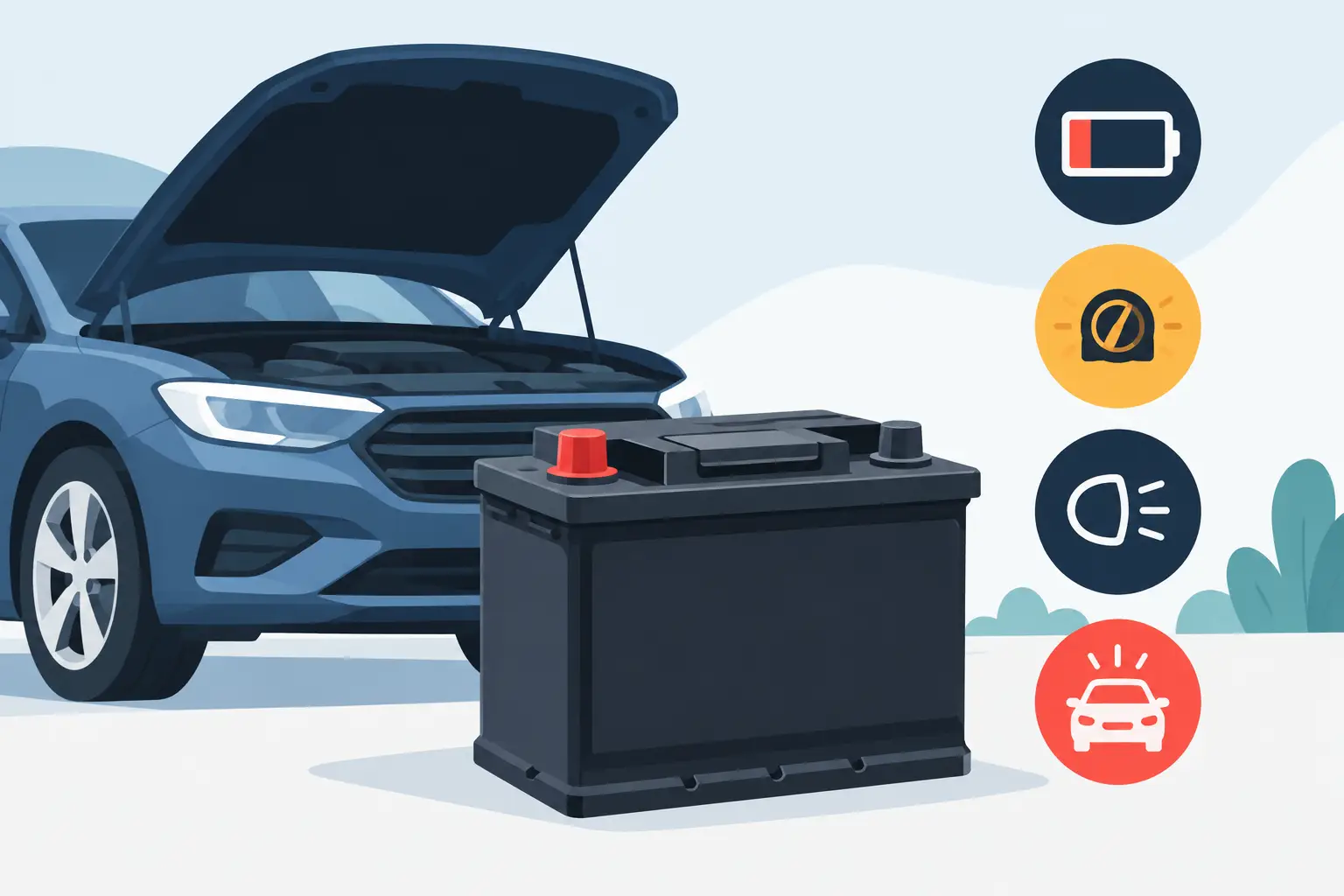
Most car batteries do not fail without warning, but the warning signs can be easy to ignore. Slow cranking is the most familiar symptom. If the engine takes longer to turn over than usual, particularly after the vehicle has sat overnight, the battery deserves a test.
Other signs include dim headlights at idle, electronics resetting, an intermittent stop-start function, a battery warning light, corrosion around terminals, or a battery case that looks swollen or damaged. A sulfur-like smell is another reason to get the vehicle checked promptly.
Battery age matters as well. Many batteries last around three to five years, but heat, short trips, vibration, accessory use, and charging system faults can reduce that lifespan. A battery can test acceptable one week and struggle the next, particularly once it is near the end of its service life.
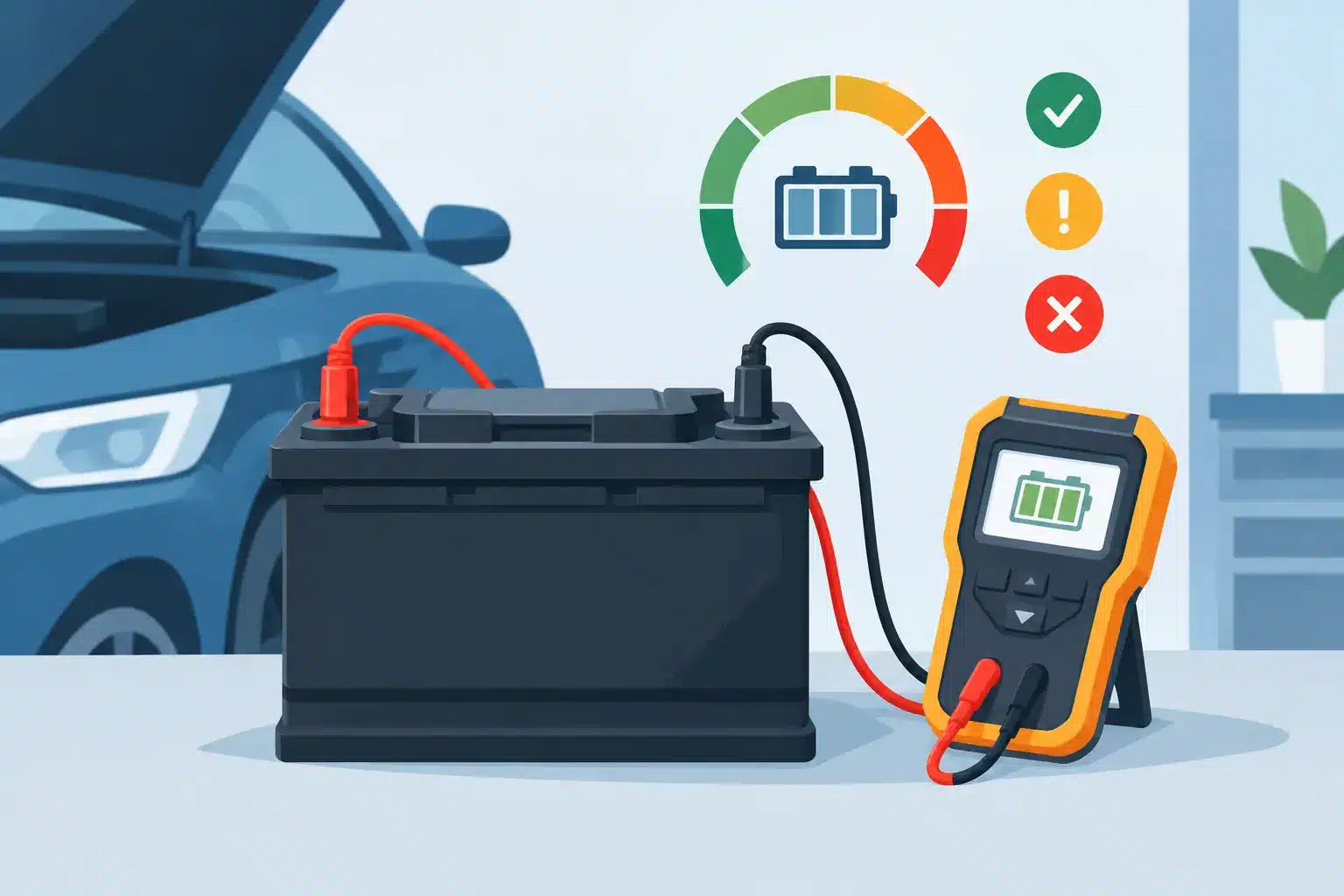
Do not assume a flat battery is always the battery’s fault. A weak alternator, poor earth connection, loose terminals, parasitic drain, or accessory wiring issue can produce similar symptoms. Proper battery and charging-system testing identifies the cause before you spend money on the wrong repair.
Short Trips Can Be Hard on a Battery
Many local drivers assume short trips are easy on their vehicle because they do not cover many miles. Batteries see it differently. Starting an engine uses a significant amount of energy, and repeated short drives may not give the alternator enough time to replace it fully.
This becomes more noticeable when you run air conditioning, headlights, heated screens, phone chargers, dash cams, or other accessories. It is also common in vehicles that sit unused for several days at a time.
If your driving is mostly short-distance, choose a quality battery with the correct reserve capacity and have its condition checked during routine service. A regular longer drive can help, but it will not fix a worn-out battery or a fault in the charging system.
Battery Care That Actually Helps
You cannot make a battery last forever, but a few practical habits can prevent early failure. Keep the terminals clean and tight, and make sure the battery is secured firmly in its tray. Vibration can damage internal components over time, especially in work vehicles and 4WDs traveling on rough roads.
Avoid leaving accessories running when the engine is off. Interior lights, chargers, fridges, and aftermarket equipment can drain a battery faster than expected. If you store a vehicle for long periods, a suitable maintenance charger may help keep the battery healthy.
It is also worth checking the battery after any repeated flat-battery event. Jump-starting gets you moving, but it does not explain why the battery went flat or guarantee that it has recovered fully.
Get the Right Battery Installed and Tested
A replacement battery should be fitted securely, with clean connections and the correct terminal protection. On newer vehicles, the job may also include resetting battery-management settings or registering the new unit. Skipping this step can mean the vehicle charges the battery incorrectly or fails to get the expected life from it.
At Ryan Automotive and Tyres, battery replacement can be handled alongside testing the starting and charging system, so you are not left guessing whether the problem is the battery, alternator, wiring, or an electrical drain. That is particularly useful when your vehicle is needed for work, family transport, or a planned trip.
A battery is a small part with a big role. Before the next slow crank becomes a no-start, have it tested and choose a replacement that is matched to how your vehicle is actually used.