
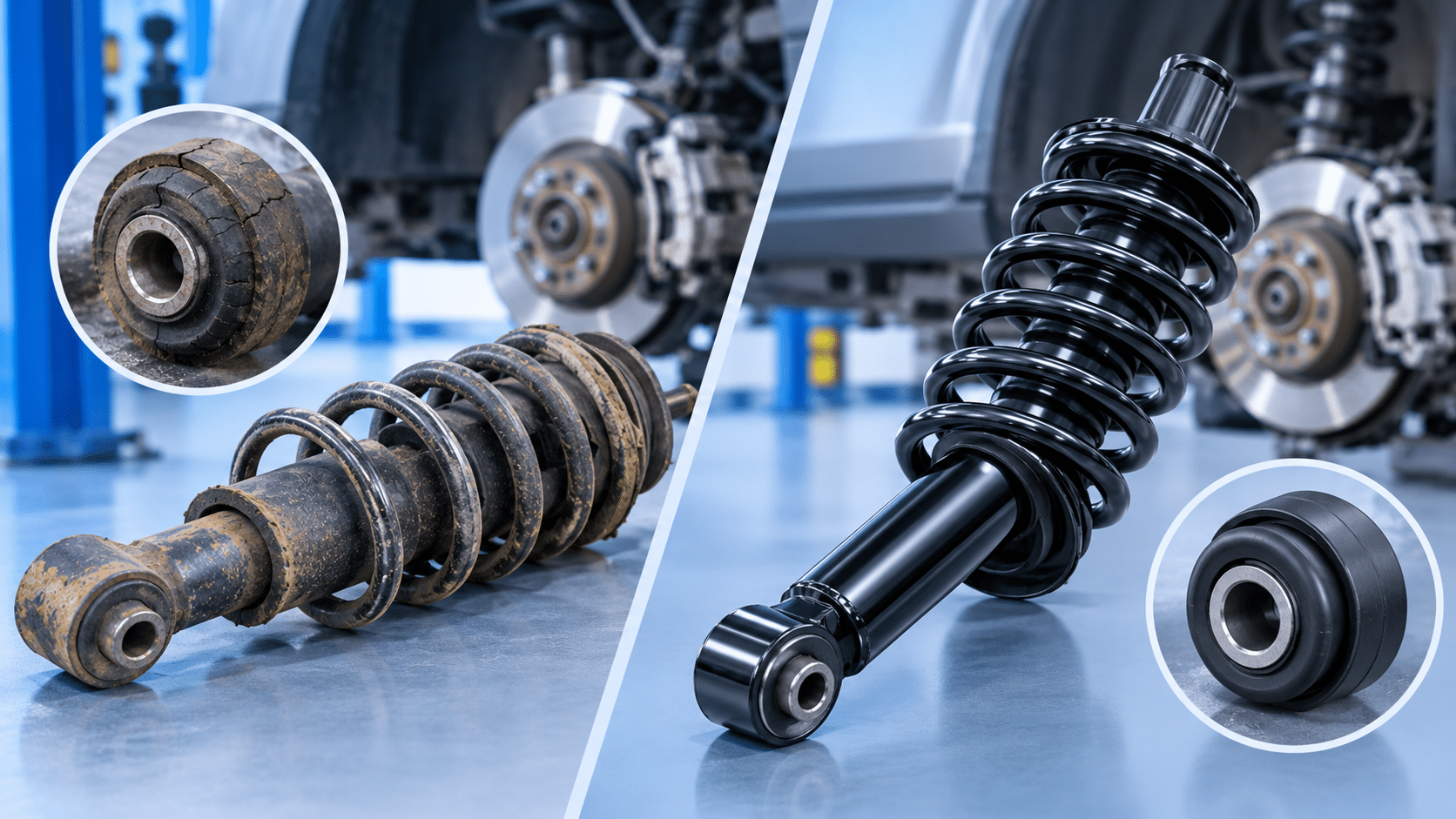
How Regular Suspension Maintenance Improves Vehicle Safety
A vehicle’s suspension system plays an important role in providing a smooth and safe driving experience. It helps absorb road impacts, maintain tyre contact with the road and keep the vehicle stable while driving. Whether you are travelling on highways, driving through city streets or navigating uneven roads, a properly functioning suspension system is essential.
Over time, suspension components experience wear due to regular driving, road conditions and vehicle load. Without proper maintenance, these components can affect steering control, braking performance and overall vehicle safety.
Regular suspension inspections and timely repairs can help prevent major problems and keep your vehicle performing reliably.
Why Is Suspension Maintenance Important?
Your vehicle’s suspension system includes several components that work together to maintain stability and control. These include shock absorbers, springs, struts, control arms and other supporting parts.
Regular maintenance offers several important benefits:
- Improves Vehicle Stability: A properly maintained suspension system helps keep your vehicle balanced, especially when cornering or driving over uneven surfaces.
- Provides Better Steering Control: Healthy suspension components support accurate steering and help maintain control of your vehicle.
- Reduces Tyre Wear: Suspension problems can cause uneven tyre wear. Regular inspections help identify issues before they damage your tyres.
- Improves Driving Comfort: Good shock absorbers and springs reduce the impact of bumps and road vibrations.
- Supports Better Braking Performance: A well-maintained suspension helps maintain consistent tyre contact with the road, supporting effective braking.
- Prevents Expensive Repairs: Identifying worn suspension components early can help avoid additional damage to other vehicle parts.
Common Signs Your Car Suspension Needs Attention
Recognising suspension problems early can help you avoid unexpected repairs and maintain safer driving conditions.
1. Excessive Bouncing While Driving
If your vehicle continues bouncing after travelling over a bump, your shock absorbers or struts may be worn out. Damaged suspension components can make it difficult to maintain vehicle stability.
2. Uneven Tyre Wear
Suspension problems can affect wheel alignment and tyre contact with the road. If you notice unusual wear on the inner or outer edges of your tyres, it may be time to inspect your suspension system.
3. Clunking or Knocking Noises
Unusual sounds when driving over bumps or turning corners may indicate worn suspension bushes, ball joints or other damaged components.
4. Vehicle Pulling to One Side
If your car moves towards one side while driving, there may be a problem with the wheel alignment, steering or suspension system. A professional inspection can help identify the cause.
5. Poor Handling and Steering Response
A worn suspension system can make your vehicle feel unstable, especially when cornering or changing lanes. You may also notice that steering feels less responsive than usual.
6. Vehicle Sitting Lower on One Side
If one corner of your vehicle appears lower than the others, a damaged spring or another suspension component may be responsible. This should be checked by a qualified mechanic.
How Does the Suspension System Improve Road Safety?
The suspension system does more than provide driving comfort. It plays an important role in maintaining control and stability.
When your vehicle travels over potholes, bumps or uneven road surfaces, the suspension absorbs much of the impact. This helps reduce movement inside the vehicle and supports better tyre contact with the road.
A properly maintained suspension system can help with:
- Maintaining vehicle balance during cornering.
- Improving stability when travelling over uneven roads.
- Supporting consistent tyre contact with the road.
- Reducing excessive body movement.
- Improving steering control and handling.
Ignoring suspension problems can make your vehicle harder to control and may increase safety risks.
Suspension Components That Need Regular Inspection
Different suspension components experience wear at different rates. Checking these parts regularly helps maintain the overall performance of your vehicle.
Shock Absorbers: These control excessive suspension movement and help reduce bouncing after hitting bumps.
Springs: Suspension springs support the vehicle’s weight and absorb impacts from uneven road surfaces.
Struts: These provide structural support and help control suspension movement.
Control Arms: These connect the suspension system to the vehicle’s frame and help maintain proper wheel movement.
Ball Joints and Bushes: These components allow controlled movement while reducing unwanted vibration and noise.
A professional mechanic can inspect these components and recommend repairs or replacements when necessary.
How Often Should You Check Your Suspension?
The frequency of suspension inspections depends on your vehicle, driving habits and road conditions. As a general practice, have your suspension checked during routine vehicle servicing.
You may need an inspection sooner if you frequently drive on rough roads, carry heavy loads or notice unusual noises and changes in handling.
A suspension inspection should include checking:
- Shock absorbers and struts.
- Suspension springs.
- Control arms and bushes.
- Ball joints and connecting components.
- Steering components.
- Tyre condition and wheel alignment.
Following your vehicle manufacturer’s maintenance recommendations can also help identify potential problems early.
Tips to Extend the Life of Your Suspension System
Good driving habits and regular maintenance can help reduce unnecessary wear on suspension components.
- Avoid driving over potholes and road obstacles at high speeds.
- Reduce your speed when travelling over speed bumps.
- Avoid carrying loads beyond your vehicle’s recommended capacity.
- Check tyre pressure regularly.
- Arrange wheel alignment when necessary.
- Pay attention to unusual suspension noises.
- Schedule regular vehicle inspections.
These simple practices can help improve vehicle handling and extend the lifespan of suspension components.
Why Choose Professional Steering and Suspension Services?
Suspension and steering systems contain several connected components that must work together correctly. Identifying worn parts and handling repairs requires proper inspection and mechanical knowledge.
Professional steering and suspension services can help identify problems, assess component condition and recommend suitable repairs or replacements.
At Ryan Tyres, vehicle owners can get assistance with steering and suspension requirements, including suspension-related repairs and lift kit installation. Whether you are experiencing unusual suspension noises, poor handling or planning a vehicle upgrade, professional attention can help ensure your vehicle remains suitable for your driving needs.
Conclusion
Regular suspension maintenance is essential for maintaining vehicle safety, stability and driving comfort. Worn shock absorbers, damaged springs and faulty suspension components can affect steering control, tyre wear and overall vehicle performance.
By arranging regular inspections and addressing problems early, you can help keep your vehicle safe and reliable on the road.