
How Regular Brake Maintenance Keeps Your Car Safe on the Road
Your car’s braking system is one of the most important safety features of your vehicle. It helps you slow down, stop safely and maintain control in different driving conditions. Whether you are driving through busy city streets or travelling on highways, properly functioning brakes are essential for a safe journey.
Over time, brake pads, rotors and other braking components experience wear due to regular use. Without proper maintenance, these parts may lose their effectiveness and increase the risk of accidents. Regular brake inspections and timely repairs can help keep your vehicle safe and reliable.
Why Is Regular Brake Maintenance Important?
Brake maintenance helps ensure that your vehicle responds properly whenever you apply the brake pedal. It also allows mechanics to identify minor problems before they develop into expensive repairs.
Here are some important benefits of maintaining your braking system:
- Improves Road Safety: Properly maintained brakes help your vehicle stop effectively and reduce the risk of collisions.
- Prevents Expensive Repairs: Early identification of worn brake components can prevent further damage to the braking system.
- Provides Better Control: A healthy braking system helps you maintain control during sudden stops and emergency situations.
- Extends Component Lifespan: Regular inspections help identify uneven wear and other issues affecting brake pads and rotors.
- Improves Driving Comfort: Well-maintained brakes reduce unwanted noises, vibrations and other braking problems.
Common Signs Your Car Brakes Need Attention
Recognising brake problems early can help prevent serious safety issues. Watch for these common warning signs:
1. Squeaking or Grinding Noises
If you hear squeaking or grinding sounds when applying the brakes, your brake pads may be worn out. Grinding noises can also indicate metal-to-metal contact, which may damage the brake rotors.
2. Vibrations When Braking
A vibrating steering wheel or brake pedal may indicate uneven or damaged brake rotors. This can affect braking performance and should be inspected by a professional mechanic.
3. Soft or Spongy Brake Pedal
If your brake pedal feels unusually soft or sinks further than normal, there may be air in the brake lines, a fluid leak or another hydraulic problem. Have the braking system inspected immediately.
4. Vehicle Pulling to One Side
When your car moves towards one side while braking, it may indicate uneven brake performance, a sticking brake calliper or another mechanical issue.
5. Longer Stopping Distance
If your vehicle takes longer than usual to stop, the brake pads, rotors or other braking components may not be working correctly. Do not ignore this warning sign.
The Importance of Checking Brake Pads and Rotors
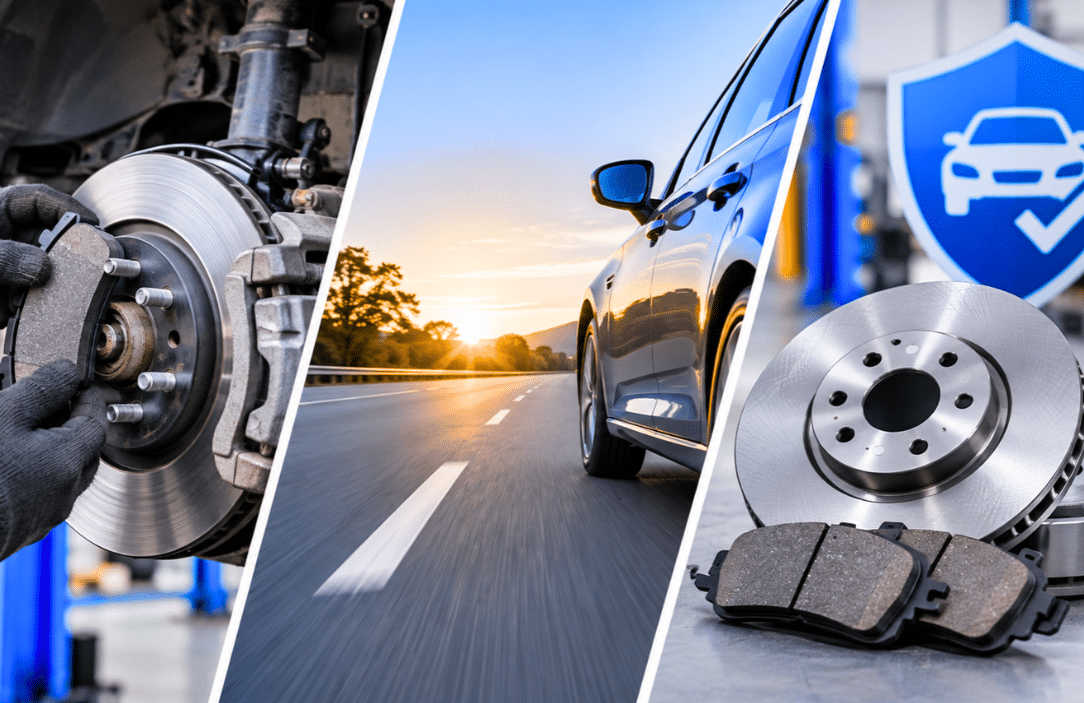
Brake pads and rotors work together to slow down and stop your vehicle. When you press the brake pedal, the brake pads press against the rotating brake discs, creating friction that reduces wheel speed.
Over time, this friction causes both components to wear.
Brake Pads: Worn brake pads reduce braking efficiency and may damage other braking components if they are not replaced on time.
Brake Rotors: Damaged, warped or excessively worn rotors can cause vibrations, unusual noises and inconsistent braking performance.
Regular inspections help determine whether these components need servicing or replacement.
How Often Should You Inspect Your Brakes?
The frequency of brake inspections depends on your vehicle, driving habits and road conditions. As a general guideline, have your braking system checked during routine vehicle servicing and whenever you notice unusual braking behaviour.
Drivers who frequently travel in heavy traffic, carry heavy loads or drive on hilly roads may experience faster brake component wear.
A professional inspection should include checking:
- Brake pad thickness
- Brake rotor condition
- Brake fluid level and condition
- Brake callipers and associated components
- Brake lines and hoses
- Overall braking performance
Following your vehicle manufacturer’s maintenance recommendations can also help keep your braking system in good condition.
Tips to Make Your Brake System Last Longer
Good driving habits can help reduce unnecessary wear on brake components.
- Avoid sudden braking whenever possible.
- Maintain a safe distance from other vehicles.
- Reduce speed gradually when approaching traffic signals.
- Avoid keeping your foot on the brake pedal unnecessarily.
- Check your brakes regularly during scheduled servicing.
- Replace worn brake pads and damaged rotors when required.
These simple practices can help improve braking performance and reduce maintenance costs over time.
Why Choose Professional Brake Services?
Brake systems contain several components that must work together correctly. Identifying problems requires proper inspection, experience and suitable equipment.
Professional brake services help identify worn components, check braking performance and recommend the necessary repairs or replacements. Choosing experienced mechanics also helps ensure that the correct parts are used for your vehicle.
At Ryan Tyres, you can get professional assistance with your vehicle’s braking needs. Whether your car requires a brake inspection, brake pad replacement or rotor servicing, timely attention can help maintain reliable braking performance.
Conclusion
Regular brake maintenance is essential for protecting yourself, your passengers and other road users. Checking brake pads, inspecting rotors and addressing unusual noises or vibrations can help prevent unexpected braking problems.
Do not wait until your brakes stop working properly before arranging an inspection. Give your braking system the attention it needs to keep your vehicle safe and dependable on the road.
Looking for reliable brake services in Penrith? Contact Ryan Tyres for professional assistance with your car’s brake pads, rotors and braking system.